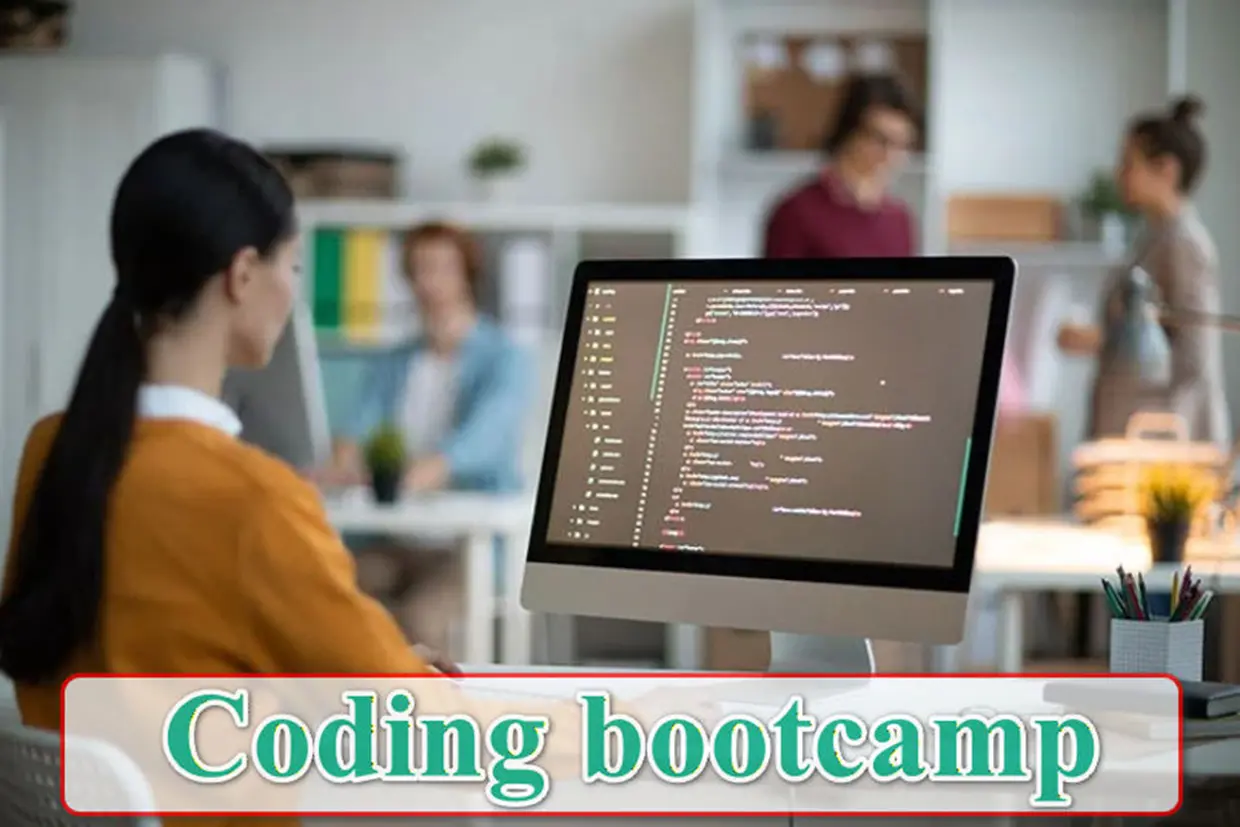
The Essential Coding Bootcamp Recipe for 2026 Success
An easy coding bootcamp recipe involves selecting a curriculum aligned with current market demand, dedicating at least 20 hours of focused weekly study, and integrating project-based learning into a professional portfolio. Success in 2...
An easy coding bootcamp recipe involves selecting a curriculum aligned with current market demand, dedicating at least 20 hours of focused weekly study, and integrating project-based learning into a professional portfolio. Success in 2026 requires balancing rigorous technical skill acquisition with networking strategies to navigate the shifting landscape of entry-level software engineering roles.
Contents
Understanding the Modern Bootcamp Ecosystem
The educational landscape for software development has transitioned from a period of rapid expansion to one of strategic consolidation. In 2026, the term "easy" does not refer to the intellectual rigor required to master syntax and architecture, but rather to the efficiency of the pedagogical approach. A structured recipe for learning implies a move away from tutorial hell toward outcome-oriented project cycles.
Effective programs currently emphasize full-stack competency with a focus on cloud-native deployments. Employers are no longer merely looking for individuals who can write code; they require engineers who understand the lifecycle of an application from local development environments to containerized deployment on platforms like AWS or Google Cloud.
Core Ingredients for Your Technical Syllabus
To build a sustainable learning path, you must prioritize the foundational technologies that remain the backbone of the enterprise software industry. While AI-assisted coding tools have accelerated development, the underlying logic remains constant.
- Version Control Mastery: Proficiency in Git is non-negotiable. Moving beyond basic commits to managing complex merge conflicts and branching strategies is mandatory.
- Modern Web Foundations: You must demonstrate fluency in TypeScript, as it has become the standard for large-scale JavaScript applications.
- Backend Proficiency: Focus on one primary server-side language, such as Python with FastAPI or Node.js with NestJS, paired with robust database design (PostgreSQL remains the industry standard for relational data).
- API Architecture: Deep understanding of RESTful principles and GraphQL is essential for modern microservices communication.
Strategic Planning for Learning Efficiency
Preparation is the most critical variable in your success. Before enrolling or starting an intensive self-study program, you must ensure your environment and commitment levels are aligned with professional standards.
| Component | Recommended Status | Impact on Outcome |
|---|---|---|
| Dedicated Hardware | 16GB+ RAM / SSD | High (Prevents IDE latency) |
| Time Commitment | 20-30 Hours / Week | Critical (Determines velocity) |
| Peer Network | Active Cohort / Community | Moderate (Accountability) |
| Portfolio Projects | 3 Full-stack Apps | High (Primary hiring filter) |
Executing the Curriculum: A Four-Phase Approach
A successful bootcamp experience follows a logical progression that builds upon itself. Attempting to bypass these phases usually leads to gaps in fundamental knowledge that become apparent during technical interviews.
Phase one centers on syntax and core logic. Whether you choose Python, Java, or JavaScript, spend your first three weeks focusing exclusively on data structures and algorithms. Use platforms like LeetCode to test your grasp of these concepts, but do not mistake this for the entirety of software engineering.
Phase two introduces the framework. Choose a popular framework (React for front-end, Django or Spring Boot for back-end) and build a CRUD (Create, Read, Update, Delete) application. This stage teaches you how to manage state, handle user input, and persist data in a database.
Phase three focuses on the integration of external services. Integrate third-party APIs (Stripe for payments, Auth0 for authentication, or OpenAI for LLM integration). This is where your project begins to resemble a real-world product.
Phase four, the final phase, is deployment and refinement. Learn to use Docker to containerize your application and host it on a cloud provider. A project that runs only on your local machine is invisible to employers.
Managing Expectations and Industry Realities
The 2026 job market rewards engineers who can demonstrate practical problem-solving. It is a misconception that bootcamps guarantee placement. The most successful candidates are those who utilize the bootcamp as a framework while independently seeking internship opportunities, contributing to open-source software, or engaging in freelance technical work to build a verifiable track record.
Avoid programs that promise "instant hiring" or "100% placement." These are indicators of a misalignment between the provider's marketing and the reality of technical hiring. Instead, look for programs that provide rigorous technical assessment, mock interviews, and mentorship from industry practitioners who are currently active in the workforce.
Frequently Asked Questions
Is it possible to complete a coding bootcamp while working full-time? Yes, but the timeframe for completion will necessarily extend beyond the standard 12-week intensive model. Expect to stretch the curriculum over 24 to 36 weeks to maintain the depth of study required for proficiency.
Do I need a computer science degree to get hired in 2026? While a degree provides a strong theoretical base, it is not a strict requirement for many software engineering roles. Employers prioritize a strong portfolio of deployed projects and the ability to demonstrate technical reasoning during live coding assessments.
What is the most important skill for a junior developer in 2026? Adaptability and the ability to read existing codebases are paramount. Most of your professional time will be spent maintaining and scaling existing code, not writing new features from scratch.
How do I know if a bootcamp is legitimate? Verify the instructor's background on professional platforms and review their student outcomes data. Legitimate bootcamps are transparent about their curriculum, alumni success, and the specific skills that are in high demand in the current year.
Should I focus on front-end or back-end development? Full-stack development is generally recommended for bootcamp students as it provides a holistic understanding of how applications function. This breadth makes you a more versatile candidate for small to mid-sized companies.
Professional Recommendation
Begin by auditing your current technical literacy. If you are entirely new to programming, start with a foundational course on logic and syntax. Once you have a base, select a specialized track that aligns with your professional interests. Commit to building one high-quality, fully documented project that solves a real-world problem rather than attempting to build five low-quality applications. Your portfolio is your most powerful tool in demonstrating your expertise to potential employers in the 2026 job market. Focus on depth, consistency, and the ability to articulate your technical decisions clearly.
Image Gallery