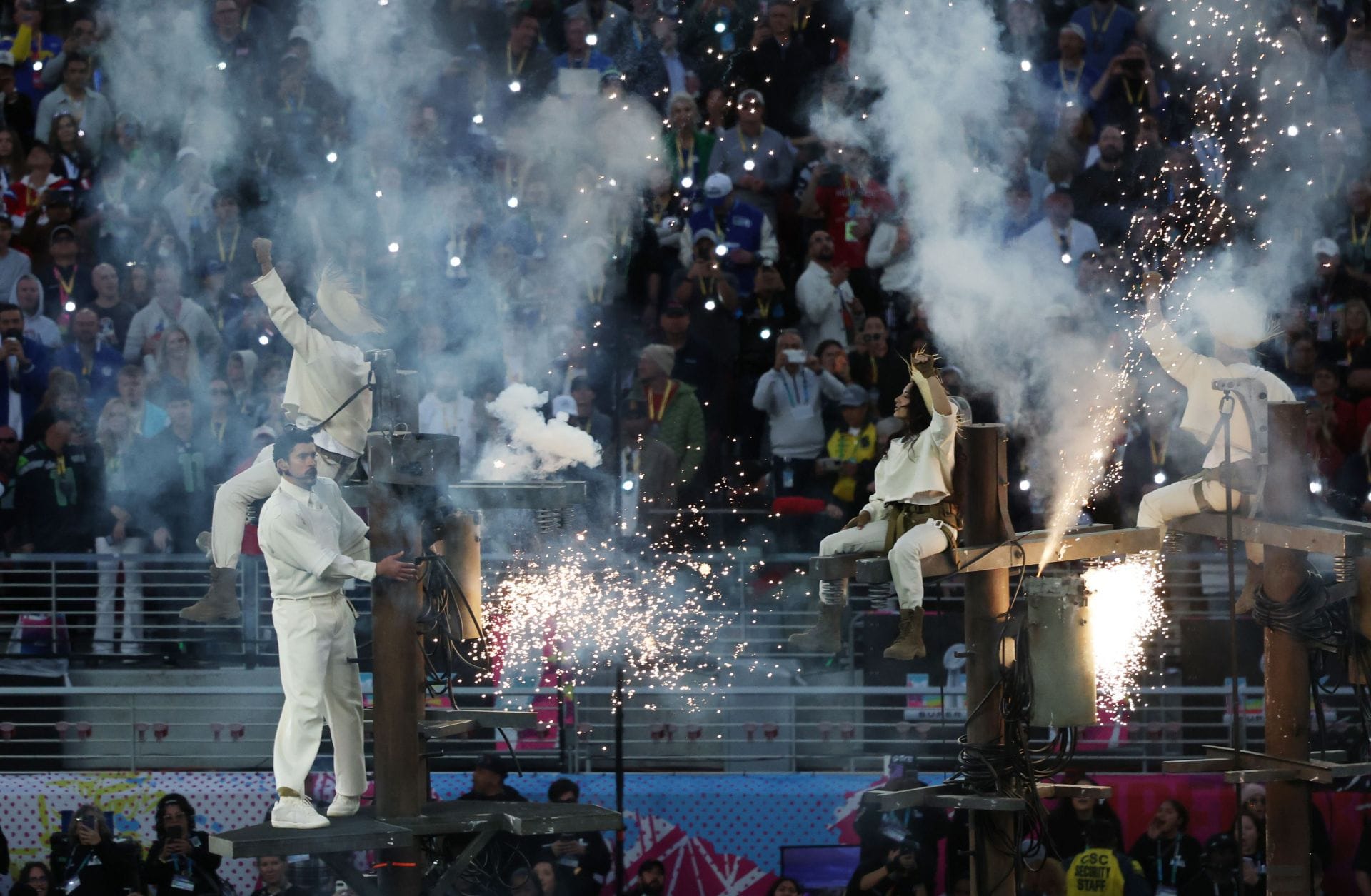
Understanding the 128.2 Million Viewers for the NFL Super Bowl 2026 Halftime Show
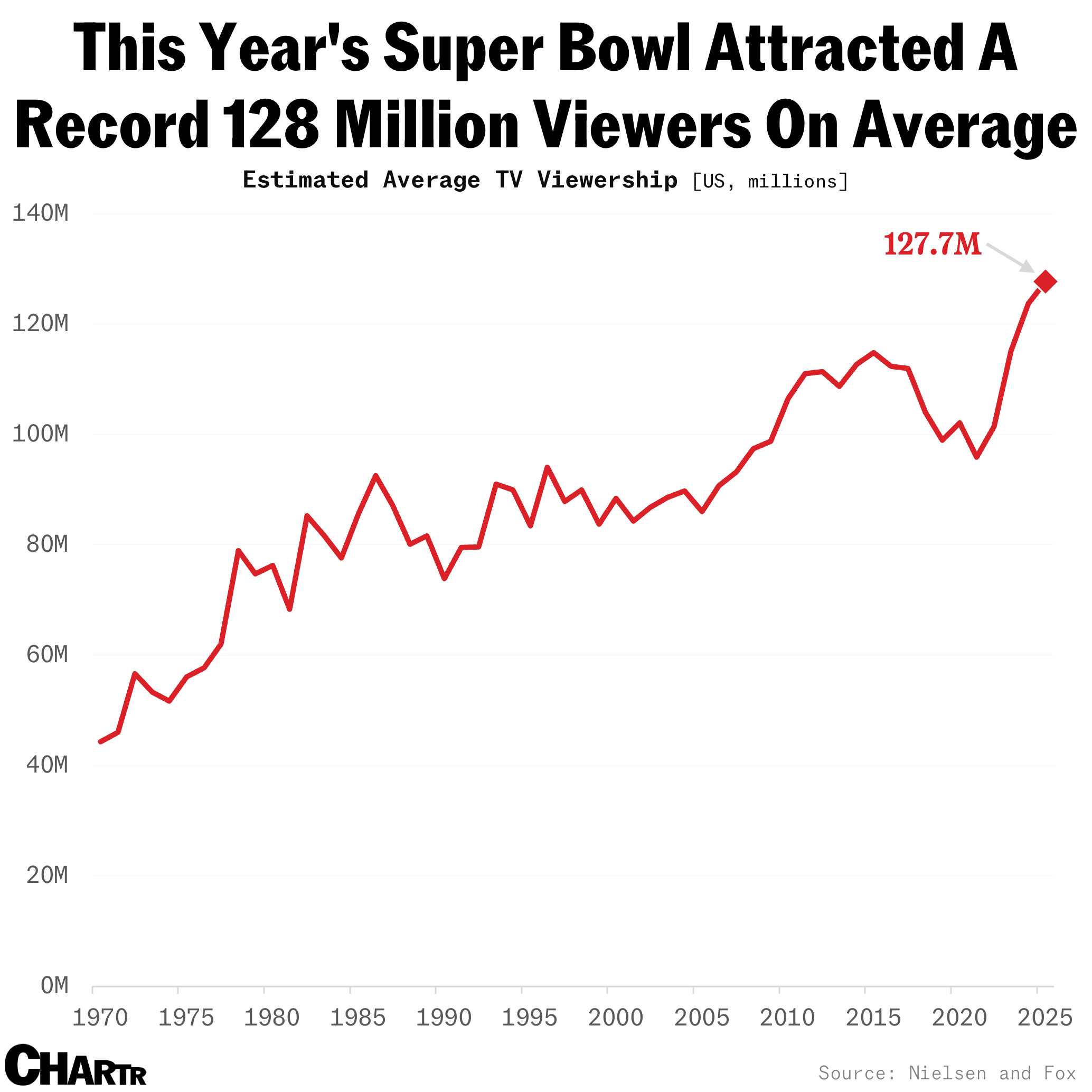
The 2026 Super Bowl halftime show reached a record-breaking 128.2 million viewers, marking a significant milestone in modern broadcasting history. This figure represents the aggregate reach across linear television, streaming platforms...
The 2026 Super Bowl halftime show reached a record-breaking 128.2 million viewers, marking a significant milestone in modern broadcasting history. This figure represents the aggregate reach across linear television, streaming platforms, and international syndication, reflecting the evolving consumption habits of a global audience that increasingly favors digital access over traditional cable broadcasts.
Contents
The Evolution of Super Bowl Halftime Metrics
For decades, Super Bowl viewership was measured exclusively through Nielsen’s domestic linear television ratings. However, the media landscape has undergone a radical transformation. By 2026, the definition of a "viewer" has expanded to encompass simultaneous engagement across multiple devices, social media streams, and official global broadcasts.
The 128.2 million figure for the 2026 halftime show is not merely a count of households tuned into a single channel. It is a sophisticated metric that accounts for verified unique users across various digital platforms. This shift is driven by the NFL's aggressive strategy to integrate streaming partnerships, ensuring that the halftime performance—an event often considered as culturally significant as the game itself—is accessible regardless of geographical location or hardware constraints.
Factors Driving Record-Breaking Viewership
Several technical and commercial factors contributed to the 128.2 million viewership milestone. Understanding these drivers is essential for media analysts and stakeholders monitoring the growth of major televised events.
1. Multi-Platform Streaming Infrastructure
The 2026 season saw a major upgrade in content delivery networks (CDNs). The NFL leveraged low-latency streaming technology, allowing millions of concurrent users to experience the halftime show with minimal buffering. This technical stability is crucial; even minor delays during a peak cultural moment can lead to significant user drop-off.
2. Global Distribution Expansion
The NFL has focused heavily on international markets, particularly in Europe, Mexico, and Brazil. By partnering with local telecommunications providers to bundle Super Bowl access, the league effectively widened the funnel for viewership. The halftime performance, which frequently highlights global musical talent, acts as the primary hook for international audiences who may have less familiarity with the nuances of American football.
3. Social Media Integration and Clipping
Real-time sharing has become a pillar of event marketing. By allowing official digital partners to distribute clips of the halftime show in near real-time, the NFL captured audiences that might not have committed to watching the full game. These "second-screen" viewers often transition into full-viewership when caught by the viral nature of the performance.
Comparative Viewership Analysis
To understand the scale of the 128.2 million figure, it is helpful to look at how different delivery methods contribute to the final tally.
| Delivery Method | Contribution Tier | Engagement Style |
|---|---|---|
| Linear Television (Domestic) | High | Passive, High-Latency |
| Subscription Streaming (OTT) | Moderate-High | Interactive, Low-Latency |
| International Syndication | Moderate | Regionalized |
| Social & Short-Form Platforms | Low-Moderate | Viral, Transient |
While linear television remains the backbone of the broadcast, its percentage of the total audience continues to decline relative to streaming platforms. The 2026 data confirms that the halftime show is effectively a hybrid media product, serving both the traditional fan base and the digital-native demographic.
Technical Requirements for High-Volume Streaming
Streaming an event to over 100 million people requires immense backend coordination. From an engineering perspective, the 128.2 million viewers for the 2026 halftime show represent a triumph of distributed computing.
Content providers must manage "burst traffic"—the instantaneous surge of millions of connections at the start of the halftime interval. This requires:
- Edge Computing: Placing servers closer to the end-user to reduce transit time.
- Adaptive Bitrate Streaming: Automatically adjusting video quality based on the user's internet speed to ensure the stream does not crash.
- Load Balancing: Distributing requests across thousands of servers to prevent any single node from being overwhelmed.
Common Misconceptions Regarding Viewership Numbers
When analyzing data such as the 128.2 million figure, it is important to distinguish between "unique reach" and "total impressions." Unique reach counts an individual person once, regardless of how many devices they might use. Conversely, total impressions could theoretically be much higher if a person watches on a TV and checks a stream on their phone simultaneously.
The 128.2 million metric is a "unique viewer" count, meaning it provides a cleaner picture of the event's actual popularity. Skeptics often point to the difficulty of verifying these numbers; however, modern, server-side tracking (SSAI) allows for highly accurate data collection that was impossible in the era of paper diaries and early sample-based estimation.
Frequently Asked Questions
How is the 128.2 million figure verified?
The figure is verified through server-side analytics from the primary streaming partners and independent third-party auditing firms that specialize in digital media measurement. These firms track unique device IDs and anonymized user data to prevent double-counting.
Does the 128.2 million include people watching in groups?
Yes, the measurement includes estimates for "out-of-home" viewership, such as people at bars, restaurants, or parties. These are estimated using sample panels that are extrapolated to represent the total population, a practice that has been standardized across the broadcast industry for decades.
Why is the halftime show measured separately?
The halftime show often draws viewers who are not interested in the sporting aspect of the game. By treating the show as a distinct product, the NFL and its advertisers can more accurately value the ad spots during the intermission, as the audience demographic for the musical performance differs from that of the game broadcast.
Can 128.2 million viewers watch without buffering?
While the infrastructure is designed to support this scale, local network conditions remain the primary variable. Users with high-bandwidth connections and modern hardware are unlikely to experience buffering, but those in areas with poor infrastructure or high local network congestion may still face issues.
Will future Super Bowl viewership continue to rise?
While the total number of viewers is subject to market saturation, the NFL’s focus is on increasing engagement time. The goal for future broadcasts is to maintain the high reach while converting more viewers into "long-form" watchers who engage with the content for the entire duration of the game.
Recommendations for Stakeholders
For media buyers, advertisers, and digital strategists, the 2026 Super Bowl halftime performance serves as a benchmark for the future of mass-market entertainment. To maximize the value of such large-scale events, organizations should prioritize multi-platform presence. Relying on a single distribution channel is no longer sufficient; success in 2026 and beyond requires an omnichannel approach that acknowledges where the audience resides—whether that is on a 4K living room television or a mobile device during a commute.
For the average viewer, the best way to ensure an optimal experience for future major events is to utilize wired internet connections or 5G-enabled devices when streaming, as these provide the stability necessary to handle the high-data requirements of modern high-definition live broadcasts.
Image Gallery