The Ultimate Drop Taper Fade Guide: Style Variations, Face Shapes, and Barber Instructions
A drop taper fade is a precision haircut that blends hair down to the skin at two specific points—the sideburns (temples) and the nape of the neck—while dropping in an arc behind the ear to follow the natural curve of the skull. Unlike...
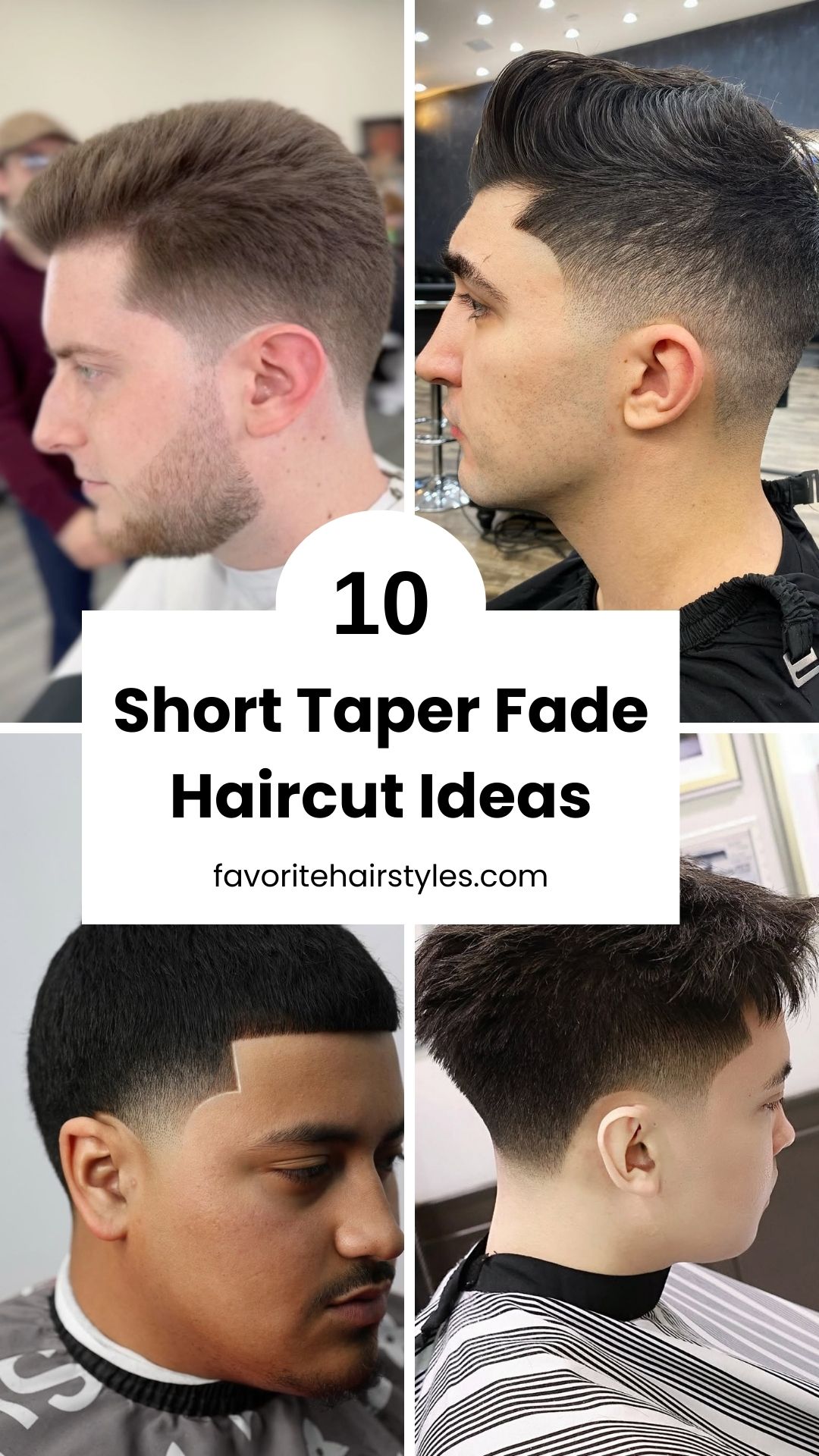
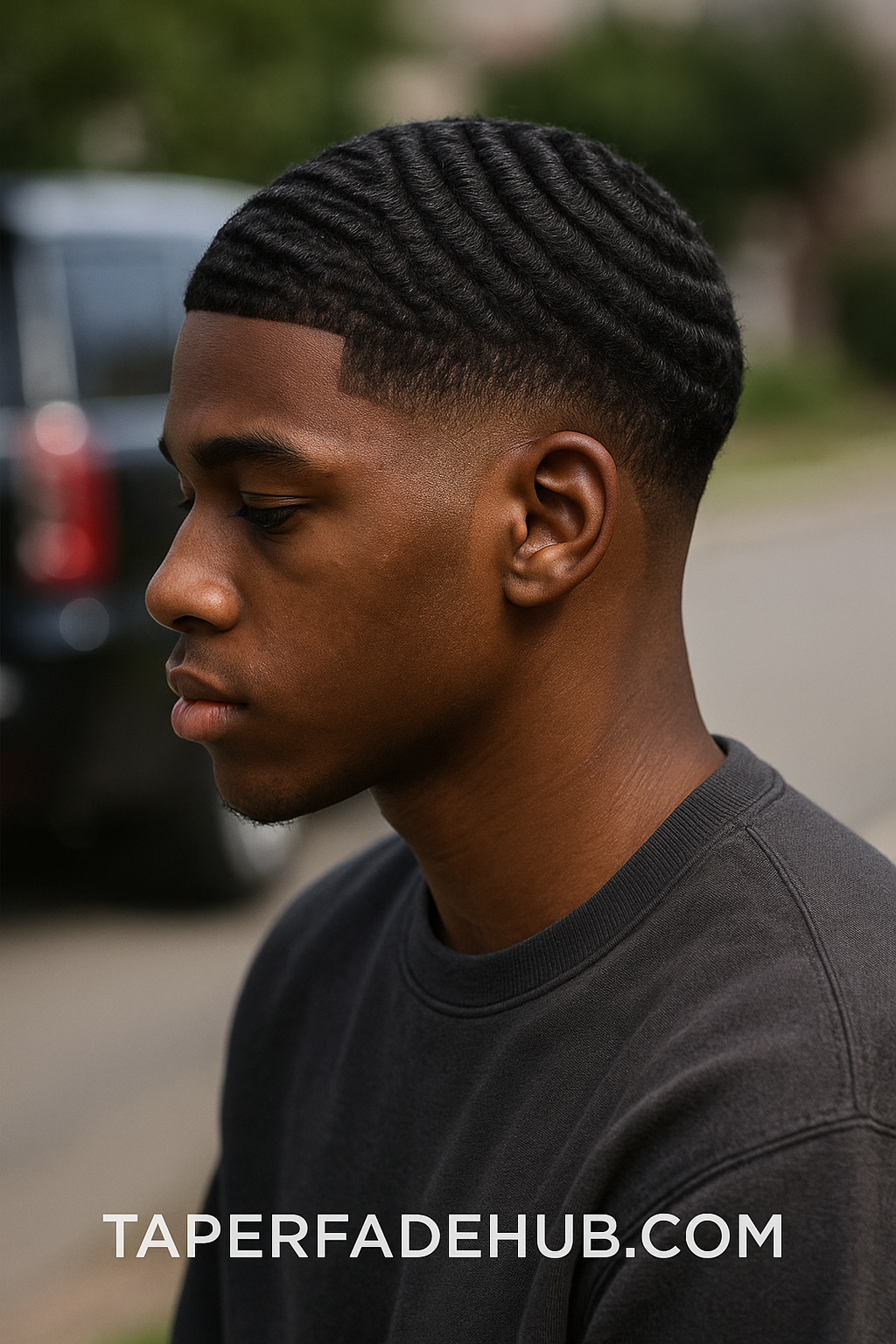
A drop taper fade is a precision haircut that blends hair down to the skin at two specific points—the sideburns (temples) and the nape of the neck—while dropping in an arc behind the ear to follow the natural curve of the skull. Unlike a standard taper that stays horizontal, the drop taper creates a distinct swoop around the ear, preserving bulk along the crown while establishing a clean, tailored perimeter.
Contents
Anatomy of a Drop Taper Fade: How It Differs From Standard Fades
Understanding the drop taper fade requires breaking down its two core structural components: the taper and the drop. In classic barbering, haircuts are defined by where weight is retained and where the blend transitions into skin or shorter hair length.
- Standard Fade: Blends hair uniformly around the entire circumference of the head at a constant height.
- Standard Taper: Cleans up only the sideburns and the bottom of the nape, leaving the area above and behind the ear longer.
- Drop Taper Fade: Blends the sideburns and nape while curving the fade line down behind the ear, following the occipital bone.
The defining characteristic of the drop taper is its natural contour. By dipping lower behind the ear toward the base of the skull, the cut respects the anatomical curvature of the head. This serves several distinct aesthetic and practical functions:
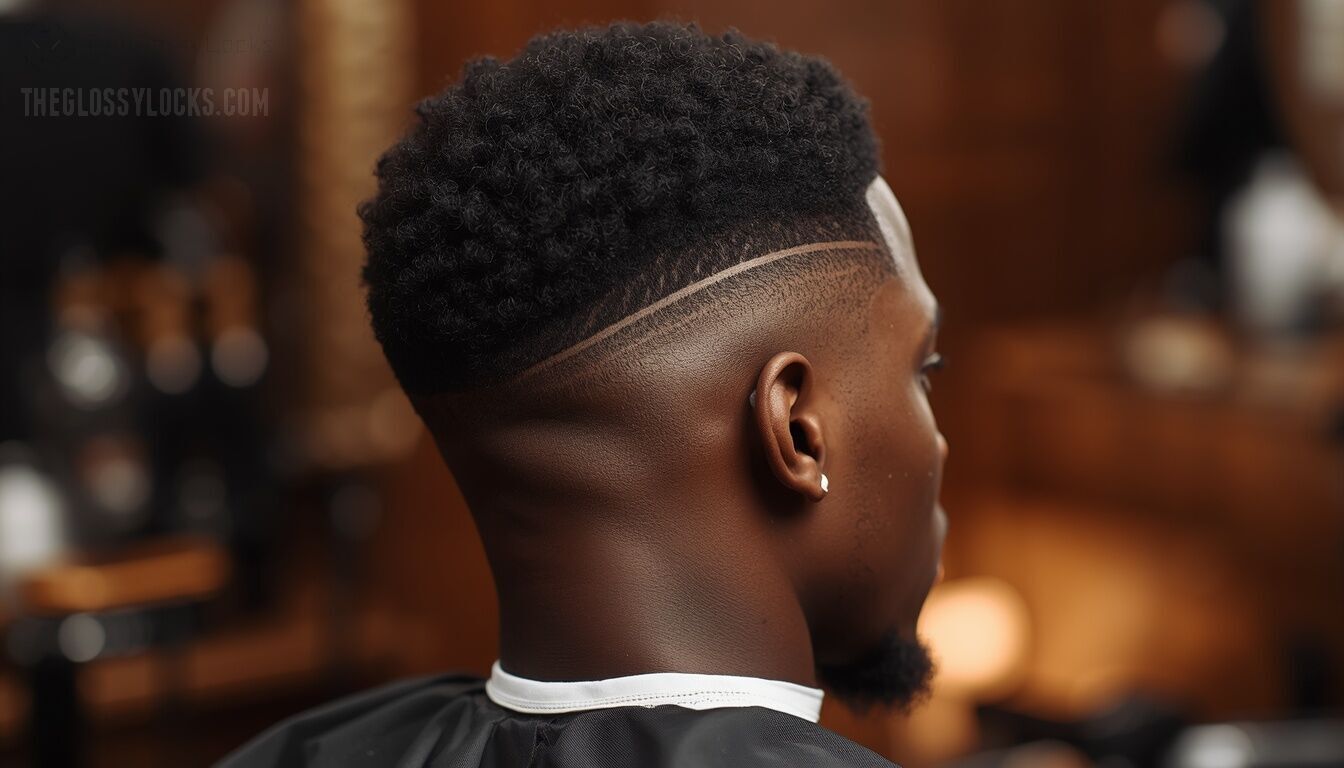
- Occipital Framing: The arc of the drop sits right along or below the occipital ridge, visually balancing the weight of the crown and preventing the back of the head from appearing flat.
- Edge Retention: Because the drop taper only fades out the temple points and the lower hairline, it retains full bulk along the parietal ridge (the upper sides of the head). This creates a structured silhouette suitable for textured tops, curls, slick backs, or pompadours.
- Subtle Contrast: Traditional high fades completely alter the silhouette of the skull by exposing large areas of scalp. A drop taper offers high contrast at the edges while maintaining a classic, fuller shape across the mid-to-upper head.
Key Style Variations of the Drop Taper Fade
The versatility of the drop taper lies in its adaptability. Barbers modify the starting height of the blend, the dramatic steepness of the drop, and the texture on top to match individual aesthetic preferences.
- High Drop Taper: Starts near temple peak; steep arc behind ear.
- Mid Drop Taper: Starts mid-temple; moderate curve below occipital.
- Low Drop Taper: Starts low on sideburn; subtle curve right at nape.
Low Drop Taper Fade
The low drop taper starts extremely low, usually beginning just above the top of the ear lobe and dipping slightly at the very base of the neckline.
- Best For: Professional environments, conservative dress codes, and men who want a subtle cleanup without exposing significant scalp.
- Visual Effect: Keeps maximum density around the ears and sides while maintaining sharp, clean edges at the sideburns and lower nape.
Mid Drop Taper Fade
The mid drop taper begins at or just above the mid-temple region and curves downward to rest directly beneath the occipital bone.
- Best For: Most face shapes and medium-length hair styles (e.g., textured crop, comb-over, medium curls).
- Visual Effect: Offers a clear visual distinction between the faded points and the styled top, creating a balanced, modern profile.
High Drop Taper Fade
The high drop taper starts near the upper temple line, sweeping down in a sharp, dramatic arc toward the upper nape before dropping low at the back.
- Best For: Voluminous tops, afro-textured hair, high-top curls, or dramatic pompadours.
- Visual Effect: Maximum contrast between the skin blend and the top length, drawing immediate visual focus to the height and texture of the hair on top.
Texture-Specific Variations
- Curly & Afro-Textured Drop Taper: Enhances natural volume by tapering the sideburns cleanly into a sharp C-cup (temple line) while allowing curls or coils to expand unchecked across the crown and parietal ridge.
- Straight & Waves/Textured Top Drop Taper: Often paired with finger-styled crops, fringe cuts, or textured quiffs. The drop behind the ear seamlessly integrates the top weight with the clean neck perimeter.
- Blowout Drop Taper: Popularized in urban street culture, this variation uses a blow-dryer and comb to lift hair outward from the roots, emphasizing the contrast against the tight drop-tapered edges.
Face Shape and Hair Type Compatibility Matrix
Choosing the correct drop height and top styling depends directly on facial geometry and natural hair density.
| Face Shape | Recommended Drop Height | Ideal Top Style | Clipper Guard Range (Sides) | Key Styling Objective |
|---|---|---|---|---|
| Oval | Any (Low, Mid, High) | Quiff, Pompadour, Textured Crop | Open Lever (#0) to #2 | Maintains natural proportions; compatible with nearly all variations. |
| Square | Mid to High Drop Taper | Slick Back, Buzz Cut Top, Textured Fringe | Closed Lever (#0) to #1.5 | Highlights sharp jawlines; sharpens temple line without rounding the skull. |
| Round | High Drop Taper | High Volume Quiff, Faux Hawk, Spiky | #0 (Bald Skin) to #1 | Adds vertical height to elongate the face; slims side profiles. |
| Heart / Triangle | Low Drop Taper | Side Part, Medium Length Waves | #1 to #3 | Preserves bulk near the temples to balance a narrower chin or wide forehead. |
| Diamond | Low to Mid Drop Taper | Messy Crop, Natural Curls, Medium Fringe | #0.5 to #2 | Softens high cheekbones and keeps hair weight balanced behind the ears. |
How to Ask Your Barber for a Drop Taper Fade
Achieving a precise drop taper fade requires clear communication with your barber using established technical terminology rather than vague descriptions.
- Specify the Fade Style: "I want a DROP TAPER, not a full drop fade."
- Define the Height: "Start the taper at [Low / Mid / High] temple."
- Set the Drop Curve: "Drop the blend line down behind my ear to the nape."
- State Guard Lengths: "Take the skin blend to [Balding/0/ #0.5 / #1]."
- Outline Edges & Neckline: "Keep a [Natural / Square / Rounded] neck finish."
1. Distinguish "Drop Taper" from "Drop Fade"
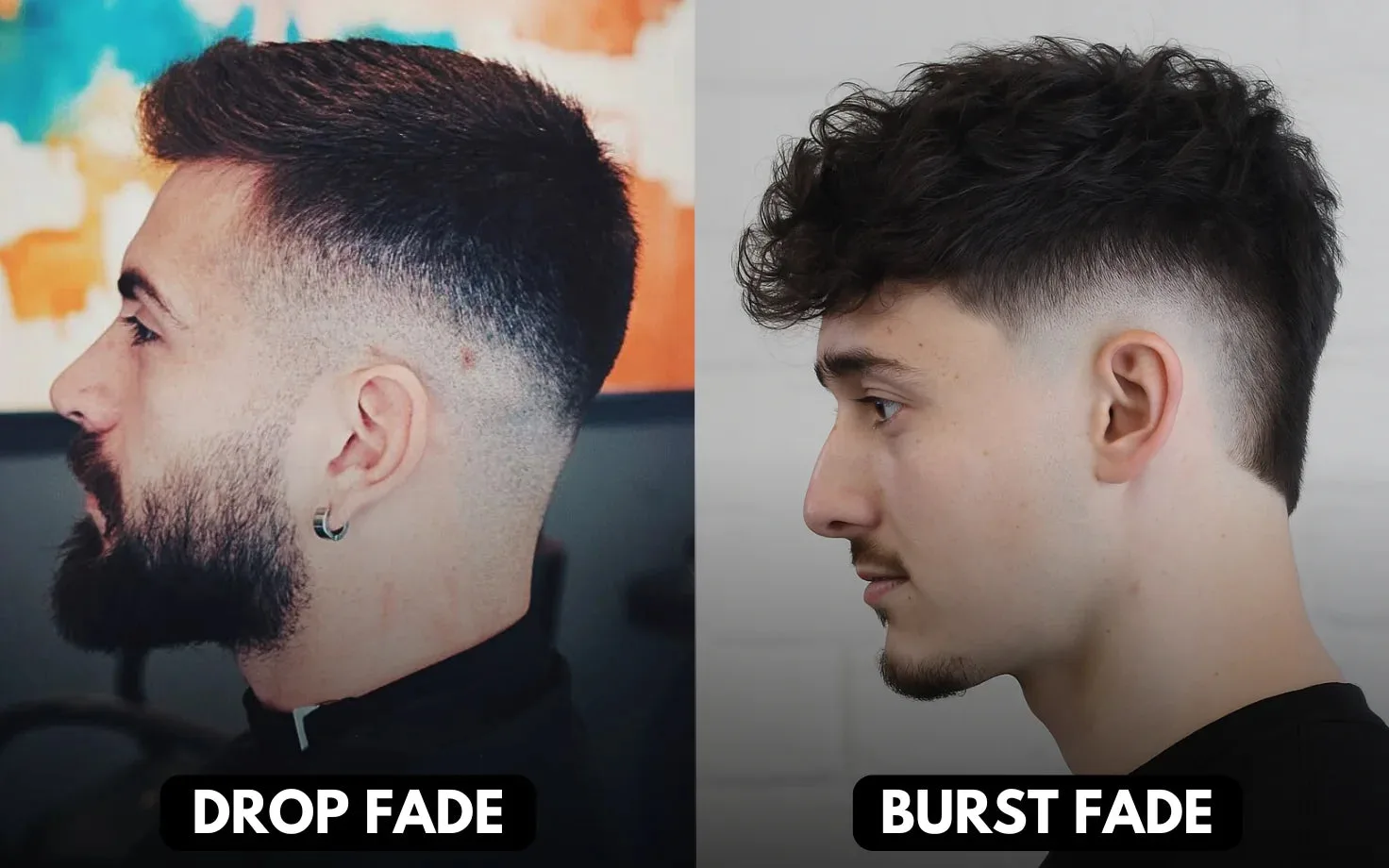
Clarify that you want a taper, not a full circumferential fade. A standard drop fade cuts the hair short all the way around the head in a dropped arc. A drop taper only cuts down to skin at two disconnected zones: the sideburns and the bottom nape.
2. Define the Baseline Guard and Skin Exposure
Tell your barber how short you want the shortest point of the blend:
- Skin/Bald Drop Taper: Uses a foil shaver or open razor at the lowest points for absolute contrast.
- #0 or #0.5 Guard: Leaves minimal stubble, providing a softer transition for sensitive skin prone to razor bumps or pseudofolliculitis barbae.
- #1 to #2 Guard: Ideal for conservative settings where no bare scalp should show.
3. Direct the Temple Line (C-Cups) and Hairline
- Keep It Natural: Preserves your natural temple shape with light cleaning.
- Sharp Line-Up (Shape-Up): Asks the barber to use trimmers to create razor-sharp vertical lines at the temples and defined curves (C-cups) around the sideburn junction.
4. Specify Nape Finishing
- Tapered Nape: The default for a drop taper; fades to skin at the bottom base of the neck.
- Block or Round Nape: Not recommended for tapers, as harsh lines defeat the purpose of a soft faded perimeter.
Step-by-Step Technical Barbering Process
For barbers, apprentices, or DIY enthusiasts, executing a drop taper fade requires systematic guard work and precise lever control to establish clean guide lines that follow the head shape.
- Step 1: Baseline: Set bald guide line at temple & nape with trimmer.
- Step 2: Drop Line: Carve curved drop guideline behind ear (#1 or #2).
- Step 3: De-bulk: Clipper-over-comb to integrate parietal ridge bulk.
- Step 4: Lever Work: Flick out lines using closed-to-open lever steps.
- Step 5: Detail: Detail edges using trimmer corners and razor finish.
Step 1: Setting the Guideline
- Using detail trimmers, set the initial bald guideline at the sideburn area (temple) and at the lowest edge of the nape.
- Ensure the rear guideline dips down below the occipital bone in an even arc rather than running flat across the neck.
Step 2: Debulking the Transition Area
- Use a #2 or #3 guard with the clipper lever fully open to clear out excess bulk above the guideline.
- Establish the transition point where the fade meets the longer hair on top and behind the ear.
Step 3: Creating Guidelines and Lever Play
- Open Lever (#0 Open): Move up approximately half an inch above the bald line.
- #1 Guard (Closed to Open): Create the next level of elevation, maintaining the curved drop shape behind the ear.
- #0.5 Guard / Lever Adjustments: Use the corner of the clipper blade to flick out the intermediate line between the skin zero and the #1 guard.
Step 4: Clipper-Over-Comb and Detailing
- Use a barber comb and clipper-over-comb technique to smooth the transition between the parietal ridge bulk and the top of the drop taper.
- Clean up the C-cups at the temples using detail trimmers and polish the lower skin transition with a foil shaver for maximum contrast.
Maintenance, Upkeep, and Daily Styling Protocol
Maintaining a sharp drop taper fade requires consistent home care and a structured barbershop schedule. Because the blended areas at the sideburns and neck grow out quickly, edge definition degrades faster than the overall haircut length.
Barbershop Visit Frequency
To maintain a crisp skin blend, schedule a lineup or taper touch-up every 10 to 14 days. Full haircut services—including top-length trimming and debulking—are typically required every 3 to 4 weeks.
Daily Maintenance Workflow by Hair Type
- Straight to Wavy Hair: Apply a light sea salt spray to damp hair, blow-dry upward to create volume over the crown, and finish with a nickel-sized dab of matte clay or paste for natural texture without shine.
- Curly and Coily Hair: Hydrate daily with a leave-in conditioner or hair oil (such as argan or jojoba). Apply a curl-defining cream or curl sponge in circular motions to define top volume while keeping the tapered edges sleek.
- Short Textured Crops: Work a medium-hold matte pomade evenly through dry hair, pushing the top forward while styling the fringe downward.
Edge Preservation and Nighttime Care
- Use Silk/Satin Pillowcases or Durags: For curly, coily, or wave-patterned hair, sleeping with a durag or satin bonnet prevents friction from fuzzing out the tapered sideburns and nape.
- Skin Care at the Nape: Prevent neck bumps by applying an alcohol-free splash or tea tree post-shave balm to the faded nape area after workouts or hot showers.
- Home Edging (Caution): Avoid trimming inside your barber’s established blend lines at home. Only use a small personal trimmer to clear stray neck hairs below the main fade baseline.
Frequently Asked Questions
What is the difference between a drop fade and a drop taper fade?
A drop fade cuts the hair short completely around the sides and back in a continuous lowered arc behind the ears. A drop taper fade only fades the hair down to skin at the sideburns and nape, leaving the hair directly behind and above the ear longer.
How long does a drop taper fade last before needing a touch-up?
The clean contrast of a drop taper fade usually lasts between 1 to 2 weeks. After 14 days, natural hair growth fills in the skin areas around the temples and nape, requiring a barber lineup to restore the crisp perimeter.
Is a drop taper fade suitable for professional or corporate settings?
Yes, a low or mid drop taper fade is highly suited for professional environments. Because it retains length around the ears and upper sides, it appears more conservative and structured than a full skin fade while keeping the edges neatly groomed.
Can you get a drop taper fade with long hair or braids?
Yes, drop tapers are extremely popular when paired with long tops, man buns, dreadlocks, or protective braid styles. The drop taper cleans up the hairline and nape perimeter without taking away from the length or density of the main style.
Does a drop taper fade work well on thin or receding hair?
A low-to-mid drop taper fade can benefit thinning hair by adding visual structure. By tightening the perimeter around the temples and neck, it creates an optical illusion of greater volume and density on the top and upper sides.
Final Style Recommendations
The drop taper fade remains one of the most versatile and timeless haircut choices in modern barbering. Its ability to follow the natural contours of the skull makes it flatteringly adaptable to virtually every face shape, hair density, and lifestyle requirement. Whether paired with tight natural coils, a textured crop, or a sweeping pompadour, the key to a successful drop taper lies in clear communication with your barber regarding drop height, skin exposure, and guard lengths. Maintain your cut with regular edge touch-ups every two weeks to preserve its clean silhouette and distinct profile.
Image Gallery