Complete Guide to LA Times Newspaper Obituaries in 2026
Accessing and publishing Los Angeles Times newspaper obituaries involves navigating a structured digital and print archive managed by the historic publication. Whether you need to research historical records dating back decades or subm...
Accessing and publishing Los Angeles Times newspaper obituaries involves navigating a structured digital and print archive managed by the historic publication. Whether you need to research historical records dating back decades or submit a contemporary notice for a loved one, understanding the proper submission portals, direct archives, and verification standards ensures accurate commemoration within Southern California's primary metropolitan journal.
Contents
Understanding the Evolution of LA Times Obituaries
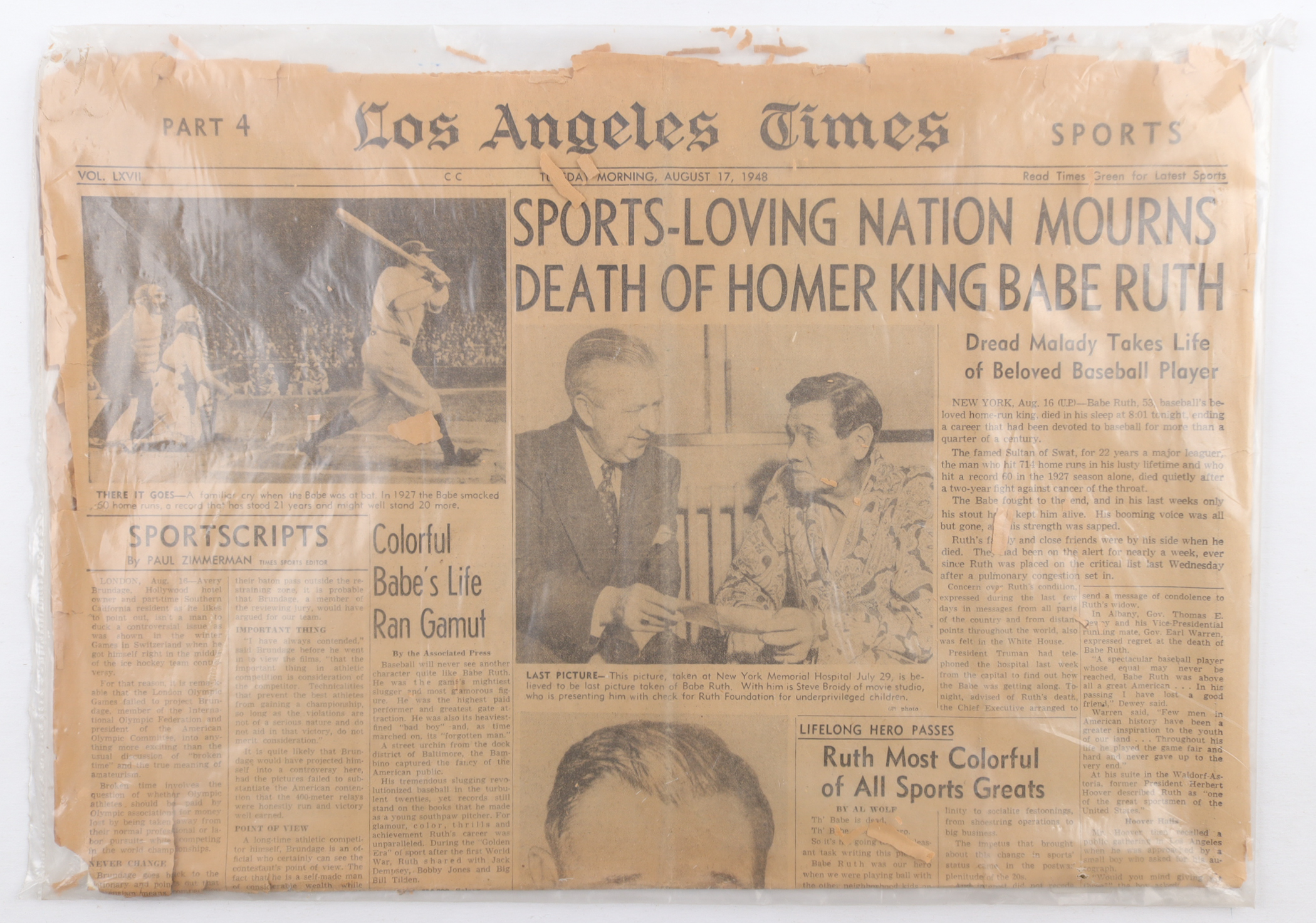
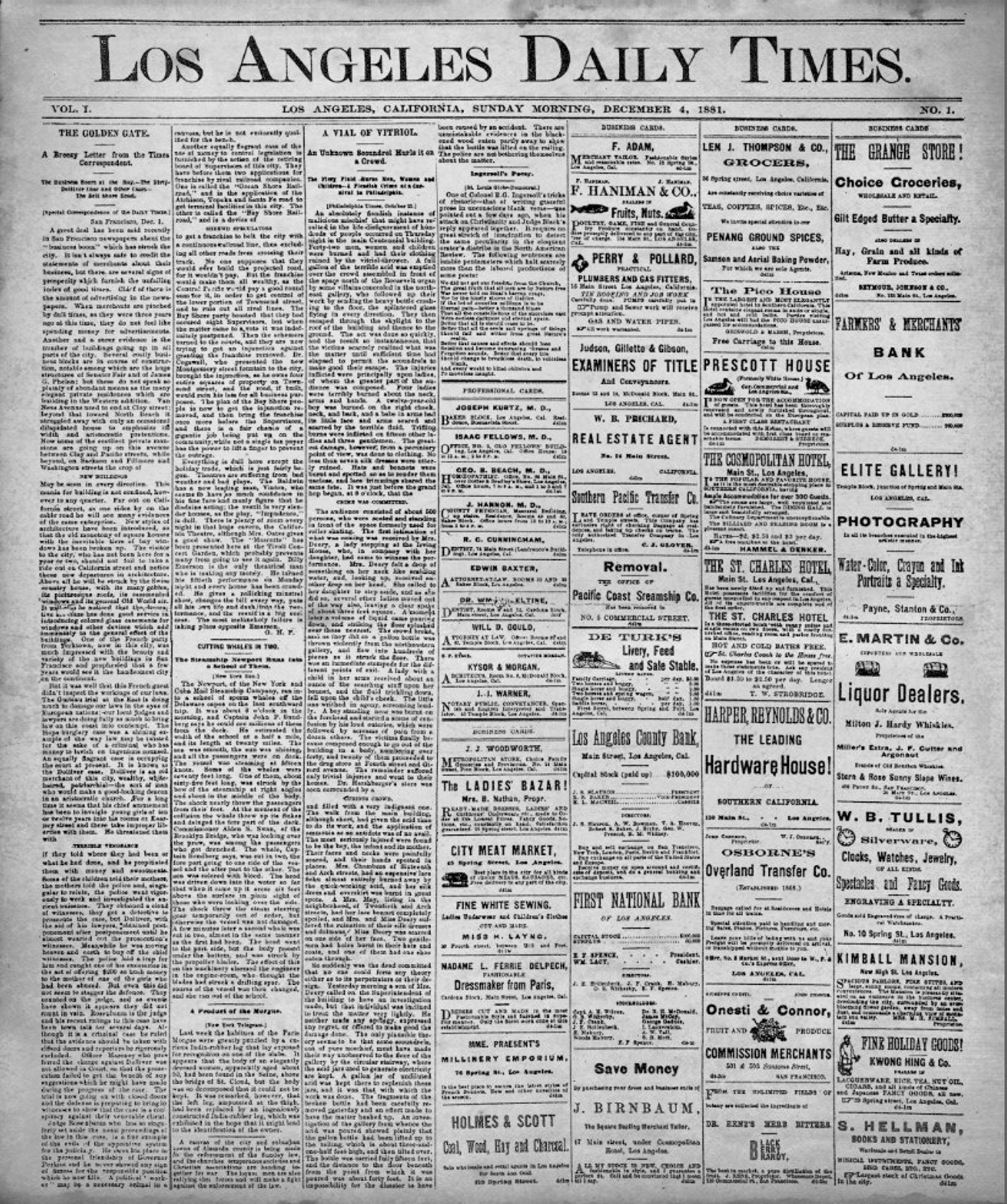
The Los Angeles Times has documented the lives and passings of Southern California residents, public figures, and historical icons since its founding in 1881. Over more than a century of publishing, the method of preserving and sharing these records has transformed significantly. Traditional print pages remain a cornerstone of local heritage, but modern digital infrastructure has redefined how families publish notices and how researchers access archival data.
In the current publishing landscape, the Los Angeles Times integrates its obituary services with nationwide digital networks while maintaining distinct regional protocols. Recognizing the difference between a death notice, a traditional obituary, and a historical archive record is essential for anyone navigating the publication's systems.
- Death Notices: Brief, factual announcements containing the name of the deceased, age, date of passing, and basic service or visitation arrangements. These are paid notices traditionally priced by the line or character count.
- Obituaries: Comprehensive journalistic or family-submitted profiles that detail a person's life history, career achievements, surviving family members, and personal philosophy. These offer broader narrative freedom.
- Archival Records: Digitized scans and text transcripts of historical notices published in the physical newspaper, preserved for genealogical research and historical verification.
How to Search Historical and Modern LA Times Obituaries
Conducting genealogical research or locating a specific notice published in the Los Angeles Times requires utilizing specialized digital repositories. Because the newspaper has changed ownership and digital vendors over the years, multiple pathways exist depending on the publication date.
For contemporary notices published within the last several years, the official Los Angeles Times legacy portal serves as the primary index. This database syncs directly with national death registries and funeral home submission software. For historical research dating back to the late 19th century, researchers must rely on digitized newspaper archives.
Step-by-Step Research Workflow
- Identify the Subject Details: Gather the full legal name of the individual, approximate year of passing, maiden names if applicable, and potential city of residence within Southern California.
- Determine the Publication Window: Establish whether the notice appeared recently or decades ago, as this dictates which database holds the records.
- Access Authorized Archives: Use academic libraries, public library systems with digital subscriptions (such as ProQuest or Newspapers.com), or the official LA Times archive.
- Execute Advanced Boolean Searches: Apply quotation marks around full names and utilize date range filters to narrow down results from thousands of potential matches.
- Cross-Reference with Vital Statistics: Verify obituary details against California Department of Public Health vital records, social security death indexes, or local cemetery plot maps when discrepancies arise.
Submitting an Obituary or Death Notice to the LA Times
Submitting a notice to the Los Angeles Times requires adherence to strict editorial guidelines, formatting standards, and strict daily deadlines. Families can submit notices independently through self-service digital portals or coordinate through licensed mortuaries and funeral directors who manage the paperwork on behalf of the bereaved.
Navigating the submission process efficiently prevents costly publication delays or typographical errors in print. The newspaper enforces specific verification protocols to prevent fraudulent postings, requiring proof of death or direct authorization from the handling funeral home.
Key Requirements for Successful Submission
| Parameter | Standard Requirement |
|---|---|
| Verification | Direct confirmation from a licensed funeral home, crematory, or valid medical certificate of death. |
| Deadlines | Typically requires submission 24 to 48 hours prior to the desired publication date, with early cutoffs for Sunday editions. |
| Content Guidelines | Prohibition of hate speech, unverified claims, inappropriate language, and strict adherence to copyright laws for submitted poetry or imagery. |
| Formatting | Standardized font sizing for print; optional inclusion of high-resolution photographs, company logos, or custom emblems. |
Pricing Structures, Dimensions, and Placement Options
Publishing a notice in a major metropolitan newspaper like the Los Angeles Times involves financial considerations based on the format, length, and geographic reach. Understanding how pricing is calculated helps families manage budgets during challenging times.
Print advertisements are typically billed by column inch, word count, or flat-rate tier packages that bundle print and digital placement. Digital-only packages offer broader longevity through permanent online hosting, whereas print editions provide a tangible, archival keepsake.
- Print and Digital Bundles: These comprehensive packages place the notice in the physical newspaper circulating across Southern California while simultaneously publishing an interactive online memorial page where friends and family can light virtual candles, share condolences, and upload photo galleries.
- Digital-Only Tiers: Cost-effective options for families who prefer not to purchase physical column space but still wish to utilize the credibility and search visibility of the LA Times digital platform.
- Featured Placements: Premium upgrades that ensure the obituary appears prominently at the top of digital search feeds or receives specialized graphic framing within the print layout.
Comparing LA Times Obituary Options and Independent Alternatives
When deciding how to announce a passing in Southern California, families often weigh the Los Angeles Times against hyper-local community newspapers or independent digital memorial platforms. Each option carries distinct advantages regarding audience reach, cost, and historical preservation.
| Platform Type | Primary Audience Reach | Cost Structure | Archival Permanence |
|---|---|---|---|
| Los Angeles Times (Print & Digital) | Regional (Southern California wide) & National digital audience | Premium / Tiered pricing based on length | Permanent institutional archive |
| Hyper-Local Community Papers | Specific neighborhoods or suburbs (e.g., San Fernando Valley, Long Beach) | Moderate | Varies by publisher |
| Independent Memorial Sites | Global (accessible via direct link) | Often free or low-cost hosting | Dependent on platform longevity |
| Social Media Announcements | Personal networks and mutual connections | Free | Subject to platform terms and privacy settings |
Frequently Asked Questions Regarding LA Times Obituaries
How can I find an obituary published in the LA Times from 50 years ago?
Historical notices from decades past are accessible through digital newspaper archives such as Newspapers.com, ProQuest Historical Newspapers, or via public library databases that maintain complete microfilm and digital scans of back issues. You will need the full name of the individual and an estimated date of death to locate the correct page.
What is the deadline to submit an obituary for the Sunday print edition?
Deadlines for the Sunday print edition of the Los Angeles Times are generally earlier in the week due to high circulation volume and advance section production, often falling on Thursday or Friday morning. It is critical to confirm exact daily cutoff times directly with the advertising department or your coordinating funeral director.
Can I include a photograph in a print LA Times obituary?
Yes, high-resolution photographs are accepted for both print and digital publication. The image must meet the technical specifications set by the publisher, typically requiring clear contrast, minimum pixel dimensions, and adherence to copyright guidelines. Additional fees may apply based on the physical size of the photo in the layout.
How do I correct an error in a published obituary?
If an error occurs in a published notice, contact the Los Angeles Times obituary customer service or advertising department immediately. Minor typographical errors introduced by the paper are usually corrected in subsequent print runs or updated instantly on the digital platform at no additional charge.
Do funeral homes handle the submission process automatically?
Most licensed mortuaries and funeral homes across Los Angeles County offer obituary coordination services as part of their comprehensive planning packages. They format the text, verify the death certificates, submit the materials directly to the newspaper portal, and bill the costs transparently on the final statement of funeral goods and services.
Are all online digital obituaries permanently archived?
Notices published through authorized digital partner networks of the Los Angeles Times remain archived indefinitely online, allowing future generations to access family histories. However, independent memorial websites created by third-party users may have expiration dates or rely on ongoing subscription renewals to maintain active hosting.
Conclusion and Next Steps
Navigating the process of researching or publishing a Los Angeles Times obituary requires careful attention to detail, adherence to strict publishing deadlines, and an understanding of available digital and print options. Whether you are preserving family genealogy through historical archives or honoring a recently departed loved one with a dignified notice, utilizing authorized channels ensures accuracy and lasting remembrance. To begin your search or submit a notice, visit the official Los Angeles Times legacy portal or consult your licensed funeral director to coordinate the paperwork seamlessly.
Image Gallery