How Much to Rent a U-Haul Trailer: 2026 Pricing and Complete Guide
Renting a U-Haul trailer typically costs between $14.95 and $44.95 for a local one-way or round-trip rental, excluding optional damage coverage, environmental fees, and equipment taxes. Total out-of-pocket expenses vary depending on tr...
Renting a U-Haul trailer typically costs between $14.95 and $44.95 for a local one-way or round-trip rental, excluding optional damage coverage, environmental fees, and equipment taxes. Total out-of-pocket expenses vary depending on trailer size, specific model specifications, and whether you choose a local or long-distance one-way journey.
Contents
Navigating a DIY move requires a clear understanding of equipment costs, vehicle towing capabilities, and structural requirements. U-Haul remains the most recognized name in consumer towing, offering everything from small enclosed cargo trailers to open car haulers. Securing the most cost-effective and safe towing experience involves analyzing equipment dimensions, vehicle compatibility, and additional fee structures.
Understanding U-Haul Trailer Rental Pricing Models
U-Haul structures its trailer rental rates based on two primary operational models: local round-trip rentals and long-distance one-way rentals. Unlike moving trucks, which often feature variable mileage fees alongside a base rate, trailers operate on fixed pricing for the duration of the agreed rental period.
Local round-trip rentals are usually booked for a set number of days—typically ranging from one to several days—allowing you to pick up the equipment at a neighborhood dealer and return it to the same location. One-way rentals are calculated based on the starting point, destination, and estimated mileage required for the specific route.
Base Rates by Trailer Type
| Trailer Type & Model | Estimated Local Base Rate | Best Suited For |
|---|---|---|
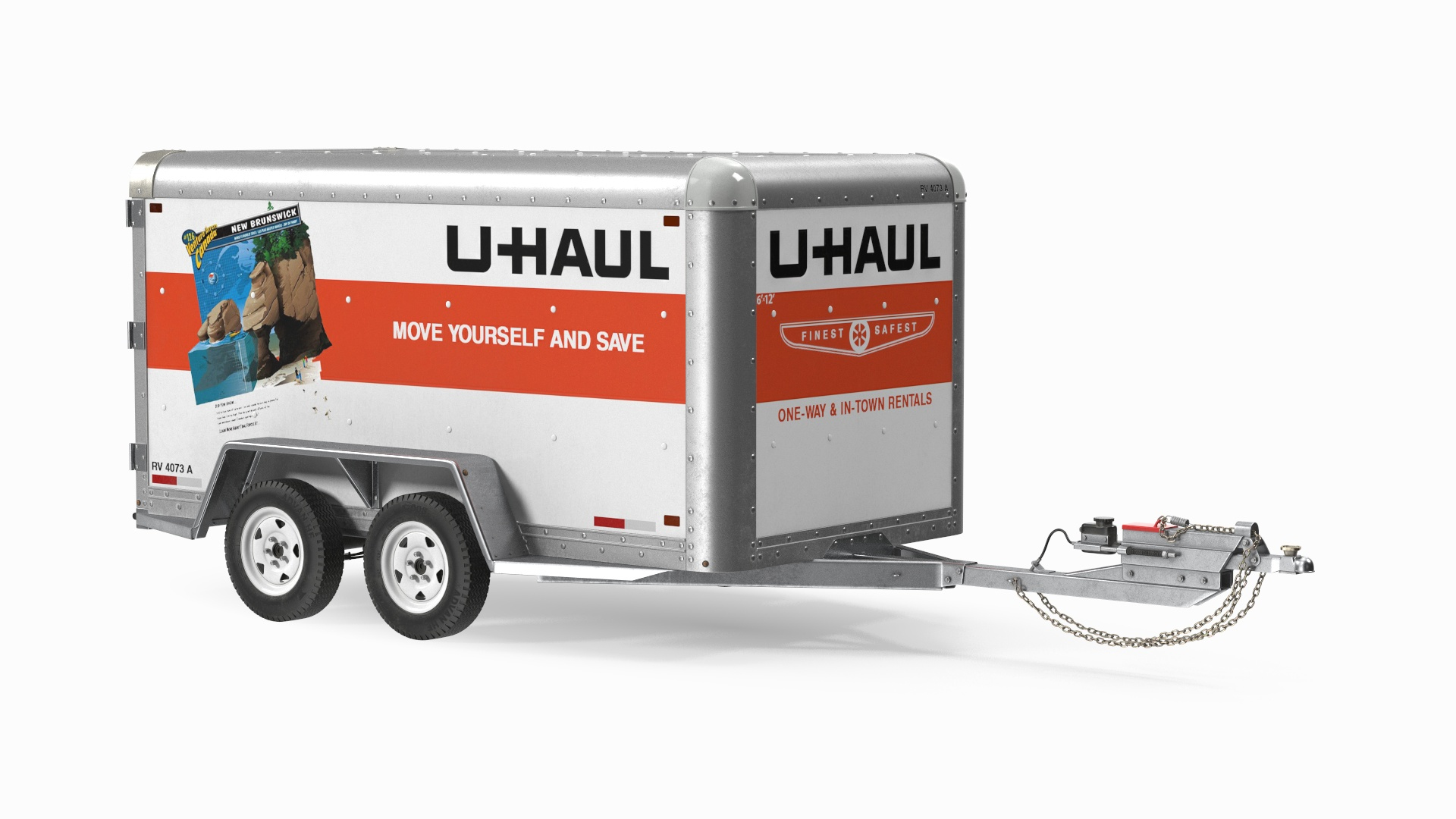
| 4x8 Cargo Trailer (Enclosed) | $14.95 - $19.95 | Small apartments, dorm rooms, weatherproof storage |
| 5x8 Cargo Trailer (Enclosed) | $24.95 - $29.95 | 1-2 bedroom apartments, bulky furniture, boxes |
| 5x10 Cargo Trailer (Enclosed) | $29.95 - $34.95 | Larger 2-bedroom homes, large appliances |
| 4x7 Utility Trailer (Open) | $14.95 - $18.95 | Yard waste, furniture, construction materials |
| 5x8 Utility Trailer (Open) | $22.95 - $26.95 | ATVs, motorcycles, oversized items |
| 6x12 Utility Trailer with Ramp | $39.95 - $44.95 | Large equipment, riding mowers, multi-room moves |
| Tow Dolly | $44.95 | Front-wheel-drive vehicle towing |
| Auto Transport (Full Trailer) | $54.95 - $79.95 | All-wheel, rear, or four-wheel-drive vehicle transport |
Note: Base rates represent starting averages for local rentals. One-way rates fluctuate based on supply, demand, and inventory repositioning costs across regions.
Hidden Costs and Additional Fees to Anticipate
While the baseline rental fee for a utility or cargo trailer appears modest, secondary expenses can impact the final budget. Factoring these line items into your moving calculations prevents unexpected costs at the rental counter.
Damage Coverage and Protection Plans
U-Haul offers Safemove and specialized trailer protection packages. While optional, these plans shield you from financial liability in the event of accidental damage, theft, or weather-related incidents.
- Coverage Cost: Typically ranges from $5 to $15 per rental day.
- Exclusions: Review policy fine print regarding tire damage, overhead clearance collisions, and backing accidents, as certain misuse scenarios may void coverage.
Taxes, Environmental Fees, and State Surcharges
Local and state jurisdictions frequently apply specific sales tax percentages to rental equipment. Additionally, many locations assess small environmental or regulatory compliance fees, generally ranging from $1.00 to $5.00 per transaction.
Late Return and Equipment Cleaning Fees
Returning a trailer past the agreed-upon date and time results in automatic daily late charges, often equal to or exceeding the daily base rate. Similarly, leaving excessive debris, trash, or unmanaged materials inside a cargo or utility trailer triggers a cleaning fee.
Verifying Vehicle Compatibility and Towing Requirements
Before reserving a U-Haul trailer, you must verify that your personal towing vehicle meets structural and mechanical standards. U-Haul adheres to strict safety protocols and will not rent equipment if your vehicle fails to satisfy safety requirements.
Hitch Class and Ball Mount Specifications
Every trailer requires a properly rated hitch receiver, ball mount, and hitch ball.
- Hitch Class: Class I hitches handle up to 2,000 lbs (suitable for small cargo trailers), Class II handles up to 3,500 lbs, and Class III or IV are required for heavy utility trailers and auto transports.
- Ball Size: Most smaller U-Haul trailers require a 1-7/8-inch or 2-inch ball. Larger auto transports and specific tandem-axle utility trailers strictly require a 2-inch ball.
- Lighting Connection: Your vehicle must feature a functioning lighting hookup, typically a standard 4-way flat plug, to power the trailer's brake lights, turn signals, and running lights.
Vehicle Weight Ratings and Gross Combined Weight
Your vehicle's Gross Vehicle Weight Rating (GVWR) and towing capacity must safely exceed the combined weight of the trailer and its maximum cargo capacity. Attempting to tow an overloaded trailer with an underpowered crossover or small sedan strains the transmission, compromises braking ability, and violates highway safety regulations.
Step-by-Step Guide to Reserving and Picking Up Your Trailer
Executing a smooth trailer rental relies on proper preparation, accurate reservation timelines, and a thorough physical inspection during pickup.
Step 1: Calculate Your Space and Weight Requirements
Assess the volume of your belongings or the exact curb weight of the vehicle you intend to transport. Select a trailer size that leaves a safety margin rather than packing equipment to absolute capacity.
Step 2: Inspect Your Towing Vehicle Setup
Ensure your vehicle has an installed hitch receiver, compatible wiring harness, and a securely bolted hitch ball of the correct diameter. Test all running lights and turn signals prior to departure.
Step 3: Complete the Online or In-Person Reservation
Book your equipment through the U-Haul reservation portal. Select your pickup location, desired date, and equipment class. Provide your vehicle year, make, and model to pass U-Haul's automated compatibility verification.
Step 4: Attend the On-Site Safety Inspection
During pickup, U-Haul technicians or authorized dealers inspect your vehicle's hitch setup. They assist in physically coupling the trailer to your hitch, securing safety chains, locking the coupler latch, and plugging in the lighting harness.
Step 5: Perform a Pre-Departure Walkaround
Verify that the tongue jack is fully retracted and locked in the travel position, safety chains are crossed beneath the tongue to cradle it if disconnected, and all cargo is evenly distributed and tied down securely.
Pros and Cons of Renting a U-Haul Trailer
Weighing the advantages and drawbacks of trailer rentals helps determine whether towing equipment is superior to driving a box truck or hiring professional movers.
Advantages
- Cost-Effective: Significantly cheaper than renting a full-sized 20-foot or 26-foot moving truck.
- Keep Your Vehicle: Allows you to drive your own familiar, comfortable personal vehicle while towing your possessions.
- Versatility: Wide selection of enclosed cargo boxes, open utility decks, and dedicated vehicle haulers.
- Unloading Convenience: Enclosed cargo trailers can often remain parked at your destination for days, serving as temporary on-site storage containers.
Disadvantages
- Towing Complexity: Backing up a trailer requires practice and spatial awareness, presenting challenges for inexperienced drivers.
- Speed Restrictions: Many states enforce lower speed limits for vehicles towing trailers, and handling dynamics change significantly in high winds.
- Vehicle Strain: Towing increases engine temperature, reduces fuel economy, and accelerates wear on your personal vehicle's transmission and brakes.
- Hitch Requirements: Requires out-of-pocket installation of a hitch receiver and wiring if your vehicle lacks factory towing equipment.
Frequently Asked Questions
How much does it cost to rent a U-Haul trailer for a one-way long-distance move?
One-way U-Haul trailer rentals generally cost between $100 and $400+. Pricing is calculated based on the distance between the origin and destination cities, overall inventory supply, and seasonal demand.
Can any car tow a U-Haul cargo trailer?
No. Your vehicle must be equipped with an appropriate hitch system, adequate towing capacity, and a working lighting harness. U-Haul staff verify vehicle specifications during checkout and will refuse rentals to vehicles lacking proper towing equipment or structural capacity.
Do I need insurance when renting a U-Haul trailer?
Insurance is optional, but U-Haul offers Safemove damage protection for a nominal daily fee. Some personal auto insurance policies extend liability and physical damage coverage to towed rental trailers, but checking with your provider beforehand is recommended.
What size trailer do I need for a one-bedroom apartment?
A 5x8 or 5x10 enclosed cargo trailer is typically ideal for a standard one-bedroom apartment. These sizes accommodate mattresses, couches, dressers, and numerous standard moving boxes while protecting items from weather elements.
Are tie-down straps included with a U-Haul trailer rental?
No. U-Haul trailers feature interior anchor points or stake pockets, but you must supply your own ratchet straps, ropes, and moving blankets to secure your cargo safely during transit.
How fast can I drive while towing a U-Haul trailer?
You should adhere to all posted state and local highway speed limits, but it is generally recommended not to exceed 55 to 60 miles per hour when towing heavy equipment to maintain stability and safe stopping distances.
Securing Your Equipment
Reserve your trailer online well in advance of peak moving weekends, the end of the month, and academic move-in periods to guarantee equipment availability at your preferred neighborhood location. Inspect all connection points, tire pressures, and cargo loads before embarking on your trip to ensure a secure, stress-free move.
Image Gallery