UCSF Benioff Children's Hospital Oakland Jobs: Career Guide and Hiring Process
Employment at UCSF Benioff Children's Hospital Oakland encompasses clinical, research, and administrative roles within Northern California's premier Level 1 Pediatric Trauma Center. Job seekers must apply directly through the official...
Employment at UCSF Benioff Children's Hospital Oakland encompasses clinical, research, and administrative roles within Northern California's premier Level 1 Pediatric Trauma Center. Job seekers must apply directly through the official UCSF Health careers portal, filtering for Oakland campus positions across specialized pediatric nursing, allied health, research, and hospital operations.
Contents
Institutional Context: Careers at UCSF Benioff Children's Hospital Oakland
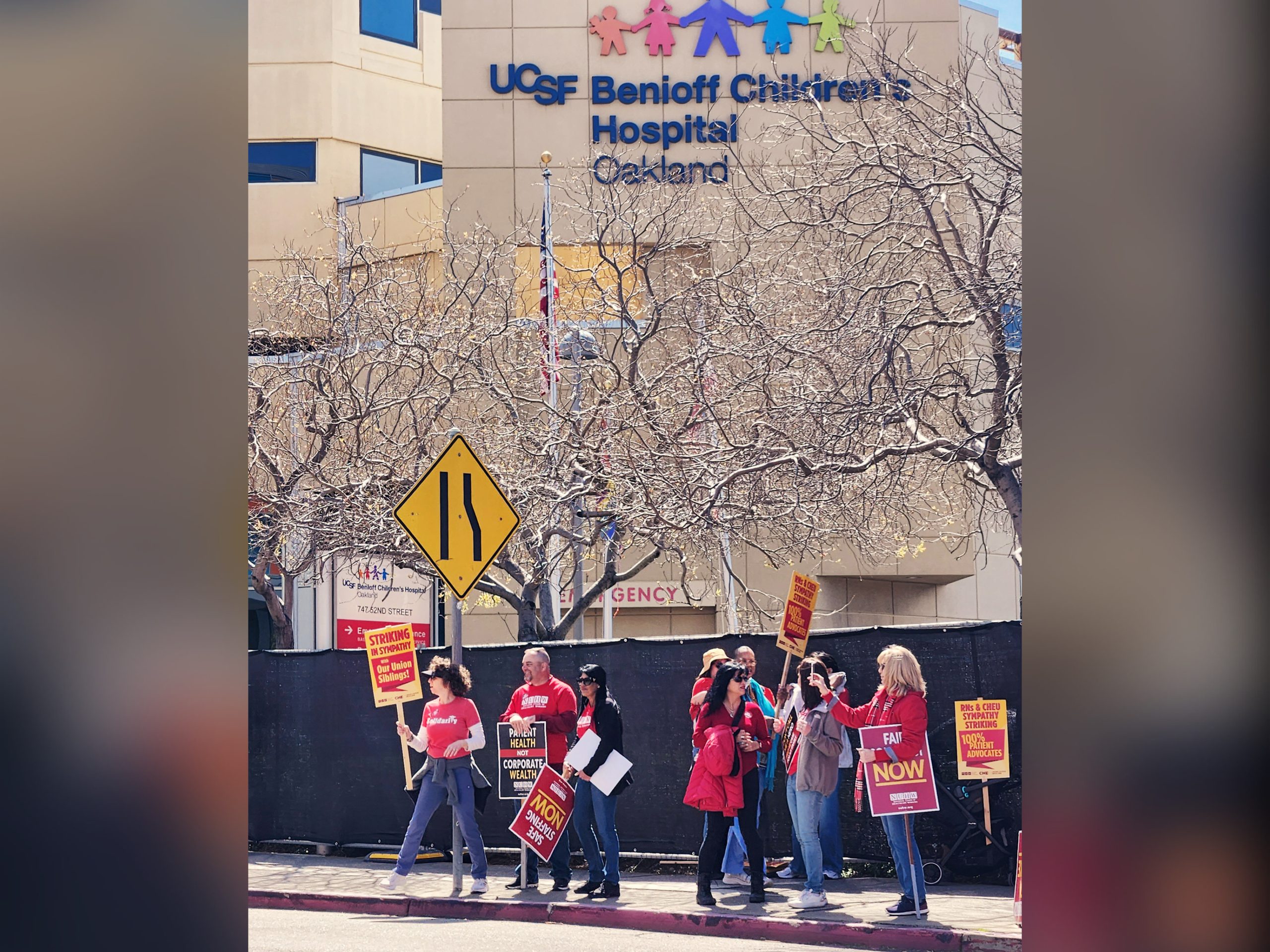
UCSF Benioff Children's Hospital Oakland (located at 747 52nd Street, Oakland, CA) operates as a major pediatric medical center in the East Bay, integrated with the UCSF Health system. Recognized for high-acuity pediatric care, the facility houses one of only two dedicated Level 1 Pediatric Trauma Centers in Northern California.
Candidates searching for positions at this location should understand that employment is managed under the broader University of California (UC) administrative umbrella. Positions reflect UC employment policies, state-mandated staffing standards, and competitive public system benefits. The hospital includes specialized inpatient units, outpatient specialty clinics spread throughout Northern California, and dedicated clinical research infrastructure via the UCSF Benioff Children's Hospital Oakland Research Institute.
Key Career Pathways and Clinical Specialties
Positions at the Oakland campus span direct bedside care, advanced practice roles, diagnostic services, scientific research, and health system administration.
1. Nursing Careers (RN, APRN, Clinical Nurse Specialists)
Registered nurses represent the largest employee cohort at the facility. Clinical units require specialized pediatric competencies:
- Pediatric Intensive Care Unit (PICU): High-acuity critical care management for multi-organ failure, complex surgical recovery, and trauma cases.
- Neonatal Intensive Care Unit (NICU): Level IV NICU care providing surgical intervention and advanced respiratory support for micro-preemies and critically ill newborns.
- Pediatric Emergency Department & Trauma Center: Emergency nursing handling severe trauma, resuscitation, and urgent pediatric conditions.
- Critical Care Transport Team: Flight and ground transport nurses specializing in pediatric and neonatal stabilizing care during inter-facility transfers.
- Hematology/Oncology: Outpatient and inpatient oncology nursing focusing on bone marrow transplants, gene therapy (including groundbreaking sickle cell disease treatments), and chemotherapy administration.
2. Allied Health and Clinical Support
- Respiratory Therapy: Registered Respiratory Therapists (RRTs) trained in pediatric ventilator management, high-frequency oscillatory ventilation, and inhaled nitric oxide delivery.
- Child Life & Integrative Therapy: Certified Child Life Specialists (CCLS) who provide therapeutic play, procedure preparation, and developmental support to reduce hospital-induced trauma.
- Diagnostic Imaging & Laboratory Services: Pediatric radiologic technologists, sonographers, MRI technologists, and clinical laboratory scientists.
- Rehabilitation Services: Pediatric Physical Therapists (PT), Occupational Therapists (OT), and Speech-Language Pathologists (SLP) specializing in early intervention and acute rehab.
3. Scientific and Clinical Research (CHORI)
The UCSF Benioff Children's Hospital Oakland Research Institute supports basic, translational, and clinical research. Key employment avenues include:
- Clinical Research Coordinators (CRC): Managing patient recruitment, IRB compliance, and trial execution.
- Postdoctoral Fellows and Principal Investigators: Focused on genetics, hematology, infectious diseases, and nutritional sciences.
- Laboratory Technicians & Bioinformaticians: Processing biological samples and analyzing complex genomic datasets.
4. Healthcare Administration and Operational Support
- Patient Care Associates & Unit Coordinators: Front-line administrative support managing unit workflows, patient scheduling, and communications.
- Revenue Cycle & Health Information Management: Certified coders, patient financial advisors, and medical records specialists.
- Facilities, Environmental Services, and Security: Supporting hospital physical plant operations, infection control cleaning standards, and campus safety.
Mandatory Credentials, Licensing, and Compliance Requirements
Healthcare roles in California demand strict adherence to state credentialing standards and hospital health clearances. Candidates must meet all requirements prior to their start date:
Clinical Licensing Verification All registered nurses, advanced practice providers, physicians, and allied health professionals must hold active, unencumbered licensure issued by their respective California state boards (such as the California Board of Registered Nursing or the Respiratory Care Board of California). Verification occurs automatically through primary source databases during pre-employment credentialing.
Life Support and Specialty Certifications
- Basic Life Support (BLS): Mandatory across all patient-facing roles, strictly certified via the American Heart Association (AHA).
- Pediatric Advanced Life Support (PALS): Required for emergency, critical care, sedation, and acute care nursing staff.
- Neonatal Resuscitation Program (NRP): Mandatory for all NICU staff, delivery room transport teams, and neonatal specialists.
- Specialty Board Certifications: Advanced practice staff and clinical leads often require specialized credentials such as Certified Pediatric Nurse (CPN), Certified Pediatric Hematology Oncology Nurse (CPHON), or Critical Care Registered Nurse (CCRN-Pediatric).
Pre-Employment Health Clearance
Under California Department of Public Health (CDPH) regulations and UC Health policies, all prospective employees must pass a comprehensive health screening before clearance is granted. This includes:
- Immunization Verification: Documented immunity or vaccination for Measles, Mumps, Rubella (MMR), Varicella, Hepatitis B, Tdap, annual Influenza, and COVID-19 compliance per current UC policy.
- Tuberculosis (TB) Screening: Baseline two-step TST (Tuberculin Skin Test) or IGRA blood draw (QuantiFERON-TB Gold).
- Drug Screening & Background Check: Background check covering state/federal criminal records, sex offender registries, and HHS/OIG exclusion lists, alongside a standard pre-employment drug panel.
Comprehensive Position Overview and Requirements
The following matrix outlines primary job categories at the Oakland campus, listing standard qualifications, associated bargaining units, and target application criteria.
| Job Category | Minimum Educational & Licensing Requirements | Key Certifications Required | Typical Bargaining Unit / Union | Primary Work Settings |
|---|---|---|---|---|
| Pediatric Registered Nurse (RN) | BSN preferred (ADN with BSN completion agreement); Active CA RN License | AHA BLS, PALS (Unit dependent: NRP, CCRN) | California Nurses Association (CNA) | Inpatient Units (PICU, NICU, Med-Surg), ED, OR |
| Advanced Practice Registered Nurse (NP / CNS) | Master's or Doctorate in Nursing (MSN/DNP); CA APRN & Furnishing License | National Board Certification (e.g., CPNP-AC/PC), AHA BLS, PALS | Professional & Technical Employees (UPTE) / Non-Represented | Specialty Clinics, Inpatient Attending Teams |
| Respiratory Care Practitioner (RRT) | Associate or Bachelor's in Respiratory Therapy; CA RCP License | RRT credential, AHA BLS, PALS, NRP | UPTE-CWA / SEIU Local 1021 | PICU, NICU, Emergency Dept, Pulmonary Clinic |
| Certified Child Life Specialist | Bachelor's or Master's in Child Development or Child Life; CCLS Credential | Certified Child Life Specialist (CCLS), AHA BLS | Non-Represented / Professional Unit | Inpatient Wards, Outpatient Infusion, Radiology |
| Clinical Laboratory Scientist (CLS) | Bachelor's degree in Medical Technology/Biological Science; CA CLS License | CA CLS Generalist or Specialist License | UPTE-CWA | Central Clinical Lab, Blood Bank, Hematology Lab |
| Patient Care Associate (PCA) / CNA | High School Diploma/GED; Certified Nursing Assistant (CNA) preferred | AHA BLS Certification | AFSCME Local 3299 / SEIU Local 1021 | Inpatient Units, Emergency Department |
| Clinical Research Coordinator | Bachelor's Degree in Life Sciences or related field; SOCRA/ACRP preferred | CCRC / CCRP (Preferred for Senior roles) | Professional & Technical Employees (UPTE) | CHORI Research Labs, Clinical Trials Office |
| Medical Unit Coordinator / Admin | High School Diploma (Associate degree preferred); Healthcare admin experience | Medical Terminology Certificate (Preferred) | AFSCME / Clerical Units | Clinic Reception, Unit Desks, Patient Access |
Step-by-Step Application and Hiring Process
Securing a position at UCSF Benioff Children's Hospital Oakland requires navigating the University of California recruitment workflow.
- Search UCSF Careers Portal
- Submit Online Application & Resume
- ATS & HR Recruiter Screening
- Hiring Manager & Peer Panel Interviews
- Conditional Job Offer Issued
- Background Check, Health Clearance & Credentialing
- UC System Onboarding & New Employee Orientation
Step 1: Navigating the Job Portal
All external and internal postings are listed on the official UCSF careers site. Applicants should utilize search filters to target Oakland-specific requisitions:
- Location Filter: Select "Oakland" or "UCSF Benioff Children's Hospital Oakland" to exclude roles located exclusively across the bay at San Francisco locations (Parnassus, Mission Bay, or Mount Zion).
- Job Requisition Numbers: Each posting carries a unique requisition ID. Note this ID for tracking communications with talent acquisition specialists.
Step 2: Optimizing Applications for Applicant Tracking Systems (ATS)
The UC recruitment system uses automated screening tools to evaluate candidate submissions against position descriptions.
- Mirror specific terminology from the official job description (e.g., "Level 1 Pediatric Trauma," "Epic Systems," "Pediatric Continuous Renal Replacement Therapy [CRRT]").
- Tailor resumes to explicitly display licensure numbers, certification expiration dates, and exact clinical hour ratios (e.g., patient-to-nurse ratios, bed size of previous units).
Step 3: The Interview Process
The selection process generally consists of multiple stages:
- Initial Recruiter Phone Screen: Verifies basic qualifications, salary expectations, scheduling availability, and clear licensure status.
- Hiring Manager & Clinical Panel Interviews: Candidates undergo interviews with unit managers, clinical nurse specialists, staff nurses, or multidisciplinary team members. Clinical roles often include scenario-based questions assessing pediatric triage, critical thinking, emergency response, and patient family-centered care values.
- Behavioral Assessment: Questions follow the STAR method (Situation, Task, Action, Result), focusing on communication, de-escalation, equity, and team collaboration.
Step 4: Conditional Offer and Pre-Boarding Clearance
Upon receiving a conditional job offer, candidates enter the compliance phase:
- Primary Source Verification: Verification of educational degrees, state licenses, certifications, and past employment history.
- Occupational Health Visit: Scheduling an in-person health appointment for drug testing, blood titers, TB clearance, and respirator fit testing (N95 mask fitting).
- Background Clearance: Processing fingerprints via Live Scan for state and federal background checks.
Compensation Structure, UC Benefits, and Union Representation
As part of the University of California health system, employees at the Oakland campus receive competitive compensation packages aligned with regional Bay Area standards and collective bargaining agreements.
Benefit Offerings
- UC Retirement Plan (UCRP): Defined benefit pension plan providing lifetime retirement income based on age, service credit, and final average pay, alongside optional 403(b) and 457(b) tax-deferred retirement savings plans.
- Comprehensive Healthcare Coverage: Comprehensive selection of medical plans (including UC Care PPO, Kaiser Permanente HMO, and UC Blue & Gold HMO), along with low-deductible dental and vision coverage for employees and eligible dependents.
- Paid Time Off (PTO) & Holidays: Generous vacation accrual, sick leave, and paid university holidays.
- Tuition Assistance and Professional Development: Financial support for continuing education, specialty certification reimbursements, and access to internal leadership training programs.
- Public Service Loan Forgiveness (PSLF): As an employee of a public university hospital system (a qualifying non-profit/governmental institution), full-time staff members may qualify for federal PSLF program benefits.
Bargaining Units and Unions
A significant portion of non-exempt and clinical staff at UCSF Benioff Children's Hospital Oakland is represented by labor unions. Collective bargaining agreements dictate wage scales, step progressions, overtime rules, shift differentials, and working conditions:
- California Nurses Association (CNA): Represents registered nurses, establishing standardized pay grids based on years of experience and enforcing mandatory nurse-to-patient staffing ratios.
- University Professional and Technical Employees (UPTE-CWA): Represents clinical lab scientists, technologists, social workers, and specialized technical staff.
- SEIU Local 1021 / AFSCME Local 3299: Represents service workers, patient care support staff, clerical teams, and facility maintenance personnel.
Frequently Asked Questions
Where do I apply for official open jobs at Children's Hospital Oakland?
Applications must be submitted online through the UCSF Health careers website. Filter job listings by choosing "Oakland" as the primary location to view positions specific to the 52nd Street hospital campus, outpatient centers, and CHORI.
Is UCSF Benioff Children's Hospital Oakland a public or private employer?
Positions at UCSF Benioff Children's Hospital Oakland fall under the University of California system. Employees are public university health system workers, providing access to UC system retirement options and public sector loan forgiveness eligibility.
Do clinical staff members qualify for Public Service Loan Forgiveness (PSLF)?
Yes. Because UCSF Benioff Children's Hospital Oakland is part of UCSF Health (a public, non-profit academic healthcare system), full-time employees generally satisfy the employment eligibility requirements for the federal Public Service Loan Forgiveness program.
What are the mandatory certifications for pediatric critical care nurses in Oakland?
Registered nurses applying to critical care environments (such as the PICU or NICU) must hold an active California RN license, AHA Basic Life Support (BLS), and Pediatric Advanced Life Support (PALS). Neonatal intensive care positions require Neonatal Resuscitation Program (NRP) certification. National credentials such as CCRN-Pediatric or CPN are strongly preferred.
What nurse-to-patient ratios are maintained in the inpatient units?
The hospital strictly enforces California Department of Public Health nurse staffing mandates. Ratios are capped at 1:2 in Intensive Care Units (PICU/NICU), 1:4 in step-down and general pediatric medical-surgical units, and 1:4 (or lower based on patient acuity) in the Pediatric Emergency Department.
Advance Your Pediatric Healthcare Career
Securing a role at UCSF Benioff Children's Hospital Oakland connects you with a dedicated team of clinical, research, and support professionals focused on pediatric health equity and high-acuity care. To explore open requisitions, review position descriptions, and begin your application, visit the UCSF Careers Portal today and filter your search by location for the Oakland campus.
Image Gallery