The Electric Cummins Powertrain Reshapes Heavy Duty Trucks
In 2026, the electric Cummins powertrain—primarily marketed under the Accelera by Cummins brand—has become a cornerstone of the heavy-duty transportation sector. By integrating high-density battery systems with advanced e-axles and sof...
In 2026, the electric Cummins powertrain—primarily marketed under the Accelera by Cummins brand—has become a cornerstone of the heavy-duty transportation sector. By integrating high-density battery systems with advanced e-axles and software-driven energy management, Cummins provides a zero-emission solution that preserves the high torque and durability required for Class 8 long-haul and vocational trucking applications.
Contents
The Strategic Pivot: From Diesel Dominance to Accelera Innovation
For nearly a century, Cummins was synonymous with the internal combustion engine. However, as of 2026, the company’s "Destination Zero" strategy has successfully transitioned from a corporate mission statement to a tangible market reality. The launch of the Accelera brand marked a formal separation of zero-emission technologies from traditional diesel operations, allowing for focused R&D in battery-electric and hydrogen fuel cell systems.
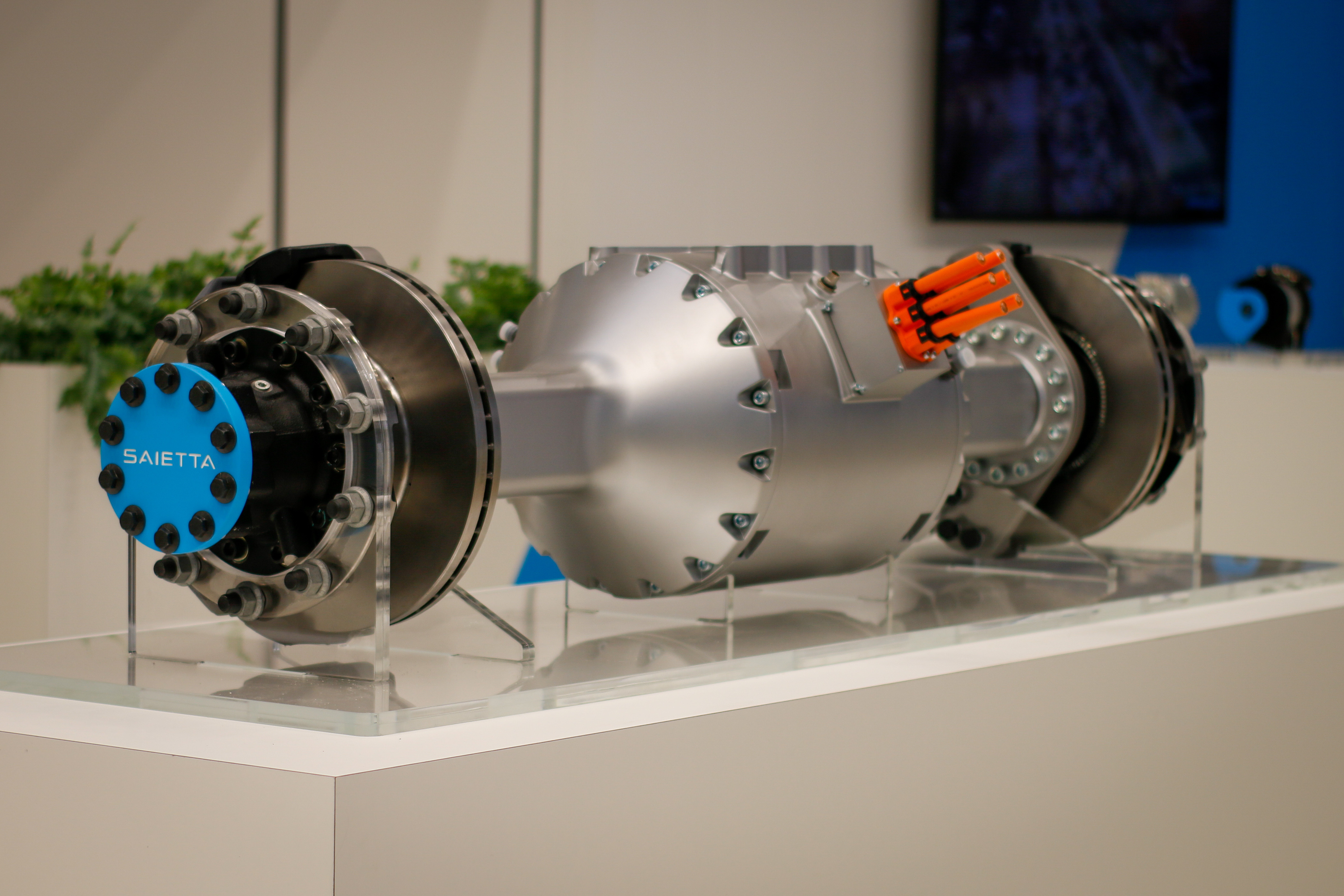
The transformation of the heavy-duty truck is not merely a change in fuel source; it is a fundamental redesign of the vehicle's architecture. Traditional drivetrains relied on a massive engine block, complex transmission systems, and extensive exhaust after-treatment. The electric Cummins powertrain simplifies this by utilizing an integrated e-axle system, which houses the electric motors, transmission, and power electronics within the axle assembly itself. This shift optimizes space, reduces mechanical friction, and allows for larger battery arrays, which are critical for the range requirements of modern freight.
Core Components of the 2026 Cummins Electric Drivetrain
The efficacy of the electric Cummins powertrain rests on three primary pillars: energy storage, power conversion, and traction. In 2026, these components have reached a level of maturity that allows for seamless integration into existing truck chassis from major manufacturers like PACCAR and Daimler.
High-Density Battery Systems (BP95E and BP150E)
Cummins has focused heavily on Lithium Iron Phosphate (LFP) and Nickel Manganese Cobalt (NMC) chemistries to balance safety, longevity, and energy density. The BP95E and BP150E battery packs are modular, allowing fleet managers to specify the amount of energy storage based on the vehicle's duty cycle.
- Thermal Management: One of the most significant advancements in 2026 is the active liquid cooling system that maintains optimal battery temperatures during extreme ambient conditions and high-speed charging.
- State of Health (SoH) Monitoring: Integrated sensors provide real-time data to fleet operators, predicting battery degradation and optimizing charging cycles to extend the life of the asset.
The 14XE e-Axle
The 14XE e-axle, developed through the acquisition of Meritor, is the "muscle" of the powertrain. By eliminating the need for a traditional driveshaft, Cummins has reduced the weight of the drivetrain, partially offsetting the weight of the battery packs. This e-axle is capable of delivering consistent peak torque from a standstill, a feature that diesel engines struggle to match without complex gearing. This is particularly valuable for vocational trucks, such as refuse haulers and dump trucks, which operate in stop-and-go environments.
Total Cost of Ownership and Operational Economics
In 2026, the decision to switch to an electric Cummins powertrain is increasingly driven by the Total Cost of Ownership (TCO) rather than just environmental compliance. While the initial acquisition cost of an electric Class 8 truck remains higher than its diesel counterpart, several factors have shifted the economic balance.
Maintenance Reductions
An electric powertrain has roughly 30% fewer moving parts than a traditional diesel engine. There are no oil changes, no fuel filters, no Diesel Particulate Filters (DPF), and no Selective Catalytic Reduction (SCR) systems to maintain. Furthermore, regenerative braking significantly reduces wear on the foundation brakes, extending the life of brake pads and drums by up to three times.
Energy Efficiency and Fuel Costs
Electricity, even with the infrastructure investments required, often provides a more stable and lower cost per mile than diesel. In 2026, smart charging software allows fleets to charge vehicles during off-peak hours, further lowering operational expenses. Cummins’ proprietary software integrates with fleet management systems to optimize routes based on elevation, load weight, and charging station availability, ensuring that every kilowatt-hour is used efficiently.
Technical Specifications Comparison (2026 Standards)
The following table compares the performance metrics of a standard Cummins-powered Class 8 truck across different propulsion types available in 2026.
| Feature | X15 Diesel (Baseline) | Accelera BEV (Battery Electric) | Cummins Hydrogen Fuel Cell |
|---|---|---|---|
| Peak Horsepower | 450 - 605 hp | 500 - 670 hp (Peak) | 400 - 550 hp |
| Peak Torque | 1,850 lb-ft | 2,100+ lb-ft (Instant) | 1,900 lb-ft |
| Optimal Range | 1,000+ miles | 200 - 400 miles | 500+ miles |
| Refuel/Charge Time | 15 - 20 minutes | 90 mins (MCS High Speed) | 20 - 30 minutes |
| Primary Use Case | Long-Haul / Remote | Regional / Last Mile / Refuse | Heavy Long-Haul / Multi-Shift |
| Emission Profile | EPA 2027 Compliant | Zero Tailpipe | Zero Tailpipe |
Infrastructure and the Megawatt Charging System (MCS)
A significant hurdle in the adoption of electric heavy-duty trucks has been charging speed. By 2026, the industry has begun the widespread rollout of the Megawatt Charging System (MCS). This standard allows for charging speeds of over 1 megawatt, enabling a Class 8 truck to gain significant range during a driver’s mandatory 30-minute break.
Cummins has partnered with infrastructure providers to ensure that their powertrains are compatible with these high-output chargers. This ecosystem approach ensures that the truck is not an isolated asset but part of a connected energy grid. Vehicle-to-Grid (V2G) capabilities are also being piloted in 2026, allowing trucks to discharge power back into the grid during peak demand, potentially creating a new revenue stream for fleet owners.
Overcoming Payload and Range Anxiety
The two most common criticisms of electric heavy-duty trucks are weight and range. In 2026, Cummins addresses these through "Right-Sizing" strategies.
- Weight Parity: Legislative changes in many jurisdictions now allow for an additional 2,000-pound weight allowance for zero-emission Class 8 trucks. This helps offset the weight of the batteries, ensuring that the freight capacity remains competitive with diesel trucks.
- Route Analysis: Cummins provides "PowerSuite" tools to help fleets identify which routes are best suited for electrification. For regional haul operations where trucks return to a base every night (return-to-base), the current 300-mile range of the Accelera powertrain is more than sufficient.
- Hybrid Approaches: For routes that exceed the current limits of battery technology, Cummins continues to offer bridge technologies, such as the X15N natural gas engine and hydrogen internal combustion engines, which utilize much of the same drivetrain architecture as the fully electric versions.
Integration with Autonomous Driving Systems
The electric Cummins powertrain is uniquely suited for the 2026 wave of autonomous truck deployments. Unlike internal combustion engines, which require complex mechanical linkages for throttle and shifting, electric motors are digitally controlled. This "drive-by-wire" nature allows for much tighter integration with the sensors and AI stacks used by autonomous vehicle developers. The result is smoother acceleration, more precise low-speed maneuvering, and enhanced safety through electronic torque vectoring.
Frequently Asked Questions
How long do the batteries in a Cummins electric powertrain last?
In 2026, Cummins battery systems are designed for a "first-life" of approximately 8 to 10 years or 500,000 miles, depending on the duty cycle and charging habits. After this period, the batteries often retain 70-80% of their capacity and can be repurposed for stationary energy storage or recycled to recover valuable materials like lithium and cobalt.
Can the Cummins electric powertrain handle cold weather?
Yes. The 2026 systems include advanced thermal management units that use a portion of the battery's energy to pre-condition the cells before operation. While extremely cold temperatures can reduce range by 10-20% due to cabin heating and battery chemistry slows, the active heating systems ensure the truck remains operational and capable of high-speed charging even in sub-zero conditions.
Is the electric powertrain available for all truck brands?
Cummins operates as an independent supplier. While they have deep partnerships with PACCAR (Peterbilt and Kenworth), their Accelera components are designed to be "OEM-agnostic." This means they can be integrated into various chassis configurations, providing a standardized platform for fleets that operate a mixed brand of vehicles.
What is the warranty on these electric systems compared to diesel?
Standard warranties in 2026 for the electric drivetrain (motors and e-axles) often mirror diesel engine warranties, typically covering 5 years or 500,000 miles. Battery packs often carry separate performance guarantees that ensure a minimum capacity remains available over a set number of years or charging cycles.
How does the torque of an electric Cummins compare to a diesel engine?
The torque delivery of an electric motor is instantaneous. While a diesel X15 engine must build RPMs and move through several gears to reach peak torque, the Cummins electric powertrain provides maximum torque at 0 RPM. This results in significantly faster "start-ability" on steep grades and a smoother overall driving experience.
Practical Recommendations for Fleet Transition
For organizations looking to integrate the electric Cummins powertrain into their operations in 2026, the first step is a comprehensive duty-cycle analysis. Fleet managers should identify "low-hanging fruit," such as regional routes under 200 miles or urban vocational tasks where regenerative braking provides the highest efficiency gains.
Secondly, engaging with local utilities early is essential. The power requirements for a fleet of Class 8 electric trucks are substantial, and grid upgrades can take 12 to 24 months to complete. Finally, driver training is paramount; driving an electric truck requires a different approach to braking and energy conservation to maximize the vehicle’s range and longevity.
Image Gallery