How to Prevent a Rock Climbing Accident: Comprehensive Safety Protocols for Climbers
Preventing rock climbing accidents requires a disciplined integration of redundant safety systems, consistent equipment verification, and rigorous adherence to standardized belay and communication protocols. By mastering technical rope...
Preventing rock climbing accidents requires a disciplined integration of redundant safety systems, consistent equipment verification, and rigorous adherence to standardized belay and communication protocols. By mastering technical rope management, performing mandatory pre-climb partner checks, and maintaining situational awareness, climbers can significantly mitigate the inherent risks associated with high-altitude and technical vertical ascent.
Contents
The Foundation of Climbing Safety: Risk Mitigation
Rock climbing, by its nature, is a sport involving inherent risks, including gravity-related falls, gear failure, and environmental hazards. Preventing accidents begins with the acceptance that "safety" is not a static state, but an active process. Experienced climbers view every climb through the lens of risk management: identifying potential failure points before they manifest as incidents.
The most common causes of climbing accidents in 2026 remain human error—specifically, failure to perform partner checks, improper knot tying, and errors in belay technique. Technical proficiency is a prerequisite, but the psychological element of maintaining focus during repetitive tasks is where most safety lapses occur.
Standardized Partner Checks: The Pre-Climb Ritual
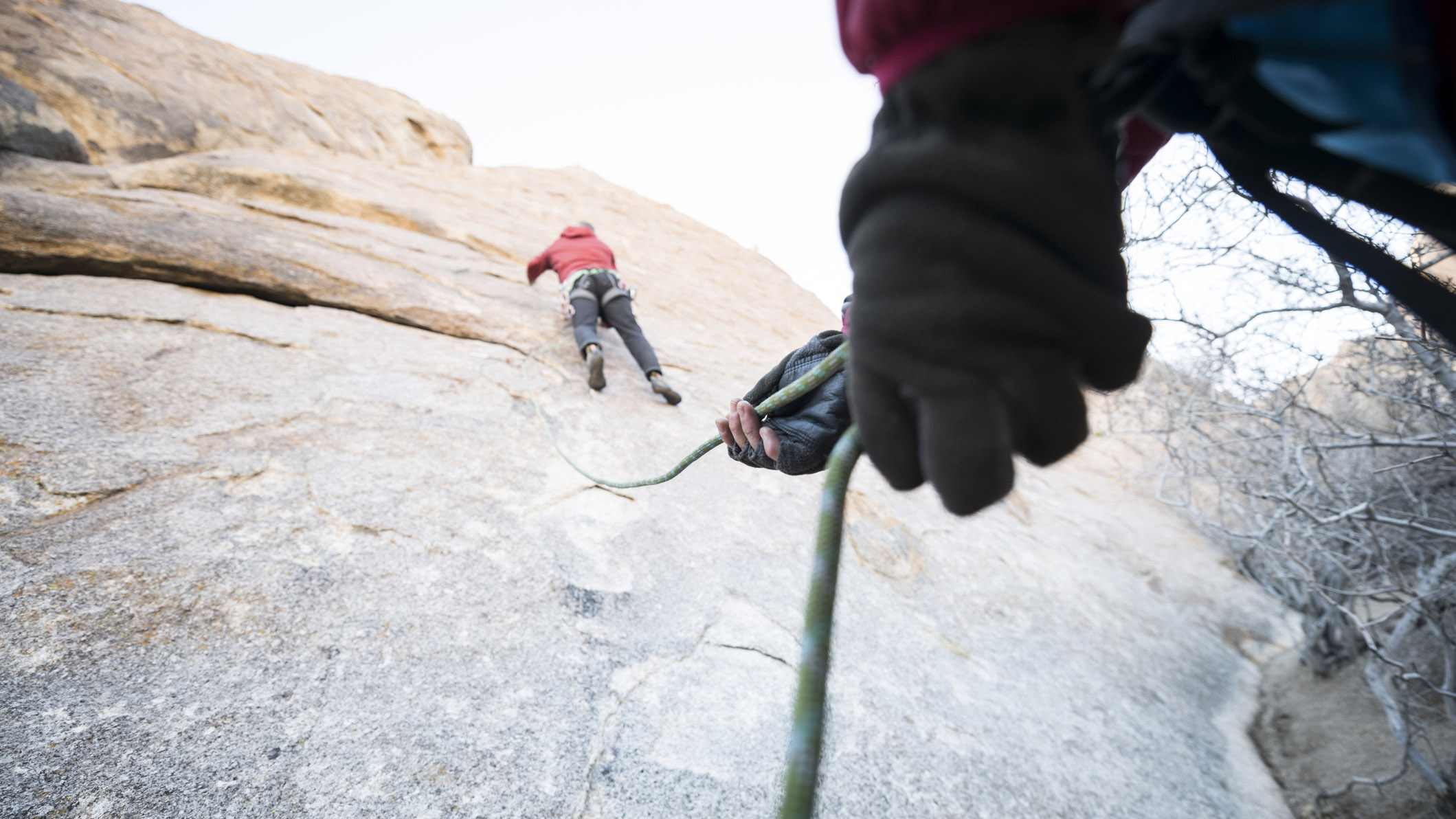
The "Closed System" approach dictates that no climber should leave the ground without a verified, two-way partner check. This ritual is the most effective tool for preventing catastrophic accidents.
- Harness Check: Ensure both the climber’s and belayer’s harnesses are double-backed (if required by the model) and tightened correctly. Check that the belay device is properly loaded and locked into the belayer's harness.
- Knot Verification: The climber’s tie-in knot—typically a figure-eight follow-through—must be properly dressed, with at least six inches of tail protruding. The belayer must visually confirm this knot.
- Belay System: Confirm the rope is threaded correctly through the belay device and that the locking carabiner is closed and locked.
- The System Check: Perform a final "tug test" on the belay device to ensure it catches, and confirm that the rope is of sufficient length for the route, accounting for the descent.
Technical Proficiency in Rope Management
A significant percentage of accidents occur during rappelling or lowering. Managing the rope is a critical technical skill that requires constant attention to detail.
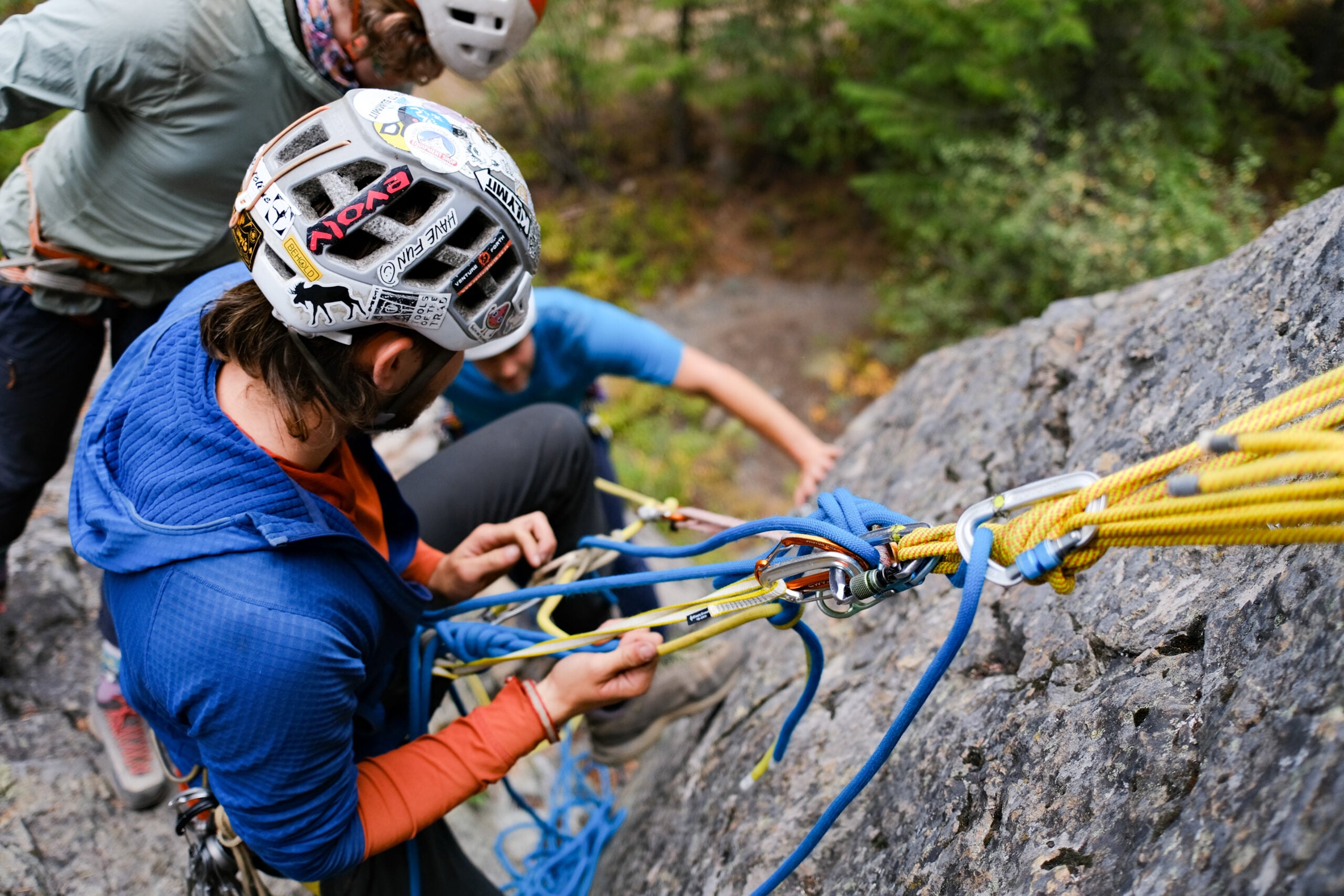
- Rappelling Safety: Always use a "third-hand" backup (such as a prusik or a mechanical device like the Petzl Shunt or similar friction hitch) when rappelling. This backup acts as a dead-man's brake, automatically stopping the descent if the climber loses control or is struck by falling debris.
- Knot the Ends: Always tie stopper knots in the end of the rope when rappelling or lowering on multi-pitch routes. This simple act prevents the rope from sliding through the belay device if the climber miscalculates the length of the rappel.
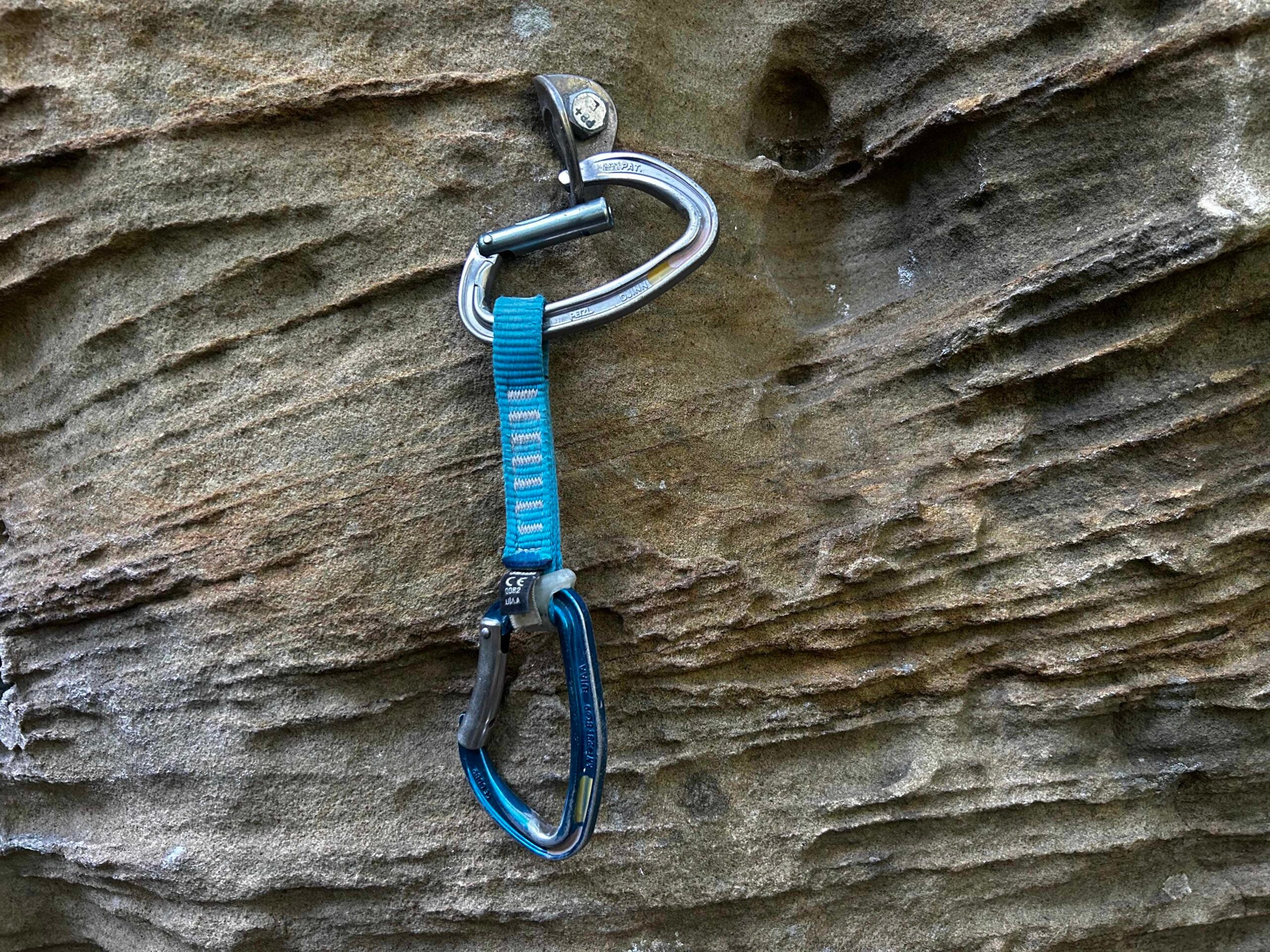
- Anchor Integrity: Understand the difference between gear-based anchors and fixed hardware. In 2026, many outdoor crags feature permanent steel anchors. Inspect these for excessive wear, corrosion, or movement before relying on them for your entire system. If in doubt, back up the system with additional gear.
Comparing Safety Equipment Standards
Modern climbing gear is engineered to high tolerances, but it is not infallible. Understanding the role of different hardware is essential for preventing equipment-related accidents.
| Component | Primary Function | Common Safety Oversight |
|---|---|---|
| Harness | Energy absorption/security | Failing to double-back or secure straps |
| Belay Device | Rope friction control | Improper loading; using the wrong rope diameter |
| Locking Carabiner | System integrity | Leaving the gate unlocked or cross-loading |
| Static/Dynamic Rope | Energy absorption | Using a worn, core-shot, or chemically damaged rope |
| Helmet | Cranial protection | Failure to wear at the crag base during rockfall |
Situational Awareness and Environmental Hazards
Preventing accidents is not limited to technical gear; it includes environmental assessment. Rockfall is a common danger, especially in spring or after heavy rainfall. Always wear a climbing-certified helmet, not just while climbing, but while at the base of the cliff.
Furthermore, weather patterns can shift rapidly. If you are climbing multi-pitch routes, identify potential "bail-out" points before you begin. If lightning or high winds develop, the ability to retreat safely is as important as the ability to ascend.
Communication: The Invisible Safety Link
Communication breakdowns are a frequent precursor to accidents. Establish clear, unambiguous verbal or visual signals with your partner before leaving the ground. In high-wind areas or on long, multi-pitch climbs where sound does not travel well, use standardized commands like "On belay," "Climbing," "Slack," "Take," and "Off belay." If you cannot hear your partner, do not assume their status; use pre-agreed-upon rope signals (tugs on the rope) to communicate your intent.
Frequently Asked Questions (FAQ)
What should I do if I notice damage to my climbing rope? If you observe a "core shot"—where the inner sheath is visible or the rope feels lumpy/soft in a specific section—retire the rope immediately. Never climb on a rope with structural compromise. Cut the rope to mark it as retired so it cannot be used accidentally by others.
Are auto-belay systems safer than manual belaying? Auto-belays remove human error from the belayer's side, but they require the user to be diligent about clipping in correctly. Always double-check your carabiner connection to the auto-belay device before stepping off the platform.
How often should I replace my climbing harness? Manufacturers generally recommend retiring a harness every 5 to 7 years, regardless of appearance, due to webbing degradation. If you notice fraying, discoloration, or stiffness, retire it earlier.
Is it safe to climb if I am fatigued? Mental fatigue often leads to a lapse in safety protocols. If you find your focus drifting or you are making "simple" errors in knot-tying or rope management, it is time to stop climbing for the day.
What is the "Belay Gate" issue? This refers to a belayer accidentally depressing the trigger or gate of their device during a panic response, which can cause the rope to feed through without friction. Proper stance and keeping the brake hand in the "locked" position are the primary defenses against this.
Next Steps for Safety
To solidify your safety practices, consider enrolling in a professional climbing clinic led by a certified guide. Organizations like the American Mountain Guides Association (AMGA) offer standardized curricula that teach modern risk management techniques. Beyond formal training, maintain a gear log to track the usage of your equipment and adhere strictly to the manufacturer’s inspection and retirement timelines. Always verify your system twice, communicate clearly, and prioritize the integrity of your anchors over the speed of your ascent.
Image Gallery