Donna Karan vs. DKNY: Understanding the Structural Differences in Fashion Branding
While Donna Karan and DKNY share a namesake founder, they represent distinct tiers within the fashion hierarchy. Donna Karan is the flagship luxury label focused on sophisticated "Seven Easy Pieces" for a mature professional audience....
While Donna Karan and DKNY share a namesake founder, they represent distinct tiers within the fashion hierarchy. Donna Karan is the flagship luxury label focused on sophisticated "Seven Easy Pieces" for a mature professional audience. DKNY is a contemporary diffusion line characterized by an accessible, urban-centric aesthetic inspired by New York City street culture.
Contents
The distinction between Donna Karan and DKNY is more than just a difference in price; it is a fundamental difference in brand architecture, target demographics, and manufacturing standards. To the uninitiated shopper, the logos may appear interchangeable, but for the fashion industry, they occupy two different market segments: luxury and "accessible" or "contemporary" luxury. Understanding these nuances is essential for consumers looking to invest in quality pieces and for collectors tracking the brand's evolution under its current ownership.
The Philosophical Origins: Flagship vs. Diffusion
The primary reason Donna Karan is not the same as DKNY lies in their founding philosophies. Donna Karan launched her eponymous label in 1984 with a revolutionary concept known as Seven Easy Pieces. This was a collection designed for the modern working woman, centered on a bodysuit that could be paired with skirts, trousers, and jackets to create a complete wardrobe. The focus was on luxury, comfort, and the "sensuality of the woman."
By 1989, Karan recognized a gap in the market. She wanted to design something her daughter, Gaby, could wear—something faster, younger, and more affordable. This led to the creation of DKNY (Donna Karan New York). Karan famously described DKNY as "the pizza to Donna Karan’s caviar." While the flagship line was meant for the boardroom and evening galas, DKNY was built for the street, the subway, and the weekend.
Market Positioning and Pricing Tiers
The most tangible difference between the two entities is the price point. As of 2026, Donna Karan (often rebranded or categorized as "Donna Karan New York" in recent luxury relaunches) maintains its position in the high-end luxury sector. A blazer from the flagship line can easily retail between $800 and $1,500, depending on the fabrication. These garments are often constructed from high-grade wool, cashmere, or heavy silks.
In contrast, DKNY sits in the contemporary market. It competes with brands like Michael Kors (the Michael line) or Coach. A DKNY blazer typically ranges from $200 to $400. To achieve this lower price point, DKNY utilizes different manufacturing processes and materials, often opting for synthetic blends or lighter-weight cottons that are suitable for mass production and higher-volume sales.
Structural Differences in Design and Fabrication
The "hand" or feel of the clothing is a primary indicator of which brand you are holding. Donna Karan designs are characterized by their drapery and silhouette. The flagship line often employs complex tailoring that accounts for the curves of the female body, utilizing "luxury stretch" fabrics that hold their shape over years of wear.
Material Integrity
- Donna Karan (Flagship): Uses premium natural fibers. You will find 100% Italian cashmere, double-faced wool, and silk georgette. The hardware (zippers, buttons) is usually weighted and often custom-branded or hidden to maintain a minimalist luxury aesthetic.
- DKNY: Focuses on durability and trend-responsiveness. You will see more polyester, rayon, and spandex blends. While the quality is high for the contemporary market, it does not offer the same longevity or tactile richness as the flagship line.
Aesthetic and Branding
The visual language of the two brands is intentionally distinct. Donna Karan is minimalist and often avoids visible exterior logos. It relies on the "Donna Karan" script on the interior neck label. The color palette is traditionally neutral—blacks, creams, and earth tones.
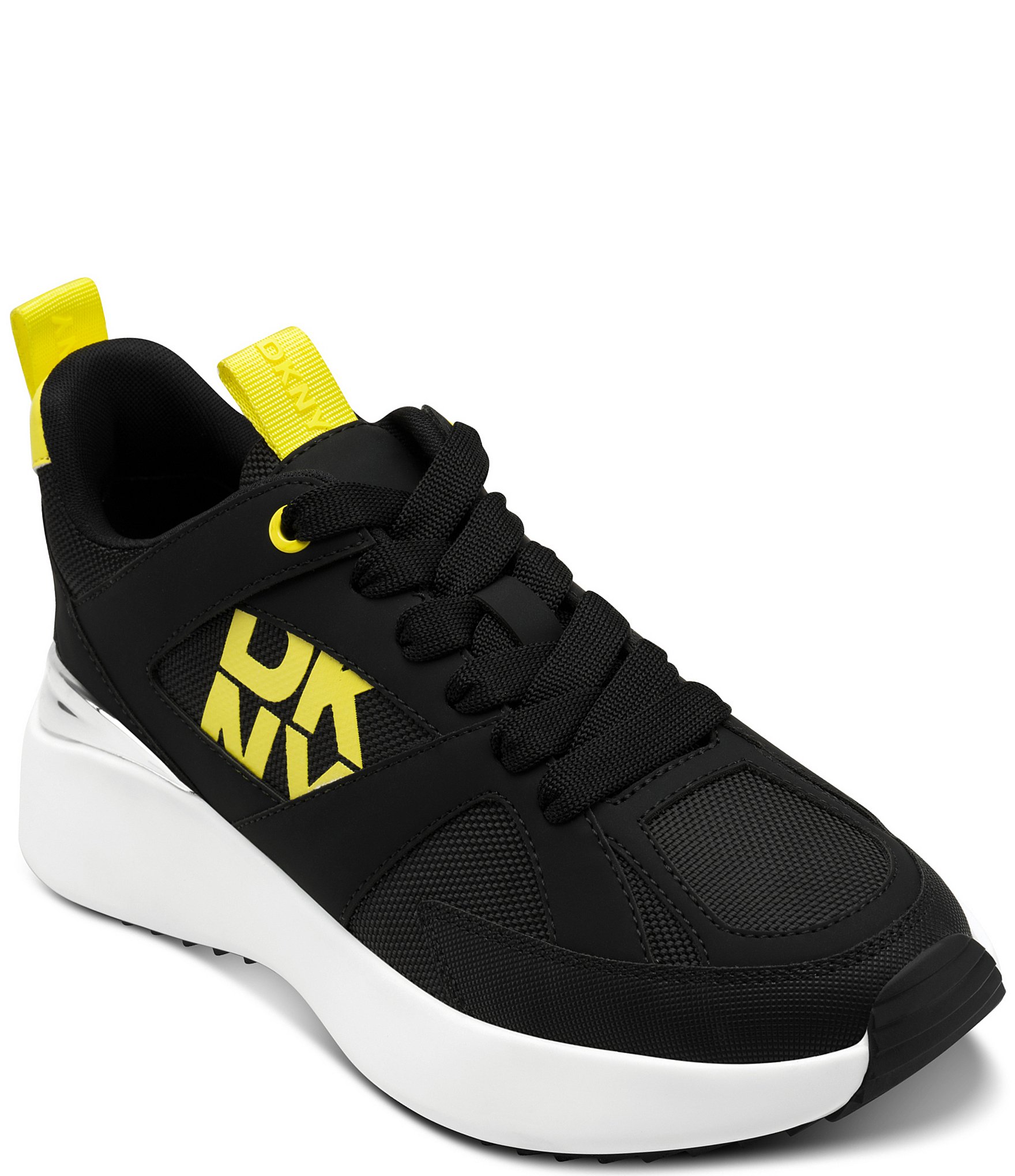
DKNY, however, embraces its branding. The four-letter acronym is frequently used as a graphic element on t-shirts, bags, and waistbands. Its aesthetic is "streetwise," heavily influenced by New York's energy. It incorporates more denim, activewear influences, and bold prints that change rapidly according to seasonal trends.
Corporate History and the G-III Era
To understand why these brands are often confused, one must look at their corporate history. In 2001, both brands were sold to the French luxury conglomerate LVMH (Moët Hennessy Louis Vuitton). Under LVMH, the distinction remained clear: Donna Karan was the "runway" brand, while DKNY was the commercial powerhouse.
However, a major shift occurred in 2016 when LVMH sold the Donna Karan International group to G-III Apparel Group for approximately $650 million. G-III, known for managing brands like Calvin Klein and Tommy Hilfiger through licensing, took a different approach. They temporarily suspended the high-end Donna Karan runway collection to focus on revitalizing the more profitable DKNY.
By 2024 and 2025, G-III initiated a major relaunch of the "Donna Karan New York" label. This relaunch sought to bridge the gap, bringing back the "luxury" feel of the original flagship but making it slightly more accessible to a wider luxury audience than the original couture-adjacent prices. Despite this, the corporate strategy remains a two-tier system: DKNY as the high-volume, logo-driven brand, and Donna Karan as the sophisticated, heritage-driven label.
Comparison Table: Donna Karan vs. DKNY
| Feature | Donna Karan (Flagship/Collection) | DKNY (Diffusion/Contemporary) |
|---|---|---|
| Market Segment | Luxury / High-End | Contemporary / Accessible Luxury |
| Core Philosophy | Sophistication, "Seven Easy Pieces" | Urban, Streetwise, Youthful |
| Price Range (Avg) | $500 – $2,500+ | $50 – $500 |
| Common Materials | Cashmere, Silk, Virgin Wool | Synthetic blends, Cotton, Denim |
| Logo Usage | Discrete, internal | Prominent, graphic, external |
| Primary Retailer | Neiman Marcus, Saks, Luxury Boutiques | Macy's, Nordstrom, Outlet stores |
| Target Audience | Professional women (35–60+) | Fashion-conscious urbanites (18–40) |
Quality Indicators: How to Verify the Brand
When shopping at vintage stores, luxury resellers, or department stores, the labels can sometimes be confusing because both brands have changed their tags over the decades.
- The Label Color: Historically, the "Gold Label" or "Black Label" indicated the Donna Karan Collection (the most expensive). A white label with "DKNY" in bold, block letters indicates the diffusion line.
- The "New York" Suffix: In recent years (post-2023), G-III has used "Donna Karan New York" for the premium line. Do not confuse this with the "DKNY" acronym. If the full name "Donna Karan" is spelled out on the main label, it is the higher-tier brand.
- Lining and Finishing: Check the interior seams. Donna Karan garments usually feature "bound" or "French" seams, where the raw edges of the fabric are hidden. DKNY garments typically use "overlock" or "serged" stitches, which are standard for mass-produced apparel.
Impact on Resale Value
For collectors and resellers, the distinction is critical. Genuine Donna Karan Collection pieces, especially those from the late 80s and early 90s, have seen a resurgence in value due to the "quiet luxury" trend. These pieces are sought after for their timeless tailoring.
DKNY pieces, while popular, do not hold their value as well in the secondary market unless they are part of a specific vintage "logomania" trend or a limited-edition collaboration. When listing or buying, always specify if the item is from the "Collection" or "DKNY," as the market value for a 100% cashmere Donna Karan sweater is significantly higher than a DKNY wool-blend knit.
Frequently Asked Questions
Is Donna Karan still the designer for these brands?
No. Donna Karan stepped down from her role as Chief Designer in 2015. While she remains an iconic figure in fashion, the design teams for both Donna Karan and DKNY are now managed by G-III Apparel Group. Karan currently focuses on her lifestyle brand, Urban Zen, which is entirely separate from the DKNY/Donna Karan corporate structure.
Is DKNY considered a "luxury" brand?
In the strict sense of "haute couture" or "high luxury," no. DKNY is categorized as an accessible luxury or contemporary brand. It is designed to be affordable for a middle-class consumer while still offering a designer name and aesthetic.
Why is Donna Karan more expensive than DKNY?
The higher price reflects the cost of superior raw materials (like Grade-A cashmere), more complex construction techniques, smaller production runs, and higher labor costs associated with premium manufacturing. Donna Karan pieces are built to last decades, whereas DKNY is more trend-focused.
Can I find Donna Karan (flagship) at outlet malls?
It is rare. Most outlet stores labeled "Donna Karan" or "DKNY" primarily stock the DKNY line or "made-for-outlet" versions of Donna Karan. These are products specifically manufactured for the outlet market with lower-cost materials. Genuine "Collection" pieces are usually reserved for flagship boutiques and top-tier luxury department stores.
Is DKNY the same as DKNY Jeans?
No, "DKNY Jeans" was a specific sub-label of DKNY that focused entirely on denim and casual wear. It was even more casual and lower-priced than the standard DKNY line. Most of these sub-labels have been consolidated back into the main DKNY brand under current management.
Final Recommendation: Which Should You Choose?
Deciding between Donna Karan and DKNY depends on your wardrobe goals and budget. If you are looking for investment pieces—items like a perfectly tailored black blazer, a cashmere wrap, or a professional sheath dress that you intend to wear for ten years or more—the Donna Karan flagship line is the superior choice. The quality of fabrication and the timelessness of the silhouettes justify the higher initial investment.
If you are looking for on-trend, urban fashion for daily wear, or if you prefer the "New York street" aesthetic with visible branding, DKNY offers excellent value. It provides the designer look and feel at a fraction of the cost, making it ideal for younger professionals or those who enjoy updating their wardrobe frequently with seasonal styles.
Image Gallery