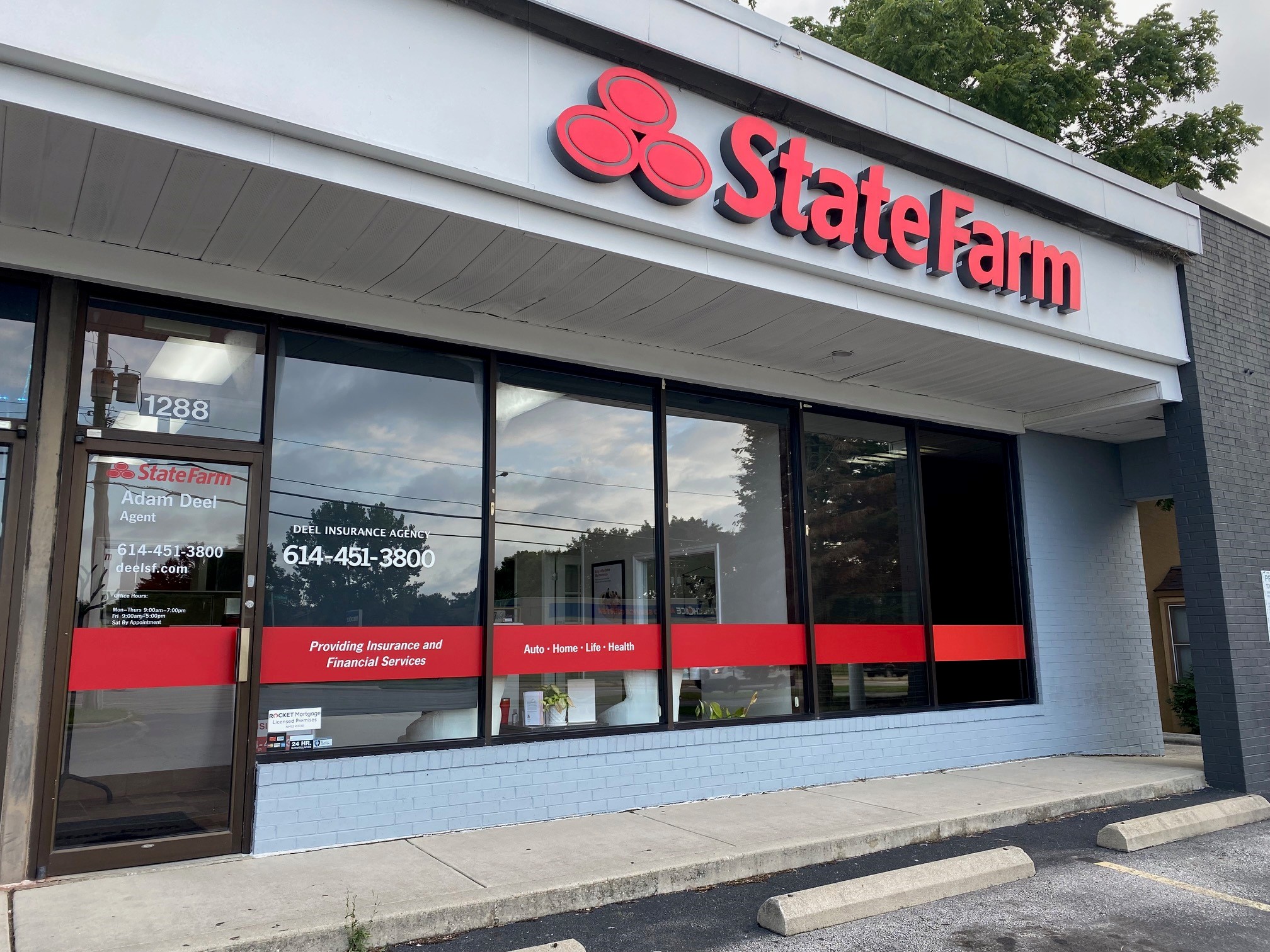
Navigating State Farm Insurance in Massachusetts: A 2026 Policyholder's Guide
State Farm operates in Massachusetts as a leading provider of auto, home, and life insurance, utilizing a dedicated network of local captive agents to service policyholders. In 2026, the company maintains a robust presence across the C...
State Farm operates in Massachusetts as a leading provider of auto, home, and life insurance, utilizing a dedicated network of local captive agents to service policyholders. In 2026, the company maintains a robust presence across the Commonwealth, offering competitive rates through its "Drive Safe & Save" program and multi-line bundling discounts tailored to the unique regulatory requirements of the Massachusetts Division of Insurance.
Contents
The Evolution of State Farm in the Massachusetts Market
To understand State Farm’s current position in 2026, one must look at the unique history of the Massachusetts insurance market. For decades, Massachusetts operated under a "fix-and-establish" system where the state government set insurance rates for all companies. This led many national carriers, including State Farm, to avoid the state or limit their offerings.
Following the transition to "managed competition" in 2008, the market opened significantly. State Farm re-entered the Massachusetts private passenger auto insurance market with a focus on leveraging its vast financial resources and agent-centric model. Today, State Farm is a primary choice for Massachusetts residents who prefer a personalized relationship with an agent rather than a digital-only or direct-to-consumer interaction.
In 2026, State Farm’s strategy in the Bay State focuses on technological integration and localized risk assessment. Because Massachusetts has high population density and complex weather patterns—ranging from coastal nor'easters to heavy inland snow—State Farm utilizes hyper-local data to price policies accurately for residents from the Berkshires to Cape Cod.
State Farm Auto Insurance: Meeting Massachusetts Requirements
Massachusetts law requires all drivers to carry a specific "Standard Massachusetts Automobile Insurance Policy." State Farm adapts its national products to fit this 12-part policy structure. Navigating these requirements is essential for any resident looking to switch or start a new policy in 2026.
Compulsory Coverages (Parts 1-4)
Every vehicle registered in Massachusetts must carry these four coverages. State Farm agents ensure these meet the legal minimums, though they often recommend higher limits for better financial protection.
- Bodily Injury to Others: This covers injuries to others in an accident occurring in Massachusetts. The state minimum is $20,000 per person and $40,000 per accident.
- Personal Injury Protection (PIP): This is a hallmark of Massachusetts "no-fault" insurance. It pays up to $8,000 for medical expenses, lost wages, and replacement services, regardless of who caused the accident. State Farm coordinates PIP benefits with your health insurance—typically, the first $2,000 is paid by State Farm, then your health insurance takes over, and State Farm covers remaining costs up to the $8,000 limit.
- Bodily Injury Caused by an Uninsured Auto: This protects you if you are hit by a driver who has no insurance or in a hit-and-run situation.
- Damage to Someone Else's Property: This covers damage you cause to another person’s vehicle or property. The state minimum is $5,000, though State Farm frequently advises increasing this to at least $100,000 given the rising costs of modern vehicles.
Optional Coverages (Parts 5-12)
While not required by law, these parts are often necessary for comprehensive protection, especially if your vehicle is financed or leased.
- Optional Bodily Injury to Others: Extends your liability coverage to accidents occurring outside of Massachusetts and increases the dollar limits of your coverage.
- Collision and Comprehensive: State Farm offers various deductible levels for these. Comprehensive (Part 9) is particularly important in Massachusetts for glass coverage, as many policies include a $0 deductible for glass repair—a common need due to winter road debris.
- Substitute Transportation: This pays for a rental car while your vehicle is being repaired following a covered loss.
Homeowners Insurance and Coastal Considerations
Massachusetts presents unique challenges for homeowners insurance, particularly regarding coastal properties and older housing stock. State Farm’s homeowners' policies in 2026 are designed to address the specific risks of the Northeast.
Protection Against the Elements
State Farm policies typically cover damage from wind, hail, and frozen pipes—all common occurrences in Massachusetts winters. However, it is important to distinguish between standard perils and excluded events. For instance, standard policies do not cover "flood" damage (rising surface water), which requires a separate policy through the National Flood Insurance Program (NFIP), which State Farm agents can facilitate.
The Coastal Property Challenge
For residents living on Cape Cod, the South Shore, or the North Shore, finding affordable insurance can be difficult due to hurricane and storm surge risks. State Farm evaluates these properties individually. In some high-risk coastal zones, if State Farm is unable to provide a standard policy, they may assist homeowners in obtaining coverage through the Massachusetts Property Insurance Underwriting Association (MPIUA), also known as the "FAIR Plan."
Replacement Cost vs. Actual Cash Value
A critical component of State Farm’s 2026 offerings is the emphasis on Replacement Cost Coverage. In a state with many historic homes, the cost to rebuild using modern materials and meeting current building codes can far exceed the market value of the home. State Farm agents work with homeowners to estimate the "replacement cost" to ensure that, in the event of a total loss, the policy provides enough funds to rebuild the structure as it was.
State Farm 2026 Discount Programs in Massachusetts
Maximizing value in Massachusetts involves taking advantage of State Farm’s various discount tiers. Because the state has a high cost of living, these discounts are a primary driver of customer retention.
| Discount Type | Eligibility Criteria | Potential Impact |
|---|---|---|
| Multi-Policy (Bundling) | Combine Auto with Home, Renters, or Life insurance. | Significant savings (up to 20% on certain coverages). |
| Drive Safe & Save™ | Use the State Farm app or vehicle telematics to track driving habits. | Up to 30% discount based on safe driving behavior. |
| Steer Clear® | Drivers under age 25 with no at-fault accidents or moving violations for 3 years. | Targeted savings for young drivers who complete a safety course. |
| Good Student | Full-time students (high school or college) maintaining at least a "B" average. | Reduced premiums for young drivers until age 25. |
| Anti-Theft/Safety | Vehicles equipped with factory-installed alarms, VIN etching, or advanced safety tech. | Small percentage discount on Comprehensive coverage. |
| Multi-Car | Two or more private passenger cars insured under the same policy. | Broad discount across the entire auto policy. |
The Role of the Local Agent and the RMV Process
Unlike direct insurers where you manage everything via a call center, State Farm’s strength in Massachusetts lies in its local agents. This is particularly valuable due to the complexities of the Massachusetts Registry of Motor Vehicles (RMV).
In Massachusetts, you cannot register a vehicle or renew a registration without proof of insurance that is verified by the carrier. State Farm agents are equipped to handle the RTA (Registration and Title Application) forms electronically. This "stamping" process ensures that your insurance coverage is synchronized with the RMV’s records, preventing registration suspensions or delays.
Furthermore, if you are moving to Massachusetts from another state, a State Farm agent can facilitate the "transfer" of your policy. Since Massachusetts does not use the standard "Insurance Card" found in other states (the registration itself serves as proof of insurance), an agent’s guidance is crucial for new residents to avoid legal complications.
Financial Strength and Claims Performance
As of 2026, State Farm remains one of the most financially stable insurers in the United States. It consistently holds high ratings from independent agencies:
- AM Best: A++ (Superior)
- S&P Global Ratings: AA
For Massachusetts policyholders, this financial strength translates to "claims-paying ability." In the event of a major catastrophe—such as a significant winter storm causing widespread ice dams or a hurricane hitting the coast—State Farm’s "Catastrophe Teams" are deployed to assist local agents in processing a high volume of claims quickly.
The claims process in Massachusetts is also governed by state-specific standards. State Farm utilizes a network of Select Service® shops throughout the Commonwealth. If a policyholder uses one of these vetted repair facilities, State Farm guarantees the repairs for as long as the policyholder owns the vehicle, streamlining the estimate and payment process.
Frequently Asked Questions
Does State Farm offer GAP insurance in Massachusetts?
State Farm does not offer a traditional "GAP insurance" product that pays off a loan if the car is totaled. Instead, they offer Car and Truck Loan/Lease Coverage. This coverage typically pays an additional amount (usually up to 25% of the vehicle's actual cash value) toward the unpaid balance of your loan or lease if the vehicle is a total loss.
How does the Massachusetts "Step" or Merit Rating system work with State Farm?
Massachusetts uses a Merit Rating Board to track traffic violations and at-fault accidents. Your "Step" level (Safe Driver Insurance Plan or SDIP) influences your premium. State Farm uses this data, along with their own proprietary risk models, to determine your final rate. Drivers with a "99" rating (excellent) receive the highest discounts, while those with points for accidents (03, 04, etc.) will see surcharges.
Can I get State Farm insurance if I live in a high-risk area for theft, like parts of Boston or Worcester?
Yes, State Farm writes policies throughout all Massachusetts cities. However, your Comprehensive coverage premium may be higher in areas with statistically higher rates of vehicle theft or vandalism. Installing an active anti-theft device (like an ignition kill switch) can help mitigate these costs.
What happens to my State Farm coverage if I drive for a rideshare service like Uber or Lyft in MA?
Standard personal auto policies in Massachusetts do not cover commercial activity like ridesharing. State Farm offers a Rideshare Insurance endorsement that fills the gap between your personal policy and the coverage provided by the rideshare company (which often only kicks in once a passenger is in the vehicle).
Does State Farm cover "Ice Dam" damage to Massachusetts homes?
Yes, most standard State Farm homeowners' policies (HO-3) cover damage caused by ice dams, provided the damage is sudden and accidental. This usually includes repairs to the roof, walls, and ceilings. However, the policy does not typically cover the cost of removing the ice dam itself unless there is already damage to the structure.
Summary of Next Actions for Massachusetts Residents
For those considering State Farm in 2026, the most effective next step is to conduct a localized quote comparison. Because Massachusetts insurance rates are highly sensitive to zip code and individual driving history, online "ballpark" estimates are often inaccurate.
- Gather Documentation: Have your current policy "Declarations Page," your vehicle's VIN, and the driver's license numbers for all household members ready.
- Contact a Local Agent: Use the State Farm agent locator to find an office in your specific town. A local agent will be familiar with specific regional risks, such as local flood zones or high-theft areas.
- Review the RTA Form: If you are buying a new car or moving to MA, ensure your agent provides the completed RTA form for the RMV.
- Inquire About Telematics: Ask about the "Drive Safe & Save" setup to see if your vehicle's connected features or a mobile app can immediately lower your introductory rate.
For more information on state insurance laws, you can visit the Massachusetts Division of Insurance or check AM Best for the latest financial strength ratings of your provider.
Image Gallery