The Economics of Weddings in 2026: Trends, Costs, and Market Dynamics
In 2026, the economics of weddings are characterized by a stabilization of costs following years of post-pandemic volatility, with the average American wedding cost ranging between $38,000 and $43,000. The market has shifted from mass-...
In 2026, the economics of weddings are characterized by a stabilization of costs following years of post-pandemic volatility, with the average American wedding cost ranging between $38,000 and $43,000. The market has shifted from mass-scale events to high-value, personalized experiences where couples prioritize technological integration, sustainable sourcing, and guest-centric spending over traditional headcount metrics.
Contents
The Macroeconomic Landscape of the Wedding Industry
The wedding industry in 2026 remains a powerhouse of the global service economy, contributing over $75 billion annually to the U.S. GDP alone. However, the economic structure of the sector has evolved significantly. While the total number of marriages per 1,000 people has remained relatively stable, the distribution of wealth within the industry has pivoted.
We are currently observing a "K-shaped" recovery in the wedding sector. The luxury segment continues to expand with record-breaking expenditures on destination events and multi-day celebrations. Conversely, the mid-market segment is grappling with the lingering effects of price sensitivity. Labor costs in the hospitality sector—which include catering staff, coordinators, and setup crews—have seen a cumulative increase of 15% over the last three years, largely driven by the demand for living wages and a shortage of specialized event labor.
The Impact of Inflation and Supply Chain Maturation
By early 2026, the erratic supply chain disruptions of the early 2020s have largely resolved, but they have left behind a higher "floor" for base costs. For example, the cost of imported floral arrangements and high-end textiles for bridal attire has remained elevated due to increased logistics costs and environmental compliance fees. Couples in 2026 are not necessarily buying "more," but they are paying more for the same level of quality seen five years ago.
Breakdown of Wedding Expenditures in 2026
Understanding the economics of a wedding requires a granular look at where the capital is allocated. The venue and catering continue to be the primary cost drivers, typically consuming 40% to 50% of the total budget.
Estimated Average Costs by Category (2026)
The following table provides a comparative overview of average costs in 2026 versus the historical data from 2024, highlighting the shift in spending priorities.
| Expenditure Category | Average Cost (2024) | Average Cost (2026) | Trend Analysis |
|---|---|---|---|
| Venue Hire | $12,800 | $14,500 | Increased demand for unique/non-traditional spaces. |
| Catering (per head) | $85 | $110 | Driven by food inflation and labor costs. |
| Photography/Videography | $2,900 | $3,800 | Includes new tech like drone shots and VR. |
| Live Entertainment/DJ | $1,700 | $2,200 | Higher demand for professional, high-energy acts. |
| Wedding Attire | $2,000 | $2,400 | Rise in custom-made and sustainable fabrics. |
| Flowers & Decor | $2,800 | $3,500 | Impacted by international shipping and green fees. |
| Wedding Planner | $2,100 | $2,800 | Essential for navigating complex logistics. |
The "Wedding Tax" and Price Elasticity
A persistent economic phenomenon in this sector is the "wedding tax"—the tendency for vendors to charge a premium for weddings compared to other events like corporate galas or birthday parties. In 2026, this is increasingly justified by vendors through the lens of liability and emotional labor. The technical depth required for a wedding—where there is zero margin for error—dictates a higher price point to cover insurance, additional staffing, and the extensive pre-event consultation hours that are unique to the nuptial market.
The Shift Toward the "Experience Economy"
The most significant shift in the economics of 2026 weddings is the move toward the experience economy. Couples are increasingly allocating a larger portion of their budget to guest "touchpoints." Instead of a guest list of 200 with standard catering, many are opting for 80 guests with a 7-course tasting menu, interactive entertainment, and subsidized lodging.
Personalization vs. Standardization
Standardized wedding packages are losing market share to bespoke services. This has created a boom for boutique agencies and specialized artisans. Economically, this means that the "unit price" per guest has risen significantly, even if the total budget remains the same as previous generations. Couples are viewing the wedding not just as a ceremony, but as a brand launch for their new family unit, leading to high spending on custom branding, monogrammed flooring, and curated scent profiles for the venue.
Technology and Efficiency in Modern Planning
Technology has introduced both costs and savings into the 2026 wedding budget. While high-tech additions like AI-driven guest management and 360-degree live-streaming for international relatives add to the bill, digital advancements have streamlined the planning process.
- AI Planning Tools: These have reduced the hours needed for manual logistics, allowing wedding planners to focus on creative direction rather than administrative tasks.
- Digital Stationery: The economic move away from physical "Save the Dates" and invitations has saved the average couple approximately $800 to $1,200, while also aligning with sustainability goals.
- Virtual Site Visits: VR technology allows couples to tour international venues without the travel cost, making destination weddings more economically feasible during the scouting phase.
Regional Variations and the Destination Market
The economics of weddings vary wildly by geography. In 2026, tier-one cities like New York, London, and Tokyo see average costs exceeding $75,000. Conversely, the destination wedding market has seen a surge in "value destinations" such as Portugal, Mexico, and Vietnam, where the exchange rate and local labor costs allow for a luxury experience at a mid-market price point.
Currency Fluctuations and International Contracts
For couples planning destination weddings in 2026, exchange rate volatility is a major economic risk. Many international vendors now require contracts to be pegged to the US Dollar or Euro to mitigate currency risk, which can add a "buffer fee" to the final bill for the consumer.
Hidden Costs and Financial Risks
A comprehensive economic analysis must include the "below-the-line" expenses that often catch couples off guard. These include:
- Service Fees and Gratuities: Often totaling 20-25% of the catering bill.
- Liability Insurance: Now a mandatory requirement for 90% of premium venues in 2026.
- Overtime Charges: Hourly rates for photographers and venue staff can skyrocket if the event runs late.
- Marriage Licensing and Legal Fees: Especially relevant for international weddings involving complex residency requirements.
The Role of Wedding Insurance
In 2026, wedding insurance has moved from an optional luxury to a financial necessity. With the average investment approaching the price of a luxury vehicle, insurance policies covering vendor bankruptcy, extreme weather, and sudden illness provide a vital safety net. The premium for such a policy typically ranges from 1% to 2% of the total budget.
FAQs About the Economics of Weddings
Why are weddings more expensive in 2026 than in previous years?
The increase is primarily driven by labor costs and the "experience-first" trend. Vendors are facing higher operational costs for skilled labor, and couples are demanding more complex, personalized events that require more man-hours to execute.
Does having a weekday wedding still save money?
Yes, but the savings are diminishing. While venue hire might be 20% cheaper on a Tuesday or Wednesday, many vendors (like florists and photographers) have fixed costs that do not change based on the day of the week. The primary economic benefit of a weekday wedding in 2026 is often increased vendor availability rather than massive price cuts.
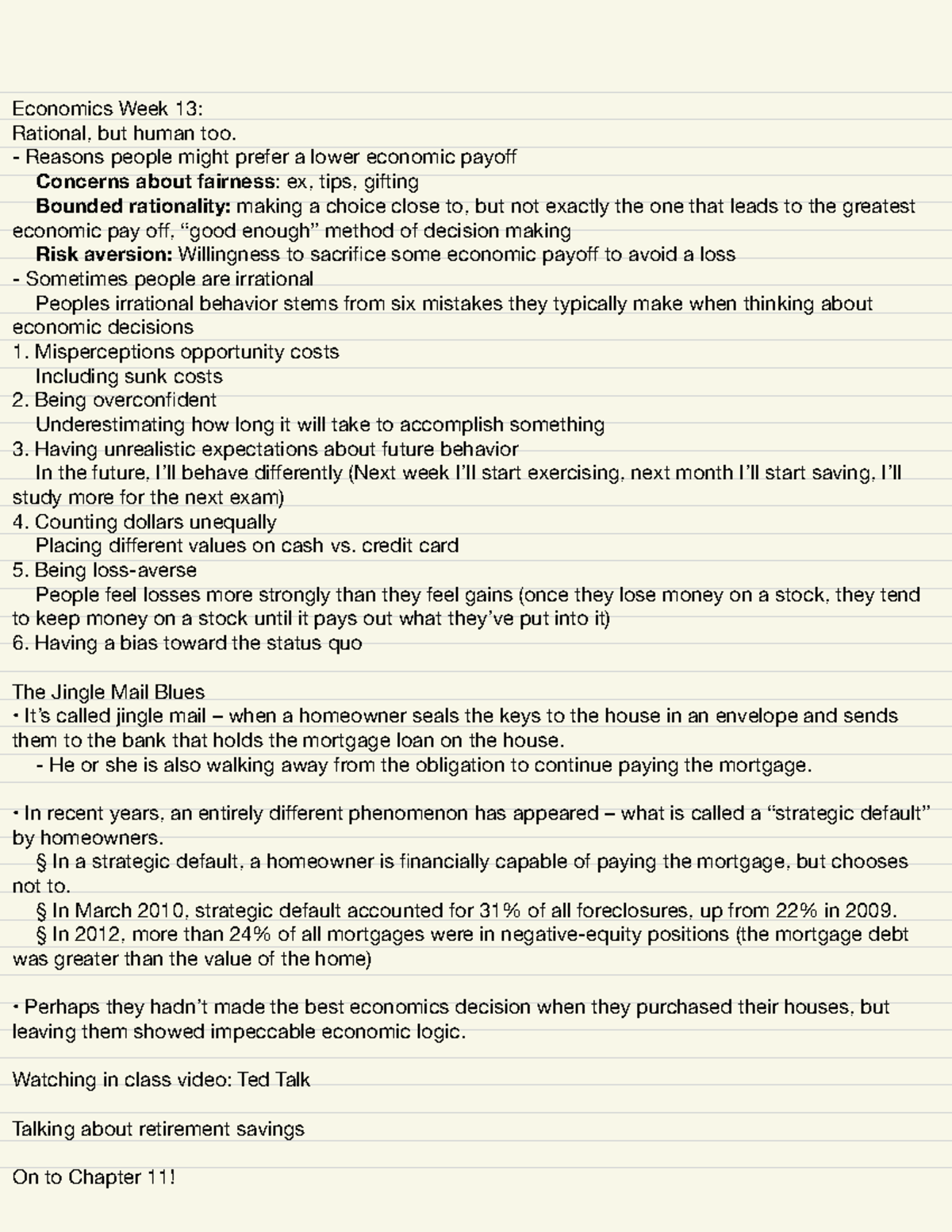
What is the "Sunk Cost Fallacy" in wedding planning?
In economics, the sunk cost fallacy occurs when a couple continues to spend money on a specific vendor or idea simply because they have already paid a non-refundable deposit. In 2026, experienced planners advise couples to treat deposits as "insurance against change" rather than an obligation to continue with a sub-optimal choice.
How has sustainability impacted wedding economics?
"Green" weddings often have a higher upfront cost due to the premium placed on locally sourced organic food and plastic-free decor. However, they can lead to savings in areas like rentals (reusing items) and the elimination of single-use favors.
Is it common for couples to take on debt for a wedding in 2026?
Data suggests that approximately 35% of couples use some form of financing—be it credit cards or specialized personal loans—to fund their wedding. Financial advisors generally recommend against this, as the interest rates on personal loans in 2026 can significantly increase the total cost of the event over time.
Final Recommendation
When navigating the economics of a wedding in 2026, the most effective strategy is a value-based budgeting approach. Rather than following a generic percentage breakdown, couples should identify the top three elements that define their vision (e.g., photography, food, and music) and allocate 60% of their budget to those areas. By aggressively cutting costs in "low-impact" categories—such as physical favors or overly elaborate invitations—couples can achieve a high-end experience without exceeding their financial boundaries.
Image Gallery