Understanding Unionized Auto and Home Insurance: Providers, Benefits, and 2026 Eligibility
Unionized auto and home insurance refers to coverage provided by companies that either employ a unionized workforce or offer exclusive, negotiated benefits to members of labor unions. These policies often feature specialized protection...
Unionized auto and home insurance refers to coverage provided by companies that either employ a unionized workforce or offer exclusive, negotiated benefits to members of labor unions. These policies often feature specialized protections, such as premium waivers during strikes or lockouts and significant group discounts, specifically designed to support the financial stability of working families and organized labor members.
Contents
In 2026, the landscape of insurance for union members is defined by collective bargaining power. Choosing a union-affiliated or unionized insurance provider is not just a matter of political solidarity; it is a strategic financial decision. These companies understand the specific risks faced by union workers, including the potential for work stoppages and the need for portable benefits. By leveraging the collective buying power of millions of members, organizations like the AFL-CIO and various independent unions have secured terms that are often unavailable in the general retail insurance market.
The Distinction Between Unionized Workforces and Union-Exclusive Benefits
When searching for a "unionized auto and home insurance company," it is important to distinguish between two different models. The first model involves insurance carriers whose internal employees—claims adjusters, underwriters, and administrative staff—are members of unions like the Office and Professional Employees International Union (OPEIU) or the Communications Workers of America (CWA). Supporting these companies ensures that your insurance premiums are supporting fair labor practices and union-scale wages.
The second model involves companies that have entered into exclusive marketing and benefit agreements with labor federations. The most prominent example is the Union Plus program, which vets and partners with major carriers to provide tailored products for union members. As of 2026, these partnerships remain the primary way for union members to access high-value auto and home insurance that includes specific "labor-friendly" clauses.
Core Benefits of Union-Affiliated Insurance Policies
The primary reason union members seek out these specific companies is the "Union Advantage" baked into the policy language. These are not merely discounts; they are structural protections designed for the labor lifestyle.
1. Strike and Lockout Premium Assistance
Perhaps the most significant benefit in 2026 is the strike/lockout protection. Many union-exclusive policies offer a provision where, if a member is involved in an authorized strike or a lockout lasting more than 30 days, the insurance company may waive premiums for a set period or provide a grace period without the risk of policy cancellation. This ensures that a worker’s car and home remain protected even when their income is interrupted by a labor dispute.
2. Hardship Grants and Financial Aid
Through programs like the Union Plus Property and Casualty Discipline, members who have held a policy for a qualifying period (usually one year) may be eligible for one-time hardship grants. These grants are often triggered by disability, high medical bills, or unemployment. Unlike a standard insurance claim, these funds are typically not required to be paid back and do not result in a premium surcharge.
3. Collective Bargaining Discounts
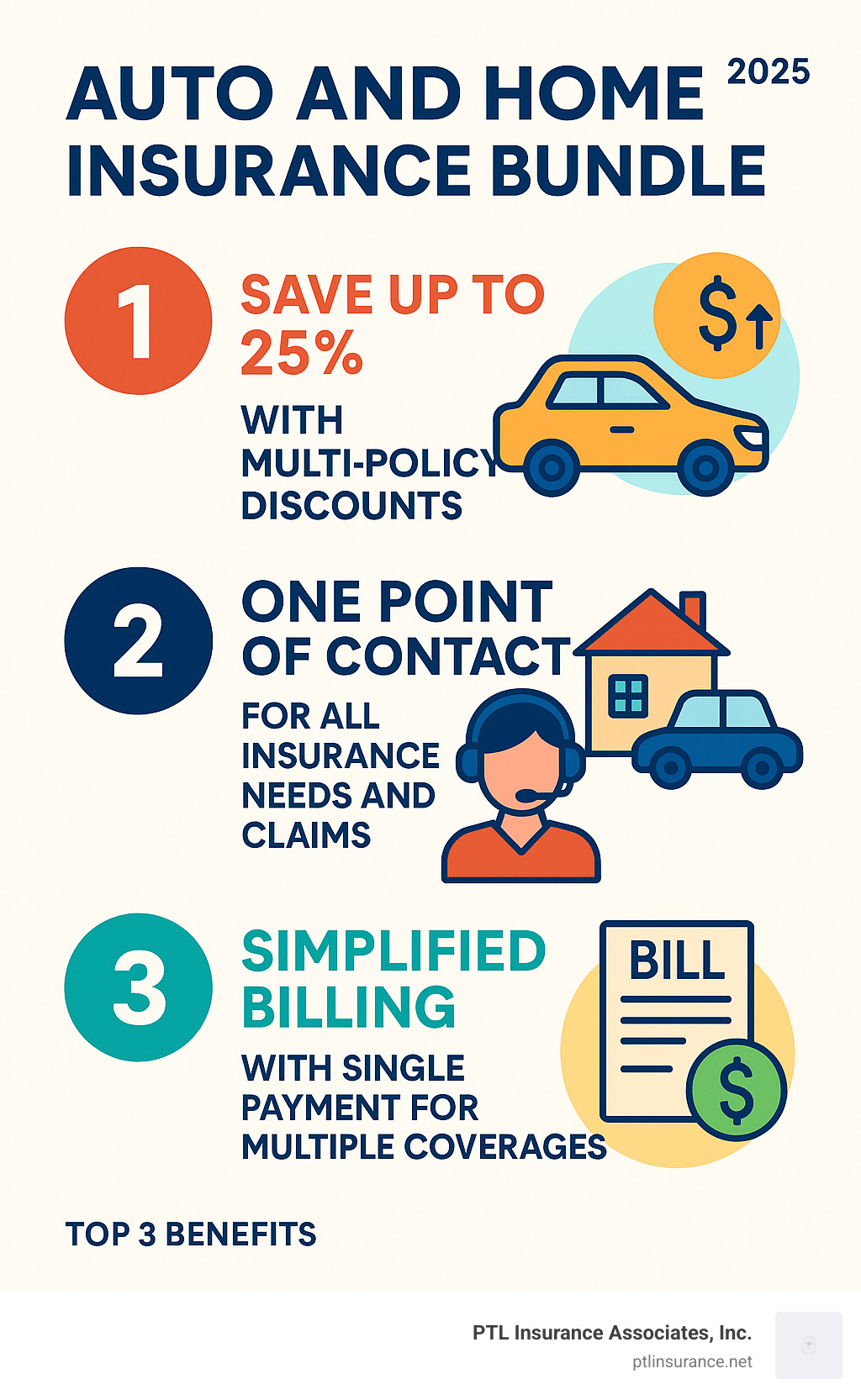
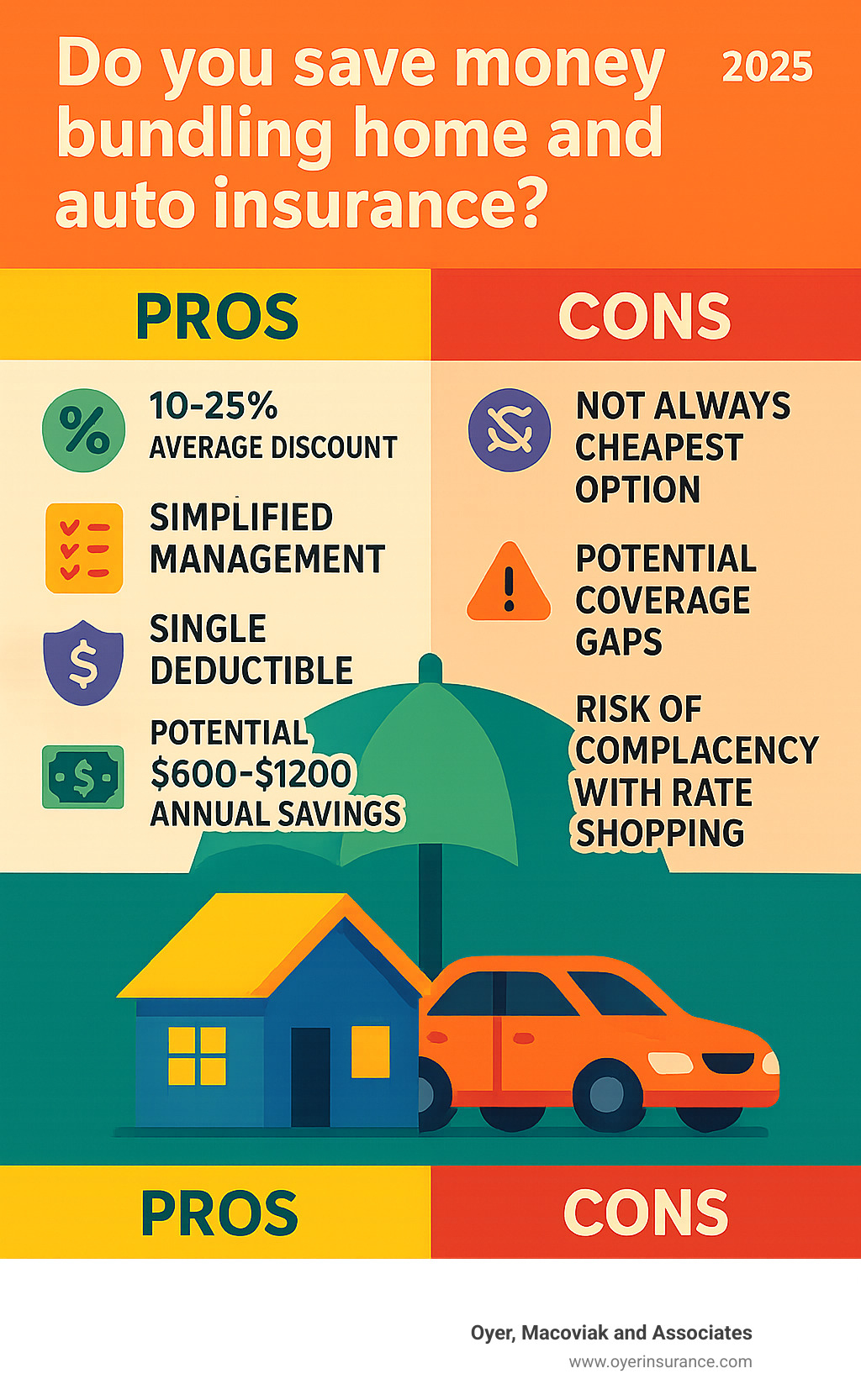
Because unions represent thousands or millions of members, they can negotiate group rates. In 2026, these discounts often range from 5% to 15% off standard premiums. Furthermore, many union-friendly carriers offer "loyalty credits" that increase the longer a member stays with the union and the insurance provider.
Leading Unionized and Union-Friendly Providers in 2026
Identifying the right company requires looking at who currently holds the contracts with major labor organizations. While the market shifts, several entities have remained staples of the union insurance ecosystem.
| Provider | Primary Union Relationship | Key 2026 Feature | Availability |
|---|---|---|---|
| Farmers Insurance | Union Plus (AFL-CIO) | Multi-policy union discounts | National |
| Travelers | Union Plus (AFL-CIO) | Specialized home replacement cost | National |
| California Casualty | Educators, Fire, Law Enforcement | $0 deductible for vandalism on job site | Select States |
| MetLife (Auto & Home) | Various Professional Unions | Group legal and auto bundles | National |
| American Income Life | OPEIU Local 277 (Internal) | 100% Union-represented workforce | North America |
Farmers and Travelers via Union Plus
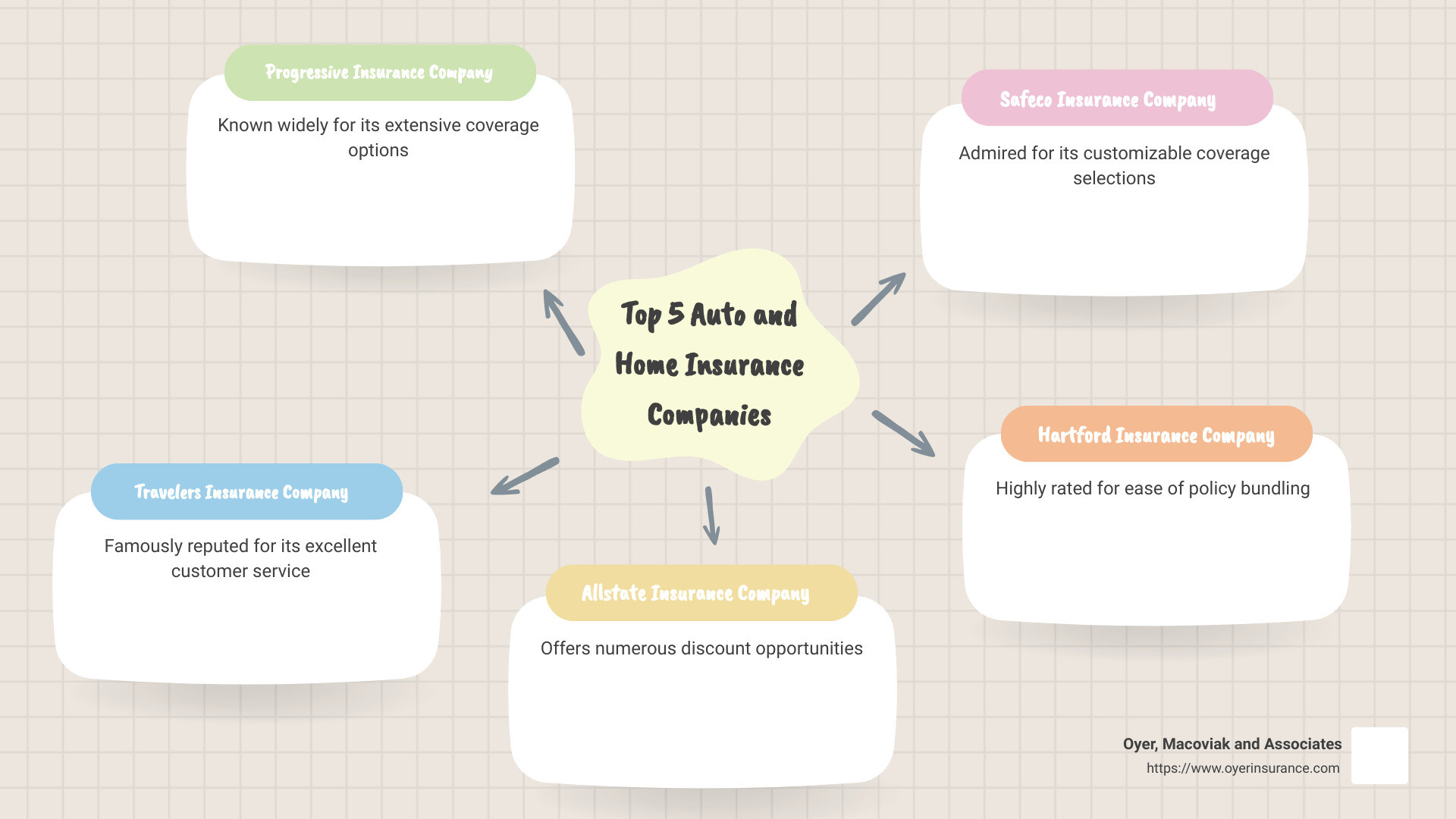
Farmers and Travelers are currently the heavyweights in the union space. By accessing these carriers through the Union Plus portal, members gain access to a dedicated service desk trained to handle union-specific inquiries. These policies include the aforementioned strike assistance and are often ranked highly for their claims processing speed in 2026.
California Casualty
California Casualty caters specifically to "public safety" and "education" unions. Their policies are built around the unique risks of these professions. For example, if a teacher's car is vandalized while parked on school property, or if a firefighter’s gear is stolen from their personal vehicle, California Casualty often waives the deductible—a benefit rarely found in standard commercial policies.
Eligibility and Verification Requirements
To secure a unionized auto or home insurance policy, you must typically prove your "good standing" with a recognized labor organization. This process has become increasingly digital in 2026.
- Union ID/Membership Number: You will need to provide your local union number and your international affiliate name (e.g., IBEW Local 134).
- Verification Portals: Many companies now use automated verification systems that link directly to union rosters.
- Associate Memberships: Some organizations allow "Associate Members" (often retirees or family members) to access the same insurance benefits. It is worth checking if your union allows retired members to maintain their eligibility for group insurance rates.
How to Evaluate a Union Insurance Quote
When comparing a unionized insurance quote against a generic provider, it is essential to look beyond the monthly premium. A policy that is $10 cheaper per month but lacks strike protection may actually be higher risk for a union worker.
- Examine the Deductible Waivers: Does the policy waive deductibles for work-related incidents?
- Check the "Gap" Coverage: For auto insurance, does the union policy offer better terms for "gap" coverage (the difference between what you owe on a car and its market value) in the event of a total loss?
- Review the Hardship Clauses: Specifically ask for the "Terms and Conditions" regarding premium waivers during a strike. Ensure it applies to "authorized" strikes and understand the waiting period.
Common Pitfalls and Troubleshooting
One common mistake union members make is assuming that any agent from a major carrier (like Farmers) can provide the union discount. In 2026, union rates are typically restricted to specific "group" departments. If you call a local independent agent, they may not have the authority to apply the negotiated Union Plus rates. It is almost always better to initiate the quote through your union’s official benefits portal.
Another issue involves "hybrid" employment. If you are a union member but also run a side business (gig work), you must ensure your union auto policy covers "commercial use." Some union-exclusive policies are strictly for personal use, and a claim could be denied if the accident occurs while you are performing non-union contract work.
Financial and Legal Considerations
Insurance regulations vary significantly by jurisdiction. While union discounts are broadly available across the United States and Canada, certain states have "anti-discriminatory" insurance laws that limit how much of a discount can be given to specific groups. As of 2026, most states allow for professional group discounts, but the exact percentage may be capped by state insurance commissioners.
Disclaimer: Insurance products are subject to terms, conditions, and underwriting approval. Not all members will qualify for all discounts. It is recommended to consult with a licensed insurance professional to discuss your specific coverage needs.
Frequently Asked Questions
Does my union membership automatically give me the lowest rate? Not necessarily. While union discounts are significant, your personal driving record, credit score (in states where allowed), and home's location are still primary rating factors. The union discount is applied to the base rate for which you qualify.
What happens to my insurance if I leave the union? If you leave the union, you generally keep your coverage until the end of the policy term. However, upon renewal, the insurance company may remove the union-specific discount and strike protection clauses if you can no longer prove active membership or retiree status.
Can my spouse or children get unionized insurance? Yes, most union-affiliated programs extend eligibility to members of the household. In 2026, many carriers have expanded this to include domestic partners and adult children living at home, provided the primary policyholder is the union member.
Are these companies actually unionized themselves? Some are, and some are not. If your goal is to support "union-made" services, you should specifically look for carriers whose employees are represented by OPEIU or CWA. If your goal is simply to get the best benefits for your own union family, the "union-friendly" partners like Farmers or Travelers are the standard choice.
Is strike protection available for home insurance too? Yes, several providers offer strike-related premium deferment for both auto and home insurance, though the specific length of the "grace period" may differ between the two types of policies.
Recommended Next Actions
To secure the best unionized auto and home insurance in 2026, start by visiting your union's official benefits website or the Union Plus portal. Gather your current policy "declarations page" so you can perform a line-by-line comparison of coverage limits. Before signing, specifically ask the representative to confirm the "Strike Assistance" procedures to ensure you are fully protected during the next contract negotiation cycle.
Image Gallery