Comprehensive Guide on Things to Talk About: Overcoming Social Friction and Sparking Meaningful Conversations
Finding things to talk to people about can sometimes feel like navigating an unmapped social terrain, whether you are trying to break the ice with a stranger at a professional networking event, deepen a connection with a new acquaintan...
Finding things to talk to people about can sometimes feel like navigating an unmapped social terrain, whether you are trying to break the ice with a stranger at a professional networking event, deepen a connection with a new acquaintance, or maintain a lively dialogue with a lifelong partner. Conversation is an art form rooted in empathy, active listening, and situational awareness. When you understand how to transition from casual pleasantries to engaging, substantive exchanges, social interactions shift from stressful obligations to opportunities for genuine connection and mutual learning.
Contents
Understanding the Psychology of Conversation
Before selecting specific topics, it helps to examine why certain interactions flow effortlessly while others stall. Effective communication relies heavily on psychological safety and cognitive engagement. People naturally enjoy talking about subjects that allow them to express their authentic selves, share their passions, or feel heard and validated.
When searching for things to talk about, avoid viewing conversation as a performance where you must constantly entertain. Instead, treat it as a collaborative exploration. The most successful conversationalists act as facilitators rather than dominant speakers. They ask open-ended questions, observe non-verbal cues, and build bridges between their own experiences and the perspectives of the other person. Recognizing these underlying dynamics helps you choose topics that match the context, the environment, and the current comfort level of your communication partner.
Categorized Framework of Conversation Topics
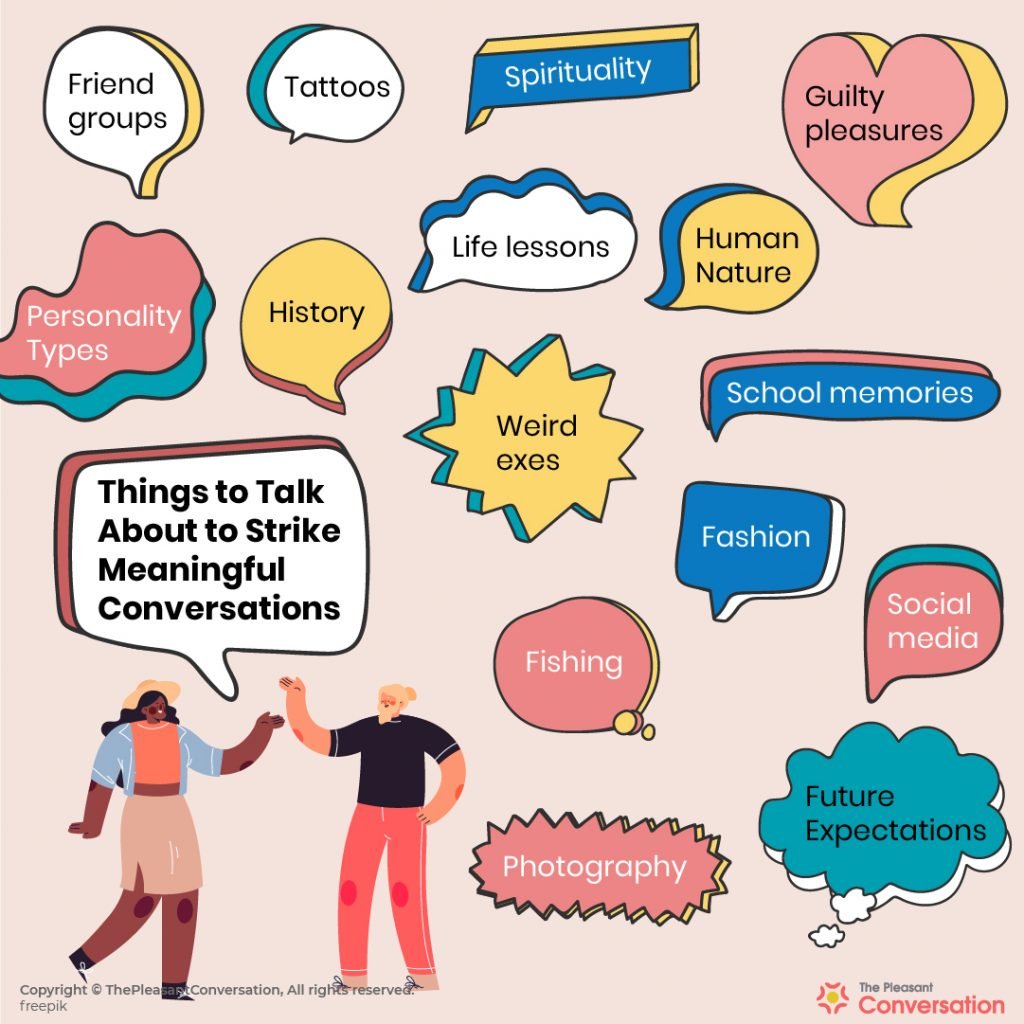
To prevent the dreaded silence in social settings, it helps to organize potential discussion points into logical categories. The following sections outline proven conversational domains ranging from low-friction icebreakers to deep, philosophically rich dialogues.
Low-Friction Icebreakers for Casual Settings
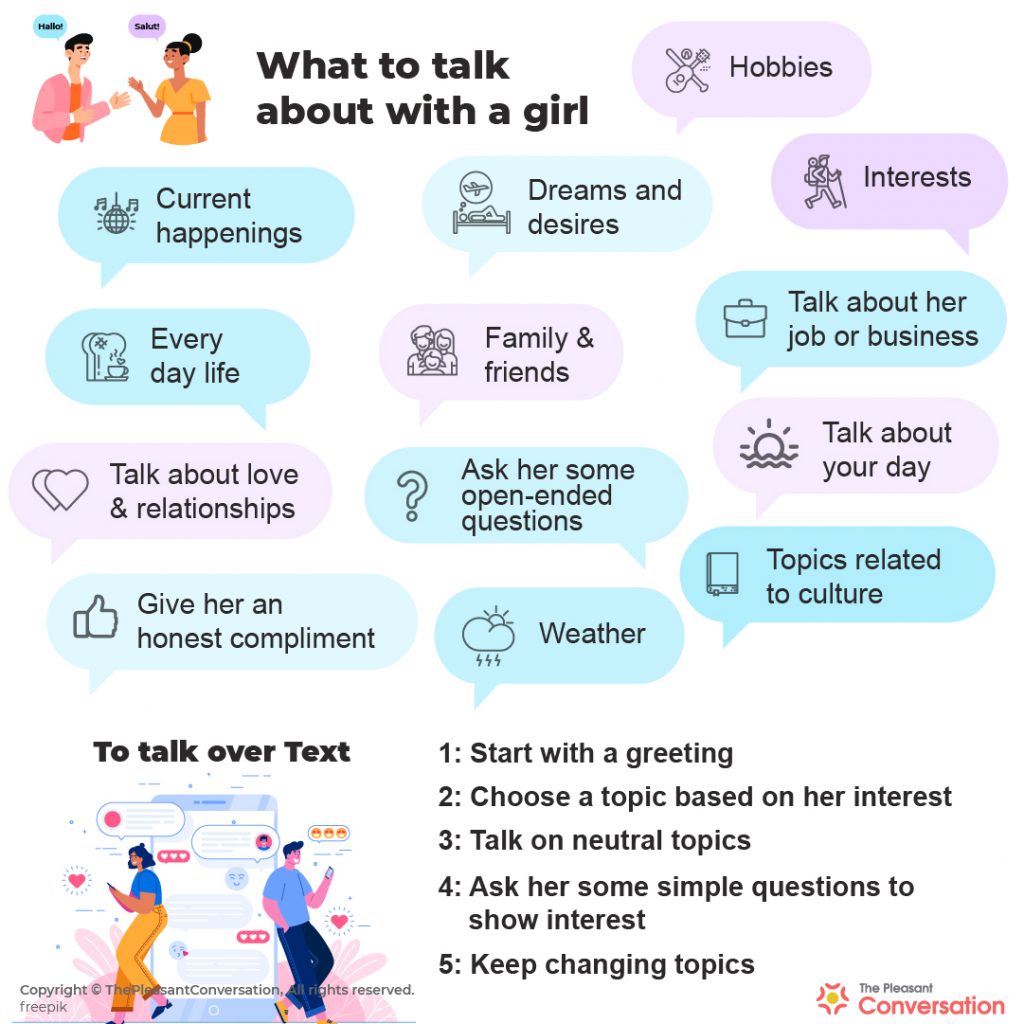
When you first meet someone, heavy or controversial subjects can create discomfort. Low-friction icebreakers focus on shared immediate environments, pop culture, or lighthearted preferences. These topics require minimal emotional investment and allow both parties to test the waters of the interaction safely.
- Current Entertainment: Discussing recently streamed television series, blockbuster films, or widely read books offers an easy entry point. Questions like, "Have you watched anything gripping on streaming lately?" or "What is the best book you have read this year?" invite simple answers that can easily branch out into broader preferences.
- Hobbies and Leisure Activities: People light up when discussing how they spend their free time. Inquire about weekend plans, creative pursuits, or outdoor activities. If someone mentions hiking, photography, or cooking, you have an immediate follow-up avenue to explore their specific techniques or favorite local spots.
- The Immediate Environment: If you are at a conference, a community gathering, or a social event, comment on the venue, the food, or the speaker. Sharing a light observation about the atmosphere provides a neutral, shared reality that both of you can react to.
| Category | Typical Difficulty | Emotional Depth | Best Suited For |
|---|---|---|---|
| Icebreakers & Pop Culture | Low | Low | Networking events, waiting rooms, casual parties |
| Travel & Experiences | Low to Medium | Medium | New acquaintances, dinners, casual dates |
| Professional & Ambitions | Medium | Medium | Conferences, professional mixers, mentorships |
| Values & Philosophy | High | High | Close friends, late-night conversations, deep bonds |
Travel, Adventure, and Shared Experiences
Travel is one of the most reliable catalysts for engaging conversation. Nearly everyone has a travel story, a memorable vacation disaster, or a dream destination on their bucket list.
When discussing travel, avoid simply listing countries visited. Instead, focus on the human element of exploration. Ask about local food discoveries, cultural surprises, or the most challenging part of a journey. If the other person has not traveled extensively, pivot to local exploration, regional weekend trips, or dream destinations they hope to visit in the future. This keeps the dialogue aspirational and inclusive.
Professional Pursuits and Creative Ambitions
For professional settings or educational environments, discussing career paths, creative projects, and long-term ambitions provides natural structure. However, moving past mundane job titles is essential to prevent the conversation from feeling like a standard resume review.
Instead of asking, "What do you do for a living?"—which can sometimes trigger professional fatigue—try asking, "What project are you most excited about right now?" or "How did you first get started in your field?" These framing techniques shift the focus from a static label to dynamic personal agency, passion, and problem-solving.
Deep, Values-Driven Conversations
When you want to transition an acquaintance into a closer friend, you must venture beyond surface-level observations. Deep conversations explore core values, personal philosophies, and formative life experiences.
- Personal Growth and Learning: Discussing habits, skills people are currently trying to master, or past challenges that transformed their perspective builds profound empathy. Ask about a piece of advice that changed how they approach daily decisions.
- Passions and Obsessions: Discovering what someone cares about deeply—whether it is renewable energy, historical architecture, or independent board game design—unlocks their inner world. Let them teach you about their niche interest.
- Future Vision: Explore where they see their life evolving over the next decade, the legacy they hope to leave, or the communities they wish to support.
Proven Strategies to Keep the Dialogue Flowing
Knowing what to talk about is only half the battle; knowing how to talk about it determines whether the exchange succeeds. Mastering a few core communication habits can instantly transform your social confidence.
The Power of Open-Ended Questions
Closed questions that elicit a simple "yes" or "no" often bring a conversation to an abrupt halt. Contrast a closed question like, "Did you enjoy the weekend?" with an open-ended variant like, "What was the highlight of your weekend?" The latter demands a narrative response, giving you multiple distinct threads to pull from in your follow-up reply.
The FORD and TED Techniques
Many conversationalists rely on structured mnemonic devices to guide their thinking when they feel stuck.
- FORD (Family, Occupation, Recreation, Dreams): A classic networking framework. If work stalls, move to recreation. If recreation stalls, pivot toward dreams and aspirations.
- TED (Tell, Explain, Describe): Instead of interrogating your conversation partner with rapid-fire questions, start your statements with prompts like, "Tell me about...", "Explain how you...", or "Describe your experience with..." This phrasing encourages storytelling rather than defensive answering.
Active Listening and the Art of the Follow-Up
The secret to never running out of things to talk about is listening closely to what the other person is already saying. Most people listen simply to formulate their next reply rather than to understand. When you practice active listening, you notice dropped keywords—an offhand mention of a rescue dog, a childhood spent in the Midwest, or an upcoming marathon. Capitalize on these clues by asking targeted follow-up questions that demonstrate genuine curiosity.
Common Pitfalls to Avoid in Conversation
Even with the best intentions, certain conversational traps can alienate your partner or drain the energy from an interaction. Being aware of these pitfalls helps maintain positive social momentum.
- Monopolizing the Discussion: Talking exclusively about yourself or your achievements makes the other person feel like an audience member rather than a participant. A healthy exchange follows a roughly balanced conversational tennis match.
- Interrogating Instead of Conversing: Firing off a rapid sequence of interview-style questions creates an uncomfortable pressure cooker environment. Balance your questions with self-disclosure and personal anecdotes.
- Navigating Sensitive Minefields: Unless you know someone exceptionally well, avoid diving immediately into divisive political debates, contentious religious doctrines, or invasive financial inquiries. While these topics have their place, introducing them prematurely often triggers defensive postures.
Frequently Asked Questions About Conversation Topics
How do I start a conversation with a complete stranger?
Begin with a situational observation or a polite, low-stakes compliment about something neutral, such as a unique pin on a backpack or a book they are reading. Follow up with an open-ended question related to the observation.
What should I do if the conversation hits an awkward silence?
Do not panic or rush to fill every quiet second with nervous chatter. A brief pause is entirely natural. Use the quiet moment to comment on a new element in your surroundings, or gently reference a topic discussed earlier in the chat by saying, "You mentioned earlier that you love cooking—have you tried any new recipes lately?"
How can I transition from small talk to deep topics without being awkward?
Look for bridges between surface-level topics and underlying values. For example, if someone mentions they just returned from a trip, you can transition from small talk about the weather to a deeper discussion by asking, "Did visiting that culture change how you view your daily routine back home?"
Is it okay to use pre-planned conversation prompts?
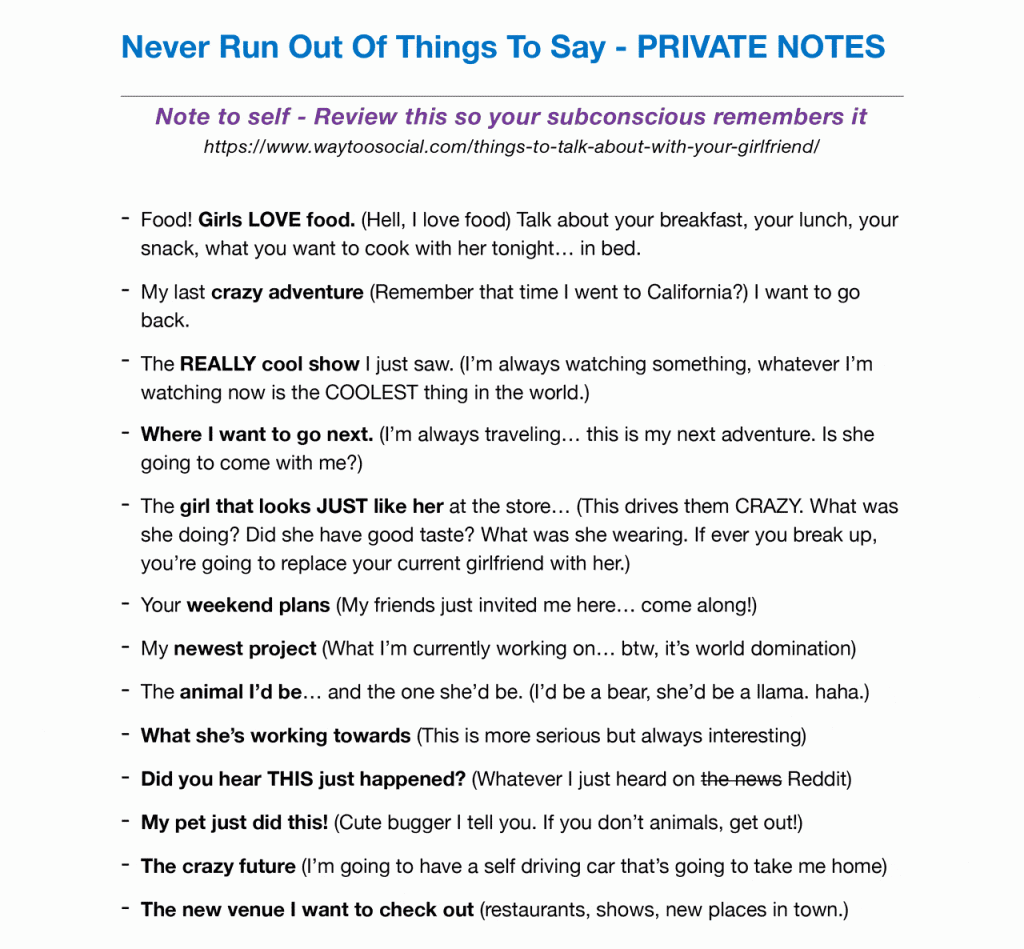
Yes. Using mental lists of interesting questions, recent news stories, or fun trivia facts is a common strategy used by public speakers, interviewers, and socially anxious individuals alike to build confidence before entering social environments.
How do I politely exit a conversation that is going nowhere?
Acknowledge the interaction positively, express gratitude for their time, and provide a clear, polite reason for leaving. For example: "It was wonderful hearing about your photography projects. I need to go grab a drink and say hello to the host, but let's keep in touch."
Final Recommendations for Better Conversations
Mastering the art of finding things to talk about requires patience, genuine curiosity, and consistent practice. Rather than memorizing a rigid script, focus on cultivating a genuine interest in the human stories unfolding around you. Approach every interaction with the assumption that the other person possesses a unique perspective, a hidden passion, or a life experience you know nothing about. By replacing performance anxiety with authentic curiosity, you will find that engaging, meaningful conversations happen naturally wherever you go.
Image Gallery