The Rise of Bikini Line Cream Hair Removal: A Modern Guide to Painless Grooming
The surge in popularity of bikini line hair removal creams is driven by recent breakthroughs in chemical formulation that prioritize skin barrier health and user comfort. In 2026, these depilatories have moved beyond the "emergency fix...
The surge in popularity of bikini line hair removal creams is driven by recent breakthroughs in chemical formulation that prioritize skin barrier health and user comfort. In 2026, these depilatories have moved beyond the "emergency fix" category to become a sophisticated, pain-free alternative to professional waxing and expensive laser treatments for home-based grooming.
Contents
The Evolution of Depilatory Technology
The historical perception of hair removal creams was often marred by accounts of harsh chemical odors and skin irritation. However, the landscape in 2026 is vastly different. The current "rise" of these products is not merely a trend in fashion, but a result of significant advancements in cosmetic chemistry.
Earlier generations of depilatories relied almost exclusively on high concentrations of thioglycolic acid, which targets the protein structure of the hair. While effective, these formulas often had a pH level that was too aggressive for the sensitive skin of the bikini area. Modern formulations have integrated "encapsulated sulfur" technology and pH-balancing agents that allow the active ingredients to break down the hair’s keratin without compromising the skin's acidic mantle.
Furthermore, the rise of "skin-care-ification" in the beauty industry has influenced these products. Consumers now expect their hair removal methods to do more than just remove hair; they want hydration, exfoliation, and soothing benefits. Leading brands now incorporate high-quality lipids, such as ceramides and squalane, which form a protective layer on the epidermis during the chemical process. This shift has mitigated the primary barrier to entry for many users: the fear of chemical burns.
How Modern Bikini Creams Work: The Science of Keratolysis
To understand why bikini line creams have become a preferred method, one must understand the biological process of keratolysis. The hair shaft is composed primarily of keratin, a fibrous protein held together by disulfide bonds.
- Disulfide Bond Reduction: The primary active ingredients, typically calcium thioglycolate or potassium thioglycolate, act as reducing agents. They target the disulfide bridges that give the hair its strength and structure.
- Swelling of the Hair Shaft: Highly alkaline ingredients, such as calcium hydroxide, cause the hair shaft to swell. This allows the reducing agents to penetrate more deeply and quickly, ensuring the hair is dissolved just below the surface of the skin.
- Mechanical Removal: Once the internal structure of the hair is sufficiently weakened, it takes on a jelly-like consistency. When the cream is wiped away with a damp cloth or spatula, the hair breaks off cleanly.
Because the hair is removed slightly below the skin's surface, the resulting feel is smoother than shaving, which cuts the hair at an angle, often leaving a "stubble" feel. This "below-the-surface" action is a major factor in the 2026 consumer preference for creams over traditional razors.
Comparing Bikini Line Hair Removal Methods in 2026
When deciding on a grooming method, consumers often weigh the factors of pain, cost, and longevity. The following table provides a comparison of the most common methods available today.
| Method | Longevity | Pain Level | Average Cost (2026) | Primary Risk |
|---|---|---|---|---|
| Depilatory Cream | 4–7 Days | None to Low | $10–$25 per tube | Chemical Sensitivity |
| Shaving | 1–3 Days | Low | $2–$5 per razor | Nicks & Ingrowns |
| Waxing | 3–6 Weeks | High | $50–$90 per session | Folliculitis |
| Laser Removal | Semi-Permanent | Moderate | $200–$500 per session | Skin Discoloration |
| Epilation | 2–4 Weeks | High | $60–$150 (Device) | Redness/Irritation |
As the table illustrates, depilatory creams occupy a "sweet spot" for those who prioritize a pain-free experience and lower immediate costs compared to salon-based services.
The Drivers Behind the 2026 Popularity Surge
Several socio-economic and technological factors have contributed to the rise of bikini line cream hair removal over the last few years.
Economic Shifts and At-Home Maintenance
With the rising cost of professional aesthetic services, many individuals have shifted toward at-home maintenance. A single salon wax in 2026 can cost upwards of $75, excluding gratuity. In contrast, a high-quality, dermatologically tested bikini cream provides multiple applications for a fraction of that price. This economic pragmatism has driven a massive influx of new users to the depilatory market.
Improved Fragrance Profiles
Historically, the "rotten egg" smell of depilatories—caused by the breakdown of sulfur bonds—was a significant deterrent. In 2026, scent-masking technology has reached a point where the chemical odor is nearly undetectable, replaced by light floral or neutral "clean" scents. This improvement in the sensory experience has made the process far more palatable for regular use.
Targeted Formulations for Sensitive Areas
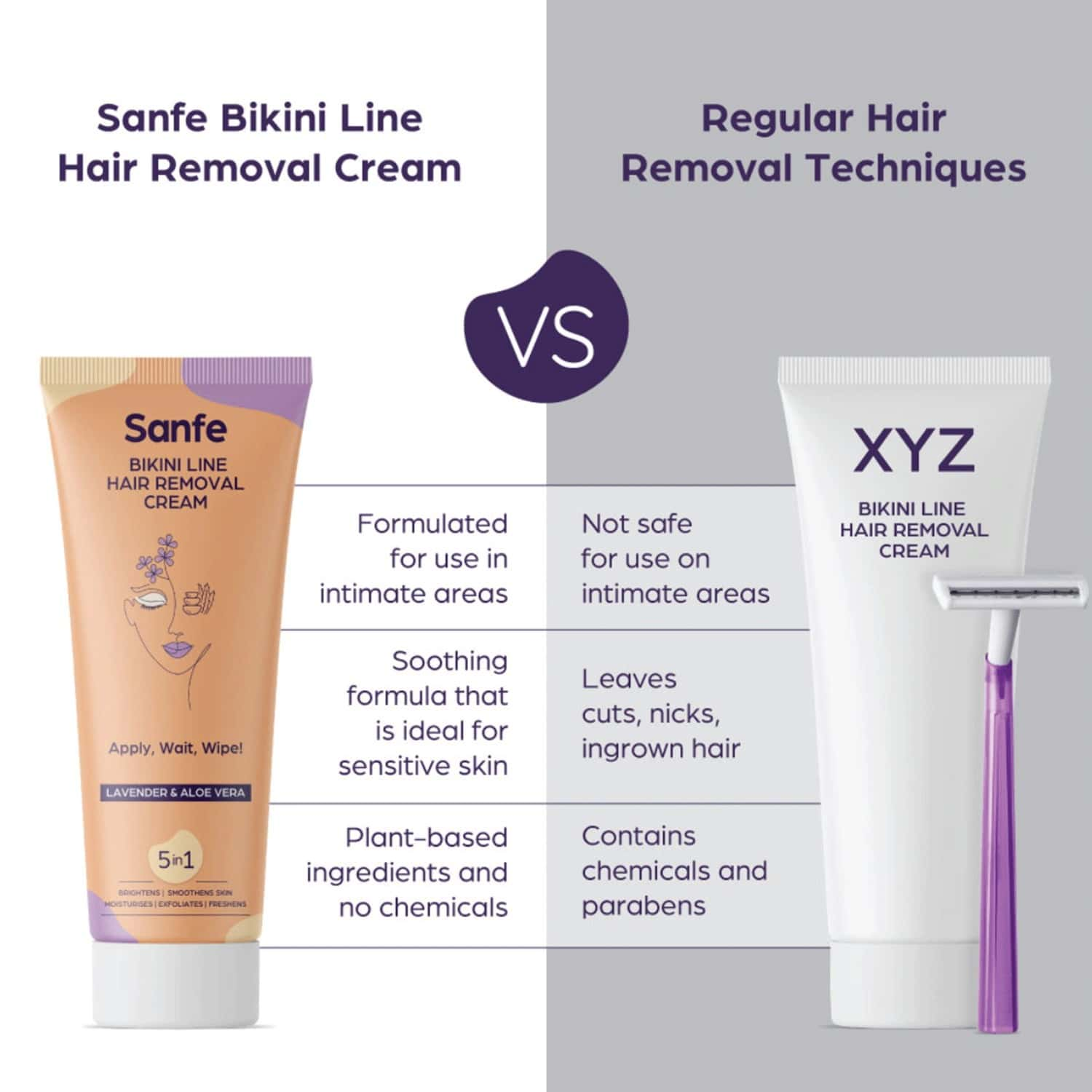
Brands have finally moved away from "one-size-fits-all" hair removal. There is now a clear distinction in the market between "body" creams and "bikini-specific" creams. The latter are formulated with lower concentrations of active chemicals and higher concentrations of anti-inflammatory agents like bisabolol and aloe vera. This targeted approach has increased consumer trust, as the products are specifically designed for the delicate pH balance of the pelvic region.
Essential Safety Protocols and Application Tips
Despite the advancements in formula, the bikini line remains a sensitive area. To ensure a safe and effective experience, users should follow a rigorous application protocol.
The 24-Hour Patch Test
Never skip the patch test, even if you have used similar products before. Apply a small amount of the cream to a small area of the inner thigh or the outer bikini line. Wait the full recommended time, remove it, and monitor the area for 24 hours. If there is no redness, itching, or burning, it is generally safe to proceed. According to the American Academy of Dermatology, patch testing is the most effective way to prevent contact dermatitis.
Proper Preparation
- Cleanse: Ensure the area is clean and free of oils or lotions, which can act as a barrier to the cream.
- Dry Thoroughly: Water on the skin can dilute the cream, making it less effective and potentially causing it to run into unwanted areas.
- Check for Breaks: Never apply cream to skin that has cuts, abrasions, or recent sunburn. The alkaline nature of the product will cause significant pain and potential scarring on broken skin.
Application and Timing
Use the provided spatula or a gloved hand to apply a thick, even layer. Do not rub it in; the cream needs to sit on top of the hair to work. Use a timer—do not guess. Most modern creams are designed to work within 3 to 8 minutes. Exceeding the maximum recommended time is the most common cause of chemical burns.
Potential Limitations and Troubleshooting
While the rise of these creams is well-founded, they are not without limitations. It is important to manage expectations regarding certain hair types and skin reactions.
- Coarse Hair Resistance: Individuals with very coarse or "wiry" hair may find that creams do not fully dissolve the hair in one session. In these cases, it is tempting to leave the cream on longer, but this is dangerous. It is better to wait 48 to 72 hours before attempting a second application.
- Chemical Sensitivity: Some users may develop a sensitivity over time. If you experience a stinging sensation, remove the product immediately with cool water and a pH-balanced cleanser.
- Ingrown Hair Prevention: While creams are less likely to cause ingrown hairs than shaving, they can still occur if dead skin cells clog the follicle. Incorporating a gentle chemical exfoliant (like salicylic acid) two days after hair removal can help maintain a smooth bikini line.
Frequently Asked Questions
Can bikini line creams be used on the entire "Brazilian" area?
Most manufacturers specify that their products are for the "bikini line"—the area outside the underwear line. The internal mucosal tissues (labia minora and perianal area) are extremely sensitive and have a different pH balance. Unless a product is explicitly labeled for "intimate" or "full pubic" use and has been gynecologically tested, it should be kept away from the most sensitive internal areas to avoid severe irritation or chemical burns.
Why does the hair grow back "soft" compared to shaving?
When you shave, the razor cuts the hair at a sharp, blunt angle. As it grows out, this edge feels prickly. Depilatory creams dissolve the hair into a rounded, tapered end. When this hair emerges from the follicle, it feels significantly softer to the touch, which also reduces the "itchy" phase of regrowth.
Are hair removal creams safe during pregnancy?
Generally, most topical depilatories are considered safe during pregnancy because the systemic absorption of the active ingredients is negligible. However, hormonal changes during pregnancy can make the skin more sensitive or reactive. The FDA recommends consulting with a healthcare provider before introducing new chemical treatments during pregnancy.
How often can I use bikini line hair removal cream?
Most experts recommend waiting at least 72 hours between applications. Using the product too frequently can strip the skin of its natural oils and lead to chronic dryness or irritation. For most users, a weekly application is sufficient to maintain a clean bikini line.
What should I do if I get a chemical burn?
If the skin appears bright red, blisters, or feels like a severe sunburn, you may have a chemical burn. Immediately rinse the area with cool (not cold) water for at least 10 minutes. Avoid using soaps or scented lotions. Apply a thin layer of plain petroleum jelly or a hydrocortisone cream to soothe the inflammation. If the burn is extensive or blistering, seek medical attention promptly.
Choosing the Right Product for Your Needs
In 2026, the "best" product is the one that aligns with your specific skin sensitivity and hair density. Look for products that feature "dermatologist-tested" and "fragrance-free" labels if you have reactive skin. For those with thicker hair, "extra strength" formulas are available, but they require even stricter adherence to timing.
The rise of bikini line cream hair removal marks a shift toward accessible, pain-free, and skin-conscious grooming. By understanding the chemistry involved and adhering to safety protocols, you can achieve professional-level results at home, enjoying the benefits of long-lasting smoothness without the discomfort of traditional methods.
Image Gallery