Where Peregrine Falcons Are Found in the World
Peregrine falcons (Falco peregrinus) are found on every continent except Antarctica, making them one of the most widely distributed birds of prey on Earth. Their global range spans coastal areas, mountain ranges, vast open wetlands, an...
Peregrine falcons (Falco peregrinus) are found on every continent except Antarctica, making them one of the most widely distributed birds of prey on Earth. Their global range spans coastal areas, mountain ranges, vast open wetlands, and increasingly, dense urban environments where skyscrapers mimic sheer cliff faces.
Contents
The Global Distribution of Peregrine Falcons
The peregrine falcon is a cosmopolitan species, boasting a geographic range that stretches across vast swathes of the globe. From the arctic tundra of North America to the southern tips of South America, and across Europe, Asia, Africa, and Australia, these raptors have adapted to an astonishing variety of climates and elevations. Ornithologists divide this massive distribution into distinct geographic regions, each supporting localized subspecies with unique migratory and sedentary behaviors.
While they are absent from extreme desert interiors, dense tropical rainforests, and the ice-free expanses of Antarctica, they can thrive almost anywhere else that offers secure nesting sites and an abundant supply of avian prey. Their distribution is closely tied to the availability of prey—primarily medium-sized birds such as pigeons, doves, starlings, and waterfowl—as well as vertical structures suitable for nesting, known as scrapes.
Regional Breakdown of Habitats
To understand where peregrine falcons live, it is helpful to examine their presence across major global regions. Each continent presents different ecological conditions that shape how these birds hunt, breed, and migrate.
- North America: Breeding populations extend from the high arctic tundra of Alaska and Canada down through the mountainous western United States, parts of Mexico, and coastal regions. While northern populations are strictly migratory—traveling thousands of miles to winter in Central and South America—many temperate and coastal populations remain year-round residents.
- Europe and Eurasia: Peregrines range from the Scandinavian fjords and the British Isles down to the Mediterranean basin and across the vast Eurasian steppes. European populations experienced severe declines during the mid-20th century due to organochlorine pesticides like DDT, but aggressive conservation and reintroduction programs have successfully restored populations across much of the continent.
- Asia and Oceania: Their range covers northern Russia, parts of the Middle East, Central Asia, India, Southeast Asia, and stretches down through Australia and the islands of the South Pacific. In Australia, they are widely distributed across the mainland and Tasmania, though generally absent from hyper-arid interior deserts.
- Africa: Peregrines are found across sub-Saharan Africa, parts of North Africa, and Madagascar. African populations often overlap with the closely related resident desert-dwelling species, such as the Barbary falcon (Falco pelegrinoides), leading to complex taxonomic interactions along desert margins.
- South and Central America: They are found along the Andean cordillera, coastal cliffs, and open pampas. During the boreal winter, South America also serves as the final destination for thousands of migrant peregrines originating from North America.
Natural Habitats vs. Urban Environments
Historically, peregrine falcons were strictly creatures of the wild, choosing habitats defined by vertical geography. Understanding their transition into urban landscapes reveals the remarkable behavioral flexibility that allows them to thrive alongside human civilization.
Natural Cliffs, Coastal Headlands, and Tundra
In natural settings, the ideal peregrine habitat features high elevation relief that provides a commanding view of the surrounding landscape and protection from ground predators.
- Mountain Ranges: Alpine ledges and canyon walls offer secure nesting spots where pairs can defend their territory against golden eagles, ravens, and mammalian predators.
- Coastal Cliffs: Sea cliffs provide immediate access to marine bird colonies, supplying a steady and reliable food source during the breeding season.
- Arctic Tundra: In the far north, peregrines nest on low bluffs and river cutbanks, taking advantage of the brief, intense summer productivity to raise their young.
The Urban Adaptation: Skyscrapers and Bridges
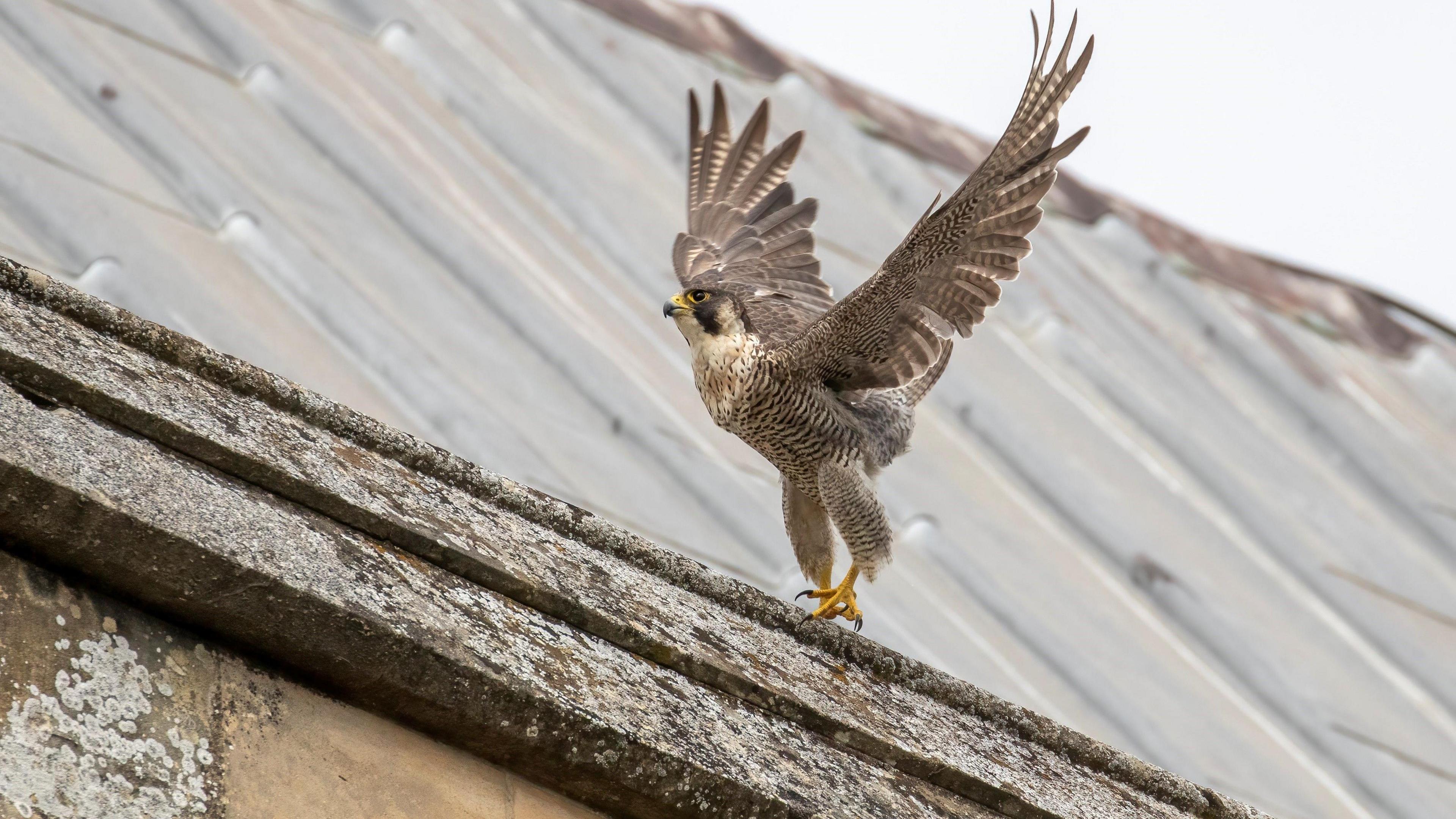
Over the past century, peregrine falcons have successfully colonized major cities worldwide, including New York, Chicago, London, Melbourne, and Tokyo. Urban environments offer distinct evolutionary advantages that compensate for the loss of wild spaces.
| Habitat Feature | Natural Environment | Urban Environment |
|---|---|---|
| Nesting Ledges | Rock cliffs, bluffs | Skyscrapers, bridges |
| Primary Prey | Shorebirds, waterfowl | Pigeons, starlings |
| Predator Pressure | Owls, eagles, martens | Great horned owls |
| Microclimate | Variable winds | Urban heat islands |
Skyscrapers and suspension bridges provide vertical concrete and steel surfaces that closely mimic natural cliff ledges. Meanwhile, cities maintain artificially high populations of feral pigeons and European starlings, ensuring that a peregrine never has to travel far to find a meal. Furthermore, the ambient warmth of urban heat islands can make winter survival more manageable for resident pairs.
Migration Patterns and Geographic Mobility
Not all peregrine falcons travel the same distances. Their movement patterns vary widely depending on latitude, climate severity, and food availability. Ornithologists generally categorize populations into three distinct behavioral groups.
Arctic and Sub-Arctic Migrants
Populations breeding in the high latitudes of North America and Eurasia are long-distance migrants. As winter approaches and temperatures drop, freezing out their insect- and bird-eating prey base, these birds embark on remarkable journeys. Some individuals banded in Greenland or northern Canada have been tracked flying thousands of miles south to wintering grounds in Argentina, Chile, or the southern United States.
Temperate and Resident Populations
At mid-latitudes—such as in the central United States, Western Europe, and parts of Australia—peregrines are largely sedentary. Adults establish permanent territories that they defend year-round. While juveniles may disperse widely after fledging to find independent hunting grounds and mates, established breeding pairs rarely abandon their home range.
Altitudinal Migration
In mountainous regions, some peregrine falcons engage in altitudinal migration rather than latitudinal travel. When winter snowpacks cover high-altitude cliffs and drive prey species down into lower valleys, the falcons follow them downward, returning to the peaks once spring arrives.
Conservation Status and Geographic Recovery
The global distribution of peregrine falcons has been heavily influenced by human intervention over the last eighty years. Between the 1950s and 1970s, widespread agricultural use of synthetic pesticides, notably DDT, caused catastrophic reproductive failure across North America and Europe. Eggshells thinned to the point of breaking under the weight of incubating parents, driving the species to near-extinction in many parts of its historical range.
Thanks to coordinated international bans on DDT and pioneering captive-breeding and release programs—such as those led by The Peregrine Fund in the United States—populations rebounded remarkably. Today, the peregrine falcon is classified as a species of Least Concern by the International Union for Conservation of Nature (IUCN). Their current global population is estimated in the tens of thousands, demonstrating one of modern wildlife management's greatest success stories.
Frequently Asked Questions
Are peregrine falcons found on every continent?
They are found on every continent except Antarctica. While they occasionally pass through or hunt near sub-antarctic islands, they do not breed on the frozen southern continent due to a lack of suitable terrestrial prey and nesting sites.
Do peregrine falcons live in cities permanently?
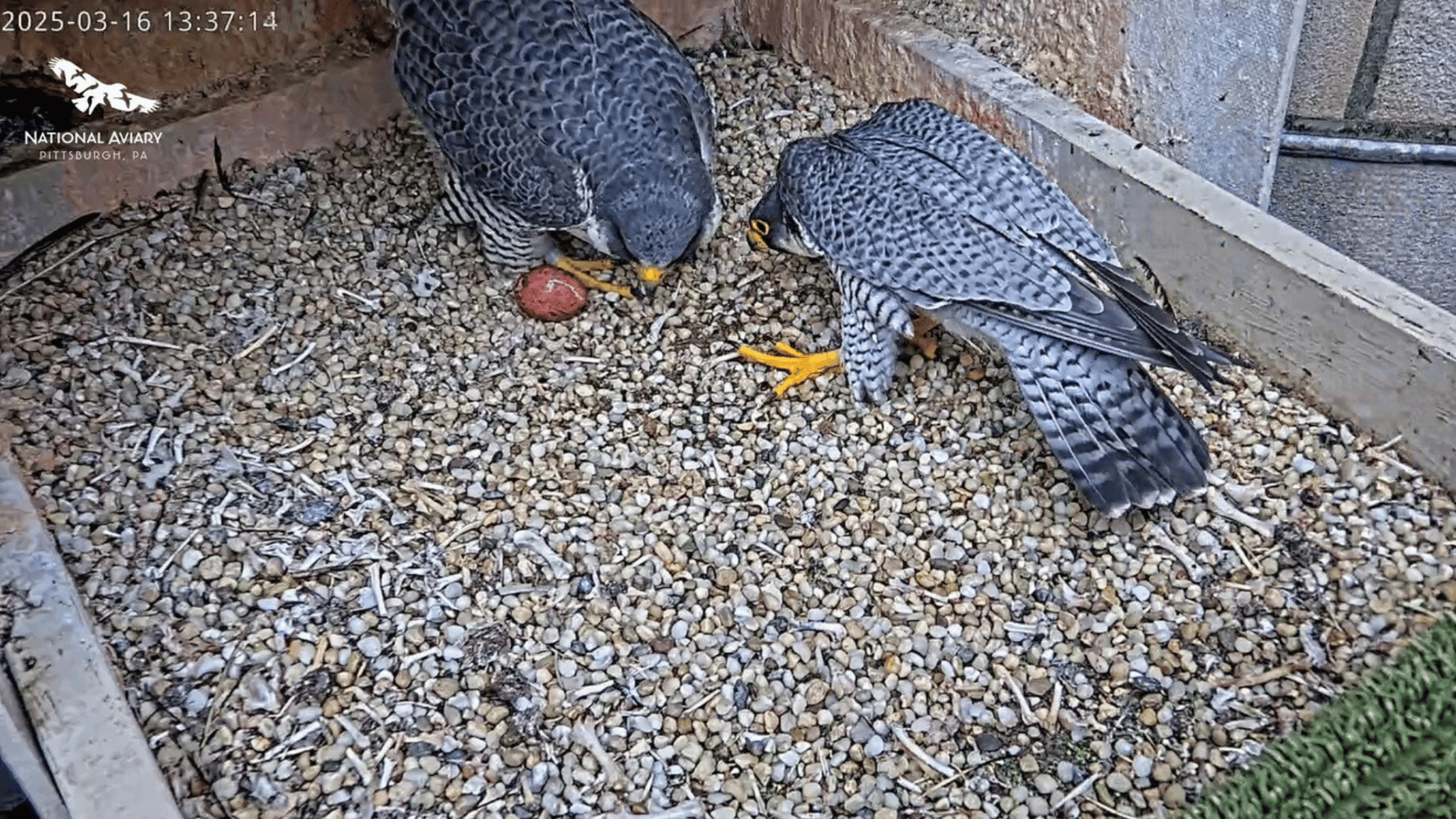
Yes. Many urban peregrine falcons are year-round residents. They establish permanent territories on tall buildings, cathedrals, and bridges, successfully hunting feral pigeons and raising chicks in the heart of major metropolitan areas.
How far do migrating peregrine falcons travel?
Long-distance migrants from the arctic tundra can travel upwards of 15,000 to 25,000 kilometers (round trip) annually. Some individuals cross open oceans, deserts, and mountain chains to reach their wintering grounds in South America or Southern Africa.
Why do peregrine falcons prefer cliffs and skyscrapers?
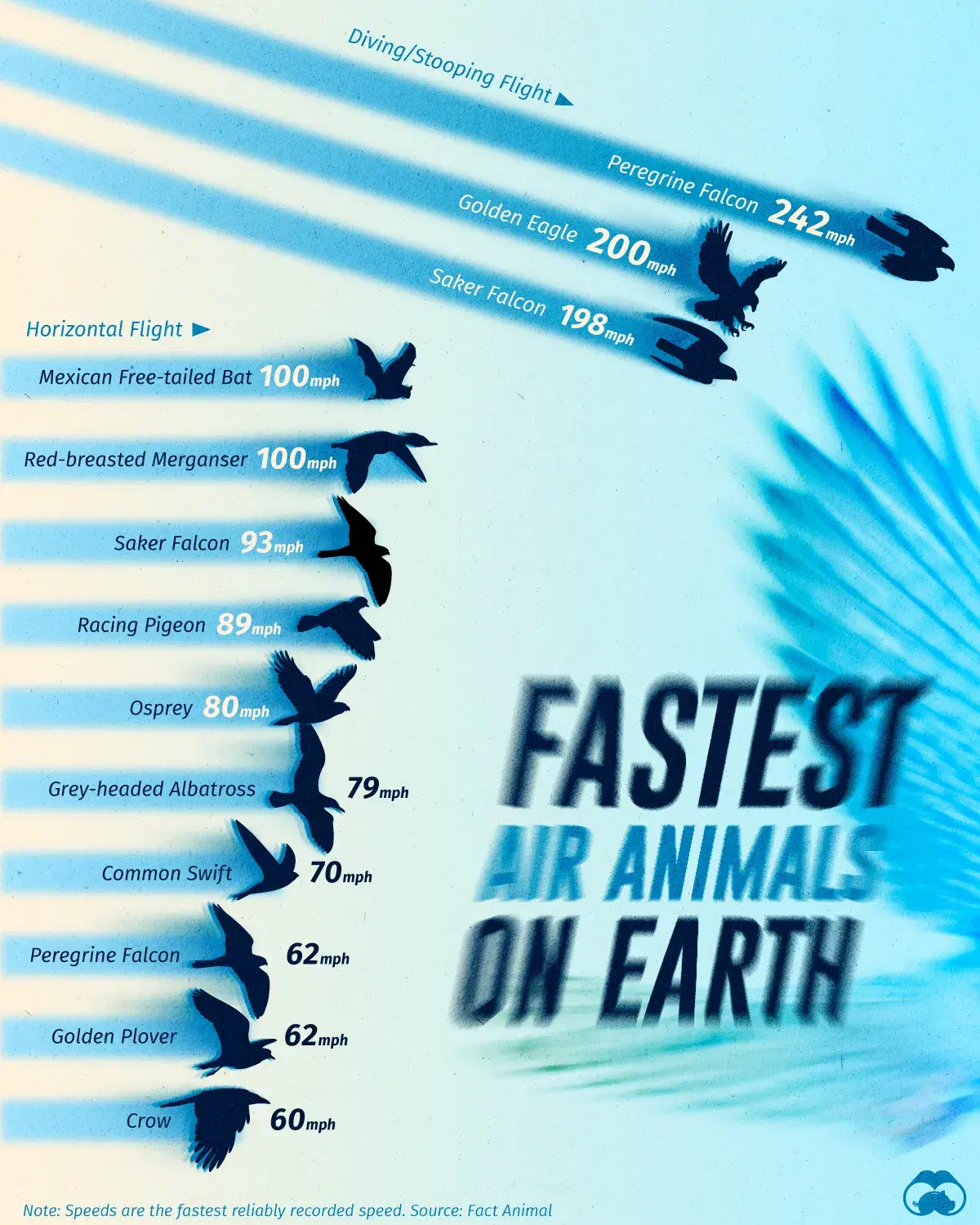
Vertical structures offer several survival advantages. They provide an unobstructed view of the surrounding airspace, make it difficult for ground-dwelling predators to reach eggs and nestlings, and serve as launch pads for the falcon's high-speed stoop.
Are peregrine falcons endangered today?
No. Following the nationwide ban on DDT in the 1970s and intensive conservation breeding efforts, peregrine falcon populations recovered significantly. The IUCN currently lists the species as Least Concern globally.
Practical Observation and Next Actions
If you want to observe peregrine falcons in the wild or in an urban setting, start by checking local conservation group registries or urban wildlife cameras during the spring breeding season. Look up at the highest architectural points of historic downtown buildings, bridge towers, or prominent coastal bluffs. Binoculars or a spotting scope are essential for viewing these birds without disturbing nesting pairs, as federal and local wildlife protection laws strictly prohibit harassing raptors near their breeding sites.
Image Gallery