What a Near Drowning Attorney Does: Navigating Complex Aquatic Injury Claims
A near drowning attorney specializes in representing victims who have survived submersion accidents but suffered significant injuries, such as brain damage. They investigate the incident, identify negligent parties like pool owners or...
A near drowning attorney specializes in representing victims who have survived submersion accidents but suffered significant injuries, such as brain damage. They investigate the incident, identify negligent parties like pool owners or equipment manufacturers, quantify long-term medical costs, and litigate to secure compensation for ongoing care and rehabilitation needs.
Contents
While the term "near drowning" is frequently used by the public and in legal filings, the medical community and organizations like the World Health Organization (WHO) have shifted toward the term "non-fatal drowning." Regardless of the terminology, the consequences are often catastrophic. When a person is submerged and unable to breathe, oxygen deprivation to the brain begins within minutes. Even if the victim is Resuscitated, the resulting anoxic or hypoxic brain injuries can lead to lifelong cognitive impairment, motor skill loss, and the need for 24-hour care.
In 2026, the legal landscape for aquatic accidents is increasingly governed by a combination of federal safety standards, state-specific premises liability laws, and evolving technology in pool monitoring. A near drowning attorney acts as the bridge between the medical reality of the victim’s condition and the legal mechanisms required to fund their future.
Comprehensive Case Investigation and Evidence Gathering
The primary task of a near drowning attorney is to reconstruct the events leading up to the accident. Unlike a typical slip-and-fall case, aquatic accidents often happen in seconds and may involve complex factors like mechanical failure or negligent supervision.
An attorney begins by securing the scene. In 2026, this frequently involves digital forensics. Many commercial and high-end residential pools now utilize underwater AI-driven detection systems or advanced CCTV. An attorney will move quickly to issue a spoliation letter, which legally prevents the property owner from deleting or overwriting video footage.
Beyond video, the attorney gathers:
- Maintenance Records: Checking if the pool's pH levels, clarity, and equipment (like drain covers) were maintained according to local health department codes.
- Staffing Logs and Certifications: In commercial settings, the attorney verifies that lifeguards on duty held valid certifications from recognized bodies such as the American Red Cross or YMCA, and that they were following proper rotation schedules to prevent fatigue.
- Witness Statements: Interviewing bystanders, first responders, and facility employees while memories are fresh.
- Compliance Audits: Determining if the facility complied with the Virginia Graeme Baker Pool & Spa Safety Act, which mandates specific types of drain covers to prevent suction entrapment.
Identifying Liable Parties in Aquatic Accidents
Determining who is at fault is rarely straightforward. A near drowning attorney must evaluate multiple potential defendants to ensure all avenues of recovery are explored. Liability generally falls into four categories:
1. Premises Liability
This is the most common avenue for litigation. It holds the property owner—whether a private homeowner, a hotel, or a municipal park—responsible for maintaining a safe environment. In 2026, premises liability often hinges on whether there was a "duty of care" owed to the victim. For example, a hotel has a high duty of care to ensure its pool area is fenced and that depth markers are clearly visible.
2. Negligent Supervision
This applies to cases involving public pools, summer camps, or schools. If a lifeguard was distracted, texting, or absent from their post, the entity employing them can be held vicariously liable. Attorneys look for breaches in the "10/20 protection rule," a standard requiring lifeguards to scan their zone within 10 seconds and reach a victim in distress within 20 seconds.
3. Product Liability
If a near drowning occurred because of a defective product—such as a gate latch that failed, a pool toy that obscured a child, or a suction outlet that trapped a swimmer—the manufacturer may be held liable. These cases involve technical engineering experts who analyze the product’s design and manufacturing process.
4. The Attractive Nuisance Doctrine
A specialized area of law that near drowning attorneys use when children are involved. This doctrine can hold a homeowner liable for a drowning or near drowning of a trespassing child if the homeowner failed to secure a pool that they knew (or should have known) would attract children.
The Role of Medical Experts and Life Care Planning
Perhaps the most critical function of a near drowning attorney is "valuing" the claim. Because non-fatal drowning often results in permanent neurological damage, the settlement must cover more than just immediate hospital bills.
Attorneys work with Life Care Planners to create a comprehensive document that projects the victim's needs over their remaining life expectancy. In 2026, the costs of neurological rehabilitation and home health care have reached all-time highs, making this projection vital. A typical life care plan for a severe brain injury victim may include:
- Ongoing Therapies: Occupational, physical, and speech therapy.
- Home Modifications: Installing ramps, widening doors, or adding specialized bathroom fixtures.
- Medical Equipment: High-tech wheelchairs, respiratory aids, and communication devices.
- 24/7 Nursing Care: Professional assistance for activities of daily living (ADLs).
- Lost Earning Capacity: Calculating what the victim would have earned over their lifetime had the injury not occurred.
Without an attorney to coordinate these experts, families often settle for amounts that seem large initially but run out within a few years, leaving the victim without necessary care.
Navigating Legal Defenses and Comparative Negligence
In many jurisdictions, the defense will attempt to shift blame onto the victim or the victim's parents. This is known as comparative negligence. For example, a defendant might argue that a parent was not properly supervising their child or that a victim ignored "No Diving" signs.
A near drowning attorney anticipates these defenses. They use expert testimony to show that the property owner’s failure (such as a broken gate) was the "proximate cause" of the injury, regardless of minor lapses in supervision. In states following "pure comparative negligence" rules, a victim can still recover damages even if they are partially at fault, though the award is reduced by their percentage of fault.
| Type of Negligence | Common Location | Key Evidence Needed | Primary Defendant |
|---|---|---|---|
| Inadequate Fencing | Residential Backyards | Local building code records, gate photos | Homeowner / Landlord |
| Lifeguard Inattention | Water Parks / Public Pools | Surveillance footage, training logs | Management Company |
| Suction Entrapment | Hot Tubs / Spas | Drain cover model numbers, VGB compliance | Manufacturer / Property Owner |
| Lack of Signage | Hotel Pools | Photography of deck area, depth markers | Hotel Franchise / Corporate Parent |
| Inadequate Lighting | Night-time Pool Areas | Light meter readings, electrical logs | Facility Maintenance Firm |
The Impact of the 2026 Legal Environment
As of 2026, new regulations regarding pool safety technology have started to influence litigation. Several states now require "Layers of Protection," which include not just fences, but also door alarms and pool surface sensors. A near drowning attorney will investigate whether these specific 2026 safety mandates were met. If a facility failed to upgrade to these modern standards, it significantly strengthens the case for negligence.
Furthermore, insurance companies in 2026 have become more aggressive in denying claims related to aquatic accidents due to the high payout potential. An attorney handles all communications with these insurers, preventing the family from making statements that could be used against them later.
Frequently Asked Questions
What is the difference between a drowning and a near drowning?
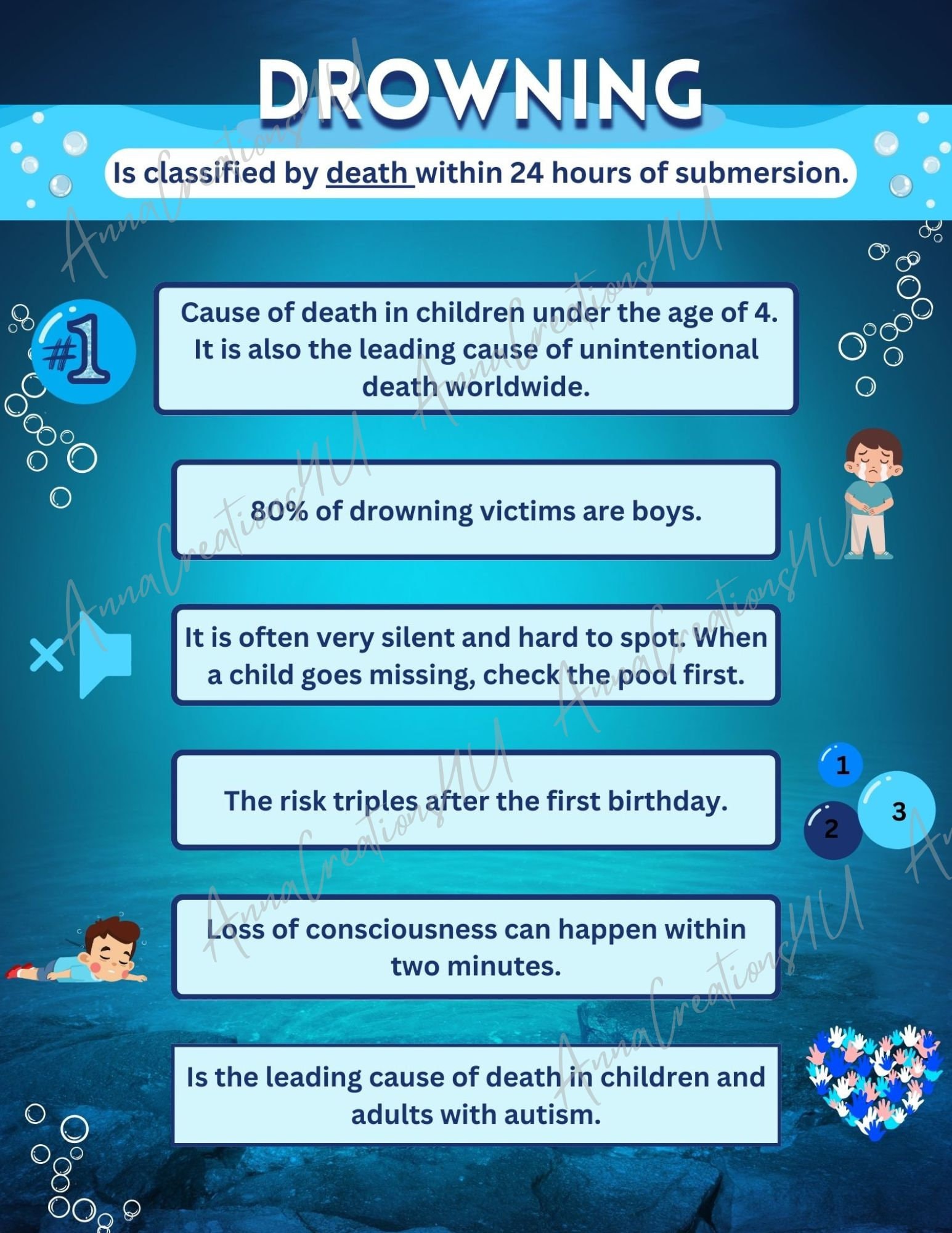
In legal and medical terms, a drowning results in death within 24 hours of the submersion. A near drowning (or non-fatal drowning) occurs when the victim survives the initial event for at least 24 hours. However, near drowning often results in permanent brain damage due to lack of oxygen, requiring extensive long-term legal action for medical coverage.
How much does it cost to hire a near drowning attorney?
Most near drowning attorneys work on a contingency fee basis. This means the family pays nothing upfront. The attorney covers all costs of the investigation, expert witnesses, and filing fees. They only receive a percentage of the final settlement or court award. If there is no recovery, the family typically owes nothing in legal fees.
Can I sue if there was a "Swim at Your Own Risk" sign?
Yes. A sign does not give a property owner a "blank check" to be negligent. For example, a sign does not excuse a hotel from failing to fix a broken pool gate or failing to maintain water clarity. An attorney can argue that the sign did not waive the owner's basic duty to provide a safe environment or to comply with state safety regulations.
How long do I have to file a lawsuit after an accident?
This is governed by the Statute of Limitations, which varies by state. While it is often two to four years from the date of the accident, there are exceptions for minors (the "tolling" of the statute), which may extend the deadline until the child reaches adulthood. However, evidence disappears quickly, so consulting an attorney as soon as possible is recommended.
What if the accident happened at a friend's house?
These cases are usually handled through the friend's homeowners' insurance policy. While it can be emotionally difficult to sue a friend, the goal is to access the insurance funds specifically designed for these tragedies, not to take personal assets from the friend. An attorney acts as a buffer to handle the professional and legal aspects of the claim.
Seeking Professional Legal Guidance
If you or a loved one has suffered a non-fatal drowning incident, the path forward involves significant medical and financial challenges. The first step should be to consult with a specialized aquatic injury firm that has experience in brain injury litigation and premises liability.
A qualified attorney will offer a free case evaluation to determine if negligence played a role. Because of the technical nature of pool safety codes and the high cost of lifelong care, these cases require more than just a general personal injury lawyer. They require a dedicated advocate who understands the nuances of aquatic safety and the long-term medical needs of brain injury survivors.
Image Gallery