Can You Take Ibuprofen the Day Before a Colonoscopy?
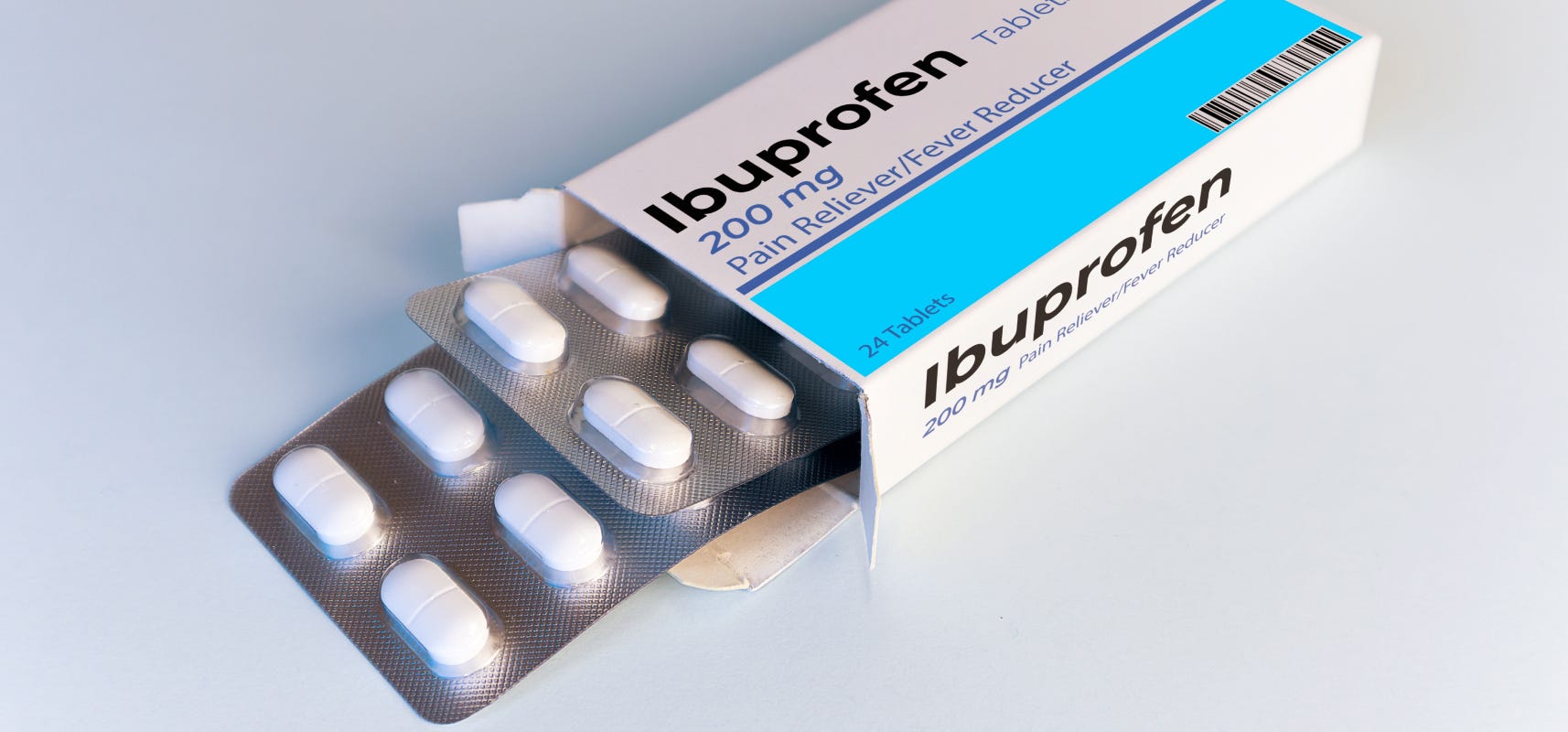
Generally, you should avoid taking ibuprofen the day before a colonoscopy, as nonsteroidal anti-inflammatory drugs can irritate the gastrointestinal lining and increase the risk of bleeding, especially if biopsies or polyp removals are...
Generally, you should avoid taking ibuprofen the day before a colonoscopy, as nonsteroidal anti-inflammatory drugs can irritate the gastrointestinal lining and increase the risk of bleeding, especially if biopsies or polyp removals are performed during the procedure. Patients must always follow the specific pre-procedure medication guidelines provided by their gastroenterologist or endoscopy center.
Contents
Preparing for a colonoscopy requires careful coordination between dietary adjustments, bowel preparation solutions, and medication management. Patients often wonder about routine over-the-counter pain relievers, particularly when managing headaches, joint pain, or chronic conditions during the preparation phase. Understanding how medications like ibuprofen interact with the gastrointestinal tract and the colonoscopy procedure itself is essential for ensuring a safe and successful examination.
The Pharmacology of Ibuprofen and Gastrointestinal Health
Ibuprofen belongs to a class of medications known as nonsteroidal anti-inflammatory drugs (NSAIDs). These medications work by inhibiting cyclooxygenase (COX) enzymes, which decreases the production of prostaglandins—chemicals that promote inflammation, pain, and fever. However, prostaglandins also play a critical protective role in the stomach and intestines by maintaining the mucosal lining that shields tissue from harsh digestive acids.
When someone takes ibuprofen, the reduction in protective prostaglandins can compromise the gastrointestinal mucosal barrier. This vulnerability can lead to gastric irritation, ulceration, or microscopic bleeding. During a colonoscopy, a gastroenterologist uses a flexible, lighted tube to inspect the colon's lining. If they identify polyps, abnormal tissue, or inflammation, they may perform a biopsy or remove the polyps entirely. These interventions involve minor surgical cuts or thermal ablation within the colon wall.
If a patient has recently taken an NSAID like ibuprofen, their blood's ability to clot normally may be impaired, or the mucosal lining may already be irritated, significantly increasing the risk of post-procedure hemorrhage. Because clear visualization and safety are paramount during an endoscopy, minimizing any factor that promotes bleeding is standard clinical practice.
Standard Pre-Procedure Medication Guidelines
Medical facilities and gastroenterology practices maintain strict protocols regarding medication cessation prior to a colonoscopy. While specific timelines can vary based on individual patient health profiles, certain rules apply broadly to anti-inflammatory drugs and blood thinners.
Patients are typically instructed to stop taking nonsteroidal anti-inflammatory drugs anywhere from three to seven days before the procedure, depending on whether the medication is short-acting like ibuprofen or long-acting like naproxen or prescription NSAIDs. Stopping the medication well before the day of the colonoscopy ensures that the drug has cleared the bloodstream and that normal platelet function is restored before any potential tissue removal.
| Medication Type | Common Examples | General Pre-Procedure Guidance | Primary Risk Factor |
|---|---|---|---|
| Short-Acting NSAIDs | Ibuprofen (Advil, Motrin) | Usually stopped 2 to 3 days prior | Mucosal irritation, bleeding risk |
| Long-Acting NSAIDs | Naproxen (Aleve), Meloxicam | Usually stopped 5 to 7 days prior | Prolonged platelet inhibition |
| Antiplatelet Agents | Aspirin, Plavix | Requires specific physician clearance | Severe procedural bleeding |
| Anticoagulants | Warfarin, Eliquis, Xarelto | Managed via precise bridging protocols | Major hemorrhage during biopsy |
Managing chronic pain conditions while pausing these medications requires direct communication with a healthcare provider. Patients should never alter their prescription medication schedules without professional medical oversight, but over-the-counter choices like ibuprofen require strict adherence to the pre-assessment instructions.
What to Use for Pain Relief Instead of Ibuprofen
Experiencing a headache or mild discomfort during the restrictive diet and bowel preparation phase of a colonoscopy is common. Dehydration, hunger, and caffeine withdrawal often trigger tension headaches as patients transition to clear liquids. Because ibuprofen is off-limits, patients frequently ask what safe alternatives remain available.
Acetaminophen (Tylenol) is the standard recommended alternative for mild pain relief leading up to a colonoscopy. Unlike ibuprofen and other NSAIDs, acetaminophen acts primarily in the central nervous system to reduce pain and fever without inhibiting peripheral COX enzymes or compromising the gastrointestinal mucosal lining. It does not interfere with platelet aggregation, making it safe to use in the days leading up to the procedure, provided the patient does not have underlying liver conditions or exceed recommended dosage limits.
Patients must still verify acetaminophen usage with their care team, especially if they are combining it with other multi-symptom cold or flu preparations that might contain hidden ingredients. Maintaining adequate hydration with approved clear liquids—such as water, clear broths, electrolyte solutions, and white grape juice—also plays a vital role in preventing and managing preparation-related headaches.
Communication with Your Care Team
Every colonoscopy preparation protocol is tailored to the individual patient's medical history, underlying health conditions, and specific reason for the screening or diagnostic test. Factors such as cardiovascular disease, kidney function, and regular use of prescription anticoagulants heavily influence medication instructions.
Patients should maintain an updated medication list, including all over-the-counter drugs, vitamins, and herbal supplements, to review during their pre-procedure consultation. If unexpected pain arises the day before the procedure and the patient is unsure whether an alternative remedy is safe, contacting the gastroenterology clinic's triage nurse or the on-call physician provides the safest resolution. Relying on verified clinical guidance prevents complications and ensures the procedure proceeds without delay.
Frequently Asked Questions
Can I take Tylenol instead of ibuprofen the day before a colonoscopy?
Yes, acetaminophen (Tylenol) is generally considered safe to use for mild pain or headaches the day before a colonoscopy, as it does not affect the stomach lining or increase bleeding risks like NSAIDs do. Always confirm with your doctor, especially if you have liver concerns.
What happens if I accidentally took ibuprofen the day before my colonoscopy?
If you accidentally took ibuprofen, you must notify your gastroenterology clinic or nurse immediately before your procedure begins. The medical team needs to evaluate the timing and dosage to determine if the procedure can proceed safely or if it needs to be rescheduled to minimize bleeding risks.
How many days before a colonoscopy should I stop taking NSAIDs?
Most gastroenterologists recommend stopping over-the-counter short-acting NSAIDs like ibuprofen at least 48 to 72 hours prior to the procedure. Longer-acting anti-inflammatory medications may require a cessation period of five to seven days. Always follow your specific clinic's instructions.
Can I take aspirin the day before a colonoscopy?
Aspirin guidelines depend entirely on why you take it. If you take low-dose aspirin for cardiovascular prevention, your cardiologist and gastroenterologist must coordinate instructions, as stopping it abruptly can be dangerous. Never stop prescribed aspirin without explicit medical clearance.
Why do NSAIDs interfere with a colonoscopy?
NSAIDs inhibit prostaglandins, which protect the gastrointestinal tract lining, and can impair platelet function. If your doctor needs to remove a polyp or perform a biopsy during the colonoscopy, impaired clotting or a compromised mucosal barrier increases the risk of bleeding complications.
Conclusion and Next Actions
Taking ibuprofen the day before a colonoscopy is strongly discouraged due to the increased risk of gastrointestinal irritation and procedural bleeding. If you are experiencing pain or headaches during your preparation, consult your pre-procedure instructions or contact your gastroenterology clinic to discuss safe, approved alternatives like acetaminophen. Always provide a complete and accurate medication list to your medical team to ensure a safe, effective, and complication-free examination.
Image Gallery