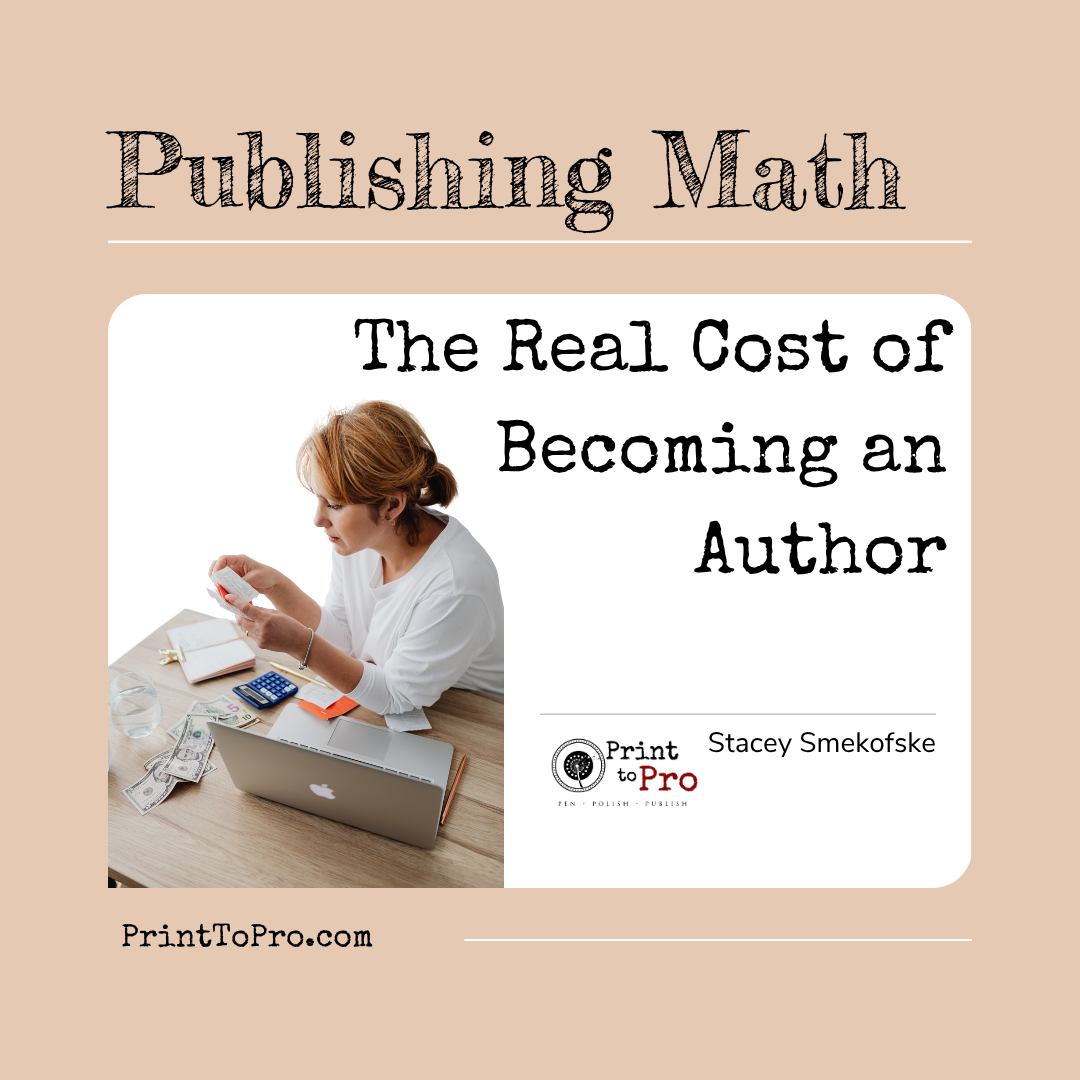
The Real Cost of Being a Clothes Blogger in 2026
The real cost of being a clothes blogger in 2026 typically ranges from $5,000 to $15,000 in initial startup capital, with ongoing monthly expenses between $800 and $3,500. These figures encompass high-quality wardrobe acquisition, prof...
The real cost of being a clothes blogger in 2026 typically ranges from $5,000 to $15,000 in initial startup capital, with ongoing monthly expenses between $800 and $3,500. These figures encompass high-quality wardrobe acquisition, professional-grade photography equipment, digital infrastructure, and essential business legalities required to compete in a saturated market.
Contents
In the current digital landscape, the "hobbyist" clothes blogger has largely been replaced by the "content entrepreneur." Building a successful brand around personal style requires more than just a smartphone and a mirror. As we navigate 2026, the barriers to entry have shifted from mere visibility to high-fidelity production and niche authority. Understanding the financial requirements of this career path is essential for anyone looking to transition from a casual poster to a profitable influencer.
The Inventory Investment: Wardrobe and Curation
The primary expense for any clothes blogger is the subject matter itself: the clothing. While many outsiders assume that bloggers receive everything for free, the reality for those in the growth phase is a cycle of significant capital outlay. To maintain a relevant feed that attracts both followers and brand partnerships, a blogger must showcase current trends, seasonal staples, and "aspirational" pieces.
Retail Acquisition and the "Buy-to-Review" Cycle
Most emerging bloggers spend between $500 and $2,000 per month on new inventory. While affiliate programs (like those through LTK or specialized 2026-era networks) eventually provide a kickback, the initial purchase is a full-price liability. High-end fashion blogging requires a mix of "investment pieces" (designer bags or shoes that hold value) and "fast-turnover" items.
The logistical cost of managing this inventory is often overlooked. This includes professional dry cleaning to keep items camera-ready and the cost of storage solutions. As a blogger's library of garments grows, many find themselves needing dedicated studio space or climate-controlled storage, adding another $200–$600 to monthly overhead.
The Resale Offset Strategy
To mitigate these costs, successful bloggers in 2026 utilize secondary markets like Poshmark, Depop, or specialized luxury consignment platforms. Selling last season’s "content pieces" can recover 30% to 60% of the original cost, which is then reinvested into new collections. However, the time cost of photographing, listing, and shipping these items is a significant labor expense that must be accounted for in the overall business model.
Content Production and Technical Gear
By 2026, the standard for visual quality has moved beyond basic mobile photography. While high-end smartphones are capable, professional clothes bloggers now rely on a hybrid of mobile and mirrorless systems to produce the high-retention video content (reels, 3D style captures, and 8K shorts) demanded by modern algorithms.
Hardware Requirements
A competitive gear kit usually starts with a high-resolution mirrorless camera (e.g., Sony Alpha or Canon EOS R series) paired with a "portrait" lens (35mm or 50mm) to achieve the blurred-background "bokeh" effect that highlights garment textures.
- Camera and Lenses: $2,500 – $4,500
- Lighting Kits: $300 – $800 (Essential for indoor "unboxing" or "get ready with me" content)
- Audio Gear: $200 – $400 (Wireless lavalier microphones for voice-over styling tips)
Post-Production and AI Tools
Software costs have transitioned into a subscription-heavy model. A professional blogger typically pays for the Adobe Creative Cloud (Photoshop and Lightroom for stills) and advanced video editing software like CapCut Pro or DaVinci Resolve. In 2026, AI-driven editing tools that automate color grading to match a "brand aesthetic" or remove background distractions have become industry standard, costing an additional $30–$70 per month.
Digital Infrastructure and Marketing
A clothes blogger’s "home base" should never be a social media platform alone. Owning the audience through a dedicated website and email list is the only way to ensure long-term stability against algorithm shifts.
Hosting, Domains, and Web Design
A professional WordPress-based site remains the gold standard for SEO and affiliate integration.
- Domain and Managed Hosting: $20 – $50/month
- Premium Themes and Plugins: $200 annually
- SEO Tools: $50 – $150/month (Services like Semrush or Ahrefs are used to track "style trends" and search volume for specific fashion queries).
Email Marketing and Funnels
Email remains the highest-converting channel for affiliate sales. Services such as Flodesk or Klaviyo allow bloggers to send "Weekly Style Drops" or "Sale Alerts." As a subscriber list grows, these services scale in price, often reaching $100+ per month for a modest list of 5,000–10,000 followers.
Hidden Professional and Operational Costs
The "real cost" often lies in the expenses that aren't visible on an Instagram feed. Transitioning from a hobby to a business involves legal and financial obligations that can catch many influencers off guard.
Business Incorporation and Legalities
To protect personal assets and unlock tax benefits, most bloggers form an LLC. This involves filing fees and, more importantly, the cost of professional contracts.
- Legal Templates: $300 – $1,000 (For brand collaborations, talent agency agreements, and image licensing).
- Insurance: $500 – $1,200 annually (Professional liability and equipment insurance).
Taxes and Accounting
Self-employment tax is perhaps the biggest "sticker shock" for new bloggers. In the United States and many other jurisdictions, setting aside 25% to 30% of gross income for taxes is mandatory. Hiring a CPA who understands the specific "write-off" rules for clothing (which are notoriously strict) is a necessary expense that usually costs $500–$1,500 per year for tax preparation.
Travel and Event Access
To stay relevant, clothes bloggers often need to be "where the fashion is." This includes attending regional fashion weeks, store openings, or brand-sponsored retreats. Even if an event is "free" to attend, the blogger pays for airfare, hotels, and the high-end outfits required to be photographed at the venue. A single trip to New York, Paris, or London for Fashion Week can easily cost $3,000 to $7,000.
Estimated Cost Breakdown Table (2026 Estimates)
| Category | Initial Startup Cost | Recurring Monthly Cost | Notes |
|---|---|---|---|
| Inventory | $2,000 - $5,000 | $500 - $2,500 | Variable based on luxury vs. high-street focus. |
| Tech & Camera | $3,000 - $6,000 | $50 - $150 | Includes AI software subscriptions. |
| Web & SEO | $500 - $1,500 | $80 - $250 | Hosting, domain, and SEO keyword tracking. |
| Legal & Admin | $500 - $2,000 | $100 - $300 | LLC formation, insurance, and bookkeeping. |
| Marketing | $200 - $1,000 | $100 - $500 | Paid social boosts and email marketing. |
| Totals | $6,200 - $15,500 | $830 - $3,700 | Excludes taxes and major travel. |
The "Invisible" Cost: Time and Mental Health
While financial spreadsheets account for dollars, they rarely account for the "time tax." A single blog post or a 60-second high-production video can take 10 to 20 hours to produce when factoring in:
- Curation: Researching trends and sourcing items.
- Execution: Steaming clothes, setting up lighting, and the shoot itself.
- Post-Production: Editing, writing SEO-optimized captions, and managing affiliate links.
- Engagement: Responding to comments and community management, which is vital for algorithm health in 2026.
The mental health cost of "always being on" and the pressure to maintain a certain physical appearance can lead to burnout. Many professional bloggers eventually hire virtual assistants (VAs) or editors to reclaim their time, adding another $500–$1,500 to their monthly expenses.
Frequently Asked Questions
Can I start a clothes blog with just an iPhone?
Yes, you can start with a modern smartphone, but the "real cost" will eventually include professional lighting and editing software. In 2026, the market is highly competitive; while an iPhone is sufficient for "Stories," the main feed usually requires the depth and clarity of a dedicated sensor to attract high-paying brand sponsorships.
Are clothes tax-deductible for bloggers?
Generally, clothing is only deductible if it cannot be worn for everyday use (like a costume or a uniform). However, in the context of fashion blogging, some jurisdictions allow deductions if the item is used exclusively for content and then resold or donated. You should consult a tax professional, as the "real cost" of an audit far outweighs the savings of a questionable deduction.
How much do bloggers spend on "fake" engagement?
While some spend $50–$200 on "growth services," this is a "hidden cost" that often ruins a blog's long-term value. Brands in 2026 use advanced auditing tools to detect inorganic growth. The real cost should be invested in high-quality content and legitimate paid social ads instead.
Is it cheaper to do "Rent the Runway" or similar services?
Rental services can reduce the "Inventory Investment" by 40% to 60%. Many bloggers use rental subscriptions to access high-end designer pieces for a flat monthly fee (around $150–$250). This is a smart way to manage the real cost of luxury blogging without the burden of full retail ownership.
When does a clothes blog typically become profitable?
Most clothes bloggers do not see a net profit until 18 to 24 months of consistent posting. The initial "real cost" is essentially a loss-leader to build the portfolio and audience necessary to command four-figure sponsorship rates.
Practical Recommendation for Aspiring Bloggers
If you are looking to enter the fashion blogging space in 2026, avoid the trap of "maximalist" starting. Focus your initial capital on audio and lighting rather than a massive wardrobe. A well-lit, clear-sounding video featuring five ways to style a single pair of high-quality trousers is more valuable to an audience (and an algorithm) than a poorly produced "haul" of twenty low-quality items. Prioritize the "Digital Infrastructure" first—own your domain—to ensure that as you pay the "real cost" of growth, you are building an asset that you actually own.
Image Gallery