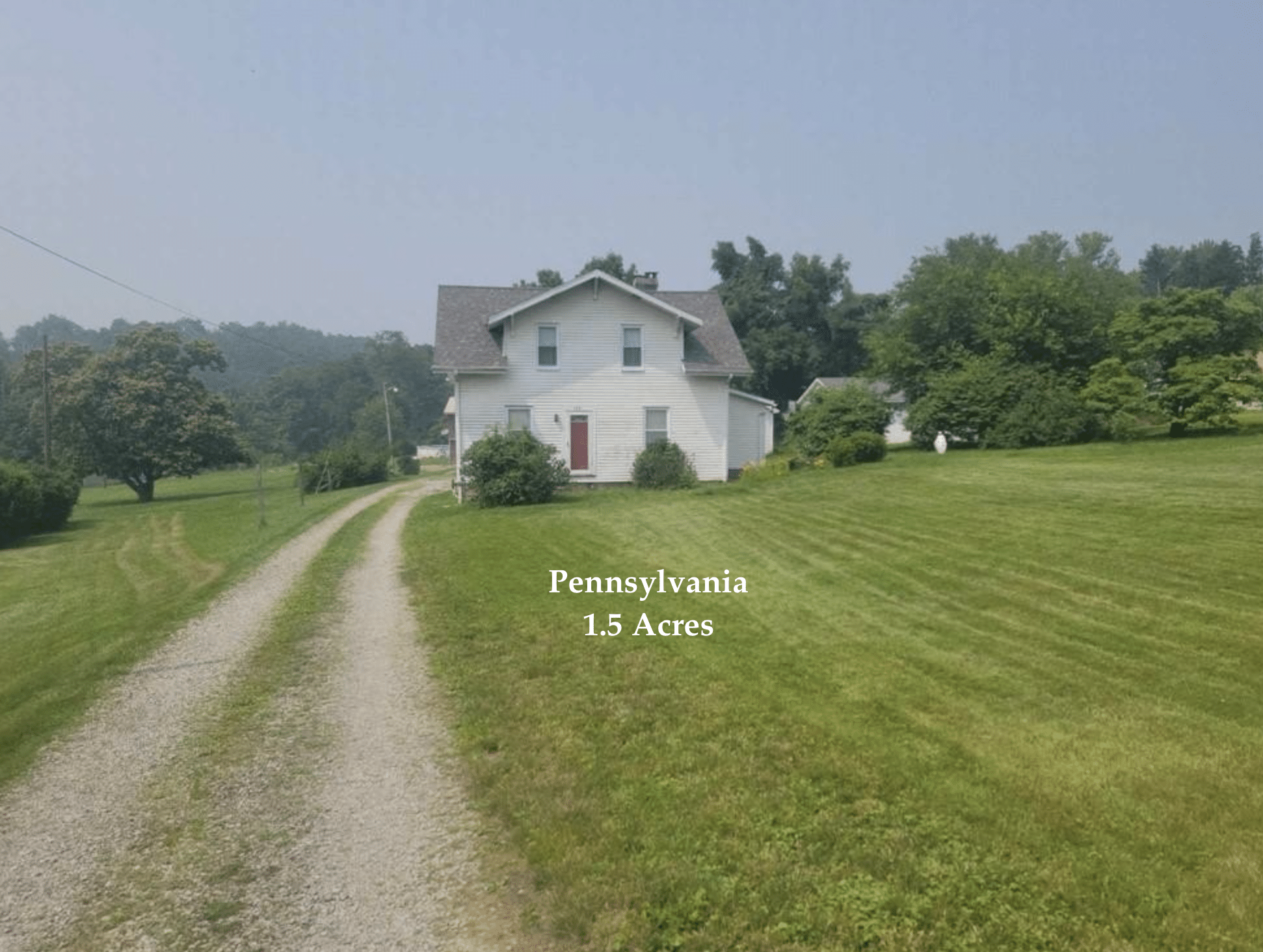
Finding Cheap Houses for Sale in Pennsylvania: 2026 Market Guide and Investment Strategies
Finding cheap houses for sale in Pennsylvania requires targeting specific secondary markets like Johnstown, Erie, and Scranton, where inventory often lists below $200,000. In 2026, affordability is driven by local industrial shifts and...
Finding cheap houses for sale in Pennsylvania requires targeting specific secondary markets like Johnstown, Erie, and Scranton, where inventory often lists below $200,000. In 2026, affordability is driven by local industrial shifts and state-backed financing programs, making the Commonwealth a prime destination for first-time buyers and value-seeking investors looking for historical builds.
Contents
The Landscape of Affordable Housing in Pennsylvania for 2026
As we navigate the 2026 real estate market, Pennsylvania remains a unique outlier in the Northeastern United States. While coastal states have seen entry-level pricing soar beyond the reach of the average worker, the Keystone State offers a diverse inventory ranging from urban row houses to rural farmsteads. The definition of "cheap" in the current 2026 climate typically refers to properties priced between $120,000 and $240,000—a bracket that has become increasingly rare in neighboring New Jersey or Maryland.
The inventory available in this price range is largely concentrated in former industrial hubs and the central rural corridors. These properties often include Victorian-era twins, mid-century brick ranchers, and traditional 1,200-square-foot row homes. Understanding the local economic drivers is essential, as the cheapest houses are often located in areas transitioning from manufacturing bases to healthcare and technology-driven economies.
Top Five Geographic Regions for Budget-Conscious Buyers
Identifying the right location is the most critical step in securing a high-value, low-cost home. In 2026, the following five regions represent the best balance of affordability and long-term stability.
1. The Laurel Highlands and Johnstown (Cambria County)
Johnstown consistently ranks as one of the most affordable cities in the nation. With a median home price significantly lower than the state average, buyers can find habitable single-family homes for under $130,000. The region is currently benefiting from expanded remote work infrastructure and a growing outdoor recreation economy, providing value for those who prioritize lifestyle over metropolitan proximity.
2. The Erie Lakefront (Erie County)
Erie offers a rare opportunity for affordable waterfront-adjacent living. The 2026 market shows strong inventory in the "rust-belt chic" neighborhoods where renovated 1920s homes are hitting the market at accessible price points. The presence of major employers like Erie Insurance and the growth of the medical sector in the downtown core provide a solid economic floor for property values.
3. The Coal Region (Schuylkill and Carbon Counties)
For those seeking the lowest possible entry point, the Coal Region remains the primary target. Towns like Pottsville and Tamaqua offer historical architecture at deep discounts. While these areas require careful vetting for deferred maintenance, the low property taxes and community revitalization grants active in 2026 make them attractive for "sweat equity" investors.
4. The Wyoming Valley (Luzerne and Lackawanna Counties)
Scranton and Wilkes-Barre serve as the gateway to the Poconos but maintain much lower price tags than the resort areas. These cities have seen a 2026 surge in demand from New York City expatriates, yet pockets of affordability remain in neighborhoods like South Scranton and the Heights in Wilkes-Barre.
5. Western PA Outskirts (Blair and Lawrence Counties)
Cities like Altoona and New Castle provide stable residential environments with houses often priced 40% lower than the Pittsburgh metropolitan average. These areas are ideal for buyers looking for small-town atmospheres with reliable municipal services and established school districts.
Comparative Analysis of Affordable Pennsylvania Markets
The following table outlines the key metrics for the most affordable counties in Pennsylvania based on early 2026 market data. These figures represent median listing prices for entry-level, 3-bedroom, 1.5-bathroom homes.
| County | Target Cities | Median Entry Price (2026) | Property Tax Profile | Economic Driver |
|---|---|---|---|---|
| Cambria | Johnstown, Ebensburg | $125,000 | Low | Healthcare/Education |
| Erie | Erie, Corry | $165,000 | Moderate | Logistics/Insurance |
| Schuylkill | Pottsville, Tamaqua | $110,000 | Very Low | Manufacturing/Energy |
| Luzerne | Wilkes-Barre, Hazleton | $175,000 | Moderate | Distribution/Tech |
| Blair | Altoona, Tyrone | $155,000 | Low | Transportation/Retail |
Strategic Financing and First-Time Buyer Programs
Buying a cheap house in Pennsylvania is more than just finding a low list price; it is about leveraging state-specific financial tools to lower the total cost of ownership. The Pennsylvania Housing Finance Agency (PHFA) remains the gold standard for buyers in 2026.
Key PHFA Programs for 2026 Buyers
Keystone Home Loan Program This program offers competitive interest rates and low down payment requirements for buyers who meet specific income and purchase price limits. It is designed to make the "cheap" houses even more accessible by reducing the upfront capital required.
K-FIT (Keystone Forgivable In-Ten Years) Loan For 2026, this program provides up to 5% of the purchase price or $15,000 (whichever is less) to help with down payments and closing costs. The loan is forgiven at a rate of 10% per year over ten years, effectively turning a portion of the home's cost into a grant for long-term residents.
PHFA Preferred™ (Lo MI) This program is tailored for buyers who have a conventional loan but want lower mortgage insurance (MI) costs. In Pennsylvania's lower-priced markets, reducing the monthly MI can be the difference between a comfortable mortgage and a financial strain.
Due Diligence: What to Watch for in Pennsylvania Fixer-Uppers
Low-cost homes in Pennsylvania often come with regional-specific challenges that can turn a "cheap" house into an expensive mistake. Buyers must conduct rigorous inspections focused on three specific areas common to the Commonwealth’s older housing stock.
- Radon Mitigation: Pennsylvania has some of the highest naturally occurring radon levels in the United States. Ensure any basement-level property has been tested within the last six months. Mitigation systems typically cost between $1,200 and $2,500 in 2026.
- Coal Mining Subsidence: In Western and Northeastern PA, properties may sit above abandoned coal mines. Standard homeowners insurance does not cover "mine subsidence." In 2026, it is highly recommended to purchase separate Mine Subsidence Insurance (MSI) through the PA Department of Environmental Protection (DEP).
- Historical Materials: Many affordable PA homes were built prior to 1978. Lead-based paint and asbestos siding or pipe insulation are common. While these are manageable, they require certified contractors for removal or encapsulation, which must be factored into the renovation budget.
Pros and Cons of Buying Low-Cost Property in Pennsylvania
Understanding the trade-offs is essential for any real estate transaction in 2026.
Pros
- Low Cost of Entry: Pennsylvania offers some of the lowest barrier-to-entry prices for single-family homes in the Northeast.
- Stable Rental Markets: In college towns and healthcare hubs, low-cost houses yield high rent-to-value ratios, making them excellent for "buy and hold" investors.
- Geographic Diversity: Whether you want the Appalachian Mountains, the Great Lakes, or proximity to major East Coast cities, there is an affordable pocket that fits.
Cons
- High Real Estate Transfer Taxes: Pennsylvania imposes a state transfer tax (usually 1%), but local municipalities often add their own, sometimes bringing the total to 4% or 5% in cities like Philadelphia or Reading.
- Property Tax Assessments: In many PA counties, property taxes are based on old assessments. A "cheap" house might trigger a "spot reassessment" upon sale, leading to a significant hike in annual taxes.
- Aging Infrastructure: Municipal water and sewer lines in older PA boroughs can be antiquated, leading to potential utility-side repair costs.
Steps to Securing a Property in the 2026 Market
- Get a PHFA Pre-Approval: Before browsing listings, secure a pre-approval from a lender certified to handle Pennsylvania Housing Finance Agency loans. This signals to sellers that you have the state-backed support to close the deal.
- Analyze the School District vs. the Municipality: In PA, school district taxes often make up the bulk of your tax bill. A cheap house in one township might have significantly higher taxes than an identical house across the street in a different district.
- Investigate Local Revitalization Zones: Look for properties in "Opportunity Zones" or "Keystone Communities." These areas often provide tax credits or low-interest home improvement loans that can be stacked with your primary mortgage.
- Perform a Specialized Inspection: Beyond the general home inspection, order a sewer lateral scope and a radon test. These are the two most common "hidden" costs in older Pennsylvania homes.
Frequently Asked Questions
What is the cheapest city to buy a house in Pennsylvania in 2026?
Johnstown remains the most affordable city in Pennsylvania for 2026, with a high volume of single-family homes priced under $100,000. While the local economy is still in a recovery phase, the cost of living and entry-level real estate prices are among the lowest in the nation. Other notable affordable cities include Altoona and New Castle.
Are there "dollar houses" or $1,000 homes in Pennsylvania?
While some municipalities like Harrisburg or Erie have historically offered distressed property programs, true "dollar houses" are rare in 2026 and usually come with mandatory renovation timelines and significant liens. Most buyers are better served looking at "distressed" properties in the $40,000 to $60,000 range, which are structurally sound but require cosmetic and system overhauls.
How much are property taxes on a cheap house in PA?
Property taxes vary wildly by county and school district. In rural counties like Forest or Sullivan, taxes on a $150,000 home might be less than $1,500 per year. However, in high-millage areas like Delaware County or certain parts of Allegheny County, that same house could carry a tax bill exceeding $4,500. Always check the current millage rates for both the municipality and the school district.
Do I need a lawyer to buy a house in Pennsylvania?
Pennsylvania is not a "lawyer state" for real estate closings; instead, it is a "title company state." While you are not legally required to have an attorney, the title company will handle the deed transfer and insurance. However, for cheap properties with potential title "clouds" (common in estate sales or foreclosures), hiring a real estate attorney for a flat fee is a prudent investment.
Can I get a loan for a house that needs significant repairs?
Yes, in 2026, the FHA 203(k) loan and the Fannie Mae HomeStyle Renovation mortgage are the primary vehicles for buying cheap houses that aren't currently habitable. These loans allow you to bundle the purchase price and the cost of repairs into a single mortgage, which is essential for many of the fixer-uppers found in the PA Coal Region.
Navigating Your Pennsylvania Real Estate Journey
Securing an affordable home in Pennsylvania during 2026 is a strategic move for those who value long-term equity and low monthly overhead. By focusing on the high-value corridors of Western and Northeastern PA, and utilizing the robust financing programs offered by the PHFA, buyers can bypass the volatility of the national market. Success in this niche requires a combination of local geographic knowledge, a thorough understanding of Pennsylvania's unique tax structures, and a willingness to invest in properties that the broader market may have overlooked.
Whether you are looking for a primary residence in Erie or a rental property in the Wyoming Valley, the Keystone State offers a path to property ownership that remains grounded in reality. Conduct your due diligence, verify your tax obligations, and engage with local experts who understand the nuances of the 2026 Pennsylvania housing landscape.
Image Gallery