How to Select a Bacterial Vaginosis Quick Treatment: A Clinical Overview
Selecting an effective treatment for bacterial vaginosis (BV) requires distinguishing between clinical medical interventions and unproven home remedies. Because BV is caused by an overgrowth of naturally occurring bacteria—specifically...
Selecting an effective treatment for bacterial vaginosis (BV) requires distinguishing between clinical medical interventions and unproven home remedies. Because BV is caused by an overgrowth of naturally occurring bacteria—specifically an imbalance where anaerobic bacteria replace Lactobacillus—effective management depends on restoring the vaginal pH balance and suppressing pathogenic organisms through evidence-based, medically approved therapeutic agents.
Contents
Understanding Bacterial Vaginosis and Its Clinical Requirements
Bacterial vaginosis is the most common cause of vaginal discharge in women of reproductive age. It is not classified as a sexually transmitted infection (STI), though sexual activity can influence the vaginal microbiome. The primary symptoms include a thin, gray or white discharge, a characteristic "fishy" odor that often intensifies after intercourse, and occasional vaginal itching or burning.
The "quick treatment" goal for many patients stems from the discomfort of these symptoms. However, it is imperative to understand that there is no instant cure. Because BV is a bacterial infection, it requires specific pharmacological intervention to address the underlying microbial imbalance. Using vinegar douches, yogurt, or over-the-counter (OTC) yeast infection medications will not treat BV and may, in some cases, exacerbate the irritation by further disrupting the vaginal flora.
Assessing Your Need for Medical Consultation
Before selecting a treatment path, you must verify the diagnosis. Many individuals mistakenly treat themselves for a yeast infection, which is fungal, whereas BV is bacterial. Treating a fungal infection with antibiotics, or a bacterial infection with antifungal agents, will be ineffective and can lead to complications such as the development of antibiotic-resistant bacteria or persistent vaginal inflammation.
Consult a healthcare provider if this is your first instance of these symptoms, if you are pregnant, or if you have previously been treated for BV but are experiencing a recurrence. Pregnancy-associated BV carries specific risks, including preterm birth and low birth weight, and requires specific clinical oversight.
Standard Medical Treatment Options
The gold standard for treating BV involves the use of prescription antibiotics. These medications target the anaerobic bacteria—such as Gardnerella vaginalis—responsible for the infection. By 2026, the clinical guidelines remain consistent in prioritizing the following forms of administration:
1. Oral Antibiotics
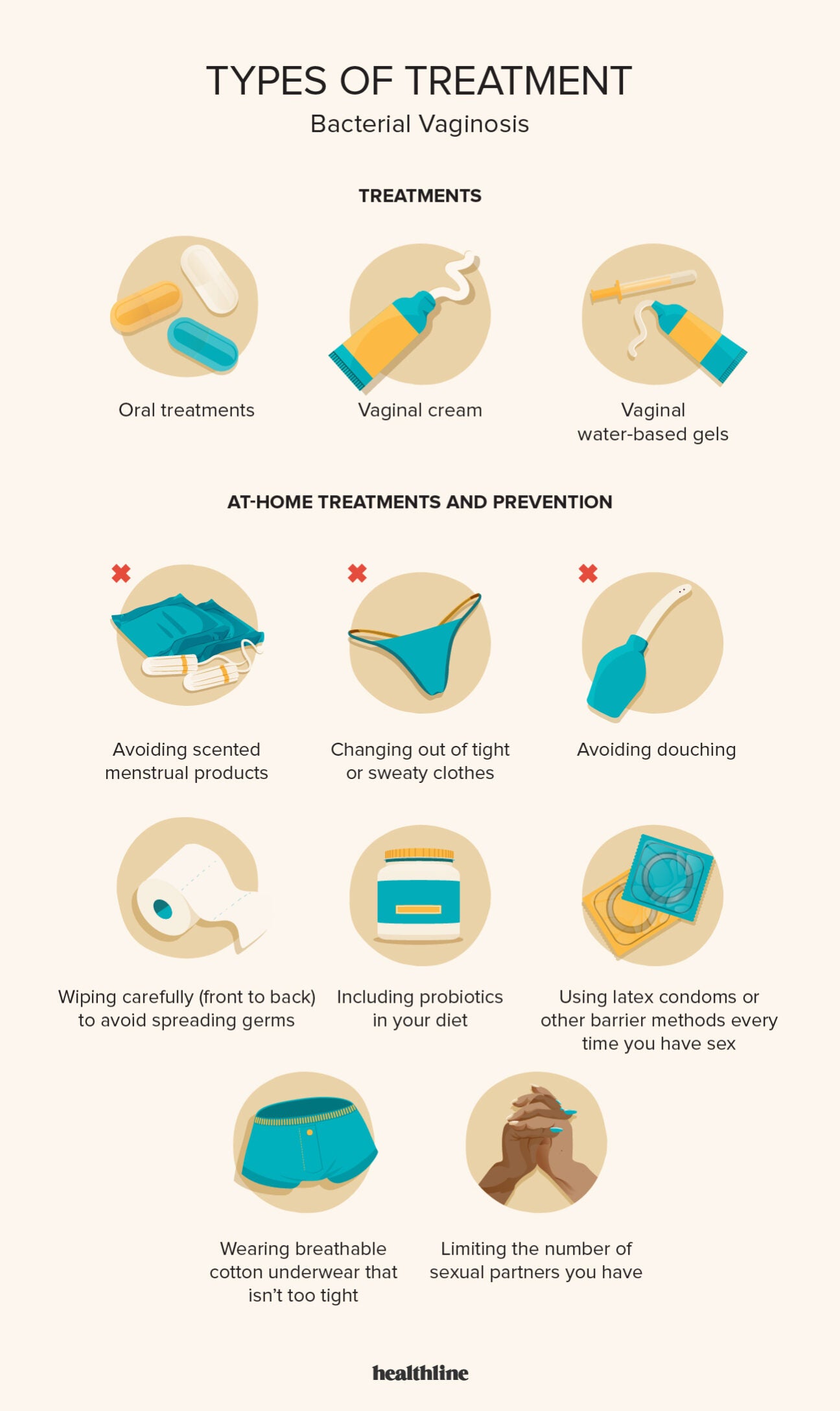
- Metronidazole: Typically prescribed as a 500 mg dose taken twice daily for seven days. This is highly effective but requires strict adherence to avoid alcohol consumption, which can cause severe nausea and vomiting.
- Tinidazole: A related antibiotic that may be prescribed for a shorter duration, often reducing the patient's burden of adherence.
2. Topical Antibiotics
- Metronidazole Gel: Applied directly into the vagina using a pre-filled applicator. This is often preferred by patients who experience systemic side effects from oral medication, such as a metallic taste or gastrointestinal upset.
- Clindamycin Cream: An alternative topical treatment that is sometimes prescribed for patients who do not respond to metronidazole or who have a contraindication for it.
Comparison of Treatment Modalities
The following table summarizes the common medical approaches to BV treatment, highlighting the importance of physician selection.
| Treatment Type | Administration | Common Duration | Advantages | Considerations |
|---|---|---|---|---|
| Oral Metronidazole | Systemic | 7 Days | Highly effective | Requires abstinence from alcohol |
| Topical Metronidazole | Local | 5 Days | Fewer systemic side effects | May weaken latex condoms |
| Clindamycin Cream | Local | 7 Days | Alternative if resistant | Can weaken latex diaphragms |
| Secnidazole | Single Dose | 1 Day | High convenience | Newer single-dose therapy |
The Role of Probiotics and Lifestyle Adjustments
While antibiotics are necessary to clear the acute infection, the recurrence of BV is a documented issue. Research indicates that many patients experience a return of symptoms within three to twelve months. This is often due to the failure of the vaginal microbiome to recover its protective Lactobacillus colonies.
In 2026, clinical focus has expanded to include the "restorative phase" of treatment. While probiotics are not considered a substitute for antibiotics in the initial, acute stage of infection, they may support long-term vaginal health. When selecting a probiotic for vaginal health, seek formulations that specifically contain Lactobacillus rhamnosus and Lactobacillus reuteri, which have shown potential in helping maintain an acidic vaginal pH.
Essential Habits for Supporting Recovery
- Avoid Douching: Douching is the most common trigger for recurring BV as it physically strips the vagina of protective bacteria.
- Hygiene Practices: Use mild, unscented soaps for the external vulva only. The vagina is self-cleaning and does not require internal cleansing.
- Clothing Choices: Wear breathable, cotton-lined underwear to minimize moisture retention, which can encourage the growth of pathogenic bacteria.
Troubleshooting Persistent Symptoms
If you have completed a full course of prescribed antibiotics and symptoms persist or return shortly after, do not attempt to "quick fix" the issue with more OTC products. This is defined as recurrent BV. Your healthcare provider will likely need to perform a diagnostic test to ensure the infection has not developed resistance or to rule out co-infections such as trichomoniasis, which can mimic the symptoms of BV.
Common mistakes include:
- Stopping medication early: If you feel better after two days, you may be tempted to stop the treatment. This is a critical error, as stopping early allows surviving bacteria to multiply and potentially develop resistance.
- Sharing medication: Never use a partner's or friend's leftover antibiotics. Dosage requirements and the underlying cause of your symptoms must be verified by a medical professional.
- Relying on "Natural" quick fixes: There is no clinical evidence supporting the use of garlic, hydrogen peroxide, or essential oils as safe, effective, or "quick" treatments for BV. These substances can cause chemical burns to delicate vaginal tissue.
When to Seek Urgent Care
You should prioritize an immediate medical appointment (Urgent Care or your primary care clinic) if you experience:
- Fever or chills.
- Severe pelvic or abdominal pain.
- Discharge that is accompanied by blood.
- Visible sores or blisters in the genital area.
These symptoms may indicate a more serious condition, such as Pelvic Inflammatory Disease (PID) or a different type of infection, which necessitates a different treatment protocol than standard BV.
Final Action Plan for Treatment Selection
To effectively resolve bacterial vaginosis, follow this structured process:
- Schedule a diagnostic consultation: Obtain a confirmed diagnosis via a physical exam and a swab test at a clinical office.
- Discuss the best antibiotic route: Ask your provider whether an oral or topical formulation is better suited to your lifestyle and health history.
- Commit to the full course: Whether your prescription is for one day or seven, finish every dose as directed by the instructions on the packaging.
- Practice abstinence during treatment: Avoid sexual intercourse until the treatment is complete and symptoms have resolved to prevent further irritation of the vaginal wall.
- Monitor for improvement: If symptoms do not abate within 48 to 72 hours of starting your prescription, contact your prescribing physician for a follow-up assessment.
By adhering to these steps, you ensure that you are using a medically sound "quick" treatment that addresses the biology of the condition rather than masking the symptoms.
Image Gallery