Why Millennials and Life Insurance Need a New Approach: Navigating Financial Security in 2026
The traditional life insurance model requires a fundamental shift to meet the unique financial behaviors, digital expectations, and debt profiles of the millennial generation. By 2026, this approach must prioritize algorithmic underwri...
The traditional life insurance model requires a fundamental shift to meet the unique financial behaviors, digital expectations, and debt profiles of the millennial generation. By 2026, this approach must prioritize algorithmic underwriting, transparent digital interfaces, and flexible coverage options that account for non-linear career paths and significant student loan obligations.
Contents
For decades, the life insurance industry relied on a "push" sales model—agents selling complex whole-life products through personal networks and face-to-face meetings. However, as the oldest millennials reach age 45 in 2026, the disconnect between legacy systems and this demographic’s needs has reached a critical point. Millennials are now the primary drivers of the global economy, yet a significant "protection gap" remains. Closing this gap requires moving beyond the "set it and forget it" mentality of the past and embracing a dynamic, tech-driven methodology.
The Demographic Shift: Millennials in the 2026 Economy
In 2026, millennials (born between 1981 and 1996) represent the core of the professional workforce and the "sandwich generation." They are simultaneously supporting aging Baby Boomer parents and raising their own children, often while navigating the tail end of student loan repayments. This dual responsibility creates a heightened need for financial protection, yet the traditional insurance industry has historically struggled to communicate value to this group.
Unlike previous generations, millennials have experienced multiple economic disruptions, leading to a more cautious and skeptical view of long-term financial commitments. They value transparency and social proof over institutional prestige. Consequently, a new approach must move away from jargon-heavy policies toward "plain-language" contracts. In 2026, the most successful insurance providers are those that frame life insurance not just as a "death benefit," but as a foundational component of a holistic financial wellness strategy.
Why the Traditional Insurance Model Failed Millennials
The legacy approach to life insurance was built on the assumption of a linear life path: get a stable job, get married, buy a house, and stay with one employer for thirty years. This path is no longer the reality for the majority of millennials.
High Friction and Invasive Underwriting
For years, the standard application process involved physical medical exams, blood draws, and weeks of waiting for a manual underwriter to review paper files. For a generation accustomed to instant gratification and digital-first services, this friction is a primary deterrent. Even in 2026, legacy firms that haven’t migrated to API-driven data verification find themselves losing market share to agile competitors who utilize "fluidless" underwriting.
Misalignment with the Gig and Creator Economies
A significant portion of the millennial workforce participates in the gig economy or runs independent businesses. Traditional employer-sponsored group life insurance is insufficient because it is not portable. When a worker moves from one contract to another, they lose their coverage. A new approach must focus on individual portability and "portable group" models that follow the worker, rather than staying tied to a specific desk.
Perceived Cost vs. Actual Value
Research from LIMRA consistently shows that millennials overestimate the cost of life insurance by as much as three to five times. The traditional marketing model failed to correct this misconception. Instead of showing clear, tiered pricing, many traditional agents focused on high-commission permanent life products that were often too expensive for young families managing high debt-to-income ratios.
The Core Components of a New Approach
A modern approach to life insurance in 2026 is defined by three pillars: accessibility, flexibility, and integration. This is not merely about putting a digital "skin" over an old product; it is about re-engineering the product itself.
1. Digital-First and Algorithmic Underwriting
The new approach utilizes Big Data and AI to assess risk in real-time. By pulling data from medical records, prescription histories, and even lifestyle data (with consent), insurers can issue policies in minutes rather than weeks. This "accelerated underwriting" removes the need for medical exams for a vast majority of healthy applicants under 50. In 2026, the standard for a "good" user experience is a five-minute application on a mobile device.
2. Flexible Coverage and "Laddering"
Millennials’ financial needs fluctuate. A new approach allows for "adjustable" coverage. For example, a policyholder might need high coverage while their mortgage is large and their children are young, but want to "dial down" the coverage as their assets grow. "Laddering"—using multiple term policies with different expiration dates—is a strategy that needs to be simplified and automated through digital platforms to ensure clients aren't paying for coverage they no longer need.
3. Holistic Financial Wellness Integration
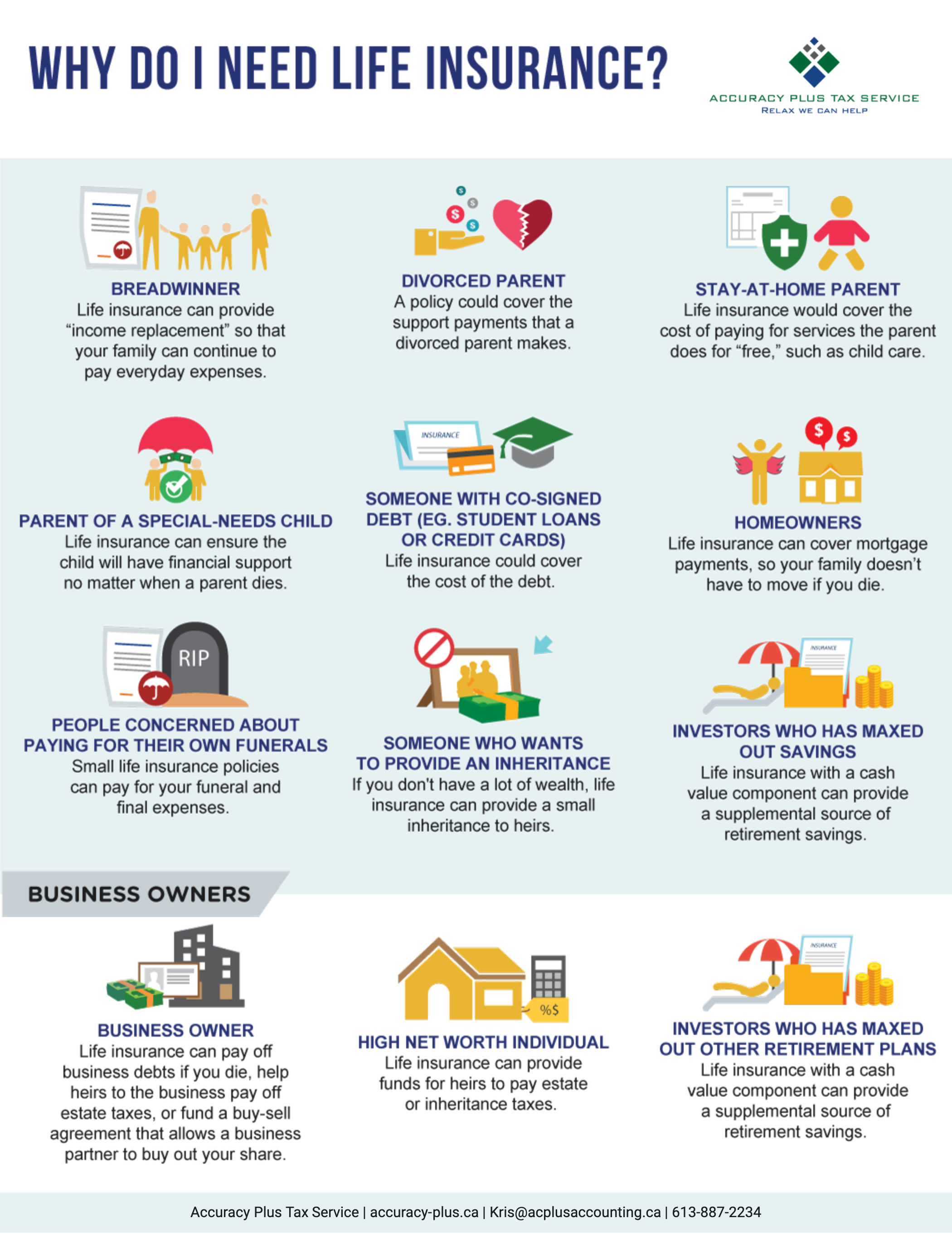
Life insurance should not exist in a silo. In 2026, forward-thinking providers are integrating life insurance with debt management tools and retirement planning. If a millennial is struggling with student loans, a modern insurer might offer a policy that includes a "student loan rider," which provides specific funds to clear educational debt, ensuring the surviving family isn't burdened by co-signed loans.
Comparative Analysis: Traditional vs. Modern Approaches
The following table illustrates the divergence between the legacy insurance model and the modern, millennial-centric approach required in 2026.
| Feature | Traditional Approach (Legacy) | New Approach (2026 Standard) |
|---|---|---|
| Application Process | Manual, 4–8 weeks, medical exams. | Digital, instant-issue, AI-driven data. |
| Pricing Strategy | Opaque, commission-heavy structures. | Transparent, subscription-style or tiered. |
| Distribution | Agent-dependent, face-to-face. | Omnichannel, direct-to-consumer (D2C). |
| Product Focus | Permanent/Whole Life (High Margin). | Term and Flexible-Universal (High Value). |
| Portability | Often tied to employer (Group Life). | Individually owned, portable across jobs. |
| Customer Support | Phone-based, limited hours. | 24/7 Chatbots, self-service portals. |
Addressing the Debt Barrier: Life Insurance as a Safety Net
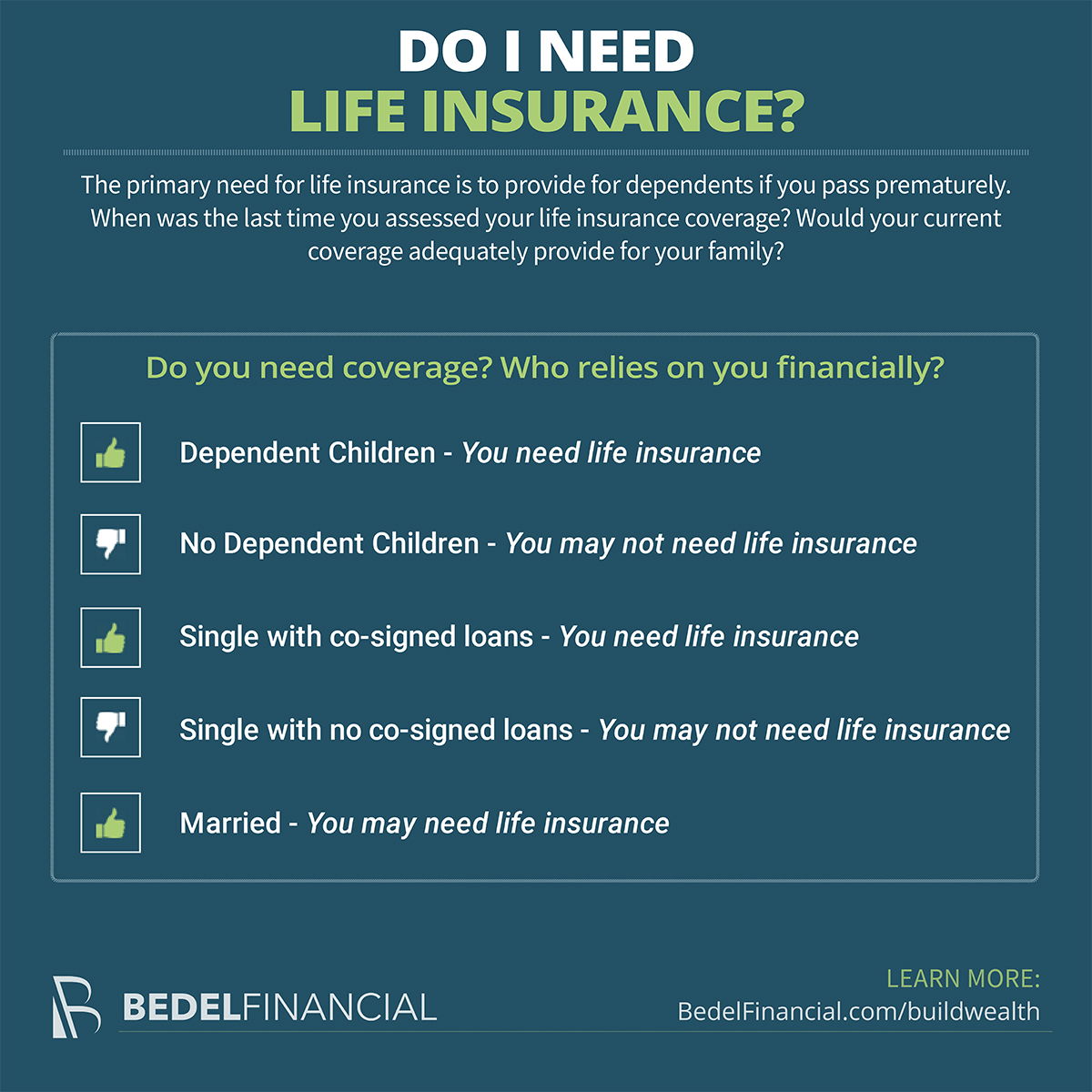
One of the primary reasons millennials avoid life insurance is the feeling that they cannot afford another monthly expense on top of student loans and rising housing costs. However, the new approach re-frames life insurance as an essential protection for those very debts.
In the United States, for instance, private student loans often do not carry the same death discharge protections as federal loans. If a parent or spouse co-signed a private loan, they could be held liable for the balance. A modern life insurance strategy identifies these specific liabilities. By 2026, many InsurTech platforms offer "debt-specific" term policies that are designed to decrease in face value (and cost) as the underlying debt is paid off, making coverage more affordable over time.
The Role of AI and Ethical Data Use in 2026
As of 2026, the use of Artificial Intelligence in underwriting has become a double-edged sword. While it enables the "instant-issue" policies millennials crave, it also raises questions about algorithmic bias. A "new approach" must include a commitment to ethical AI.
Insurance regulators, such as those represented by the National Association of Insurance Commissioners (NAIC), have implemented stricter guidelines on how lifestyle data can be used. The modern approach avoids "black box" algorithms and instead provides customers with "adverse action" transparency—explaining exactly why a certain premium was reached. This builds the trust that is essential for long-term millennial engagement.
Practical Steps for Millennials Seeking Coverage in 2026
To navigate this new landscape effectively, millennials should follow a structured process to ensure they are getting value without overpaying for unnecessary features.
- Calculate the "True" Need: Use a DIME (Debt, Income, Mortgage, Education) calculation. Don't just pick a round number like $500,000; calculate what is actually required to keep the household solvent.
- Audit Employer Benefits: Check the "Summary of Benefits" at work. Most employers provide 1x or 2x annual salary for free, but this is rarely enough and is lost if you change jobs.
- Prioritize Term Over Permanent: For the vast majority of millennials in 2026, low-cost term insurance provides the best ROI, allowing the difference in premium to be invested in low-cost index funds or 401(k)s.
- Look for "Living Benefits": Modern policies often include riders for terminal, chronic, or critical illness. These allow the policyholder to access a portion of the death benefit while still alive if they suffer a major health event like a stroke or cancer.
- Review Annually: Career changes, marriage, or the birth of a child should trigger an immediate digital review of coverage levels.
FAQ
Why is life insurance more important for millennials now than it was for previous generations?
Millennials often carry higher debt loads (student loans) and start families later in life, meaning they have a longer window of financial vulnerability where their dependents rely entirely on their current income. Additionally, the decline of pension plans means self-funded financial security is paramount.
Is digital-only life insurance as reliable as a policy from a traditional firm?
Yes, provided the carrier is highly rated by credit agencies like A.M. Best or S&P Global. Most digital-first InsurTech companies are either "MGAs" (Managing General Agents) backed by massive, century-old reinsurance companies or have achieved their own high-grade financial stability ratings by 2026.
Can I get life insurance if I have a "gig economy" job?
Absolutely. The new approach to life insurance is designed specifically for freelancers and 1099 workers. Modern providers look at holistic financial data rather than requiring a traditional W-2 for income verification.
What happens to my policy if I move to a different country?
Most individual life insurance policies are "portable," meaning they remain in force as long as you pay the premiums, regardless of your employer or location. However, you should check the "foreign residence" clauses in your specific 2026 contract, as some regions may have exclusions.
Do I really need a medical exam in 2026?
For most healthy applicants under the age of 50 seeking coverage under $2 million, the "new approach" allows for accelerated underwriting. This means your data (medical history, pharmacy records, motor vehicle reports) replaces the need for a physical exam.
Final Recommendation
For millennials in 2026, the best approach is to ignore the high-pressure sales tactics of the past and seek out digital-first, transparent platforms that offer term life insurance with living benefits. Start with a policy that covers your immediate debt and income replacement needs, and ensure it is an individual policy you own personally, not one tied to your employer. Financial security is no longer about a one-time purchase; it is about an adaptable strategy that grows alongside your career and family.
Image Gallery