The Best Pies in London for Every Craving
London’s pie scene is a storied culinary landscape that bridges the gap between traditional working-class staples and modern gastronomic innovation. Whether you are seeking a quintessential British steak and ale pie with a suet crust,...
London’s pie scene is a storied culinary landscape that bridges the gap between traditional working-class staples and modern gastronomic innovation. Whether you are seeking a quintessential British steak and ale pie with a suet crust, a flaky puff-pastry hand pie, or creative plant-based interpretations, the city offers specialized bakeries and pubs that master the delicate balance of tender fillings and perfectly structured pastry.
Contents
Understanding the London Pie Anatomy
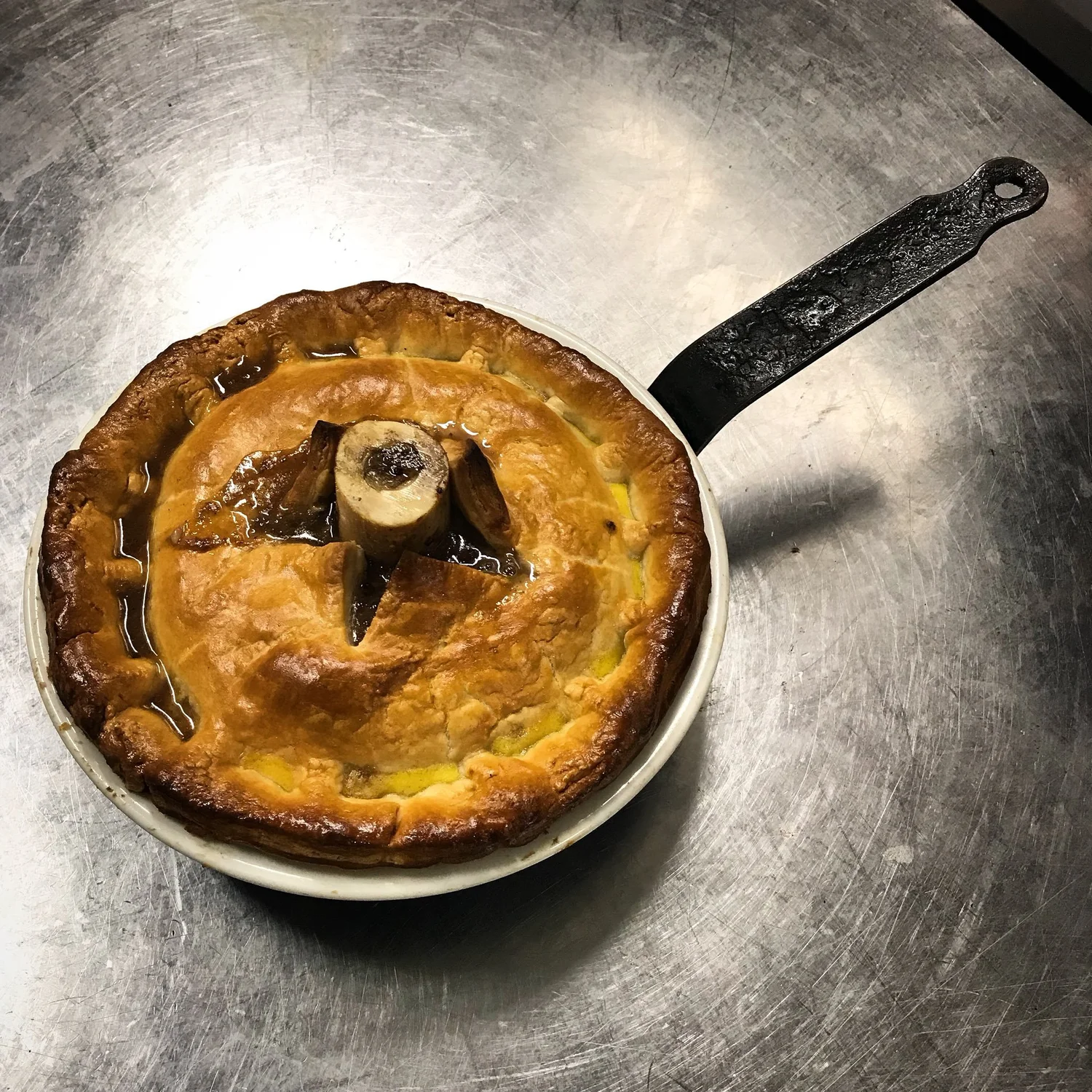
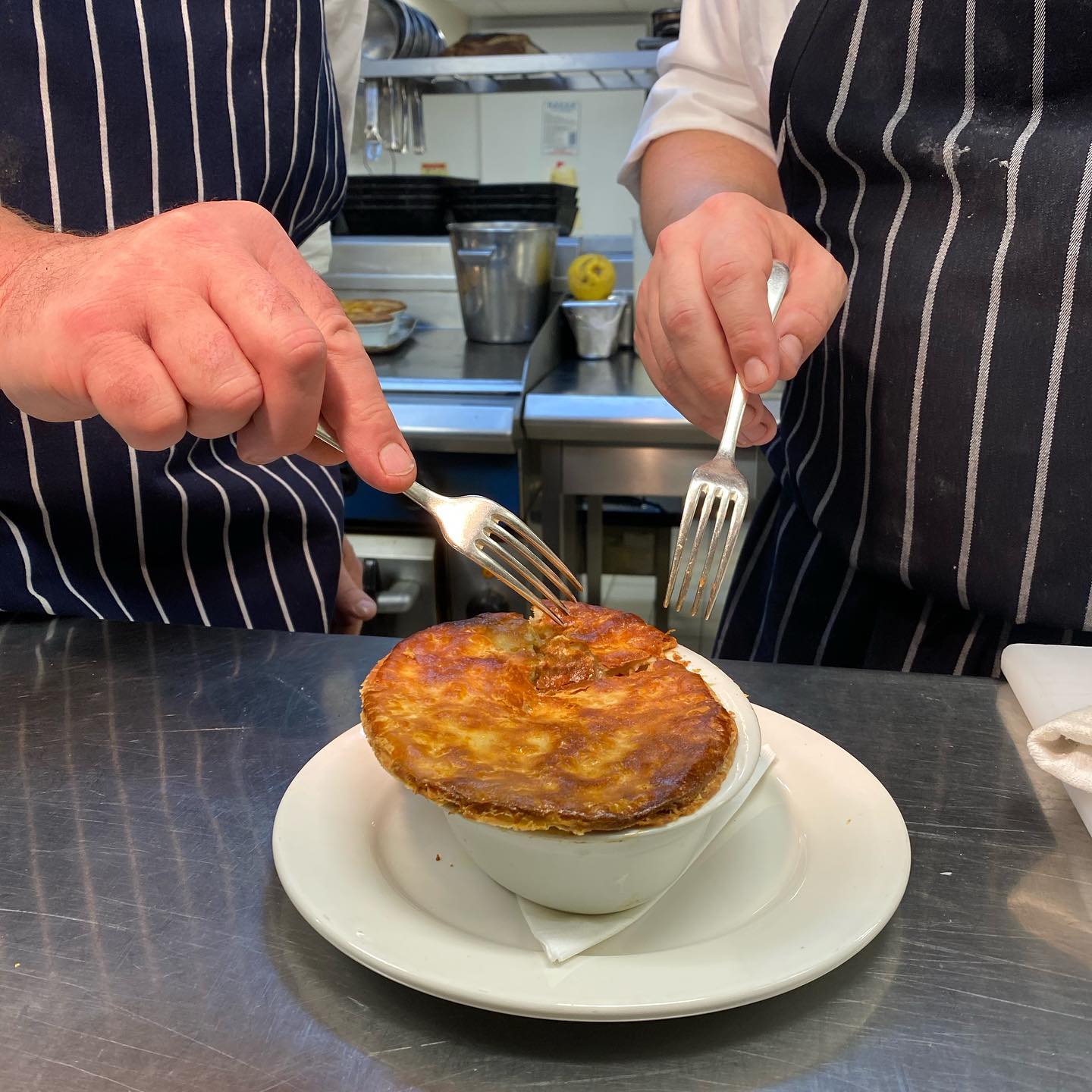
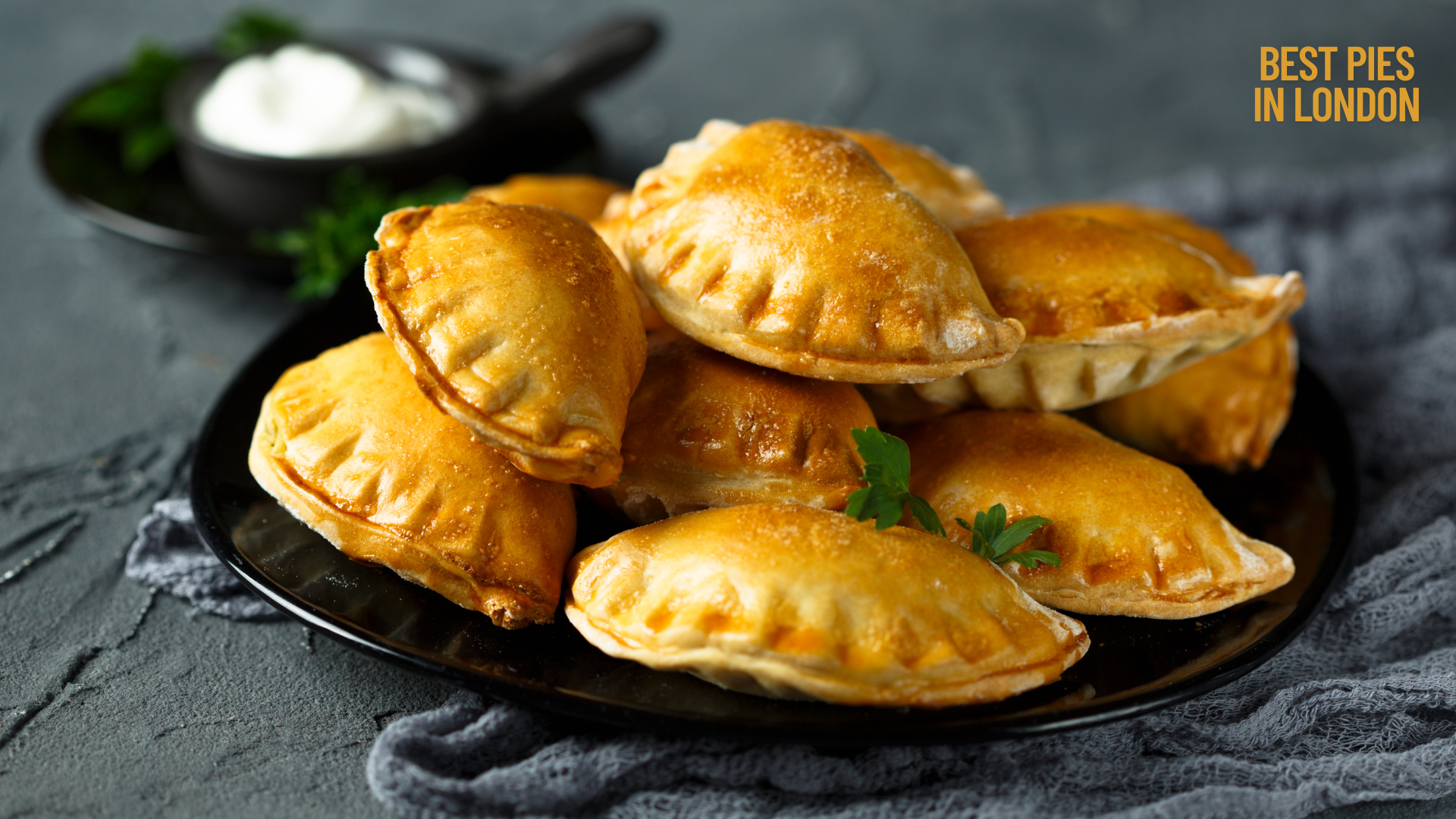
To navigate the landscape of London pies, one must first distinguish between the two primary formats: the sit-down "plate pie" and the portable "hand pie." Plate pies, often found in historic pubs and dining rooms, are characterized by deep dishes, rich gravies, and a reliance on hot-water crust or suet pastry. Hand pies, frequently found in specialized bakeries and markets, utilize puff or shortcrust pastry designed to maintain structural integrity while being consumed on the go.
The quality of a pie is determined by the "pastry-to-filling ratio." A superior pie ensures that the pastry does not become soggy from the filling—a common defect known as a "soggy bottom." Establishments that excel in this area often blind-bake their crusts or use advanced cooling techniques for fillings before assembly to ensure the structural integrity of the base.
Criteria for Excellence
When evaluating the best pies in London, focus on these three indicators:
- Pastry Texture: The crust should be crisp, golden, and possess a distinct buttery or savory richness. It should shatter slightly upon impact rather than tasting doughy or floury.
- Filling Depth: The meat should be slow-cooked to a degree of tenderness where it yields under the pressure of a fork. The gravy must be viscous, seasoned, and free of excessive flour-based thickening.
- Ingredients Provenance: Establishments that list the sourcing of their meat—such as grass-fed British beef or free-range poultry—generally demonstrate a higher commitment to the final flavor profile.
Notable Purveyors by Category
London features several distinct tiers of pie production. Understanding where you fall on the spectrum of "grab-and-go" versus "elevated dining" is essential to finding the right pie for your specific craving.
The Traditional Pub Experience
The traditional British pie-and-mash shop remains a cultural institution. Places like M.Manze (with various historic locations across London) serve the classic combination of minced beef pie, liquor (a parsley-infused sauce), and mashed potatoes. This is a utilitarian meal, steeped in the history of East London’s working-class food culture.
The Modern Artisanal Bakery
For those looking for high-quality pastry craft, several London bakeries have elevated the pie to a gourmet level. These locations often experiment with non-traditional fillings, such as venison, wild mushroom, or seasonal vegetable medleys. The emphasis here is on the quality of butter used in the lamination of the puff pastry, providing a light, airy contrast to the dense, hearty interiors.
Comparison of Pie Styles
| Pie Type | Primary Crust | Serving Style | Best For |
|---|---|---|---|
| Traditional Minced | Hot-water crust | Plate (with mash) | Comfort food seekers |
| Hand-held Pie | Puff pastry | Paper bag/box | Commuters & quick lunch |
| Gourmet Pub Pie | Suet/Shortcrust | Plate (with veg) | Sit-down dinner |
| Plant-based | Vegan shortcrust | Variable | Dietary specific needs |
Practical Considerations for Pie Enthusiasts
When planning your pie tour of London, consider the logistics of supply and demand. Many high-end pie shops operate on a "bake-to-order" or limited-batch basis. If you arrive late in the afternoon, popular varieties—particularly seasonal specials—often sell out.
If you are traveling with a group, prioritize gastropubs that accept reservations. While independent pie shops are excellent for solo dining or quick bites, they rarely offer extensive seating. Always verify the opening hours via the establishment’s official website or direct social media channels, as many independent food vendors in London modify their hours based on local foot traffic or inventory levels.
Common Mistakes to Avoid
- Overlooking the Mash: A pie is rarely served in isolation. If a venue offers "pie and mash," the quality of the potato—often whipped with butter and milk—is as critical as the pie itself. Avoid places that serve dehydrated or clearly powdered mash.
- Ignoring the "Liquor": In traditional London pie shops, the "liquor" is a specific parsley sauce. Do not confuse this with alcohol. It is a vital component of the flavor profile, providing a necessary brightness to cut through the richness of the meat.
- Temperature Neglect: A pie should be served at a temperature that allows the pastry to remain crisp but ensures the filling is piping hot. If you receive a pie that is tepid in the center, it likely lacks the required slow-cook time or has been improperly reheated.
Frequently Asked Questions
What is the difference between a pot pie and a traditional London pie? A pot pie generally refers to a stew topped with a pastry lid. A traditional London pie, particularly those found in heritage shops, is fully encased in pastry. This distinction changes the texture entirely, as the base of a traditional pie absorbs the juices of the meat, creating a deeper, more cohesive flavor.
Are there gluten-free options available in London? Yes, several specialized bakeries have introduced gluten-free flour blends that mimic the elasticity of traditional wheat crusts. However, because many traditional shops use communal ovens, always inquire about cross-contamination if you have a severe allergy.
How long can I store a pre-bought meat pie? If you purchase a pie from a bakery to heat later, it should be kept in a refrigerated state (below 5°C) and consumed within 48 hours. When reheating, use an oven rather than a microwave to ensure the pastry regains its original crispness.
Is there a specific season for "the best" pies? While pies are available year-round, the quality of seasonal ingredients makes autumn and winter the prime time for game pies, such as venison or pheasant. During these months, menus often feature deeper, richer flavor profiles that benefit from the cooler weather.
Should I tip at a pie shop? In London, tipping is not mandatory but is customary for full-service dining in pubs (usually 10–12.5%). At independent bakeries or takeaway counters, a tip is at your discretion, though it is not expected.
Final Recommendation
For an authentic, high-quality experience, start by visiting a long-standing, family-run pie and mash shop to establish a baseline for the classic London style. Follow this by exploring an independent bakery in areas like Borough or Shoreditch that specializes in puff-pastry hand pies. By sampling both ends of this spectrum, you will gain a comprehensive understanding of how the city’s pie culture continues to evolve while honoring its historic roots.
Image Gallery