Why It Is Better to Take Calcium at Night: Timing, Absorption, and Bone Health
Taking calcium supplements at night aligns with the body's natural circadian rhythm of bone remodeling, during which bone resorption reaches its peak. Supplementing with calcium during the evening or at bedtime supplies circulating cal...
Taking calcium supplements at night aligns with the body's natural circadian rhythm of bone remodeling, during which bone resorption reaches its peak. Supplementing with calcium during the evening or at bedtime supplies circulating calcium when serum levels drop, helping suppress parathyroid hormone activity and minimizing nocturnal bone mineral breakdown while supporting sleep architecture and muscle function.
Contents
The Physiology of Nighttime Calcium Absorption and Bone Resorption
Bone tissue is not static; it undergoes continuous remodeling throughout life. This process relies on a balance between osteoclasts, which break down old bone tissue (bone resorption), and osteoblasts, which synthesize new bone matrix (bone formation). Research into human chronobiology demonstrates that bone resorption follows a distinct circadian rhythm, escalating significantly during the overnight hours.
Circadian Resorption Cycle:
- Evening / Night:
- Serum Calcium Levels Drop
- Parathyroid Hormone (PTH) Increases
- Osteoclasts Breakdown Bone
- Nighttime Supplementation:
- Supplies Circulating Calcium
- Blunts PTH Spikes
- Reduces Overnight Bone Breakdown
During sleep, fasting conditions and reduced physical activity lead to a steady decline in circulating serum calcium levels. In response to this nocturnal drop, the parathyroid glands release parathyroid hormone (PTH). Elevated PTH levels stimulate osteoclast activity, mobilizing calcium from the skeletal frame to maintain tight homeostatic control over blood calcium concentrations.
When calcium is taken in the evening or at bedtime, it provides an exogenous source of calcium in the bloodstream during this critical overnight window. This elevated serum calcium suppresses the surge in PTH secretion, thereby reducing the rate of skeletal calcium extraction. For individuals targeting long-term bone density preservation, particularly postmenopausal individuals or those managing osteopenia, aligning supplement intake with this biological window provides a physiological advantage.
Comparing Calcium Supplement Forms: Dinner vs. Bedtime Administration
The practical decision of how and when to take calcium at night depends heavily on the chemical form of the supplement. The two most common forms—calcium carbonate and calcium citrate—behave differently in the gastrointestinal tract due to their distinct digestive requirements.
Nighttime Calcium Supplementation:
- Calcium Carbonate
- Requires stomach acid
- Take WITH DINNER
- 40% elemental calcium
- Calcium Citrate
- Acid-independent
- Take AT BEDTIME
- 21% elemental calcium
Calcium Carbonate (Take with Dinner)
Calcium carbonate is the most widely available and inexpensive form, offering a high proportion of elemental calcium (approximately 40% by weight). However, calcium carbonate relies on gastric acid (hydrochloric acid) to dissolve and release elemental calcium ions for absorption in the small intestine.
Because gastric acid secretion is stimulated by food ingestion, calcium carbonate must be taken with a meal—ideally dinner. Taking calcium carbonate on an empty stomach right before going to bed often leads to poor absorption and gastrointestinal discomfort, such as bloating, flatulence, or constipation.
Calcium Citrate (Take at Bedtime)
Calcium citrate contains less elemental calcium by weight (around 21%), meaning larger or multiple tablets may be needed to achieve the target dose. Its major advantage is that its absorption does not depend on stomach acid.
Calcium citrate dissolves easily in low-acid environments, making it suitable for taking right before bed on an empty stomach. This property makes calcium citrate the preferred choice for older adults, individuals taking acid-suppressing medications (such as proton pump inhibitors or H2 blockers), or those who experience reduced stomach acid production (achlorhydria).
Key Factors Influencing Nighttime Calcium Efficacy
Optimizing nighttime calcium intake requires more than simply swallowing a pill before bed. Skeletal absorption efficiency, transport mechanisms, and nutrient interactions dictate how much calcium reaches the bone matrix.
The 500 mg Elemental Calcium Absorption Limit
The human intestinal tract utilizes both active transcellular transport and passive paracellular diffusion to absorb calcium. The active transport pathway relies on vitamin D-dependent proteins (such as calbindin-D9k) and becomes saturated when large single doses are introduced.
Clinical studies demonstrate that intestinal absorption efficiency drops significantly when a single dose exceeds 500 mg of elemental calcium. For example, taking a single 1,000 mg dose results in lower overall percentage absorption compared to splitting the dose into two 500 mg portions. If your recommended daily supplemental target is 1,000 mg:
- Take the first 500 mg dose earlier in the day (e.g., with breakfast or lunch).
- Take the second 500 mg dose in the evening (with dinner or before sleep, depending on the supplement form).
Synergistic Nutrients: Vitamin D3 and Vitamin K2
Calcium requires specific cofactors to be effectively absorbed and directed into skeletal tissue:
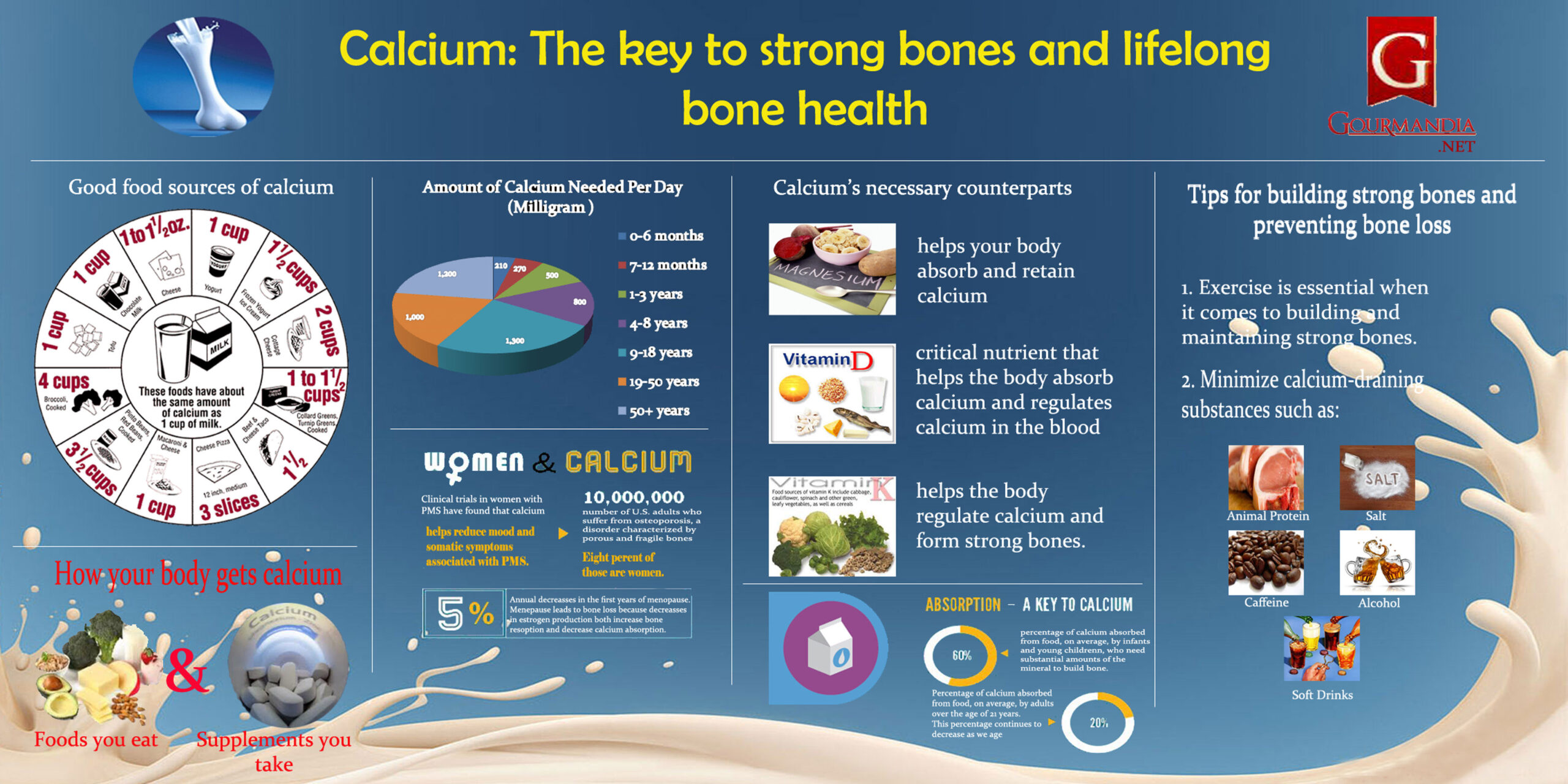
Vitamin D3 (Cholecalciferol): Enhances expression of calcium-binding proteins in the intestinal mucosa, increasing calcium absorption across the gut wall. Taking Vitamin D alongside evening calcium supports nighttime uptake.
Vitamin K2 (Menaquinone, particularly MK-7): Activates osteocalcin, a hormone that binds calcium to the hydroxyapatite matrix of bones. Vitamin K2 also activates matrix Gla-protein (MGP), which prevents calcium from depositing in arterial walls and soft tissues. Combining evening calcium with Vitamin K2 supports bone targeting while reducing vascular calcification risks.
Intestinal Tract
- Vitamin D3 (Enhances Absorption)
Blood Circulation
- Matrix Gla-Protein (Activated by K2 - Inhibits Arterial Calcification)
- Vitamin K2 (Activates Osteocalcin)
Skeletal Bone Matrix
Neuromuscular Function and Sleep Architecture
Beyond structural bone health, calcium plays a fundamental role in nerve signal transmission, muscle contraction, and cellular relaxation. Inside the brain, calcium ions are involved in converting the amino acid L-tryptophan into serotonin, which is subsequently synthesized into melatonin—the hormone that regulates sleep-wake cycles.
Additionally, calcium works alongside magnesium to regulate muscle contraction and relaxation cycles. Supplemental evening calcium can help reduce nocturnal muscle cramping and restlessness, supporting smooth transition into deep non-REM sleep stages.
Drug Interactions and Timing Precautions
While evening supplementation offers advantages, calcium can bind to specific medications in the digestive tract, forming insoluble complexes that reduce drug absorption.
Medication Interaction Rules:
| Medication Class | Separation Requirement |
|---|---|
| Levothyroxine (Thyroid) | Separate from calcium by AT LEAST 4 hours |
| Bisphosphonates (Alendronate) | Take 30–60 mins BEFORE breakfast; avoid evening calcium |
| Tetracyclines / Quinolones | Separate by 2 to 4 hours |
| Iron & Zinc Supplements | Separate by 2 hours (competes for intestinal transport) |
Thyroid Replacement Therapy (Levothyroxine)
Calcium carbonate and calcium citrate bind to levothyroxine in the stomach, impairing thyroid hormone absorption and leading to unstable thyroid levels.
- Rule: Separate calcium supplements and levothyroxine by at least 4 hours. If you take thyroid medication early in the morning, taking calcium with dinner or at bedtime fits into this schedule naturally.
Oral Bisphosphonates (Alendronate, Risedronate)
Bisphosphonates used for osteoporosis treatment must be taken on an empty stomach first thing in the morning with plain water. Taking calcium around the same time prevents bisphosphonates from absorbing.
- Rule: Take bisphosphonates in the morning, and reserve supplemental calcium for later meals or evening routines.
Antibiotics (Tetracyclines and Quinolones)
Calcium cations chelate with antibiotics such as doxycycline, ciprofloxacin, and levofloxacin, rendering both the antibiotic and the mineral ineffective.
- Rule: Administer antibiotics at least 2 hours before or 4 to 6 hours after calcium supplements.
Iron and Zinc Competitors
Calcium, iron, and zinc share intestinal transport pathways (such as DMT-1). High doses of calcium taken simultaneously with oral iron supplements inhibit iron absorption.
- Rule: If taking an iron supplement for anemia, take iron earlier in the day (with Vitamin C to enhance absorption) and reserve calcium for your evening routine.
Comparison of Calcium Forms and Nighttime Protocols
The following table summarizes the structural differences, administration windows, and key considerations for common calcium supplement formulations.
| Feature / Attribute | Calcium Carbonate | Calcium Citrate | Microcrystalline Hydroxyapatite (MCHA) |
|---|---|---|---|
| Elemental Calcium Content | ~40% | ~21% | ~25% |
| Stomach Acid Requirement | High (Requires Gastric Acid) | Low (Acid Independent) | Low to Moderate |
| Optimal Nighttime Timing | With Dinner (With Food) | At Bedtime (On Empty Stomach) | With Dinner or Evening Snack |
| Gastrointestinal Tolerance | Higher risk of constipation/gas | Generally well-tolerated | Highly tolerable |
| Best Choice For | Budget-conscious, younger adults | Older adults, PPI users, low stomach acid | Bone density support seeking complex matrix |
| Max Single Dose Limit | 500 mg elemental calcium | 500 mg elemental calcium | 500 mg elemental calcium |
| Cofactor Requirements | Vitamin D3, Vitamin K2 | Vitamin D3, Vitamin K2 | Usually pre-formulated with cofactors |
Practical Guidelines: How to Structure Your Nighttime Calcium Routine
To implement an effective, safe nighttime calcium regimen, follow this step-by-step protocol tailored to your specific schedule and health needs:
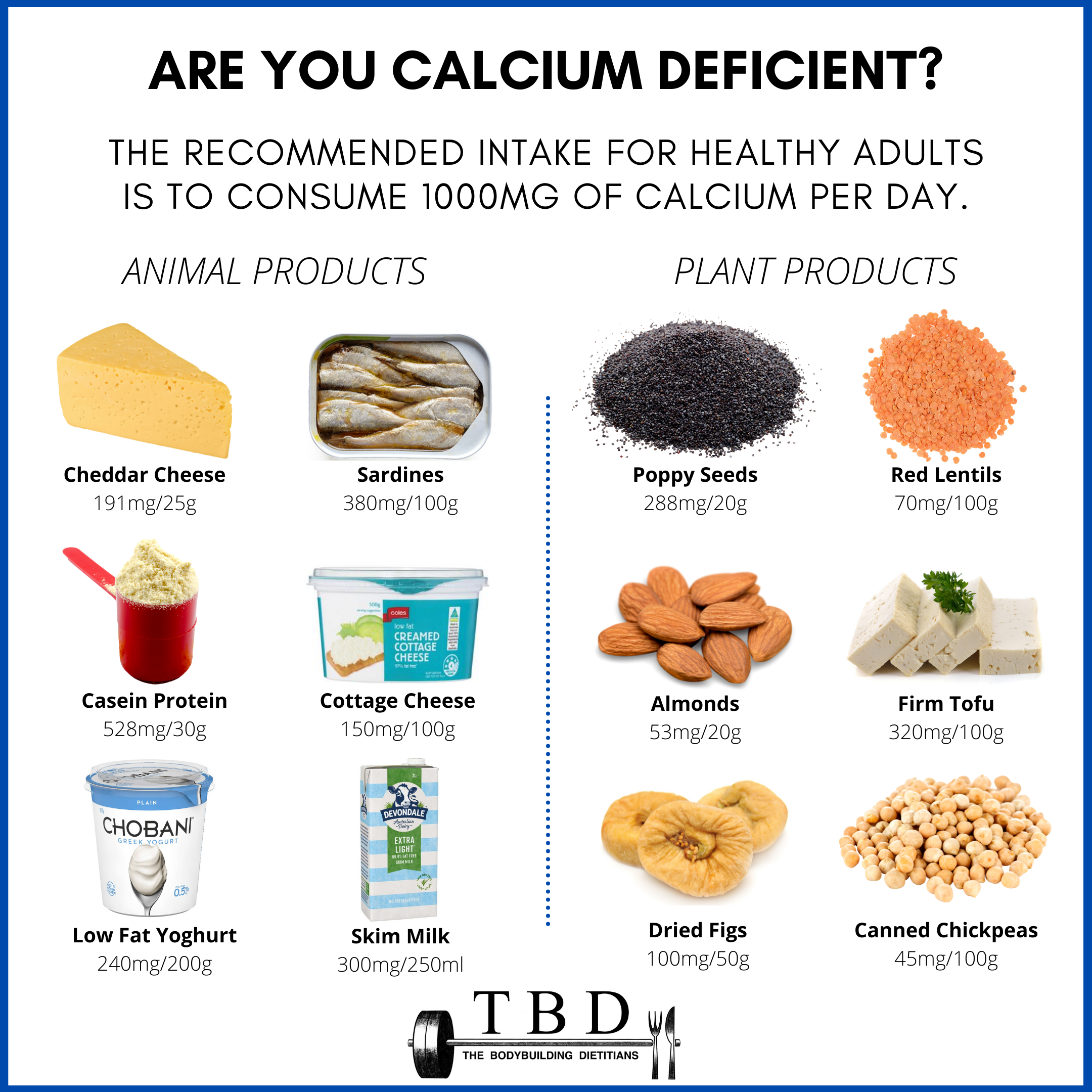
Calculate Your Total Daily Intake: Determine how much dietary calcium you consume daily through dairy, fortified plant milks, leafy greens, and tofu. The recommended dietary allowance (RDA) for adults typically ranges from 1,000 mg to 1,200 mg per day (varying by age and sex). Supplement only for the deficit between your diet and the target.
Split Large Dosages: If your supplemental need exceeds 500 mg per day, split it into two distinct doses. Take one portion midday and reserve the remaining portion for the evening window.
Match Form to Timing:
- If taking Calcium Carbonate, consume it during your evening meal (dinner) to leverage food-induced gastric acid release.
- If taking Calcium Citrate, take it 30 to 60 minutes before bed with a glass of water, regardless of when you last ate.
Verify Medication Spacing: Audit your daily medication schedule. Ensure morning thyroid drugs or evening antibiotics maintain the mandatory 2-to-4-hour buffer from your calcium intake.
Include Supportive Cofactors: Pair your evening calcium with Vitamin D3 (e.g., 1,000–2,000 IU daily) and Vitamin K2 (e.g., 90–120 mcg of MK-7) to facilitate proper absorption into bones and prevent soft tissue calcification.
Hydrate Adequately: Drink a full glass of water (8 oz) with your evening supplement to support tablet dissolution and reduce the risk of kidney stone formation, particularly when supplementing higher doses.
Frequently Asked Questions
Does taking calcium at night cause kidney stones?
Taking recommended doses of calcium (especially alongside meals or with adequate fluid intake) generally reduces the risk of calcium oxalate kidney stones. Dietary and supplemental calcium binds to oxalates in the digestive tract, preventing oxalates from being absorbed into the bloodstream and filtered by the kidneys. However, exceeding recommended daily limits without adequate water intake can increase risk.
Can I take calcium and magnesium together at bedtime?
Yes, but balance matters. Calcium and magnesium compete for intestinal absorption pathways when taken in very high doses simultaneously. If taking combined calcium and magnesium at night, choose a supplement with a 2:1 or 1:1 ratio (e.g., 500 mg calcium to 250–500 mg magnesium) or split them by taking magnesium at bedtime and calcium with dinner.
Why does calcium carbonate cause stomach upset at night?
Calcium carbonate requires stomach acid to dissolve into absorbable calcium ions. Taking calcium carbonate right before bed on an empty stomach means there is insufficient gastric acid present, leaving un-dissolved carbonate salts in the GI tract. This often leads to gas, bloating, and constipation. Switching to calcium citrate or taking calcium carbonate with dinner resolves this issue.
Is it better to take calcium in the morning or at night for osteoporosis?
For individuals targeting bone loss prevention or managing osteoporosis, taking at least part of the daily calcium dose in the evening is preferred. Skeletal bone breakdown spikes overnight due to circadian rhythms in parathyroid hormone secretion. Providing calcium during the evening window helps maintain serum calcium levels overnight, curbing this nocturnal bone resorption peak.
Summary and Next Actions
Aligning calcium intake with your body's nocturnal rhythms is a simple, effective strategy to optimize bone health. By providing circulating calcium during the peak hours of overnight bone resorption, evening supplementation helps maintain serum calcium levels and suppress excess parathyroid hormone activity.
To get started:
- Review your daily dietary calcium sources to calculate your exact supplemental deficit.
- Choose Calcium Carbonate if taking your supplement with dinner, or Calcium Citrate if taking it at bedtime.
- Ensure single supplemental doses do not exceed 500 mg of elemental calcium.
- Confirm that thyroid medications, iron, and antibiotics are separated from your calcium dose by at least 2 to 4 hours.
- Discuss your supplementation routine with a physician or registered dietitian to tailor dosage to your medical history and bone density status.
Image Gallery