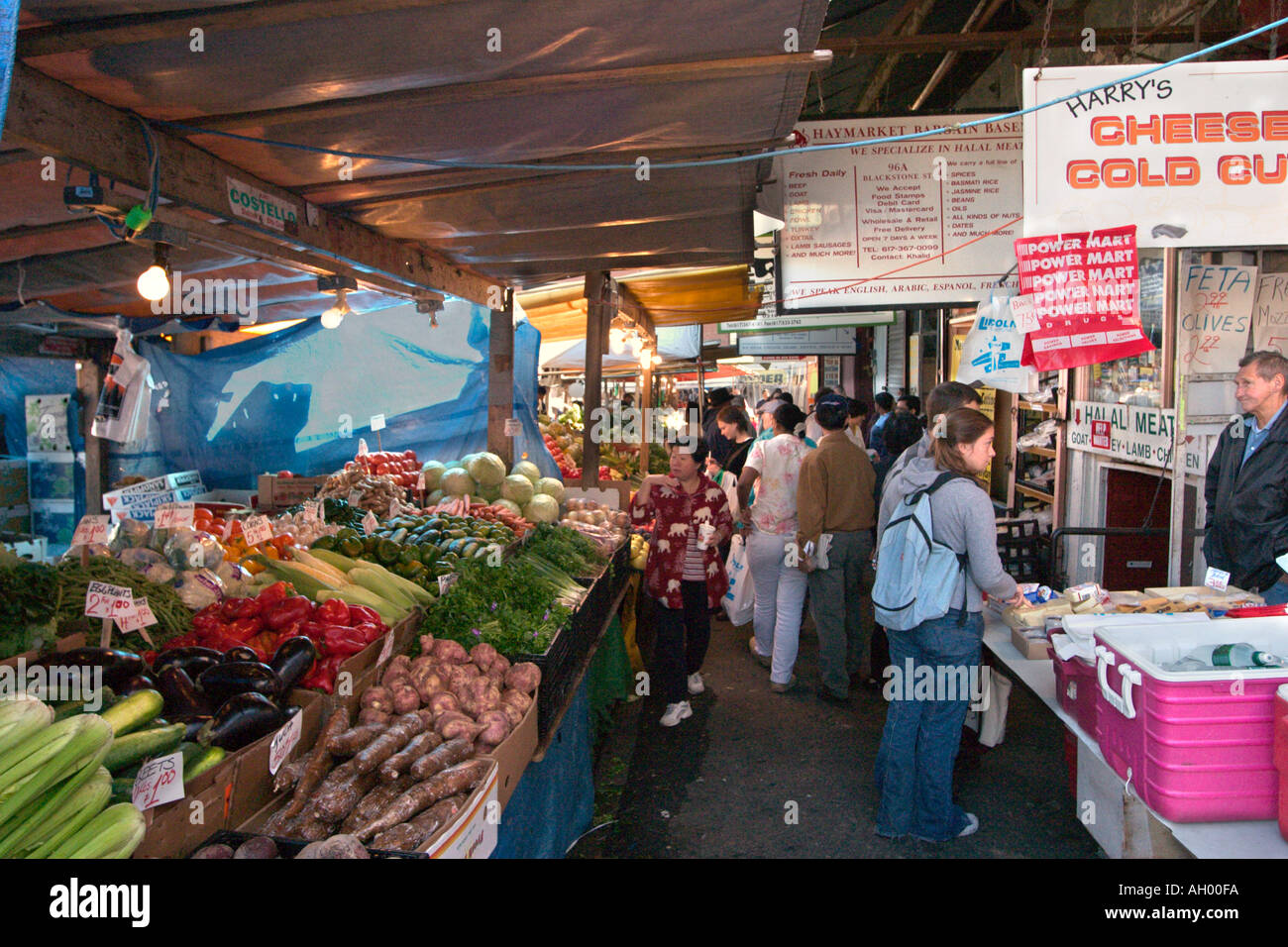
Navigating Haymarket at 136 Blackstone Street, Boston, MA 02109: A 2026 Guide
Haymarket, located at 136 Blackstone Street, Boston, MA 02109, is one of the oldest open-air markets in the United States, serving as a historic cultural hub and a vital source for fresh produce and specialty goods. Visitors often freq...
Haymarket, located at 136 Blackstone Street, Boston, MA 02109, is one of the oldest open-air markets in the United States, serving as a historic cultural hub and a vital source for fresh produce and specialty goods. Visitors often frequent the area for its competitive pricing, vibrant atmosphere, and deep roots in Boston’s colonial history.
Contents
Historical Significance and Geographic Context
The Haymarket district in Boston has functioned as a central marketplace since the early 1800s. Situated on Blackstone Street, it sits at the intersection of the North End and the Rose Fitzgerald Kennedy Greenway. The specific address at 136 Blackstone Street serves as a landmark for the surrounding stalls that constitute the market’s core.
Unlike modern indoor supermarkets, Haymarket operates as a collection of independent vendors who bring in fresh stock, primarily on Fridays and Saturdays. The geographic location is highly strategic, providing pedestrian access from the North End, Faneuil Hall, and the Financial District. In 2026, the area continues to be a focal point for urban planners interested in maintaining public markets as essential components of city infrastructure.
Operational Hours and Scheduling Guidelines
Understanding the specific operating schedule is essential for those planning a visit. Because Haymarket is an open-air market governed by local permits and vendor logistics, its hours differ significantly from traditional retail establishments.
Operational Strategy Peak Times The market is most active on Friday and Saturday mornings. Arriving early, between 6:00 AM and 9:00 AM, is recommended to secure the freshest selection of produce and avoid the heaviest crowds that typically form by midday. Seasonal Adjustments While the market persists throughout the year, the variety of goods shifts according to agricultural cycles in New England. In 2026, visitors can expect a transition from root vegetables in the early months to high-yield fruits and greens by the peak of the summer season.
Navigating the Marketplace Experience
For visitors, navigating the stalls at 136 Blackstone Street requires a pragmatic approach to commerce. Most vendors operate on a cash-only basis, although digital payment acceptance has grown in recent years.
Essential Tips for Market Shoppers
- Bring Reusable Bags: Vendors generally provide minimal packaging. Carrying heavy-duty reusable totes is standard practice for frequent shoppers.
- Inspect Before Purchase: As with any open-air market, inspect produce for quality before finalizing your selection.
- Communication: Interactions with vendors are often fast-paced. Having your cash ready and knowing your preferred items helps maintain the flow of the market.
- Dress Accordingly: Because the area is open to the elements, dress according to the specific weather conditions of the day, especially during the colder New England months.
Comparative Overview: Traditional Retail vs. Haymarket
The following table outlines how shopping at the Haymarket district compares to standard grocery retail outlets found in the Boston metro area.
| Feature | Haymarket (136 Blackstone) | Traditional Supermarket |
|---|---|---|
| Pricing | Highly Competitive / Negotiable | Fixed (MSRP-based) |
| Payment Methods | Primarily Cash (Some Digital) | All Methods (Credit/Debit/EBT) |
| Atmosphere | Open-Air / Chaotic / Historic | Temperature Controlled / Uniform |
| Freshness | High (High Volume Turnover) | Variable (Supply Chain Dependent) |
| Accessibility | Pedestrian-Centric | Car-Centric (Parking Lots) |
Public Transit and Accessibility
Given its location at 136 Blackstone Street, the market is exceptionally accessible via the MBTA. The Haymarket Station serves as a critical transit hub for the Orange and Green lines, as well as numerous bus routes.
- Orange/Green Line Access: Disembark at Haymarket Station. The market stalls are visible immediately upon exiting the station headhouses.
- Walking Routes: If coming from the North End, follow the Greenway south. If coming from Faneuil Hall, proceed north along the same path.
- Parking Considerations: On-street parking is extremely limited and strictly enforced. Visitors intending to purchase large quantities are advised to utilize public transit or nearby paid garages, though the latter can significantly increase the total cost of goods.
Addressing Common Inquiries
For those frequenting the Haymarket area, the following questions reflect the most common concerns regarding logistics and site status.
Is Haymarket open every day of the week?
No, the market operates primarily on Fridays and Saturdays. While some surrounding brick-and-mortar stores near 136 Blackstone Street maintain daily hours, the open-air stalls are not present on weekdays.
Can I use EBT/SNAP benefits at the market?
Yes, many vendors at Haymarket are authorized to accept EBT payments. It is recommended to look for signage at individual stalls or ask the vendor before selecting your items to ensure they process benefits.
What should I do if I have a conflict with a vendor?
Since Haymarket consists of independent sellers, disputes should be handled directly at the stall level. For broader administrative questions regarding the market's regulation, the City of Boston's Office of Economic Opportunity and Inclusion provides guidance on vendor permits.
Is the area wheelchair accessible?
The market area is located on public sidewalks and street levels. While the pavement is generally flat, the high volume of foot traffic and the configuration of stalls can make navigation challenging during peak hours.
Does the market provide protection during inclement weather?
As an open-air market, there is no permanent covering for the street-level stalls. Vendors often employ temporary canopies, but patrons remain exposed to the environment, necessitating appropriate attire for the current 2026 seasonal climate.
Strategic Recommendations for Visitors
To maximize your experience at 136 Blackstone Street, prioritize a mission-based visit. Identify the items you require, carry small-denomination cash, and utilize the proximity of the North End for subsequent culinary needs. By acknowledging the historic, non-corporate nature of the market, you can better appreciate its role in the Boston economy and ensure a successful shopping excursion.
Image Gallery