Is Cup Stacking an Olympic Sport? A Definitive Guide to Competitive Sport Stacking
Sport stacking, commonly referred to as cup stacking, is not an Olympic sport. Despite its global growth, organized competitions, and inclusion in various youth athletic programs, it lacks recognition from the International Olympic Com...
Sport stacking, commonly referred to as cup stacking, is not an Olympic sport. Despite its global growth, organized competitions, and inclusion in various youth athletic programs, it lacks recognition from the International Olympic Committee (IOC) and is not featured on the program for any Summer or Winter Olympic Games.
Contents
Understanding the Olympic Eligibility Requirements
The path to becoming an Olympic sport is rigorous and strictly regulated by the International Olympic Committee. For a discipline to be considered, it must first be recognized as a sport by the Olympic Charter. The sport must have a governing body that adheres to the World Anti-Doping Code, the Olympic Movement Code on the Prevention of the Manipulation of Competitions, and various other governance standards.
Beyond basic recognition, the sport must be widely practiced. The Olympic Games are designed to showcase athletic excellence on a global scale. Therefore, a sport must demonstrate significant international popularity, widespread participation, and a robust competitive structure across multiple continents. While competitive cup stacking has a dedicated following and global championships, it primarily exists as a niche competitive activity rather than a mainstream international sport with the requisite global infrastructure required for Olympic inclusion.
The Governance of Competitive Sport Stacking
The primary organization governing competitive cup stacking is the World Sport Stacking Association (WSSA). The WSSA sets the official rules, maintains world records, and oversees sanctioned tournaments globally. Unlike international federations for Olympic sports—such as World Athletics or FIFA—the WSSA functions as the primary body for a specialized activity focused on speed, dexterity, and hand-eye coordination.
In the context of the Olympic movement, sports are often categorized by their governing international federations. Because sport stacking is centered around a specific proprietary activity using standardized equipment, it is classified more accurately as a skill-based competitive hobby or a "mind sport" rather than an athletic discipline that fits the traditional physical parameters of the Olympic Games.
Why Cup Stacking Differs from Olympic Athletics
When people ask if cup stacking is an Olympic sport, they are often comparing the intense focus and dexterity required for stacking to the precision required in sports like archery, shooting, or table tennis. However, the Olympic Games are historically defined by a combination of physical exertion, endurance, and historical tradition.
| Feature | Competitive Sport Stacking | Traditional Olympic Sports |
|---|---|---|
| Governing Body | World Sport Stacking Association | International Federations (IFs) |
| Core Requirement | Hand-eye coordination and speed | Sustained physical exertion/athleticism |
| Olympic Status | Not recognized | Recognized/Included |
| Equipment | Proprietary speed cups | Regulated by international standards |
| Global Reach | Enthusiast/Niche | Mainstream global participation |
The distinction lies in the physical demands. While elite stackers possess incredible fine motor control and reaction times, the activity lacks the aerobic or anaerobic athletic components typically found in Olympic competition.
The Evolution of Competitive Stacking
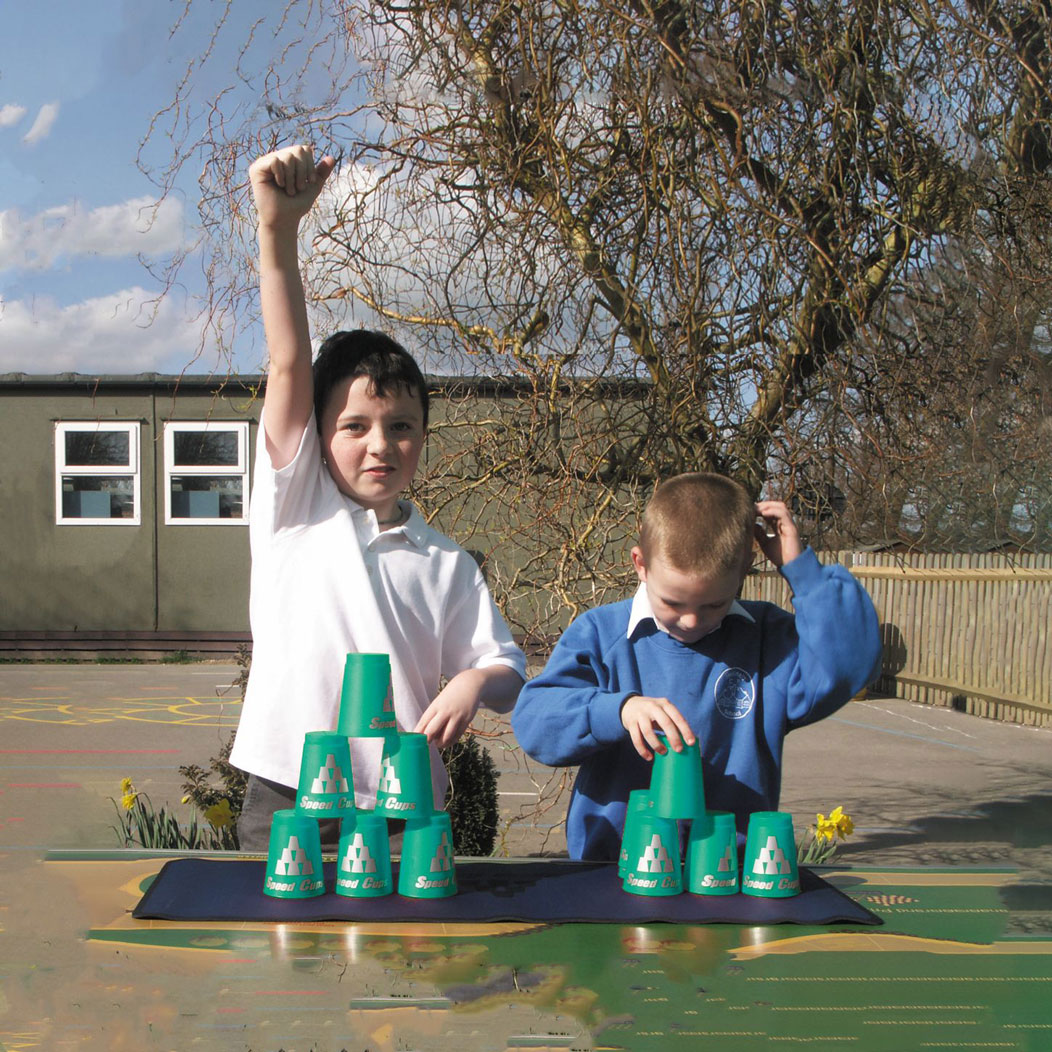
Since its emergence in the early 1980s, popularized largely through youth fitness programs in the United States, cup stacking has evolved significantly. It is now a common feature in physical education (PE) curricula worldwide. This integration into schools has provided millions of children with exposure to the activity, framing it as a way to improve focus and motor skills.
However, pedagogical utility does not equate to Olympic status. Many activities, such as chess or bridge, are recognized by the International Olympic Committee as sports, yet they do not appear in the Olympic Games. Even within this category of "recognized sports," cup stacking has not achieved the formal recognition status that would move it toward potential inclusion.
Common Misconceptions Regarding Olympic Inclusion
One of the reasons this question frequently arises is the presence of high-level, televised, and recorded competition. With the rise of digital platforms, viewers see professional-grade tournaments with announcers, official referees, and record-breaking times. Because these events look professional and competitive, observers often assume they must fall under the umbrella of Olympic-sanctioned events.
It is important to differentiate between professional competition and Olympic status. Many sports, such as professional bowling, billiards, or even extreme sports that have not yet been selected, hold world-class championships without ever being included in the Olympic Games.
Prerequisites for Aspiring Competitive Stackers
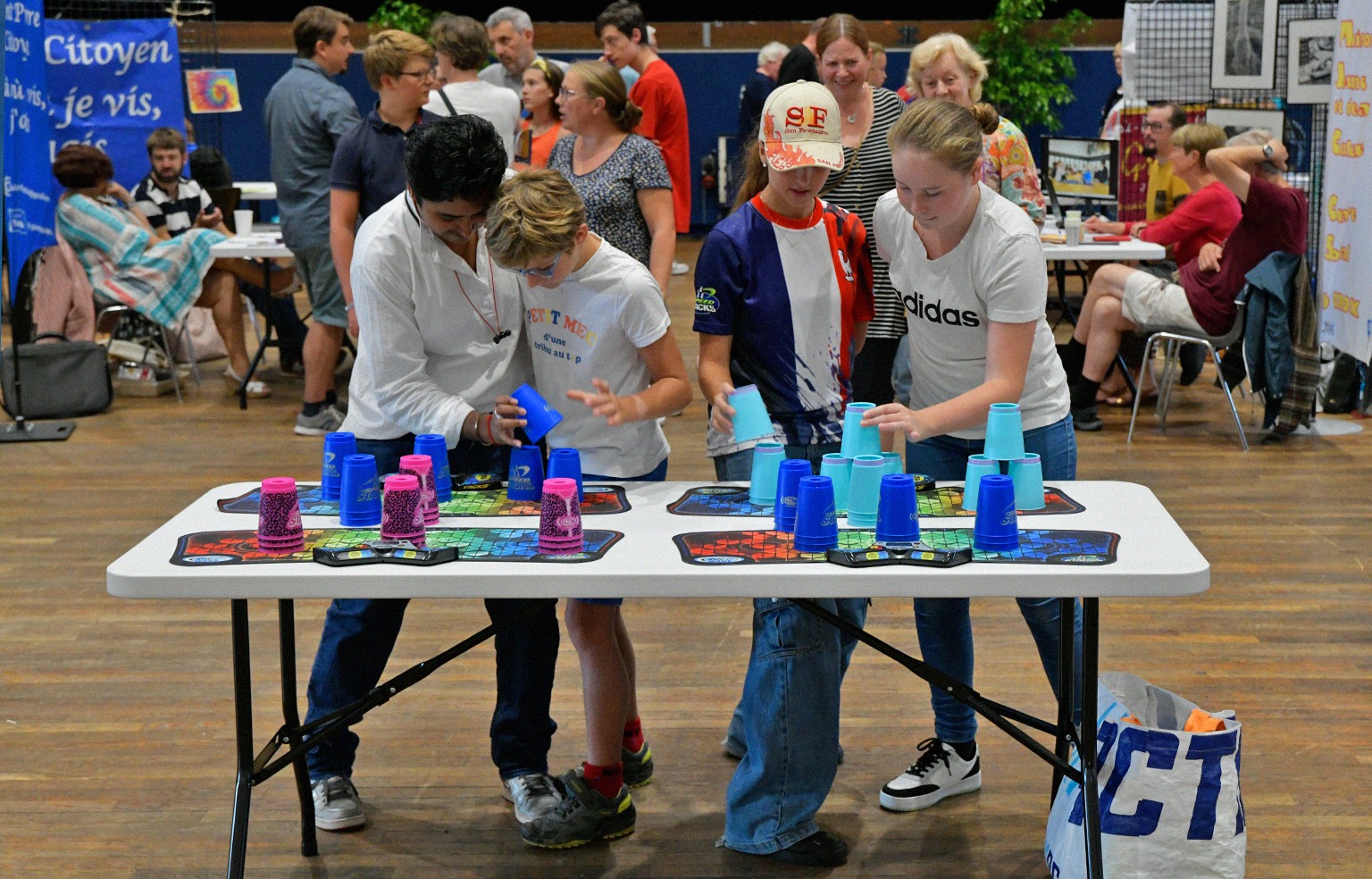
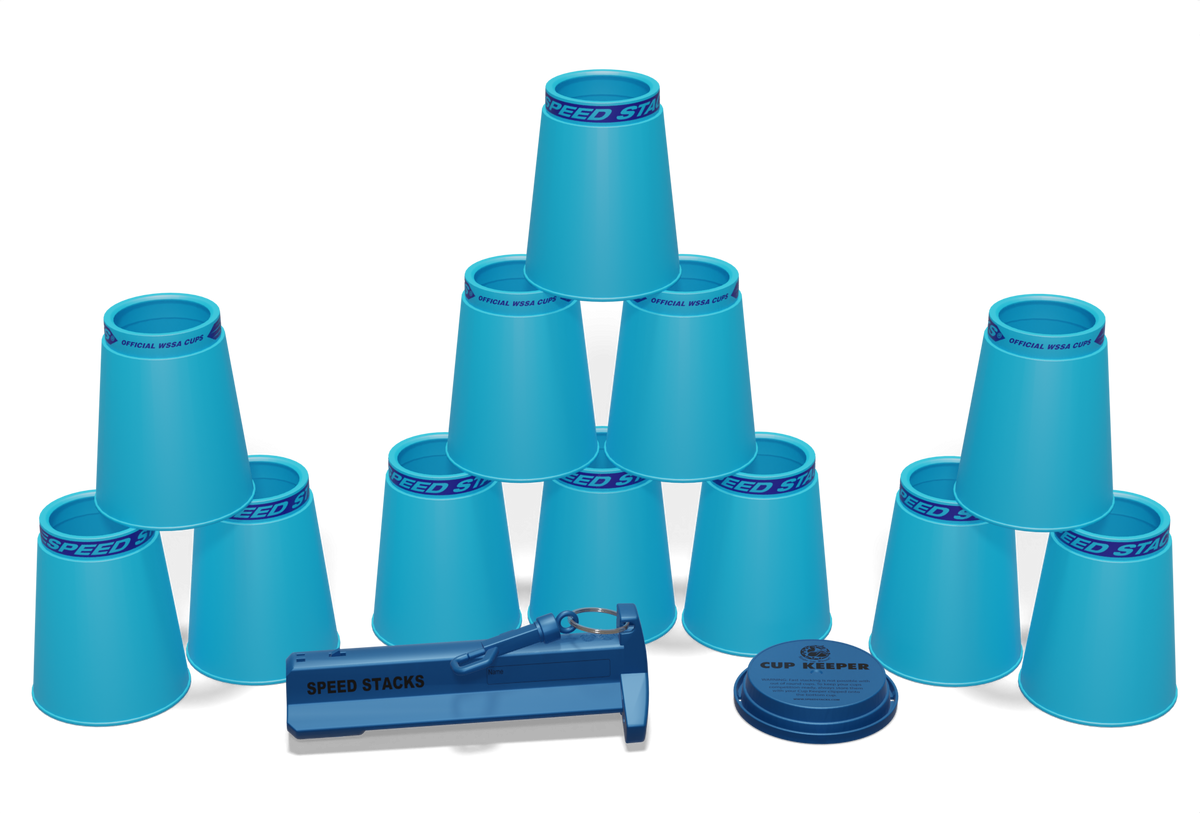
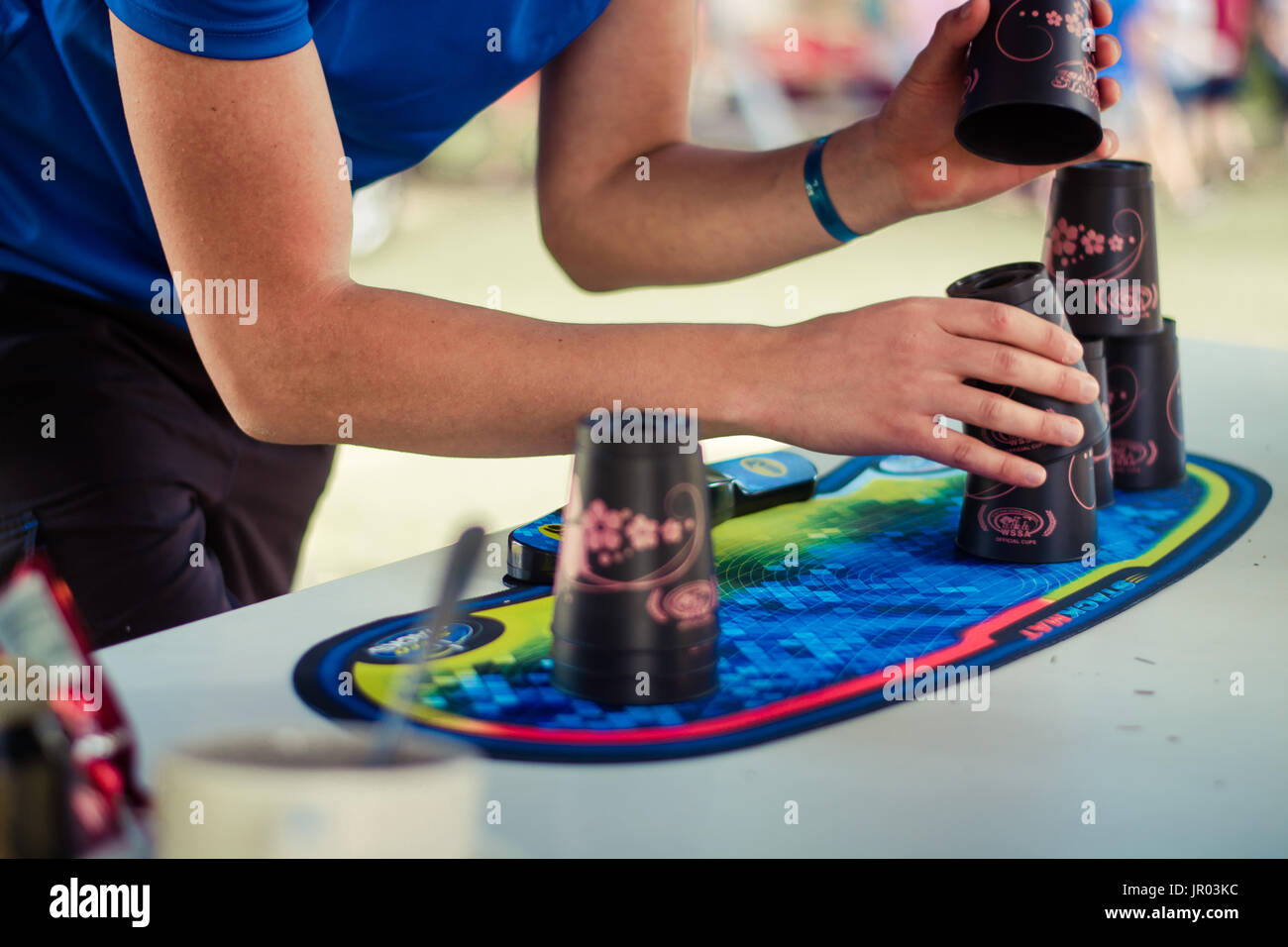
If you are interested in pursuing the sport, the requirements are minimal compared to other athletic endeavors. Participation requires only a set of official speed cups and a specialized timing mat.
- Official Equipment: Ensure your cups are WSSA-approved. These cups are engineered for specific friction levels and weight to ensure fair competition.
- Standard Rules: Familiarize yourself with the three primary sequences: the 3-3-3, the 3-6-3, and the Cycle.
- Tournament Participation: While not Olympic, the WSSA hosts regional, national, and world championships. Participation in these events is the standard path for athletes looking to compete at a high level.
- Data Verification: Use official WSSA timers that meet the standard specifications for tournament timing to ensure your personal bests are recognized.
Frequently Asked Questions
Can cup stacking ever become an Olympic sport? While theoretically possible for any recognized sport to undergo the application process, it is highly improbable. The IOC typically focuses on sports with high global viewership and widespread physical activity, whereas stacking remains a specialized niche activity.
Is there a governing body for cup stacking? Yes, the World Sport Stacking Association (WSSA) serves as the international governing body, establishing the rules and maintaining the official database of world records.
Do you need to be an athlete to participate in cup stacking? No. Cup stacking is inclusive of all ages and fitness levels. It focuses on fine motor skills rather than traditional athletic conditioning.
Are there different divisions in cup stacking competitions? Yes. Competitive stacking is divided into age groups—ranging from young children to masters levels—as well as individual, doubles, and team relay categories.
How is a cup stacking record verified? Records must be set using official equipment on a sanctioned surface, and they must be timed using a WSSA-certified timer. Most high-level records also require video evidence for verification by tournament officials.
Next Steps for Enthusiasts
If you are passionate about the sport, the best course of action is to engage with the competitive community through the WSSA. Focus on mastering the standard sequences and participating in sanctioned tournaments to improve your official ranking. By concentrating on regional and national competitions, you can test your skills against the best in the world, regardless of the activity's status within the Olympic Games.
Image Gallery