Understanding BID in Medical Terminology: Usage, Safety, and Clinical Standards
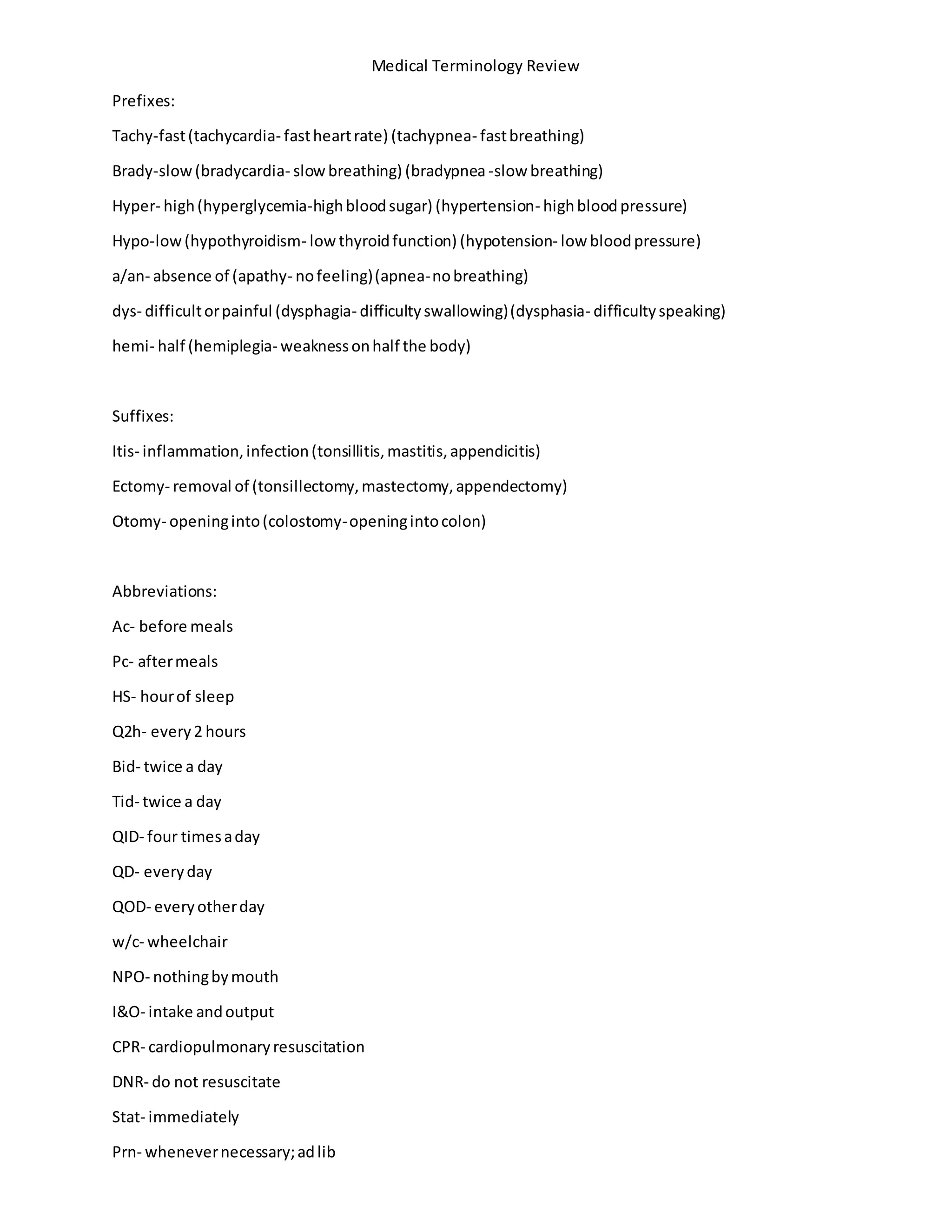
In medical terminology, BID (or b.i.d.) stands for the Latin phrase "bis in die," which translates to "twice a day." It is a common shorthand used by healthcare providers on prescriptions and in clinical charts to indicate that a medic...
In medical terminology, BID (or b.i.d.) stands for the Latin phrase "bis in die," which translates to "twice a day." It is a common shorthand used by healthcare providers on prescriptions and in clinical charts to indicate that a medication, treatment, or procedure should be administered two times within a 24-hour period.
Contents
The use of medical abbreviations is a cornerstone of clinical efficiency, allowing providers to communicate complex instructions concisely. However, while "BID" remains a staple in the lexicon of doctors, nurses, and pharmacists, its application requires a nuanced understanding of timing, patient safety, and modern regulatory standards. As of 2026, the transition toward electronic health records (EHR) and clear communication protocols has slightly altered how these traditional Latin terms are utilized in everyday practice.
The Etymology and History of Latin Medical Abbreviations
The term BID originates from classical Latin. Historically, Latin was the "lingua franca" of science and medicine across Europe and the Western world. By using a standardized dead language, physicians ensured that a prescription written in one country could be understood by a pharmacist in another, regardless of their native tongues.
- Bis: A Latin adverb meaning "twice" or "two times."
- In: A preposition meaning "in" or "during."
- Die: The ablative form of "dies," meaning "day."
Other related abbreviations include TID (ter in die, three times a day) and QID (quater in die, four times a day). While these terms have served the medical community for centuries, the complexity of modern pharmacology has necessitated more precise definitions regarding the intervals between doses.
Practical Application: When is BID Used?
In a clinical setting, BID is most frequently seen in medication orders. When a physician writes a script for a patient, they must specify the drug, the dose, the route of administration, and the frequency. BID addresses the frequency.
Clinical Interpretation of Timing
While BID literally means twice a day, it does not inherently dictate the exact hours of administration. In most outpatient settings, BID is interpreted as "once in the morning and once in the evening." For example, a patient might take their first dose at 8:00 AM and their second dose at 8:00 PM.
In an inpatient hospital setting, nursing protocols often have standardized "medication passes." A BID order might be scheduled automatically for 0900 and 2100 hours. However, the timing can vary based on the specific requirements of the medication, such as whether it needs to be taken with food (e.g., "BID with meals") or on an empty stomach.
Common Medications Prescribed BID
Many maintenance medications and short-term treatments are optimized for twice-daily dosing to maintain therapeutic blood levels. These include:
- Antibiotics: Certain classes, like clarithromycin or certain penicillins, require BID dosing to keep the concentration of the drug high enough to inhibit bacterial growth throughout the night.
- Antihypertensives: Some blood pressure medications are designed to be taken twice a day to prevent "trough" periods where blood pressure might spike.
- Antivirals: Chronic management of viral loads often relies on a steady BID schedule.
- NSAIDs: Long-acting pain relievers like naproxen are frequently dosed twice daily.
BID vs. Q12H: A Crucial Distinction
One of the most important technical distinctions in medical terminology is the difference between BID and Q12H (every 12 hours). While both result in two doses per 24 hours, their clinical implications differ significantly.
| Feature | BID (Bis in Die) | Q12H (Every 12 Hours) |
|---|---|---|
| Translation | Twice a day | Every 12 hours |
| Focus | Frequency within a calendar day | Precise interval between doses |
| Flexibility | Higher; doses can be moved slightly (e.g., 9 AM and 6 PM) | Lower; requires strict adherence to the clock |
| Typical Use | Maintenance drugs, vitamins, general supplements | Antibiotics, anti-arrhythmics, critical care meds |
| Patient Burden | Easier for patients to manage with daily routines | May require waking up at night to maintain levels |
If a medication has a short half-life or a narrow therapeutic index—meaning the difference between a curative dose and a toxic dose is small—a provider will likely use Q12H to ensure the drug level in the bloodstream remains constant. If the medication is more "forgiving," BID is used to allow the patient to fit the doses into their waking life more easily.
Safety Standards and Regulatory Guidelines in 2026
The use of Latin abbreviations like BID has come under scrutiny by patient safety organizations. The Institute for Safe Medication Practices (ISMP) and The Joint Commission have long highlighted that abbreviations are a leading cause of medication errors.
The Risk of Misinterpretation
The primary danger with BID is poor penmanship in handwritten orders. A cursive "bid" can easily be mistaken for "tid" (three times a day) or "qid" (four times a day). Conversely, "qd" (once daily) was famously banned because a trailing stroke could make it look like "qid."
While BID is not currently on the "Official Do Not Use" list for all institutions, many modern healthcare systems in 2026 have implemented internal policies that require providers to use plain English. Instead of writing "BID," they are encouraged to write "twice daily" or "two times a day."
Electronic Health Records (EHR)
In 2026, the majority of prescriptions are transmitted via E-prescribing software. These systems often use drop-down menus where a provider selects "twice daily." The software then automatically translates this into the appropriate instructions for the pharmacist. This technology has significantly reduced the ambiguity associated with traditional Latin abbreviations.
The Role of the Pharmacist in Interpreting BID
The pharmacist acts as the final checkpoint in the medication use process. When a pharmacist receives a prescription with the notation "1 tab PO BID," they perform several cognitive tasks:
- Verification: They check if BID is an appropriate frequency for that specific drug and dosage.
- Translation: They translate the clinical shorthand into "sig" (label) instructions that a layperson can understand. The bottle will not say "BID"; it will say "Take one tablet by mouth twice daily."
- Counseling: They advise the patient on the best times to take the doses. For instance, if a drug causes drowsiness, they might suggest taking the "evening" dose right before bed rather than at dinner time.
Patient Education and Best Practices
For patients and caregivers, understanding the instructions behind BID is vital for treatment efficacy. If a doctor prescribes a medication BID, here are the essential steps to ensure safety:
- Ask for Clarification: Does the medication need to be exactly 12 hours apart, or is "morning and evening" sufficient?
- Set Reminders: Use a pillbox or a smartphone app to ensure neither dose is missed. Inconsistent dosing can lead to treatment failure, especially with antibiotics or heart medications.
- Manage Missed Doses: Patients should ask their provider what to do if they miss a dose. Generally, if it is close to the time of the second dose, they should skip the missed one rather than "doubling up," which could lead to toxicity.
- Review the Label: Always verify that the "twice daily" instruction on the pharmacy label matches what the doctor discussed during the appointment.
Expanding the Context: Other Common Timing Abbreviations
To fully grasp the landscape of medical timing, one should be familiar with the "siblings" of BID. These are often used in conjunction with one another in complex treatment regimens.
- QD / QDay: Once daily (Note: Often discouraged in favor of "daily").
- TID: Three times a day (usually morning, noon, and night).
- QID: Four times a day (usually breakfast, lunch, dinner, and bedtime).
- PRN: Pro re nata, or "as needed." This is common for pain or anxiety medications.
- AC / PC: Ante cibum (before meals) and Post cibum (after meals). A prescription might read "BID AC," meaning take it twice a day before eating.
Professional Advice Limitation
While this guide provides a comprehensive overview of the term "BID" in medical terminology, it is intended for educational purposes only. Medical abbreviations and dosing schedules can vary based on individual health needs, specific drug formulations, and institutional protocols. Always follow the specific instructions provided by your prescribing physician and consult with a licensed pharmacist regarding the timing and administration of any medication.
Summary and Next Actions
The term BID remains an essential piece of medical shorthand, representing "twice a day." While the move toward standardized English and electronic prescribing has reduced the reliance on Latin abbreviations, BID is still widely recognized across global healthcare systems.
For healthcare students, mastering these terms is a prerequisite for clinical literacy. For patients, recognizing BID on a chart or understanding its translation on a prescription bottle is a key component of medication adherence.
Next Action for Readers: If you have a current prescription labeled "twice daily," check your medication guide or consult your pharmacist to determine if those doses should be strictly 12 hours apart or if they can be taken at your convenience in the morning and evening. Ensuring the correct interval is the simplest way to maximize the benefit of your treatment.
FAQs
1. Is BID the same as taking a pill every 12 hours? Not exactly. While BID results in two doses a day, it usually implies a "morning and evening" schedule that fits the patient’s lifestyle. "Every 12 hours" (Q12H) is a stricter instruction used for medications that require a constant level in the blood to be effective.
2. Can I take both BID doses at the same time if I forgot one? Usually, no. Taking two doses at once to make up for a missed one can double the concentration of the drug in your system, potentially leading to side effects or toxicity. Consult your pharmacist for specific guidance on your medication.
3. Why do doctors still use Latin like BID instead of just English? Latin abbreviations were the historical standard for universal communication in medicine. While many hospitals are phasing them out to improve safety and reduce errors, they remain deeply embedded in medical education and legacy systems.
4. What happens if I take my BID medication at 10 AM and 2 PM? Taking doses too close together can lead to a "spike" in the medication level and a long "trough" period where the medication isn't working for the rest of the day. It is best to space them out as evenly as possible, typically 8 to 12 hours apart.
5. Does BID mean I have to take the medication with food? The term BID only refers to the frequency (twice a day). It does not specify food requirements. Instructions regarding food will usually be noted separately as "AC" (before meals), "PC" (after meals), or in plain English on the pharmacy label.
Image Gallery