Understanding Why Life Insurance Is Like a Parachute: A Financial Safety Perspective
Comparing life insurance to a parachute is an apt metaphor because, like the essential safety gear used by skydivers, life insurance is a tool you hope you never truly need, yet its presence is critical when the unexpected happens. The...
Comparing life insurance to a parachute is an apt metaphor because, like the essential safety gear used by skydivers, life insurance is a tool you hope you never truly need, yet its presence is critical when the unexpected happens. The primary purpose of this financial instrument is to provide an immediate, tax-advantaged safety net for your beneficiaries, ensuring that the financial freefall caused by the loss of a breadwinner is halted before it results in irreparable economic catastrophe.
Contents
The Mechanism of Financial Protection
When we speak of life insurance as a "parachute," we are focusing on the concept of risk mitigation. A parachute does not prevent the act of jumping from an aircraft, nor does it make the jump inherently safe; rather, it provides a deployment mechanism that activates during an emergency to return the user to a stable state.
Similarly, life insurance does not prevent death, nor does it necessarily mitigate the emotional impact of a loss. Instead, it serves as a financial deployment mechanism. When a policyholder passes away, the death benefit functions as the "reserve" that deploys, providing the liquidity necessary to cover funeral expenses, pay off high-interest debt, fund college tuition, or sustain a mortgage. Without this mechanism, family members may be forced to liquidate assets, accumulate debt, or significantly alter their standard of living—all while mourning.
Analyzing Types of Policies as "Safety Gear"
Not all parachutes are designed for the same jump, and not all insurance policies are designed for the same life stage. Understanding the nuances between primary policy types is essential for ensuring your financial protection is rated for your specific needs.
Term Life Insurance
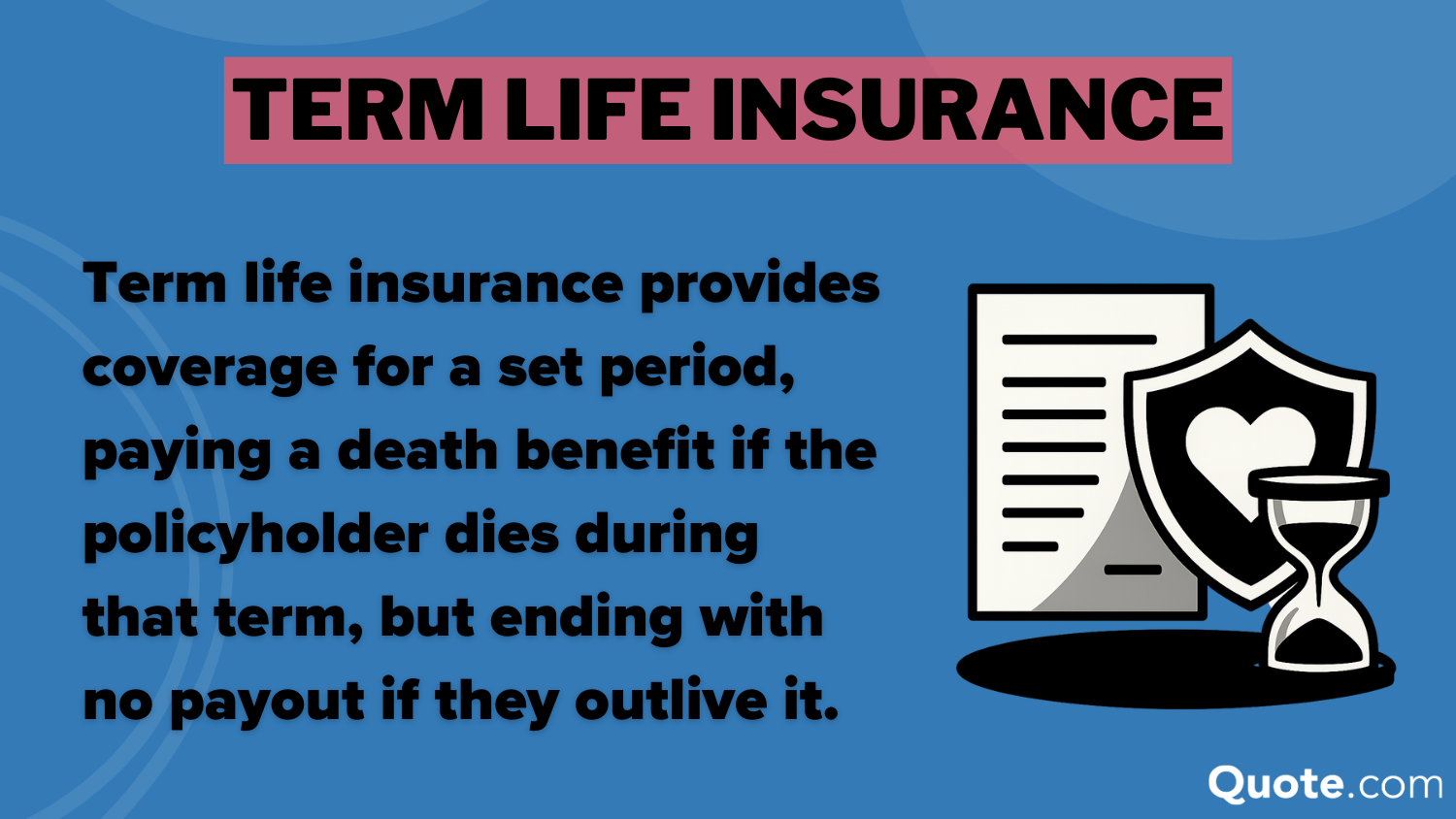
This is the most straightforward form of coverage. You pay a premium for a set duration—typically 10, 20, or 30 years. If you die during that term, the policy pays out. If you outlive the term, the coverage expires. Think of this as a sport parachute intended for a specific, high-risk activity; it is highly effective while active but carries no residual value once the term concludes. It is generally the most affordable way to secure high coverage amounts for young families with growing financial obligations.
Permanent Life Insurance (Whole or Universal)
Permanent insurance provides coverage for your entire life, provided the premiums are paid. These policies often include a cash value component, which functions as an investment vehicle that grows over time. This is more akin to a sophisticated, multifunctional safety system that remains attached to you regardless of the mission. Because these policies are more expensive and include internal costs for the cash value component, they are typically utilized for estate planning, business succession, or lifelong income replacement rather than simple income protection.
Key Factors in Selecting Your Coverage
Before "jumping" into a policy, you must evaluate the variables that dictate the effectiveness of your protection. Insurance is not a one-size-fits-all product; it requires a precise calibration of your current financial altitude.
| Factor | Consideration | Impact on Policy |
|---|---|---|
| Financial Obligations | Sum of debt, mortgage, and future needs. | Determines the death benefit amount. |
| Income Replacement | Current salary multiplied by working years. | Sets the target "safety" duration. |
| Health Status | Medical history and lifestyle choices. | Affects premium rates and underwriting. |
| Policy Duration | Timeline of your financial liabilities. | Influences term vs. permanent choice. |
The Role of Underwriting: The "Safety Inspection"
If life insurance is a parachute, the underwriting process is the comprehensive safety inspection. Insurance companies do not issue policies without verifying the "equipment" they are insuring. This process involves a review of your medical records, lifestyle habits, and financial background.
In 2026, many carriers have adopted accelerated underwriting processes, utilizing electronic databases to verify health information, which can often bypass the traditional paramedical exam. However, if your health profile is complex, expect a thorough inspection. Honesty during this phase is paramount; failure to disclose a material fact, such as a high-risk hobby or a history of illness, can result in the denial of a claim—the equivalent of a parachute failing to deploy when you need it most.
Common Misconceptions About Coverage
There is often a misunderstanding that life insurance is only for the elderly or the extremely wealthy. In reality, the parachute metaphor is most relevant for those in the middle of their accumulation phase—those who have debts, children, or businesses that depend on their continued input.
Another common error is the "set it and forget it" mentality. As your life changes—marriage, divorce, the birth of a child, or a significant change in income—your financial needs change. A policy that was adequate at age 30 may be insufficient at age 40. Regularly reviewing your coverage is the equivalent of checking your harness before every jump. If you do not adjust your coverage as your "altitude" changes, you risk being under-insured during a critical event.
FAQ: Navigating Life Insurance Decisions
1. Is life insurance a good investment? Life insurance is primarily a protection tool, not an investment strategy. While permanent policies do have a cash value component that can grow, their main goal is to provide a payout upon death. If your goal is purely investment, there are usually more efficient vehicles; if your goal is long-term protection with a potential savings component, permanent insurance may fit.
2. How much insurance do I actually need? A common rule of thumb is 10 to 12 times your annual income. However, a more accurate method is to sum your immediate debts (mortgage, loans), future obligations (college costs), and the total cost to replace your income for the required number of years, then subtract your current liquid assets.
3. Does my employer-provided life insurance count? Yes, but it is often insufficient. Employer group policies usually offer coverage equivalent to one or two times your salary, which rarely covers long-term needs. Furthermore, employer coverage is often tied to your employment; if you leave the company, you may lose the "parachute" exactly when you need it most.
4. What happens if I stop paying premiums? For term insurance, your coverage simply lapses, and you lose the protection. For permanent policies, the insurer may tap into the cash value to pay the premiums until that reserve is exhausted, at which point the policy terminates. Always consult your specific policy documentation for lapse provisions.
5. Can I have multiple life insurance policies? Yes. You can layer policies to meet different needs. For example, some individuals carry a large term policy to cover the years when their mortgage and child-rearing costs are highest, while simultaneously holding a smaller permanent policy to cover final expenses or estate taxes.
Professional Guidance and Next Actions
Financial planning requires a realistic assessment of risks. While we hope to avoid the circumstances that necessitate a life insurance payout, the financial burden of a premature death is a risk that cannot be ignored.
To ensure your "parachute" is ready, begin by calculating your total financial liability today. Gather your statements for mortgages, personal loans, and projected education costs. Once you have a clear picture of the coverage amount required, consult with an independent insurance broker. Unlike captive agents, independent brokers can compare products from multiple carriers, ensuring that you receive the most competitive rates and the specific coverage terms that match your profile.
Image Gallery