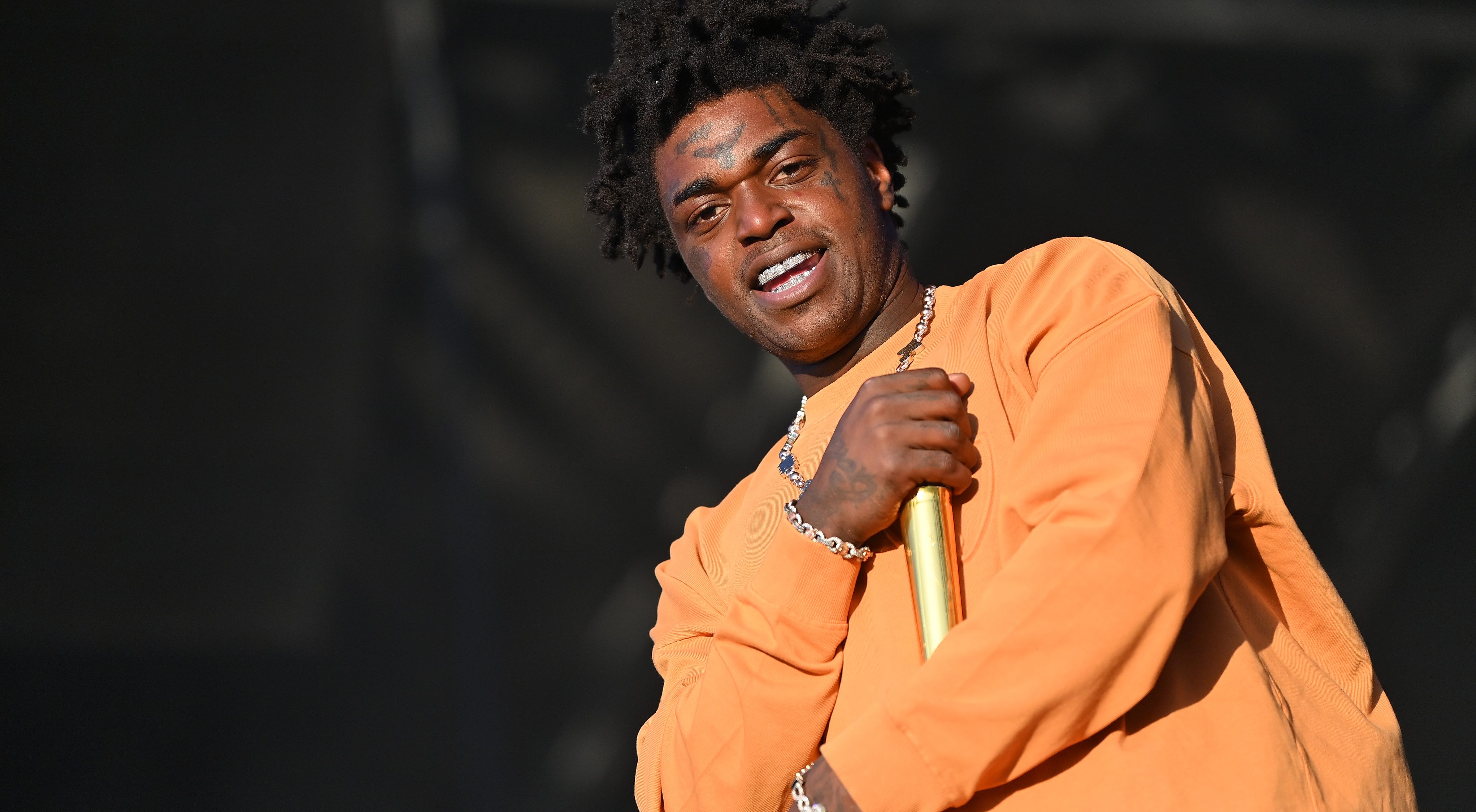
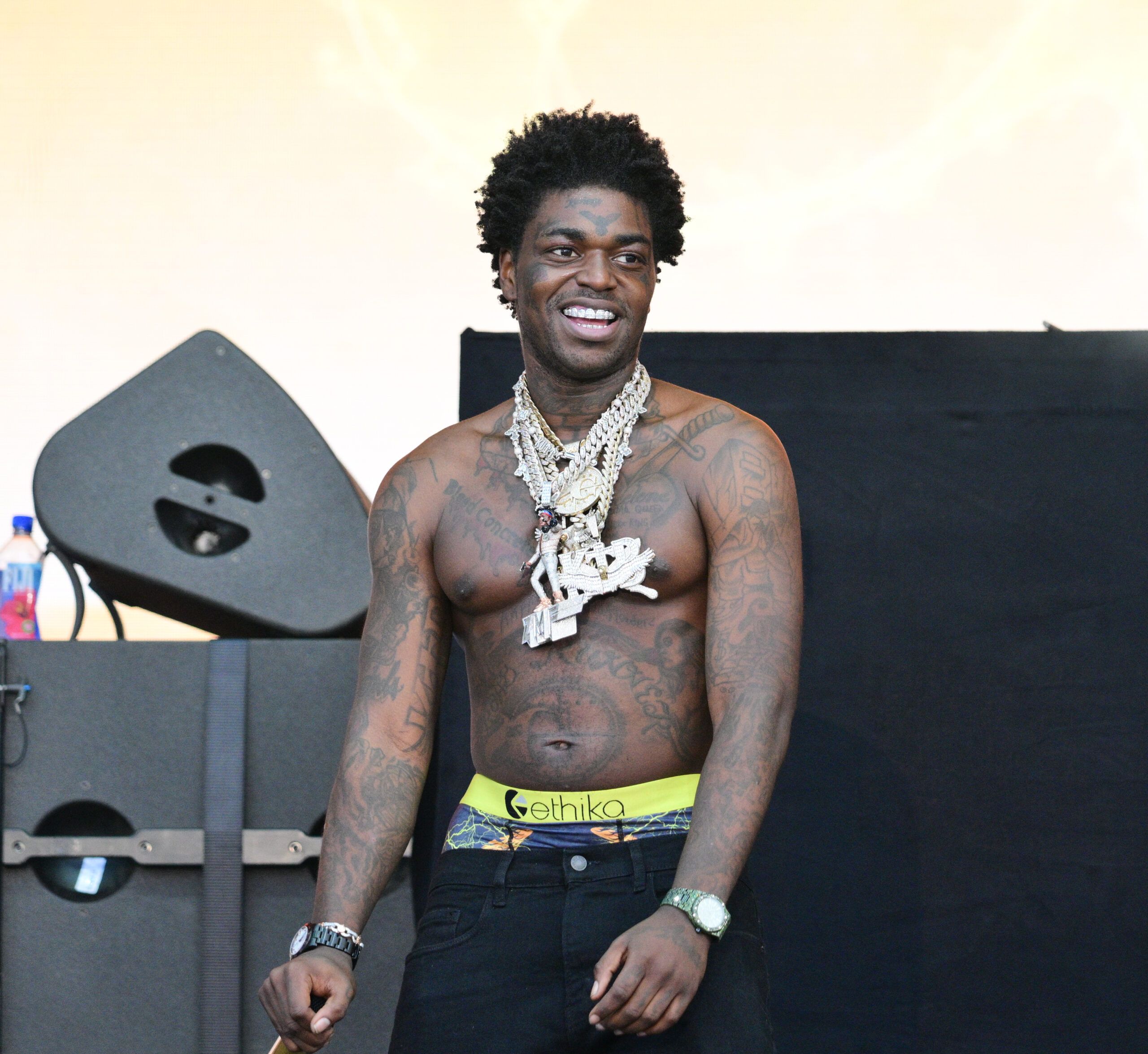
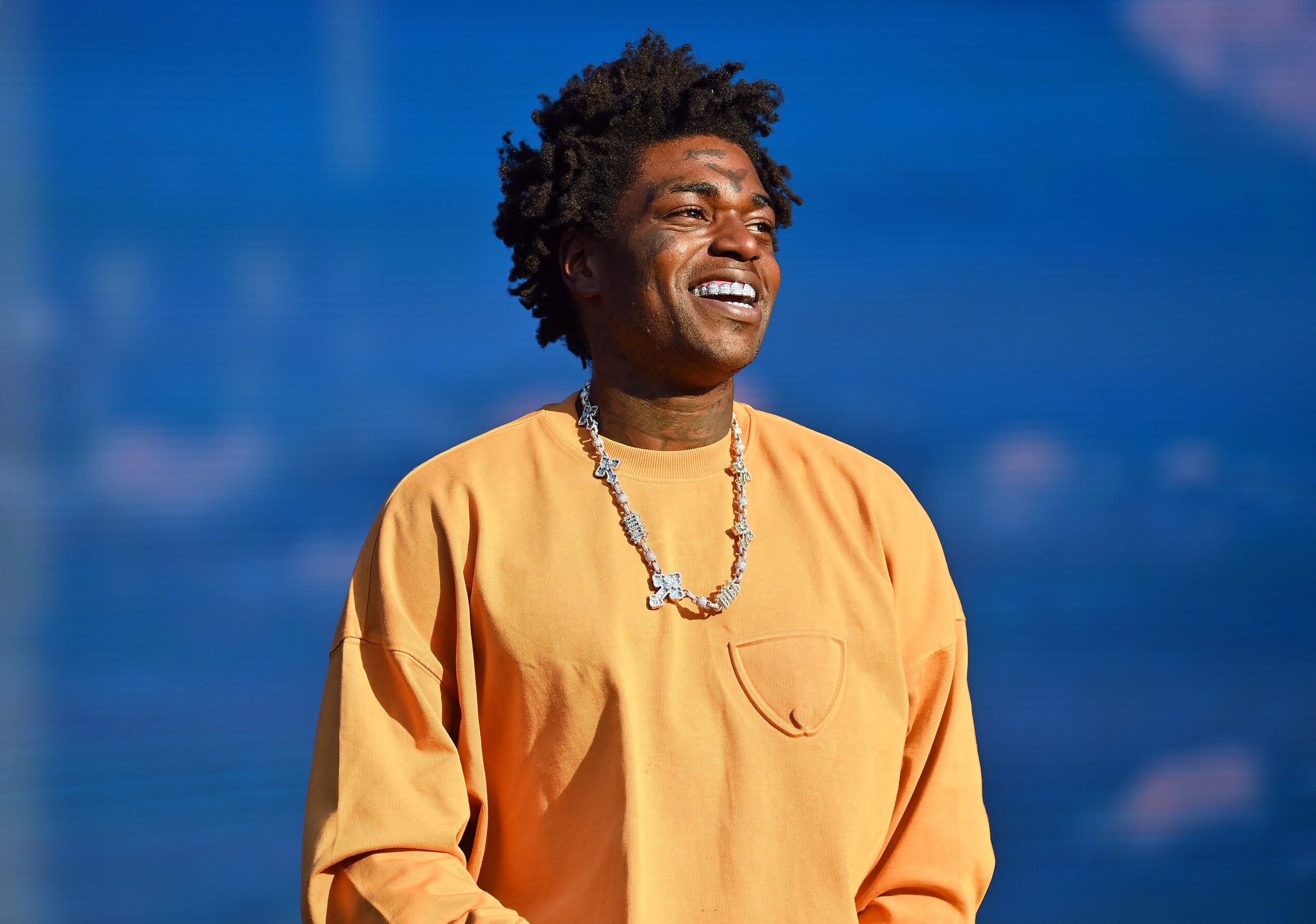
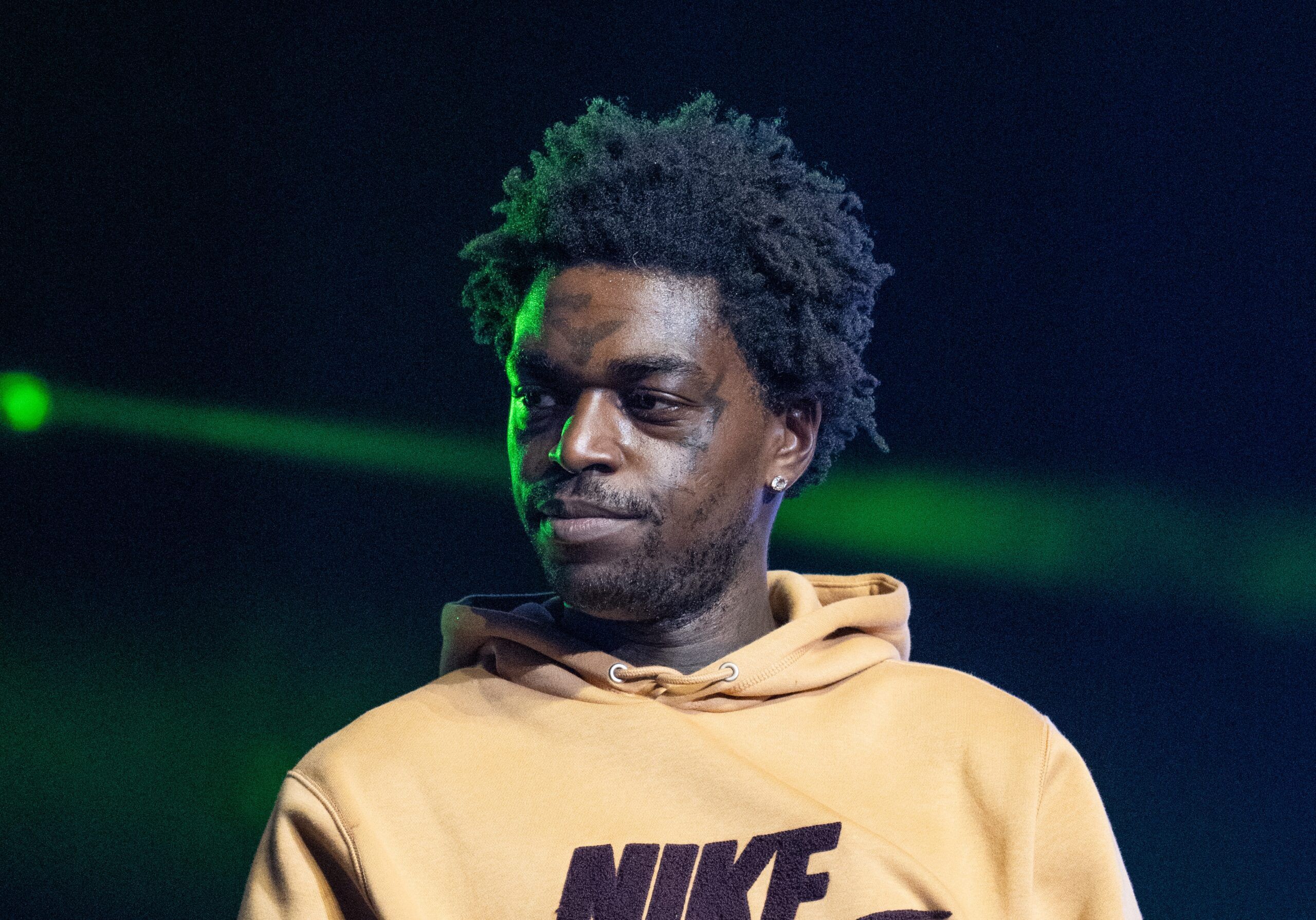
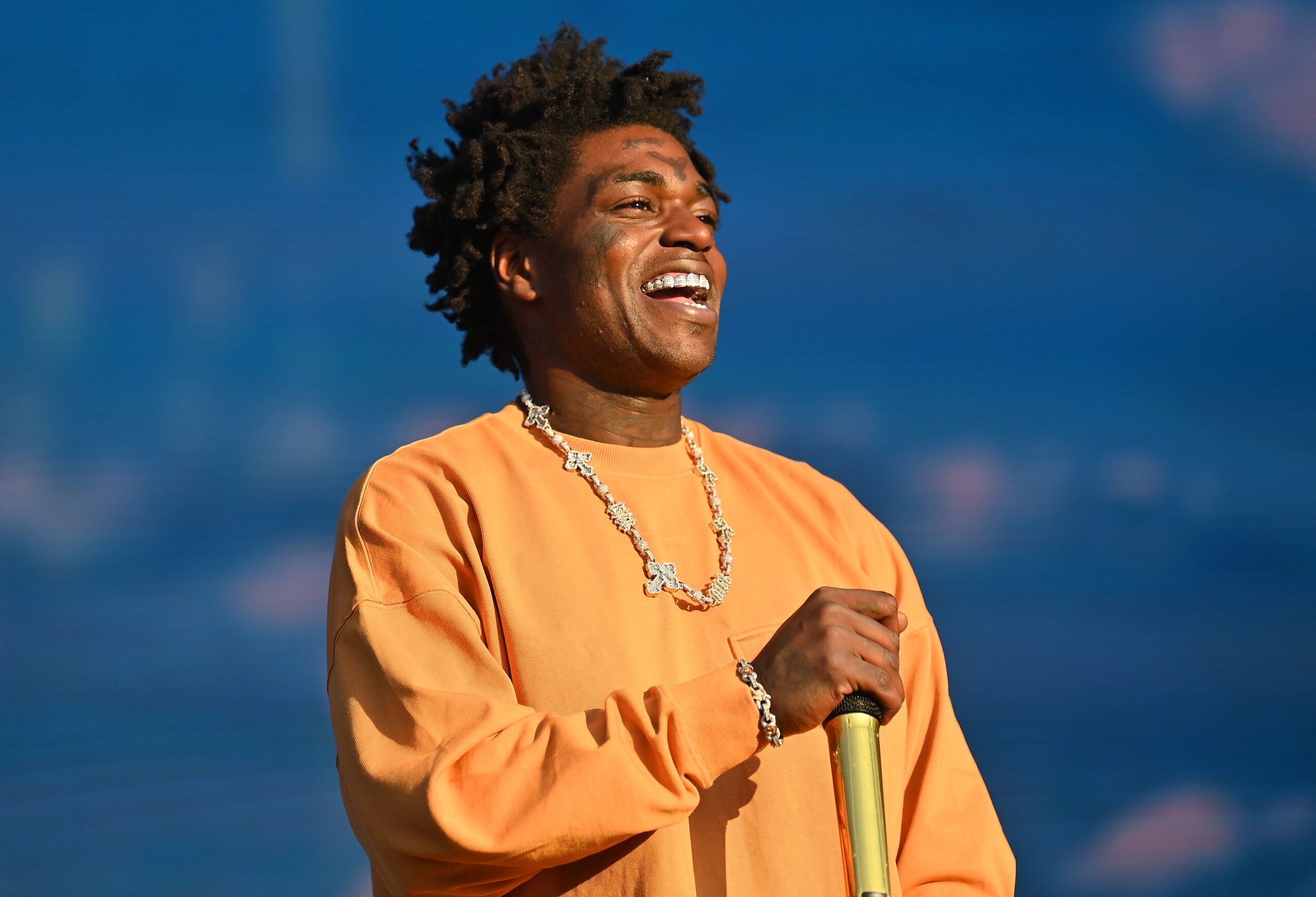
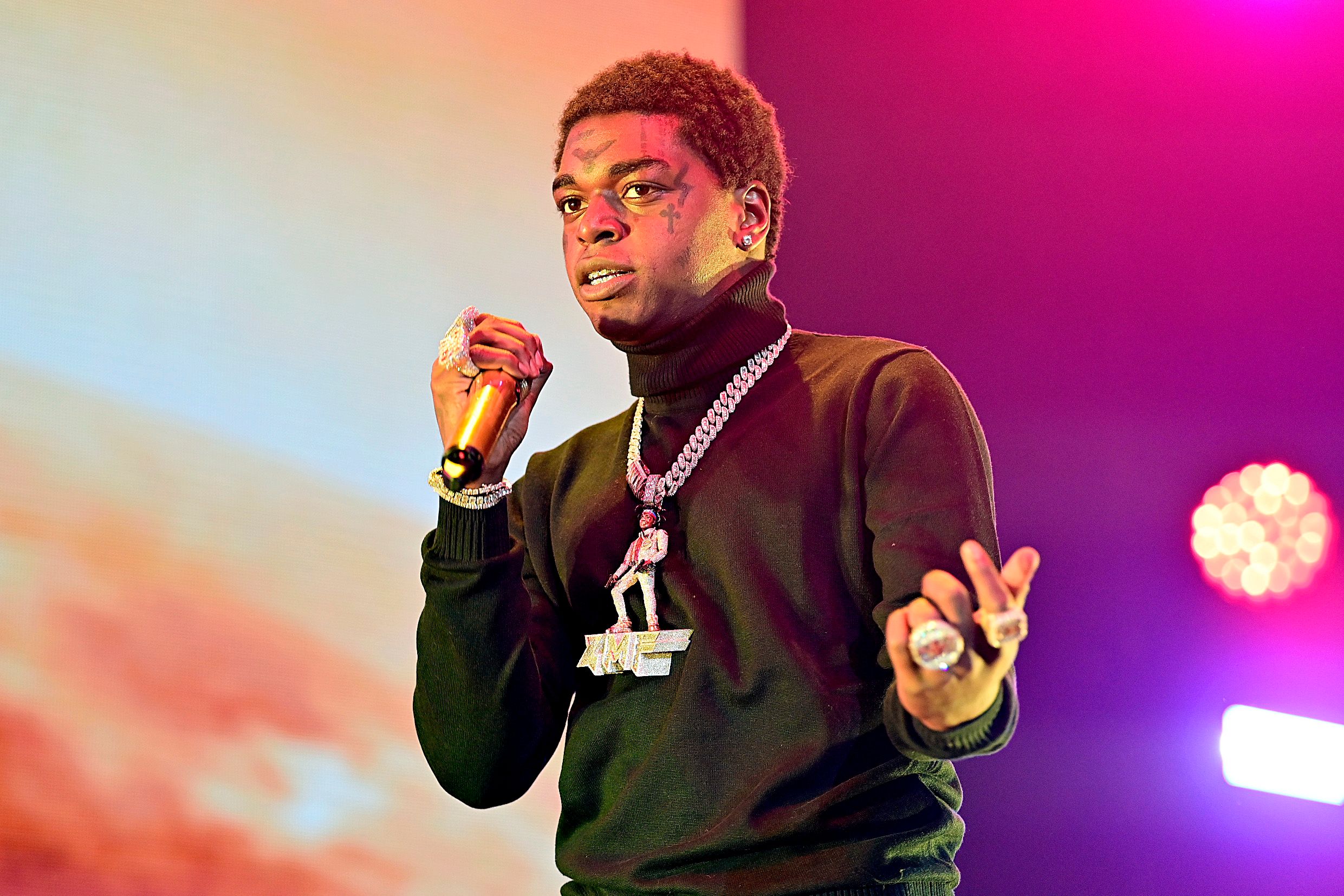
How Kodak Black Got Famous: The Rise of a Florida Rap Icon
Kodak Black achieved global fame through his 2014 viral hit "No Flockin," which introduced his unique Florida cadence and raw storytelling to the mainstream. His ascent was further propelled by a high-profile endorsement from Drake, a...
Kodak Black achieved global fame through his 2014 viral hit "No Flockin," which introduced his unique Florida cadence and raw storytelling to the mainstream. His ascent was further propelled by a high-profile endorsement from Drake, a major label deal with Atlantic Records, and a consistent ability to blend street narratives with surprising melodic vulnerability.
Contents
The Foundations in Pompano Beach
To understand how Kodak Black—born Dieuson Octave and later legally changing his name to Bill Kahan Kapri—got famous, one must look at his roots in the Golden Acres public housing project in Pompano Beach, Florida. Born to Haitian immigrant parents, his upbringing was defined by the harsh realities of poverty and early exposure to the criminal justice system. However, it was this environment that provided the authentic "Project Baby" persona that would eventually resonate with millions of listeners worldwide.
Kodak began rapping at a very young age, often frequenting local trap houses to record music instead of attending school. By the age of 12, he was a member of a rap group called Brutals Lednz, and shortly after, he joined the Kolyons. His early mixtapes, such as Project Baby (2013), showcased a technical proficiency that belied his age. He possessed a nasal, drawling delivery and a penchant for internal rhymes that felt more sophisticated than the "mumble rap" label often lazily applied to his peers. This early local buzz created a grassroots foundation that was essential for his later breakout; he wasn't a manufactured industry plant but a localized phenomenon that the industry eventually caught up to.
The "Florida Sound" that Kodak helped pioneer is characterized by its heavy bass, syncopated rhythms, and a specific dialect unique to the Broward County area. By leaning into his heritage and his specific geographical identity, Kodak filled a void in the hip-hop landscape. While Atlanta had dominated the Southern rap scene for years, Kodak’s rise signaled a shift toward South Florida as a new epicenter for raw, unfiltered talent.
The Viral Catalyst: No Flockin
If there is a single moment that answers how Kodak Black got famous, it is the release of "No Flockin" in 2014. Originally intended as a freestyle, the song’s beat—produced by IndigoChildRick—became an instant classic in the SoundCloud era. The music video, which featured a teenage Kodak dancing and rapping in front of a simple white background and around his neighborhood, captured a charismatic energy that was impossible to ignore.
"No Flockin" did more than just introduce Kodak; it introduced a specific rhythmic flow that would later change the trajectory of modern pop music. The song's influence was so profound that it served as the direct inspiration for Cardi B’s diamond-certified hit "Bodak Yellow." By adopting Kodak’s flow and naming the song as a tribute to him, Cardi B inadvertently introduced Kodak’s style to a massive pop audience that might not have discovered his underground mixtapes. This cross-pollination of styles solidified his status as a "rapper’s rapper"—someone whose technical choices were influential enough to be mirrored by the biggest stars in the world.
The song’s success was organic, fueled by social media clips and the burgeoning "Type Beat" culture on YouTube. It demonstrated that in the mid-2010s, a localized Florida artist could bypass traditional radio gatekeepers if the record was compelling enough. "No Flockin" eventually went platinum, proving that Kodak’s appeal was not just a regional fluke but a commercially viable force.
The Drake Effect and Mainstream Validation
In October 2015, Kodak Black received the "Drake Cosign," a phenomenon that has historically acted as a rocket booster for emerging artists. Drake posted a video on Instagram of himself dancing to Kodak’s song "Skrt" while on a private jet. In the world of digital-era hip-hop, this was equivalent to a coronation. Almost overnight, "Skrt" saw a massive spike in searches and streams, and major labels began a bidding war to sign the Florida teenager.
Kodak eventually signed with Atlantic Records, a move that provided him with the infrastructure to transition from a viral sensation to a career artist. Under Atlantic, he released Lil B.I.G. Pac in 2016, which featured collaborations with established artists like Gucci Mane. This project was critical because it proved Kodak could hold his own alongside veterans of the genre. It also showcased his ability to handle more polished production without losing the "dirt" that made his early work compelling.
The mainstream validation continued with his inclusion in the 2016 XXL Freshman Class, a prestigious list that highlights the most promising rising stars in rap. His appearance in the Freshman Cypher alongside artists like 21 Savage and Lil Uzi Vert remains one of the most-watched and debated segments in the magazine's history. It was during this period that Kodak moved from being a Florida secret to a household name in the music industry.
Chart Dominance and "Tunnel Vision"
The definitive transition to superstardom occurred in early 2017 with the release of "Tunnel Vision." Produced by Metro Boomin and Southside, the track featured a haunting flute melody and a catchy, melodic hook that resonated far beyond the traditional rap fan base. The song debuted at number 27 and eventually peaked at number 6 on the Billboard Hot 100, marking his first top-ten hit.
"Tunnel Vision" was significant because it showcased Kodak’s growth as a songwriter. While his earlier work was often aggressive or strictly observational, this track touched on themes of perseverance and the struggles of navigating fame while dealing with legal hurdles. The music video, which contained heavy social commentary regarding racial tensions and the KKK, showed a more provocative and thoughtful side of the artist.
His debut studio album, Painting Pictures, followed shortly after, peaking at number 3 on the Billboard 200. The album featured a mix of street anthems and introspective tracks, establishing a formula that he would perfect over the coming years. By 2026, looking back at this era, it is clear that Painting Pictures was the blueprint for the melodic trap sound that dominated the late 2010s and early 2020s.
The Paradox of Controversy and Success
Kodak Black’s career has been inextricably linked to his frequent legal issues, ranging from weapons charges to more serious allegations. Paradoxically, his proximity to the legal system has often amplified his fame. In the world of hip-hop, where "authenticity" is a primary currency, Kodak’s real-world struggles reinforced his image as a man who lived the life he described in his lyrics.
However, his fame reached a different level of public consciousness through his interactions with the highest levels of government. In January 2021, President Donald Trump commuted Kodak’s sentence for a weapons charge just before leaving office. This event brought Kodak into the national political conversation, making him a figure of interest for major news outlets and political commentators. Upon his release, he leaned into a more philanthropic role, frequently donating to his community and various charities, which added a layer of complexity to his public persona.
His ability to return from incarceration and immediately score chart-topping hits—such as "Super Gremlin" in late 2021 and early 2022—is a testament to his dedicated fan base. "Super Gremlin" became one of the biggest songs of the year, proving that even after years of controversy and time away from the spotlight, his musical instincts remained sharp.
Career Milestones and Evolution
The following table outlines the key moments that defined Kodak Black's journey from a local Florida rapper to a global superstar.
| Year | Event/Release | Impact on Fame |
|---|---|---|
| 2013 | Project Baby Mixtape | Established his "Project Baby" brand and local Florida following. |
| 2014 | "No Flockin" Release | Viral breakout; created the rhythmic template for future hits. |
| 2015 | Drake "Skrt" Cosign | Provided massive mainstream visibility and label interest. |
| 2016 | XXL Freshman Class | Solidified his status as a leader of the new generation of rap. |
| 2017 | "Tunnel Vision" | First Top 10 Billboard hit; proved his commercial viability. |
| 2018 | Dying to Live Album | Debut at No. 1 on Billboard 200; featured "Zeze." |
| 2021 | Presidential Commutation | Transferred his fame from music circles to national news. |
| 2022 | "Super Gremlin" | Re-established his dominance on the charts post-incarceration. |
| 2024-2025 | Vulture Love & Continued Singles | Maintained relevance through prolific output and label management. |
Artistic Uniqueness: Why He Stayed Famous
Many artists go viral and then fade away, but Kodak Black has maintained his fame for over a decade. This longevity is due to several distinct factors:
- Vocal Texture: Kodak has one of the most recognizable voices in music. His slurry, high-pitched, yet gravelly tone is impossible to replicate and cuts through modern high-fidelity production.
- Emotional Range: He is equally comfortable rapping about violent street encounters as he is about his relationship with God, his mother, or his own mental health. This vulnerability makes him relatable to a broad demographic.
- Melodic Instincts: Despite his "street" image, Kodak has a natural ear for melody. Songs like "Calling My Spirit" and "Love & War" demonstrate a sophisticated understanding of harmony and song structure.
- Cultural Impact: From his "Zoke" dance to his hairstyle (Bantu knots or "wicks"), Kodak has influenced the fashion and behavior of the youth. He doesn't just make music; he contributes to the broader cultural lexicon.
As of 2026, Kodak Black remains a central figure in the Atlantic Records roster and a pillar of the Southern rap community. His journey is a masterclass in how an artist can leverage raw talent, viral moments, and an unwavering commitment to their personal identity to build a lasting legacy in a volatile industry.
Frequently Asked Questions
Why did Kodak Black change his name? Kodak Black was born Dieuson Octave. He later legally changed his name to Bill Kahan Kapri. This change occurred around the time he was exploring his Hebrew Israelite faith while incarcerated. The name "Kodak" was originally a nickname he chose when he joined Instagram, as he liked the way it sounded related to photography and "being in the picture."
What is Kodak Black's most successful song? In terms of Billboard chart performance and cultural ubiquity, "Super Gremlin" and "ZEZE" (featuring Travis Scott and Offset) are among his most successful. However, "No Flockin" remains his most culturally significant track as it served as his breakthrough and the blueprint for his career.
How did the Cardi B "Bodak Yellow" situation help him? While Kodak did not write "Bodak Yellow," Cardi B used the exact flow and cadence from Kodak’s "No Flockin." Because "Bodak Yellow" became a massive number-one hit, it brought renewed attention to Kodak’s original work. Kodak was eventually given a songwriting credit on "Bodak Yellow," providing him with significant royalty income and mainstream validation.
Is Kodak Black still making music in 2026? Yes, Kodak Black remains a prolific artist. Following the success of his late-2023 and 2024 projects, he has continued to release singles and collaborate with both emerging Florida artists and established global stars. His ability to adapt to shifting trends while maintaining his signature sound has allowed him to remain relevant over a decade after his debut.
What role did social media play in his fame? Social media was the primary vehicle for Kodak’s early fame. From YouTube views on "No Flockin" to Instagram clips of him dancing, his personality was tailor-made for short-form content. His authentic, often humorous, and sometimes erratic social media presence has kept him in the public eye even during periods when he wasn't releasing music.
Next Action: To truly understand the evolution of his sound, listen to the Project Baby (2013) mixtape followed by Dying to Live (2018). This comparison highlights how he transitioned from a raw street rapper to a sophisticated, chart-topping artist without losing his core identity.
Image Gallery