Master’s Degree in Psychopharmacology: Curriculum, Eligibility, and Career Pathways
A master’s degree in psychopharmacology provides specialized training in how medications impact the brain, nervous system, and human behavior. These graduate programs generally fall into two distinct tracks: postdoctoral Master of Scie...
A master’s degree in psychopharmacology provides specialized training in how medications impact the brain, nervous system, and human behavior. These graduate programs generally fall into two distinct tracks: postdoctoral Master of Science in Clinical Psychopharmacology (MSCP) degrees designed for licensed doctoral psychologists seeking prescriptive authority, and research-focused master's degrees tailored for careers in pharmaceutical science, neuroscience, or clinical research.
Contents
Understanding the Master’s Degree Pathways in Psychopharmacology
Psychopharmacology sits at the intersection of neuroscience, pharmacology, psychiatry, and clinical psychology. Because the field serves both clinical practitioners and laboratory researchers, educational programs are divided into two distinct academic pathways. Understanding the structural differences between these tracks is essential before selecting a degree program.
- Master's Degree in Psychopharmacology
- Postdoctoral Master of Science in Clinical Psychopharmacology (MSCP)
- Target: Licensed Doctoral Psychologists
- Purpose: Prescriptive Authority (RxP)
- Format: Part-time / Online + Practicum
- Research/General Master's in Neuro/Psychopharmacology (MS/MSs)
- Target: Bachelor's Graduates
- Purpose: Industry, Research, Pre-PhD
- Format: On-campus / Lab-based
- Postdoctoral Master of Science in Clinical Psychopharmacology (MSCP)
1. Postdoctoral Master of Science in Clinical Psychopharmacology (MSCP)
The postdoctoral MSCP is an advanced clinical degree created specifically for doctoral-level psychologists (holding a Ph.D. or Psy.D.) who wish to expand their scope of practice to include prescribing psychiatric medications. Designed to meet state regulatory requirements for prescriptive authority (RxP), these programs focus on clinical medicine, biological basis of behavior, physical assessment, and psychopharmacotherapeutic management.
2. General or Research-Focused Master’s in Psychopharmacology / Neuropharmacology
Offered as a Master of Science (MS), this pathway targets students entering with a bachelor’s degree in psychology, biology, neuroscience, or chemistry. Rather than preparing graduates to prescribe medications independently, these programs prepare students for roles in pharmaceutical drug development, preclinical research, clinical trial management, or academic preparation for Ph.D. or medical school programs.
The Postdoctoral MSCP and Prescriptive Authority (RxP)
For licensed psychologists, the Master of Science in Clinical Psychopharmacology represents the standard educational standard required to attain prescribing rights in jurisdictions that pass prescriptive authority legislation.
The Prescriptive Authority Movement
Traditionally, psychotherapeutic interventions were strictly separated from biological treatments, with psychiatrists and medical doctors handling prescriptions while psychologists provided psychotherapy. The RxP movement emerged to bridge the gap in mental healthcare access, particularly in rural and medically underserved populations where psychiatric waiting lists often span several months.
As of 2026, several U.S. states and federal jurisdictions grant prescribing rights to appropriately trained, licensed psychologists who complete an MSCP and meet statutory supervision requirements. Key jurisdictions granting prescriptive authority include:
- New Mexico
- Louisiana
- Illinois
- Iowa
- Idaho
- Colorado
- Utah
- U.S. Public Health Service, Indian Health Service, and the U.S. Armed Forces
APA Designation and Quality Standards
To ensure rigorous medical safety, the American Psychological Association (APA) established formal designation criteria for postdoctoral training programs in clinical psychopharmacology. The APA Designation System for Education and Training in Psychopharmacology evaluates curricula across core biological and clinical sciences to ensure programs meet uniform standards. Completing an APA-designated MSCP program streamlines state board licensure application processes and ensures eligibility for certification examinations.
The PEP Examination
After completing an MSCP, candidates seeking prescriptive authority must pass the Psychopharmacology Examination for Psychologists (PEP), developed and administered by the Association of State and Provincial Psychology Boards (ASPPB). The PEP evaluates core competencies across biochemistry, neurobiology, clinical medicine, physical assessment, pharmacology, treatment integration, and legal/ethical principles.
Admission Requirements and Prerequisites
The entry requirements for a master's degree in psychopharmacology depend entirely on whether the program is a postdoctoral clinical track or a foundational research master's degree.
- Postdoctoral MSCP Track
- Doctoral degree (PhD/PsyD) in Psychology
- Active clinical license
- Malpractice insurance
- Prerequisite coursework in biology & chemistry
- Outcome: Prescribing Clinical Psychologist
- Research Master's Track
- Bachelor's degree (BA/BS) in related STEM field
- Minimum undergraduate GPA (typically 3.0+)
- GRE scores (program-dependent)
- Outcome: Research, Pharma, Doctoral Program Entry
Eligibility for Postdoctoral MSCP Programs
- Academic Credential: A earned Ph.D. or Psy.D. in health service psychology (clinical, counseling, or school psychology) from a regionally accredited or APA-accredited doctoral program.
- Professional Licensure: Active, unrestricted license to practice psychology in the candidate's operating jurisdiction.
- Prerequisite Science Background: Demonstrable foundational coursework in general biology, human physiology, chemistry, and organic chemistry or biochemistry. Students lacking these prerequisites must often complete leveling courses prior to full matriculation.
Eligibility for Research-Focused Master's Programs
- Academic Credential: A Bachelor of Science (B.S.) or Bachelor of Arts (B.A.) in psychology, neuroscience, biology, biochemistry, or pharmacology.
- Academic Performance: Undergraduate cumulative GPA typically at or above 3.0 on a 4.0 scale, with strong performance in natural science courses.
- Laboratory Experience: Prior undergraduate research experience in a behavioral neuroscience, chemistry, or biology laboratory is strongly favored during admissions review.
Core Curriculum and Coursework Breakdown
Master’s programs in psychopharmacology require a heavy concentration in biological sciences, human pathology, and pharmacology alongside behavioral medicine. Postdoctoral programs integrate additional coursework in clinical medicine to ensure psychologists can safely evaluate drug-drug interactions and systemic physical health conditions.
- Foundational Neurosciences
- Neuroanatomy
- Neurophysiology
- Biochemistry
- Pharmacological Core Principles
- Pharmacokinetics
- Pharmacodynamics
- Pharmacoepidemiology
- Toxicology
- Clinical & Medical Applied Sciences
- Physical Assessment
- Laboratory Diagnostics
- Pathophysiology
- Differential Diagnosis
- Specialized Psychopharmacotherapy
- Lifespan Psychopharmacology (Pediatric/Geriatric)
- Substance Use Disorders
- Complex Comorbidities
- Clinical Practicum & Supervision
- Supervised Preceptorship (100–400+ Patient Encounters)
1. Neuroanatomy and Neurophysiology
Students explore the structural and functional organization of the central and peripheral nervous systems. Coursework covers neural pathways, neurotransmitter systems (dopaminergic, serotonergic, noradrenergic, GABAergic, and glutamatergic pathways), receptor subtypes, and second-messenger cascades involved in psychiatric conditions.
2. Clinical Pharmacokinetics and Pharmacodynamics
- Pharmacokinetics (PK): What the body does to the drug. Focuses on absorption, distribution, metabolism (including the Cytochrome P450 enzyme system), and excretion (ADME dynamics).
- Pharmacodynamics (PD): What the drug does to the body. Covers drug-receptor interactions, dose-response curves, agonist/antagonist mechanisms, efficacy, potency, and therapeutic indices.
3. Pathophysiology, Physical Assessment, and Laboratory Diagnostics
To safely prescribe, clinicians must differentiate between psychiatric manifestations of medical illnesses (such as hypothyroidism presenting as depression) and primary psychiatric disorders. Courses cover physical examination techniques, vital sign interpretation, organ system health (hepatic, renal, cardiovascular), and ordering and interpreting laboratory panels (e.g., CBC, metabolic panels, thyroid screens, drug plasma levels, ECGs).
4. Applied Clinical Psychopharmacotherapy
Detailed examination of major psychotropic drug classes, including:
- Antidepressants (SSRIs, SNRIs, atypical antidepressants, MAOIs, TCAs)
- Anxiolytics and Sedative-Hypnotics
- Antipsychotics (First-generation and Second-generation atypicals)
- Mood Stabilizers and Anticonvulsants
- Central Nervous System Stimulants and Non-stimulants for ADHD
- Novel and Emerging Therapeutics (e.g., NMDA receptor modulators, neurosteroids, psychedelic-assisted protocols)
5. Special Populations and Lifespan Considerations
Pharmacological profiles change across human developmental stages. Training focuses on tailored dosing and safety protocols for pediatric patients, pregnant or lactating women, and geriatric patients who present higher risks of polypharmacy and altered drug metabolism.
Program Structure, Formats, and Practicum Requirements
Because the majority of MSCP students are mid-career licensed psychologists, academic institutions offer formats designed for working professionals.
Online and Hybrid Modalities
Postdoctoral MSCP programs are predominantly structured as part-time online or hybrid executive programs. Lectures, case discussions, and literature reviews occur via asynchronous coursework and live weekend webinars. Programs generally take 2 to 3 years to complete.
In contrast, traditional basic-science Master’s programs in neuropharmacology are primarily full-time, on-campus, laboratory-intensive programs lasting 1 to 2 years.
Supervised Clinical Practicum / Preceptorship
For postdoctoral MSCP students, didactic education is only one part of training. To qualify for state licensure or prescribing credentials, students must complete a supervised clinical preceptorship under the direct mentorship of a licensed medical doctor (such as a psychiatrist, neurologist, or family physician) or a qualified prescribing psychologist.
Practicum requirements typically include:
- Completing 100 to 400 hours of direct clinical patient management.
- Evaluating and managing a diverse portfolio of clinical cases across various psychiatric diagnoses.
- Demonstrating proficiency in ordering lab work, monitoring adverse drug reactions, and coordinating care with primary care physicians.
Comparison: Postdoctoral MSCP vs. General MS in Psychopharmacology
The table below outlines the core differences between a postdoctoral clinical master’s degree and a research/general master's degree in psychopharmacology.
| Feature / Dimension | Postdoctoral MS in Clinical Psychopharmacology (MSCP) | Research MS in Psychopharmacology / Neuropharmacology |
|---|---|---|
| Primary Target Audience | Licensed Doctoral Psychologists (Ph.D., Psy.D.) | Bachelor’s Degree Holders (B.S., B.A.) |
| Primary Outcome | Qualifying for Prescriptive Authority (RxP) | Research, Industry Careers, or Doctoral Preparation |
| Typical Program Length | 2 to 3 Years (Part-Time) | 1 to 2 Years (Full-Time) |
| Delivery Format | Distance Learning / Hybrid Weekend Modules | On-Campus, Laboratory-Based |
| Clinical Practicum Required? | Yes (Supervised patient management under a physician) | No (Focuses on thesis research/laboratory work) |
| Licensure Board Exam | ASPPB Psychopharmacology Exam for Psychologists (PEP) | N/A (Non-licensure degree) |
| Prescribing Privileges | Yes (In authorized states/jurisdictions) | No |
| Common Career Titles | Prescribing Psychologist (Medical Psychologist / RxP) | Clinical Research Associate, Lab Manager, Pharma Specialist |
Financial Considerations and ROI
Investing in a master's degree in psychopharmacology requires evaluating tuition costs against long-term career benefits.
Tuition and Educational Expenses
- Postdoctoral MSCP Programs: Total tuition typically ranges between $25,000 and $45,000, depending on whether the program is offered by a public or private university. Additional costs include textbook materials, examination fees for the PEP, and state licensing board application fees.
- General Master's Programs: Tuition ranges from $20,000 to $60,000+ for non-residents at major research universities, though some students secure graduate research assistantships or stipends.
Career Impact and Earning Potential
For clinical psychologists, acquiring prescribing credentials substantially alters professional practice patterns:
- Expanded Revenue Pathways: Prescribing psychologists can deliver integrated care (combining psychotherapy and medication management), reducing patient drop-off and establishing billing structures for medication management visits alongside traditional psychotherapy sessions.
- Practice Opportunities: Prescribing psychologists are heavily recruited by community mental health centers, rural health clinics, Veterans Affairs healthcare systems, correctional facilities, and medical centers facing severe psychiatric staffing shortages.
- Salary Enhancement: Clinical psychologists with prescribing authority often command higher compensation packages in institutional settings compared to non-prescribing counterparts.
For general master’s graduates, entry-level salaries in private biotechnology or pharmaceutical companies typically range from $65,000 to $95,000, with advancement tied to technical expertise and management responsibilities.
Key Considerations Before Enrolling
Prospective students should evaluate several critical factors before selecting a program:
- State Legislative Status: If your primary goal is attaining prescriptive authority, ensure that your state or intended practice jurisdiction has passed RxP legislation—or that you plan to practice within federal health systems (such as the VA, Military, or Indian Health Service) where prescribing psychologists operate under federal scope.
- APA Designation Status: Verify that the postdoctoral program holds active APA Designation. Non-designated programs may face scrutiny from state psychology licensing boards during credential reviews.
- Preceptor Availability: Securing a supervising physician (MD/DO) for the clinical practicum component is often the responsibility of the student. Prospective students should establish professional contacts with local psychiatrists or primary care physicians willing to serve as clinical supervisors prior to enrolling.
- Time Commitment for Practicum: Balancing an active clinical practice with rigorous coursework and hundreds of hours of supervised medical practicum requires careful schedule planning.
Frequently Asked Questions
Can I prescribe medications immediately after graduating with a Master's in Psychopharmacology?
No. Graduating with an MSCP is one step in a multi-stage licensure process. To prescribe, doctoral psychologists must also pass the Psychopharmacology Examination for Psychologists (PEP), complete all state-mandated supervised clinical hours, and apply for a prescribing license or certificate from their state psychology board (and obtain a DEA registration number for controlled substances).
Can I earn a Master's degree in Psychopharmacology without a Ph.D. or Psy.D.?
Yes, but you will be enrolled in a general science/research track (MS in Neuropharmacology or Applied Psychopharmacology), not a postdoctoral MSCP program. Non-doctoral master's degrees do not confer prescribing privileges; they lead to research, industry, or academic support roles.
How long does it take to finish a postdoctoral MSCP program?
Most postdoctoral MSCP programs are designed for working clinicians and take between 24 and 36 months of part-time study. This timeline includes completing online didactic coursework alongside the required supervised clinical preceptorship hours.
What is the difference between a psychiatrist and a prescribing psychologist?
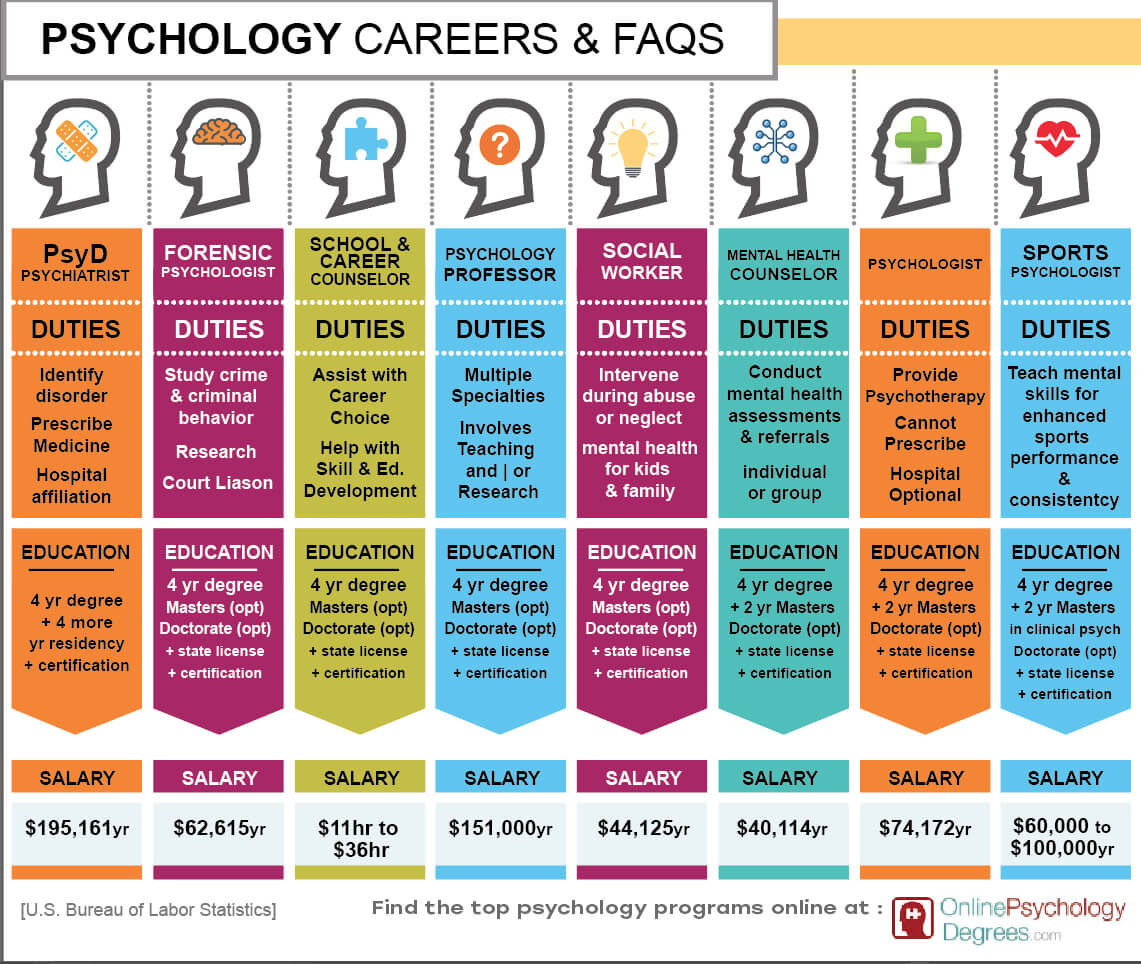
A psychiatrist is a medical doctor (MD or DO) who completes four years of medical school followed by four years of psychiatric residency. A prescribing psychologist is a doctoral-level health service psychologist (Ph.D. or Psy.D.) who has completed extensive doctoral clinical training in psychology and psychotherapy, followed by a specialized postdoctoral Master of Science in Clinical Psychopharmacology and supervised medical practicum.
What states allow psychologists to prescribe psychiatric medications?
As of 2026, states allowing psychologists with post-doctoral psychopharmacology training to prescribe include New Mexico, Louisiana, Illinois, Iowa, Idaho, Colorado, and Utah. Prescribing psychologists also operate within the U.S. Armed Forces, the Indian Health Service, and federal healthcare environments.
Summary and Next Steps
A master’s degree in psychopharmacology provides specialized knowledge for both clinical and research professions. For licensed doctoral psychologists, the Postdoctoral Master of Science in Clinical Psychopharmacology (MSCP) offers a structured pathway toward prescriptive authority, enabling clinicians to provide comprehensive, integrated biological and psychological treatments. For non-doctoral students, a research master's degree serves as a gateway into pharmaceutical development, clinical trials, and advanced academic research.
Recommended Next Actions:
- For Licensed Psychologists: Review the APA Designation criteria for psychopharmacology programs, consult your state psychology board's administrative rules regarding RxP requirements, and reach out to local medical colleagues to discuss potential clinical preceptorship arrangements.
- For Prospective Research Students: Identify academic institutions with faculty research labs focused on behavioral pharmacology or neurobiology, check specific program prerequisite science requirements, and prepare your application portfolio.
Image Gallery