Best Sweater Storage Boxes: Choosing the Right Solution for Fabric Longevity
The best sweater storage boxes for 2026 prioritize a balance between airtight protection and material breathability to prevent fiber degradation. Selecting the right solution requires matching the storage environment—such as a climate-...
The best sweater storage boxes for 2026 prioritize a balance between airtight protection and material breathability to prevent fiber degradation. Selecting the right solution requires matching the storage environment—such as a climate-controlled closet or a humid basement—to specific materials like polypropylene, breathable canvas, or acid-free cardboard to ensure long-term garment preservation.
Contents
The Importance of Proper Sweater Storage
Sweaters, particularly those crafted from natural fibers like cashmere, merino wool, and alpaca, are delicate investments that require more than just a shelf. Improper storage leads to three primary types of damage: structural stretching, pest infestation, and fiber rot due to trapped moisture. Unlike sturdier garments, knitwear has a loose structure that can easily succumb to "shoulder bumps" if hung or permanent creasing if compressed under heavy weights.
In 2026, the focus on sustainable fashion and the "slow wardrobe" movement has made the longevity of these items a priority. Choosing a storage box is not merely about clearing clutter; it is about creating a micro-environment that shields against the environmental stressors that age textiles prematurely.
Analyzing Storage Box Materials
The material of your storage container is the most critical factor in determining how well your sweaters will fare during the off-season. Different materials offer varying levels of protection against dust, moisture, and insects.
Plastic and Polypropylene Bins
Clear plastic bins remain a staple for many due to their durability and visibility. In 2026, high-quality storage solutions often utilize BPA-free, heavy-duty polypropylene.
- Pros: Plastic is essentially impervious to moisture from the outside, making it the ideal choice for storage in areas prone to dampness, such as basements or finished attics. The transparency allows for quick inventory checks without opening the lid, which reduces the exposure of the clothes to the external environment.
- Cons: The primary drawback is the lack of airflow. If a sweater is tucked away with even a hint of residual moisture or body oil, plastic bins can trap that humidity, leading to mildew or a "musty" smell. Furthermore, certain low-grade plastics can outgas chemicals that may yellow white fibers over several years.
Fabric and Canvas Organizers
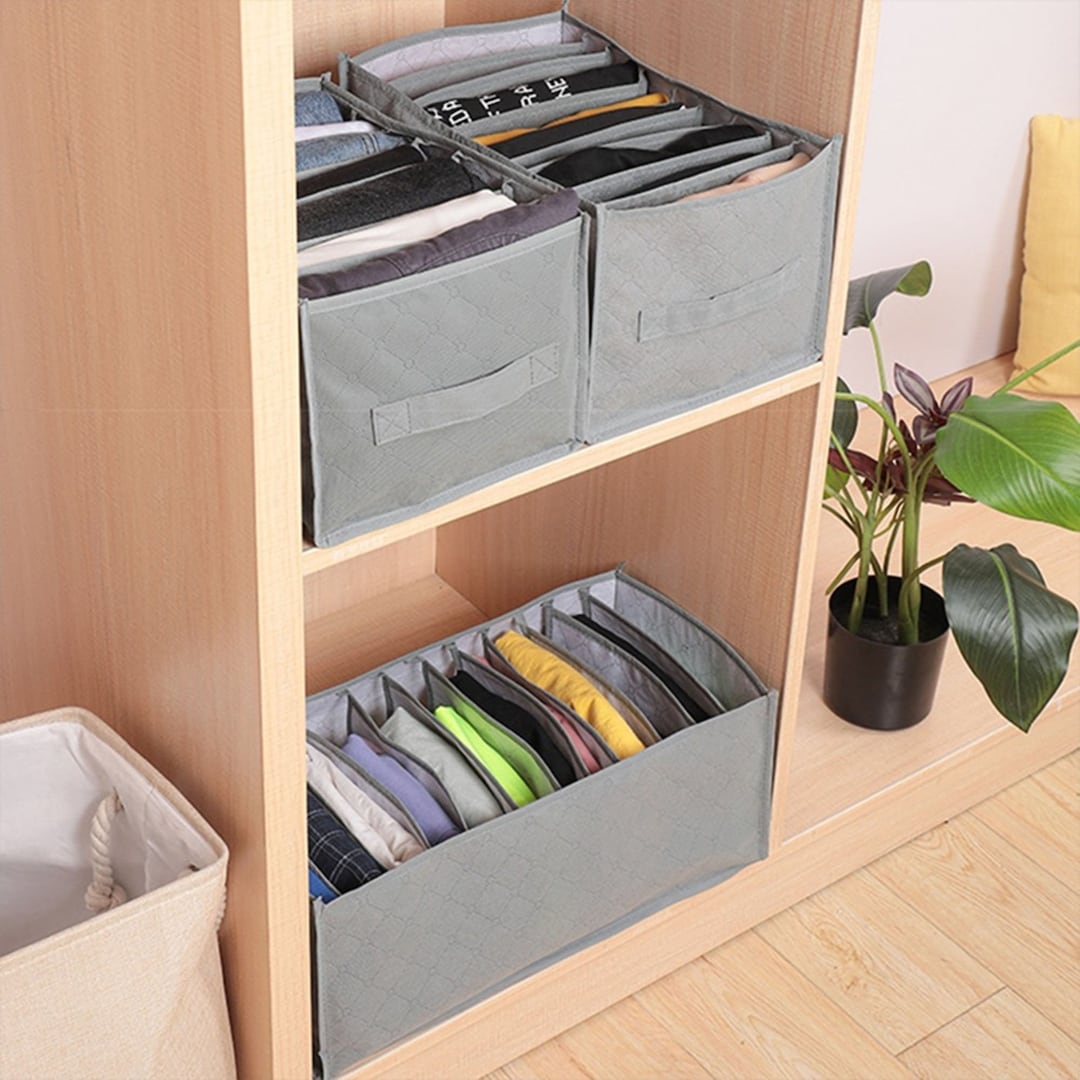
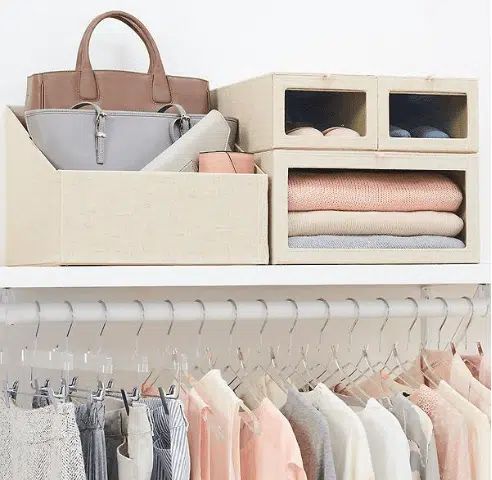
Fabric boxes, often reinforced with internal frames, are the preferred choice for primary bedroom closets.
- Pros: Natural canvas or linen allows the fibers to "breathe." This is essential for organic materials like wool and silk, which benefit from subtle air exchange to remain supple. Many fabric boxes now include a clear PEVA window, offering the benefits of visibility while maintaining the structural integrity of a soft-sided container.
- Cons: Fabric provides less protection against catastrophic events like a pipe leak. Additionally, while high-quality fabric boxes have tight weaves and zippered closures, they are generally more vulnerable to moth larvae if the seal is not completely airtight.
Acid-Free Cardboard and Specialty Boxes
For heirloom sweaters or high-end designer pieces, conservation-grade boxes are often utilized. These are made from pH-neutral materials to prevent the "acid burn" that causes yellowing and brittle fibers in vintage clothing.
Comparison of Sweater Storage Solutions
| Feature | Plastic Bins | Fabric/Canvas Boxes | Vacuum-Sealed Bags | Cedar Chests/Boxes |
|---|---|---|---|---|
| Moisture Resistance | High | Low | Maximum | Moderate |
| Breathability | None | High | None | Moderate |
| Pest Protection | High (if gasketed) | Moderate | Maximum | High (Natural) |
| Space Efficiency | Moderate | Moderate | Maximum | Low |
| Best For | Damp environments | Climate-controlled closets | Synthetic/Bulky items | High-end wool/Cashmere |
| Durability | High | Moderate | Low (prone to leaks) | Extreme |
Key Features to Evaluate Before Purchase
When selecting the best sweater storage boxes, look beyond the price tag and consider these technical specifications that impact usability and protection.
Gasket Seals and Closures
For those living in regions prone to clothes moths or carpet beetles, a standard "snap-on" lid is often insufficient. Look for bins featuring a silicone gasket seal. These create a true airtight barrier that prevents microscopic pest larvae from entering. In fabric boxes, heavy-duty nylon zippers with "zipper garages" (small flaps that cover the end of the zipper track) are essential to prevent entry points.
Modularity and Stackability
In 2026, urban living spaces demand high-density storage. The best boxes feature recessed lids and reinforced bases that allow for stable vertical stacking. Check the load-bearing capacity of fabric boxes; lower-quality versions may collapse under the weight of several heavy wool cardigans, leading to unsightly leaning towers in your closet.
UV Protection
While many users prefer clear boxes for visibility, if your storage area receives direct sunlight, clear plastic can act as a magnifying glass, leading to fiber degradation and color fading. Some premium plastic bins now incorporate UV-resistant additives that filter out harmful rays while remaining transparent.
Step-by-Step Selection Guide
Choosing the right solution requires a systematic approach to your specific wardrobe needs.
- Inventory and Sort: Group sweaters by material. Synthetic blends (acrylic, polyester) are less sensitive and can handle plastic bins or vacuum bags. Natural fibers (cashmere, wool, cotton) require more careful consideration regarding breathability.
- Measure Your Space: Before buying, measure the height of your under-bed space or closet shelves. Account for at least two inches of clearance to allow for easy removal of the boxes.
- Assess the Environment: If your storage area is subject to temperature fluctuations or humidity (like a garage), prioritize gasket-sealed plastic. If you are storing items in a temperature-controlled bedroom, fabric boxes are superior.
- Verify Volume: Avoid overstuffing. A storage box should only be filled to about 80% capacity. Overstuffing causes deep wrinkles that can be difficult to remove and puts unnecessary stress on zippers and seams.
Protecting Specific Fabrics: Tailored Solutions
Cashmere and Fine Wool
These fibers are the most susceptible to moth damage. The optimal solution is a breathable fabric box or a cedar-lined container, kept within a larger airtight bin for double protection. Using cedar planks or lavender sachets inside the box provides a natural deterrent, though these must be refreshed annually to remain effective.
Cotton and Linen Knits
These are heavier and more prone to stretching under their own weight. Use smaller, shallower boxes to prevent the bottom sweaters from being crushed by the weight of the ones above. Since these fibers do not contain the keratin that moths crave, fabric boxes are generally sufficient.
Synthetic "Performance" Knits
Sweaters made from modern synthetic blends are highly resilient. These are the best candidates for vacuum-sealing. By removing the air, you can reduce the volume of bulky fleece or acrylic sweaters by up to 75%, though you should avoid this for natural fibers as it can permanently damage the "crimp" of the wool.
Maintenance and Long-Term Care
The storage box is only one part of the solution. To ensure your sweaters emerge from storage in pristine condition, follow these maintenance protocols:
- Pre-Storage Cleaning: Never store a sweater that has been worn, even once. Body oils, perfumes, and microscopic food particles are magnets for pests. Follow the Care Label Instructions for professional dry cleaning or hand washing before packing.
- Folding Technique: Use a "soft fold" method. Avoid sharp creases by using acid-free tissue paper between folds to cushion the fibers and prevent permanent lines.
- Annual Inspection: At least once a year, open your storage boxes to let the clothes breathe and to inspect for any signs of pest activity or moisture buildup. This is also the time to sand your cedar blocks to reactivate their scent.
Common Mistakes to Avoid
- Using Scented Plastic: Some storage boxes are infused with artificial scents. These chemicals can react with natural fibers over time, causing discoloration or an unbreakable chemical odor.
- Ignoring Weight Distribution: Placing heavy, chunky knits on top of fine-gauge silk or cashmere blends will flatten the delicate fibers of the bottom garments. Always place the heaviest items at the base of the box.
- Cardboard from the Grocery Store: Never use standard shipping or grocery cardboard boxes for sweater storage. These boxes are held together with starch-based glues that are a primary food source for silverfish and cockroaches.
Frequently Asked Questions
Are vacuum storage bags safe for all sweaters?
No, vacuum bags are not recommended for natural fibers like wool, cashmere, or mohair for long-term storage. The extreme compression can break the delicate fibers and strip the scales from the wool, causing the garment to lose its loft and insulating properties. Use them only for synthetic materials or for short-term travel needs.
How often should I replace cedar inserts in my storage boxes?
Cedar inserts typically lose their effectiveness after 6 to 12 months. However, you do not necessarily need to replace them. You can revive the aromatic oils by lightly sanding the surface of the wood with fine-grit sandpaper until the scent returns.
Can I store sweaters in a basement if I use airtight boxes?
Yes, but with precautions. Ensure the exterior of the box is clean and dry. It is also advisable to include a desiccant pack (silica gel) inside the airtight box to absorb any trace moisture that may have been trapped during the packing process.
Is it better to fold or roll sweaters for storage?
Folding is generally preferred for long-term storage. While rolling can save space and prevent some wrinkles, it can also cause uneven stretching in knit patterns over several months. A flat, soft fold with tissue paper padding is the gold standard for preservation.
Should I use mothballs in my storage boxes?
In 2026, mothballs are largely discouraged due to their toxic chemical makeup (naphthalene or paradichlorobenzene) and the lingering odor that is nearly impossible to remove from natural fibers. Modern alternatives like pheromone traps, cedar, and airtight gasket seals are safer and more effective.
Final Recommendation
For the majority of users, the best sweater storage solution is a hybrid approach: use breathable, reinforced fabric boxes for everyday seasonal rotation in the closet, and transition to gasket-sealed, UV-resistant polypropylene bins for long-term storage in less controlled environments. Always prioritize cleanliness and air-quality control over mere space-saving to ensure your wardrobe remains in gallery-quality condition for years to come.
Image Gallery