Understanding AHA Blood Pressure Recommendations: Current Guidelines and Management Standards
The American Heart Association (AHA) defines normal blood pressure as a reading of less than 120/80 mmHg. Hypertension is officially diagnosed when readings consistently reach 130 mmHg systolic or 80 mmHg diastolic. These guidelines em...
The American Heart Association (AHA) defines normal blood pressure as a reading of less than 120/80 mmHg. Hypertension is officially diagnosed when readings consistently reach 130 mmHg systolic or 80 mmHg diastolic. These guidelines emphasize early intervention through lifestyle modifications and risk-based clinical treatments to prevent cardiovascular complications.
Contents
The American Heart Association (AHA), in collaboration with the American College of Cardiology (ACC), maintains rigorous standards for blood pressure classification to reduce the global burden of stroke and heart disease. As of 2026, the 2017 Guideline for the Prevention, Detection, Evaluation, and Management of High Blood Pressure in Adults remains the gold standard for clinical practice. These recommendations shifted the threshold for hypertension from the traditional 140/90 mmHg down to 130/80 mmHg, reflecting a proactive approach to heart health.
Understanding these recommendations requires more than just memorizing two numbers. It involves recognizing how blood pressure impacts arterial health, the proper methodology for measurement, and the specific lifestyle interventions required to maintain cardiovascular longevity.
The Official AHA Blood Pressure Categories
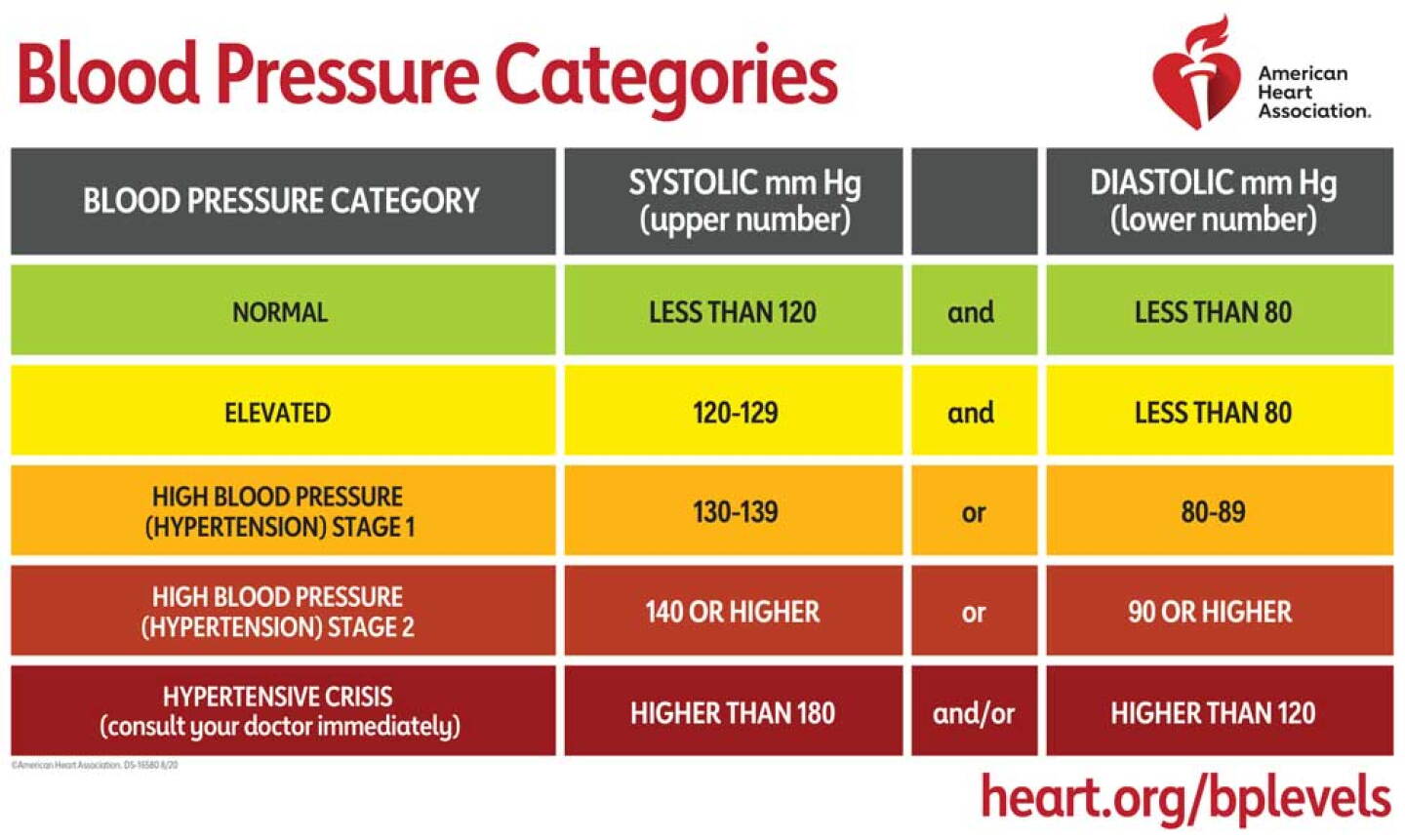
The AHA categorizes blood pressure into five distinct levels. These categories are designed to help healthcare providers and patients identify the severity of the condition and the urgency of the required intervention. It is important to note that if your systolic and diastolic numbers fall into different categories, the higher category is used for classification.
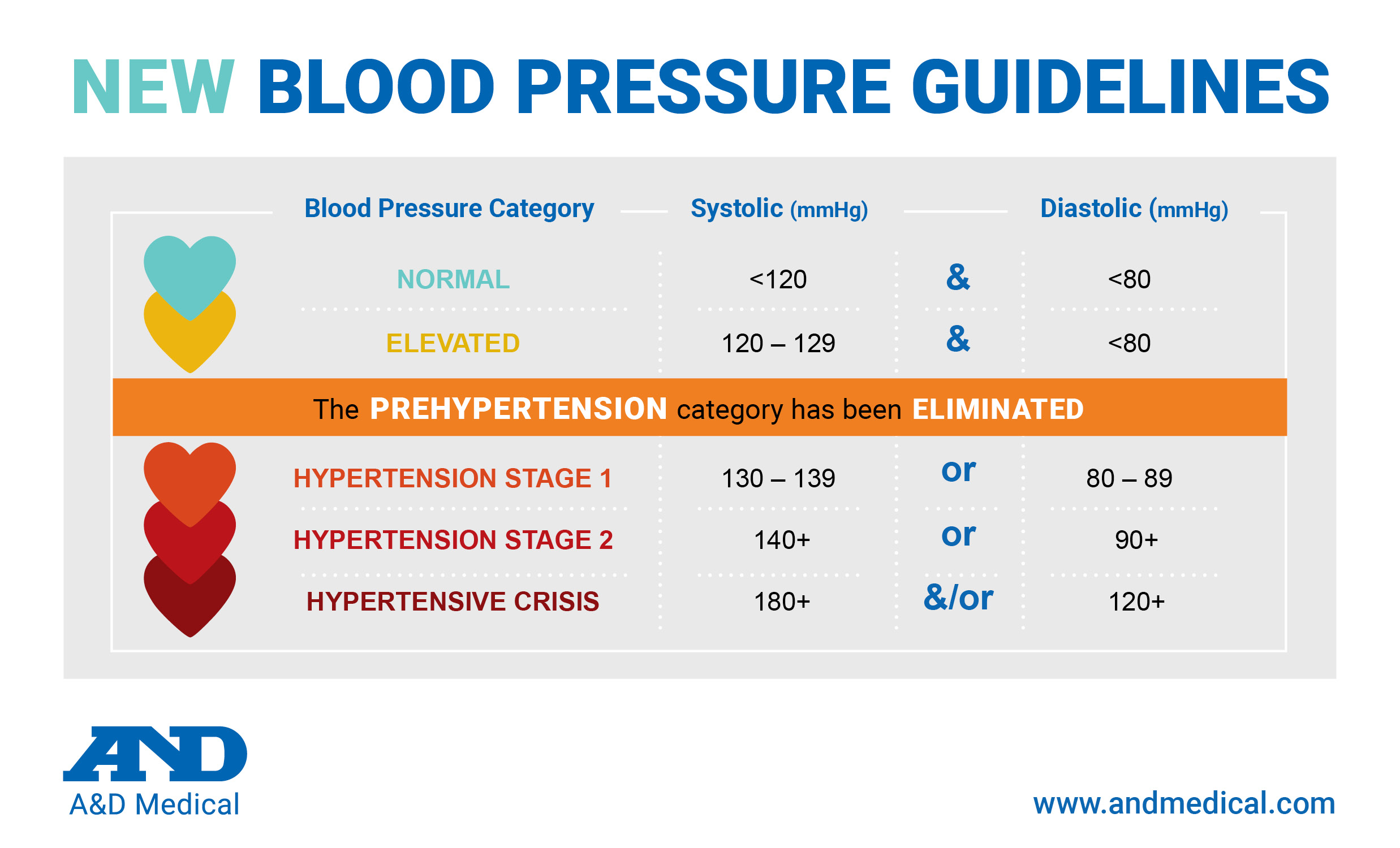
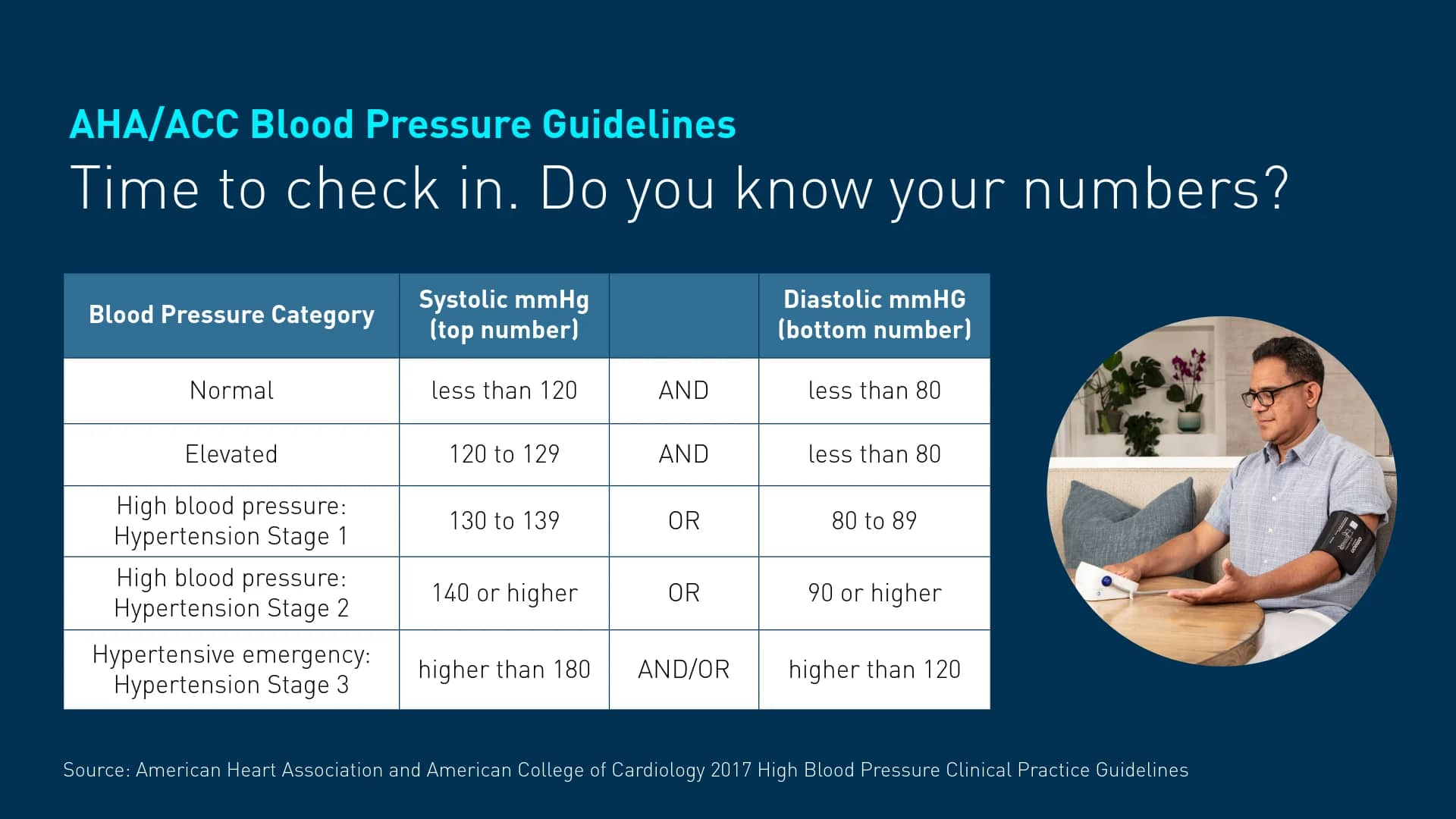
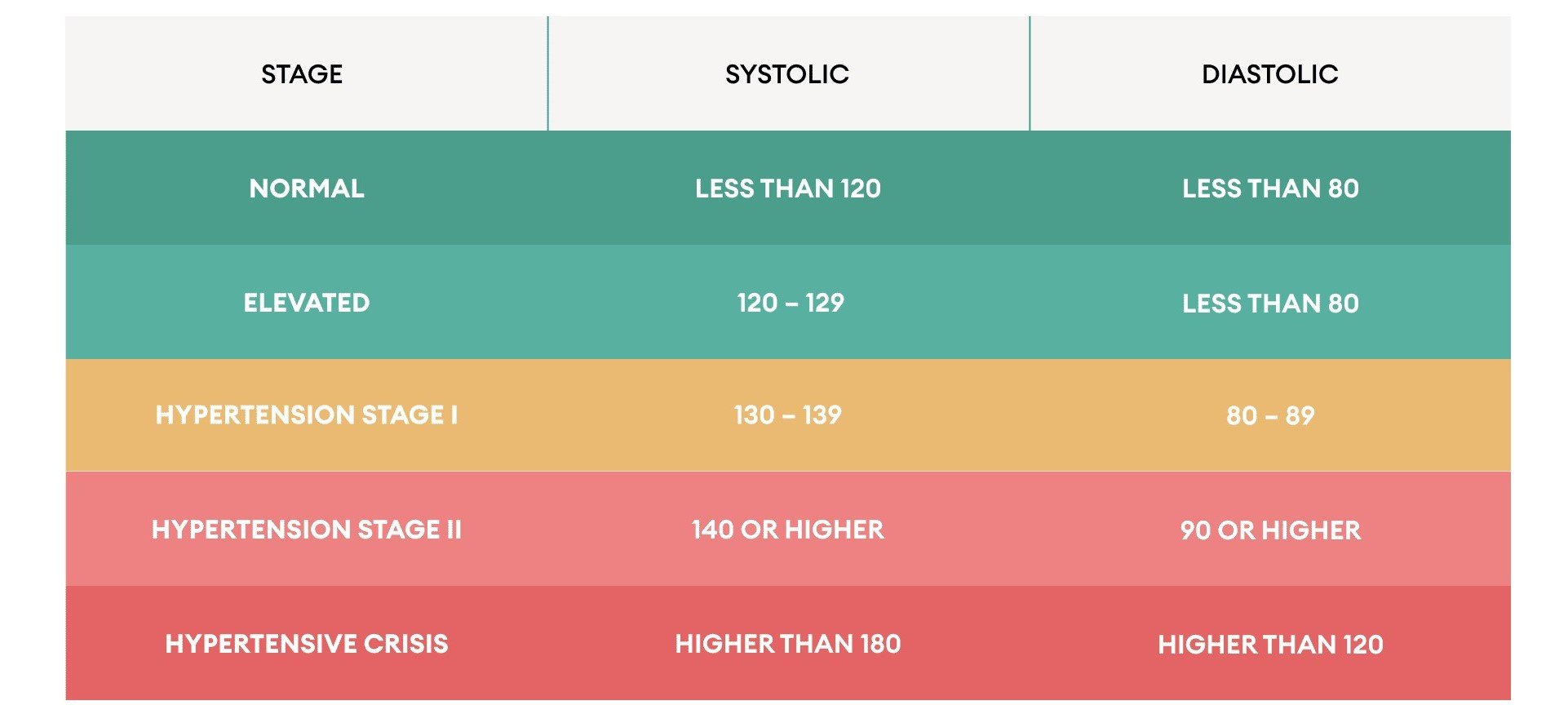
| Blood Pressure Category | Systolic (Top Number) mmHg | Diastolic (Bottom Number) mmHg | |
|---|---|---|---|
| Normal | Less than 120 | AND | Less than 80 |
| Elevated | 120 – 129 | AND | Less than 80 |
| Hypertension Stage 1 | 130 – 139 | OR | 80 – 89 |
| Hypertension Stage 2 | 140 or higher | OR | 90 or higher |
| Hypertensive Crisis | Higher than 180 | AND/OR | Higher than 120 |
Normal Blood Pressure
A reading of less than 120/80 mmHg is considered optimal. At this level, the heart is pumping blood efficiently without putting excessive strain on the arterial walls. Maintaining this level in 2026 involves adhering to "Life’s Essential 8," the AHA’s framework for cardiovascular health, which includes healthy eating, physical activity, and adequate sleep.
Elevated Blood Pressure
Elevated blood pressure occurs when readings consistently range from 120–129 systolic and less than 80 mm Hg diastolic. People with elevated blood pressure are at high risk of developing full hypertension unless proactive steps are taken to control the condition. At this stage, the AHA typically recommends lifestyle changes rather than medication.
Hypertension Stage 1
Stage 1 hypertension is defined as 130–139 systolic or 80–89 mm Hg diastolic. At this stage, doctors evaluate a patient’s 10-year risk of heart disease or stroke using the Atherosclerotic Cardiovascular Disease (ASCVD) risk calculator. If the risk is high (10% or greater) or if the patient has known cardiovascular disease, diabetes, or chronic kidney disease, medication is often prescribed alongside lifestyle changes.
Hypertension Stage 2
When blood pressure reaches 140/90 mmHg or higher, it is classified as Stage 2. At this point, the risk of heart attack and stroke is significantly increased. Healthcare providers typically recommend a combination of blood pressure medications and lifestyle modifications to bring these numbers down immediately.
Hypertensive Crisis
This is a medical emergency. If a reading exceeds 180/120 mmHg, the AHA recommends waiting five minutes and testing again. If the second reading is still high and you experience symptoms such as chest pain, shortness of breath, numbness, or difficulty speaking, call emergency services immediately.
Why the Thresholds Changed: The SPRINT Trial Impact
The transition to a lower threshold for hypertension (from 140/90 to 130/80) was primarily driven by the Systolic Blood Pressure Intervention Trial (SPRINT). This landmark study demonstrated that intensive management of blood pressure—targeting a systolic goal of less than 120 mmHg—significantly reduced the rates of cardiovascular events and death compared to a standard target of 140 mmHg.
By lowering the definition of high blood pressure, the AHA and ACC identified a larger portion of the population as "hypertensive," not to increase medication use, but to encourage earlier lifestyle interventions. Early detection prevents the cumulative damage that high pressure causes to the endothelium (the lining of the blood vessels), which eventually leads to atherosclerosis and organ damage.
The Protocol for Accurate Measurement
A single high reading does not necessarily mean a patient has hypertension. The AHA recommendations emphasize the importance of clinical accuracy and home monitoring to avoid "White Coat Hypertension" (high readings due to anxiety in a clinical setting) or "Masked Hypertension" (normal readings in the office but high readings elsewhere).
Standardized Clinical Measurement
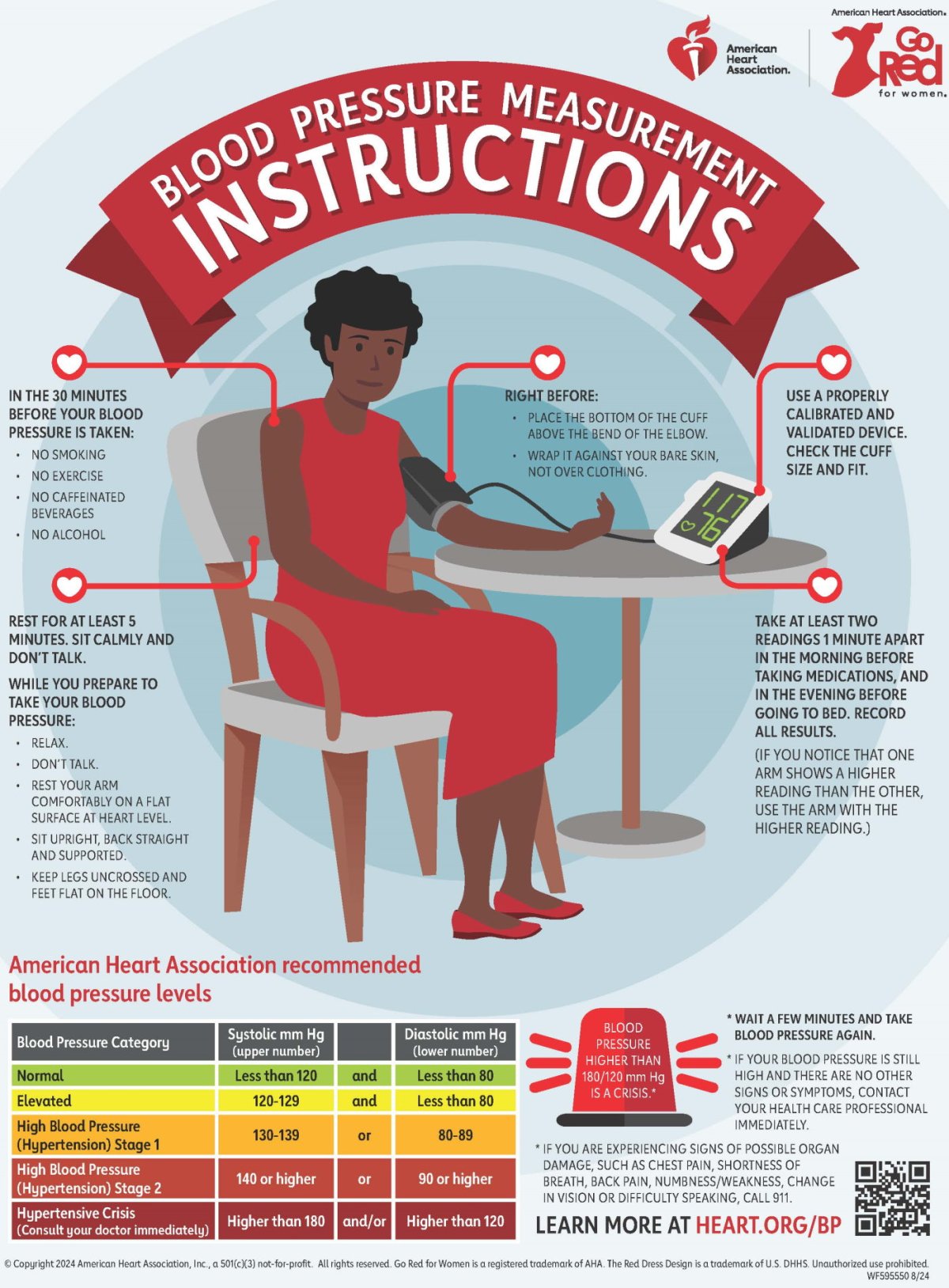
To ensure accuracy, the following protocol is recommended:
- Preparation: Patients should avoid caffeine, exercise, and smoking for at least 30 minutes before the test. The bladder should be empty.
- Posture: The patient should sit in a chair with their back supported, feet flat on the floor (not crossed), and the arm supported at heart level.
- Rest: A quiet rest period of five minutes should occur before the first reading is taken.
- Cuff Size: Using a cuff that is too small or too large is a common source of error. The bladder of the cuff should encircle 80% to 100% of the arm circumference.
Home Blood Pressure Monitoring (HBPM)
The AHA strongly advocates for home monitoring as a supplement to office visits. Patients should use a validated, automated upper-arm cuff monitor (wrist and finger monitors are generally less reliable). Recommendations for home use include:
- The Rule of Two: Take two readings in the morning and two in the evening for seven consecutive days before a doctor’s appointment.
- Consistency: Take measurements at the same time every day to account for diurnal variations in blood pressure.
- Documentation: Maintain a log or use an app to track trends, as the average of these readings is more clinically significant than any single data point.
Managing Hypertension through Life’s Essential 8
In 2026, the AHA continues to use "Life’s Essential 8" as the primary roadmap for managing blood pressure through non-pharmacological means. These lifestyle factors are proven to lower blood pressure as effectively as some medications in certain individuals.
- Eat Better: The AHA recommends the DASH (Dietary Approaches to Stop Hypertension) eating plan. This diet is high in fruits, vegetables, whole grains, and low-fat dairy while being low in saturated fats and cholesterol.
- Be More Active: Aim for at least 150 minutes of moderate-intensity aerobic activity or 75 minutes of vigorous activity per week, plus muscle-strengthening activities at least two days a week.
- Quit Tobacco: Smoking and vaping cause immediate, temporary spikes in blood pressure and contribute to long-term arterial stiffness.
- Get Healthy Sleep: Poor sleep quality is strongly linked to hypertension. Adults should aim for 7–9 hours of sleep per night.
- Manage Weight: Even a modest weight loss of 5 to 10 pounds can significantly lower systolic blood pressure in overweight individuals.
- Control Cholesterol: High levels of LDL (bad) cholesterol contribute to the plaque buildup that narrows arteries, making the heart work harder to pump blood.
- Manage Blood Sugar: Diabetes is a major risk factor for hypertension; managing glucose levels protects the small blood vessels throughout the body.
- Sodium Intake: The AHA recommends a limit of no more than 2,300 mg of sodium per day, with an ideal limit of 1,500 mg for most adults, especially those with hypertension.
Pharmacological Interventions
When lifestyle changes are insufficient, or when a patient is in Stage 2 hypertension, the AHA recommends pharmacological therapy. There are several classes of medications, each working through different physiological mechanisms:
- Diuretics (Water Pills): Help the kidneys remove excess sodium and water, reducing the total volume of blood the heart must pump.
- ACE Inhibitors: Block the production of angiotensin II, a chemical that causes blood vessels to tighten.
- Angiotensin II Receptor Blockers (ARBs): Block the action of angiotensin II, allowing blood vessels to remain dilated.
- Calcium Channel Blockers: Prevent calcium from entering the muscle cells of the heart and blood vessels, allowing them to relax.
- Beta-Blockers: Reduce the heart rate and the heart's workload.
The choice of medication often depends on "compelling indications," such as whether the patient also has diabetes, heart failure, or chronic kidney disease. In many cases, a combination of two or more low-dose medications is more effective and has fewer side effects than a single high-dose medication.
Frequently Asked Questions
What is the difference between systolic and diastolic blood pressure?
Systolic blood pressure (the top number) measures the force your heart exerts on the walls of your arteries each time it beats. Diastolic blood pressure (the bottom number) measures the force your heart exerts on the walls of your arteries in between beats. While both are important, for people over age 50, systolic pressure is considered a more significant predictor of heart disease risk.
Can I lower my blood pressure without medication?
Yes, many individuals with "Elevated" or "Stage 1" hypertension can return to normal levels through lifestyle modifications. Significant reductions can be achieved by reducing sodium intake, adopting the DASH diet, losing weight, and increasing physical activity. However, you should never stop prescribed medication without consulting your healthcare provider.
Is a wrist blood pressure monitor accurate?
Generally, the AHA recommends automated upper-arm cuff monitors for the highest accuracy. Wrist monitors are sensitive to body position; the wrist must be held exactly at heart level for an accurate reading. They are typically reserved for patients whose arm shape or size makes an upper-arm cuff impossible to use.
Why does my blood pressure change throughout the day?
Blood pressure is dynamic. It is usually lowest during sleep and rises upon waking. It also fluctuates in response to stress, physical activity, temperature changes, and even the "white coat effect" in medical offices. This is why the AHA emphasizes using an average of multiple readings rather than a single measurement.
What should I do if I have a high reading once?
Do not panic. A single high reading is rarely a cause for concern unless it is in the "crisis" range (above 180/120) or accompanied by symptoms. Rest quietly for five minutes and take the measurement again. If it remains high, track your readings over several days and schedule an appointment with your doctor to discuss the trends.
Final Recommendations
To manage blood pressure according to AHA standards in 2026, you should prioritize regular screening and consistent monitoring. If your readings are consistently above 120/80 mmHg, begin by auditing your daily sodium intake and increasing your aerobic activity. For those diagnosed with Stage 1 or Stage 2 hypertension, adhere strictly to the prescribed medication regimen while maintaining lifestyle changes, as the combination provides the most robust protection against cardiovascular events. Always consult with a licensed healthcare professional before making significant changes to your treatment plan.
Disclaimer: This information is for educational purposes only and does not constitute medical advice. Always seek the advice of your physician or other qualified health provider with any questions you may have regarding a medical condition.
Image Gallery