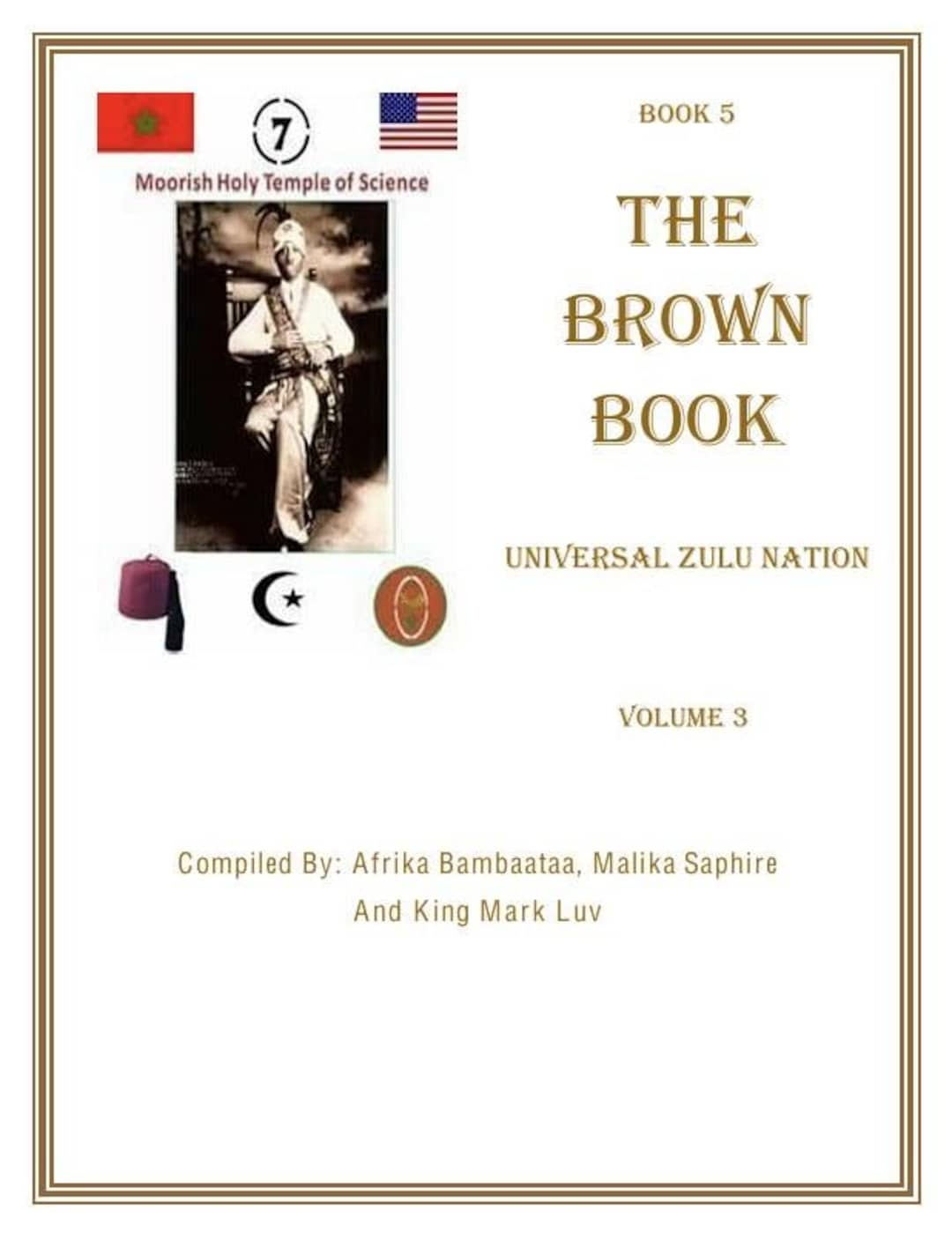
Why the Zulu Nation Rappers Matter for Hip Hop Culture
The Universal Zulu Nation (UZN) rappers and affiliates provided the foundational blueprint for hip hop, transforming it from a localized Bronx party scene into a structured global culture. By codifying the four elements—DJing, MCing, b...
The Universal Zulu Nation (UZN) rappers and affiliates provided the foundational blueprint for hip hop, transforming it from a localized Bronx party scene into a structured global culture. By codifying the four elements—DJing, MCing, breaking, and graffiti—and emphasizing "Knowledge" as the fifth, they established hip hop’s social, philosophical, and artistic standards.
Contents
The Genesis of the Universal Zulu Nation
To understand why Zulu Nation rappers matter, one must look at the socio-economic landscape of the South Bronx in the early 1970s. The area was characterized by urban decay, systemic neglect, and rampant gang violence. In this environment, Afrika Bambaataa, a high-ranking member of the Black Spades gang, envisioned a different path for the youth. Following a transformative trip to Africa, he founded the Universal Zulu Nation on November 12, 1973.
The primary objective was to divert the energy of street gangs into creative competition. Rappers and performers associated with the Zulu Nation were not just entertainers; they were cultural ambassadors tasked with maintaining peace. This shift from physical turf wars to artistic battles—the "battle" on the microphone or the dance floor—is the single most significant contribution to the survival of the culture. Without this organized framework, hip hop might have remained a fleeting trend or been consumed by the violence of the era.
The Codification of the Five Elements
While many contributed to the early sounds of hip hop, Zulu Nation rappers were instrumental in defining the culture’s boundaries. They popularized the concept of the "Four Elements," later adding a fifth, which remains the cornerstone of hip hop pedagogy in 2026.
- DJing (Turntablism): The sonic foundation, pioneered by figures like Kool Herc and refined by Grandmaster Flash and Bambaataa.
- MCing (Rapping): The oral tradition and lyrical mastery used to move the crowd and deliver social messages.
- Breaking (B-boying/B-girling): The physical expression of the beat.
- Graffiti (Writing): The visual identity of the movement.
- Knowledge of Self: The fifth element, which emphasized history, social awareness, and personal responsibility.
By promoting these elements as a cohesive unit, Zulu Nation rappers ensured that hip hop was perceived as a lifestyle rather than just a musical genre. This holistic approach is why hip hop has been able to adapt to diverse global environments, from Tokyo to Paris, while maintaining a recognizable core identity.
Establishing the Philosophical Foundation: "Peace, Love, Unity, and Having Fun"
In an era where hip hop is often associated with commercialism or hyper-individualism, the Zulu Nation’s original mantra—"Peace, Love, Unity, and Having Fun"—serves as a critical historical anchor. Rappers within the movement used their lyrics to promote social justice and communal harmony.
This wasn't merely idealistic rhetoric. The Zulu Nation functioned as an international organization with chapters worldwide. The rappers within these chapters were held to a standard of community service and education. This ideological framework influenced subsequent generations of "conscious" rappers, including the Native Tongues collective (A Tribe Called Quest, De La Soul, and the Jungle Brothers) and KRS-One’s Temple of Hip Hop.
The focus on "Having Fun" was equally important. It emphasized the celebratory nature of the culture, providing an escape from the harsh realities of poverty and discrimination. This balance between social commentary and entertainment remains the gold standard for artistic longevity in the industry.
Influential Zulu Nation Rappers and Their Impact
The roster of artists who emerged from or were deeply influenced by the Zulu Nation includes some of the most innovative names in music history. Their technical contributions changed how music was produced and consumed.
- Afrika Bambaataa & the Soulsonic Force: Their 1982 hit "Planet Rock" fused hip hop with electronic music (specifically Kraftwerk). This birthed the "Electro-funk" genre and laid the groundwork for modern dance music and techno.
- The Jungle Brothers: As core members of the Zulu Nation, they integrated house music with hip hop on tracks like "I'll House You," expanding the sonic palette of the genre.
- A Tribe Called Quest: While not "rappers for the Zulu Nation" in a strictly organizational sense, their affiliation with the Native Tongues (a branch of Zulu philosophy) brought jazz-sampling and bohemian aesthetics to the forefront.
- Queen Latifah: Her early involvement with the Flavor Unit and Zulu-aligned circles helped cement the role of women as powerful, conscious leaders in hip hop.
Comparison of Zulu Philosophy vs. Commercial Norms
The following table highlights the differences between the foundational Zulu Nation approach and the commercialized trends that emerged later.
| Feature | Zulu Nation Foundational Approach | Post-1990s Commercial Trend |
|---|---|---|
| Primary Goal | Community empowerment and peace | Profit and individual celebrity |
| View of Hip Hop | A holistic culture of five elements | A music industry product (Rap) |
| Conflict Resolution | Competitive artistic battles | "Beef" and commercialized rivalry |
| Lyrical Content | Social awareness and "The Vibe" | Materialism and street credibility |
| Structure | Organized global chapters | Independent labels and solo brands |
Global Expansion and the "Universal" Mandate
The "Universal" in Universal Zulu Nation was not a misnomer. Early Zulu Nation rappers were the first to take the culture overseas. Bambaataa’s tours in Europe in the early 1980s are credited with planting the seeds for the French hip hop scene, which remains the second-largest market in the world today.
By exporting the culture as a set of values rather than just a product, they allowed different nationalities to adapt hip hop to their own struggles. In South Africa, hip hop became a tool against Apartheid. In Brazil, it became a voice for the youth in the favelas. This global network, established by the Zulu Nation, created the infrastructure for the multi-billion dollar international industry we see in 2026.
The Preservation of History and Documentation
Zulu Nation rappers matter because they were among the first to insist on hip hop as a subject worthy of historical preservation. Long before universities offered hip hop studies, the Zulu Nation was archiving flyers, recordings, and oral histories.
This sense of history provided the culture with a "lineage." It taught younger artists that they were part of a tradition that stretched back to African griots and Jamaican sound systems. This historical grounding prevents the culture from being completely diluted by corporate interests. When an artist identifies as a "Zulu," they are signaling an allegiance to these roots, ensuring that the origins of the Bronx pioneers are never forgotten.
Addressing Controversy and Evolving the Legacy
It is impossible to discuss the Zulu Nation in 2026 without acknowledging the serious allegations of sexual abuse brought against its founder, Afrika Bambaataa, which came to light in the mid-2010s. These revelations led to a significant restructuring of the organization and a distancing of many members from Bambaataa himself.
However, for hip hop culture, the movement has largely been separated from the man. The rappers and practitioners who built their lives on the Zulu principles of "Peace, Love, Unity, and Having Fun" have worked to reclaim the organization’s mission. They argue that the culture belongs to the community, not any single individual. This period of reckoning has forced hip hop to confront issues of accountability and protection of the youth, which are essential for any culture's maturity.
FAQs About Zulu Nation Rappers
Who founded the Universal Zulu Nation?
The organization was founded by Afrika Bambaataa in 1973. He sought to transform the energy of Bronx street gangs, specifically the Black Spades, into a cultural movement centered on music, dance, and art.
What is the "Fifth Element" of hip hop?
The fifth element is Knowledge. Zulu Nation rappers emphasized that without an understanding of history, social issues, and self-awareness, the other four elements (DJing, MCing, Breaking, Graffiti) lose their transformative power.
Are all conscious rappers members of the Zulu Nation?
No, but many are "Zulu-influenced." While some artists like the Soulsonic Force were official members, others like KRS-One and the Native Tongues collective followed the Zulu philosophy and maintained close ties to the organization without necessarily holding official titles.
Why is "Planet Rock" considered a Zulu Nation milestone?
"Planet Rock" by Afrika Bambaataa & the Soulsonic Force is a milestone because it broke musical barriers by combining hip hop with electronic music. It demonstrated the "Universal" nature of the movement by showing that hip hop could incorporate any sound or culture.
Is the Zulu Nation still active in 2026?
Yes, the Universal Zulu Nation remains active with chapters across the globe. While it has undergone significant internal changes and leadership restructuring, its mission to preserve hip hop culture and promote community activism continues.
Practical Recommendation for Further Study
To truly appreciate the impact of Zulu Nation rappers, listeners should engage with the primary sources of the culture. Start by exploring the Cornell University Hip Hop Collection, which houses extensive archives of early Zulu Nation flyers and recordings. Additionally, listening to the early 1980s discography of the Soulsonic Force and the Jungle Brothers provides the necessary sonic context for how these artists shaped the future of the genre. For those interested in the socio-political aspect, the works of the Hip Hop Education Center offer insights into how Zulu principles are used in modern pedagogy.
Image Gallery