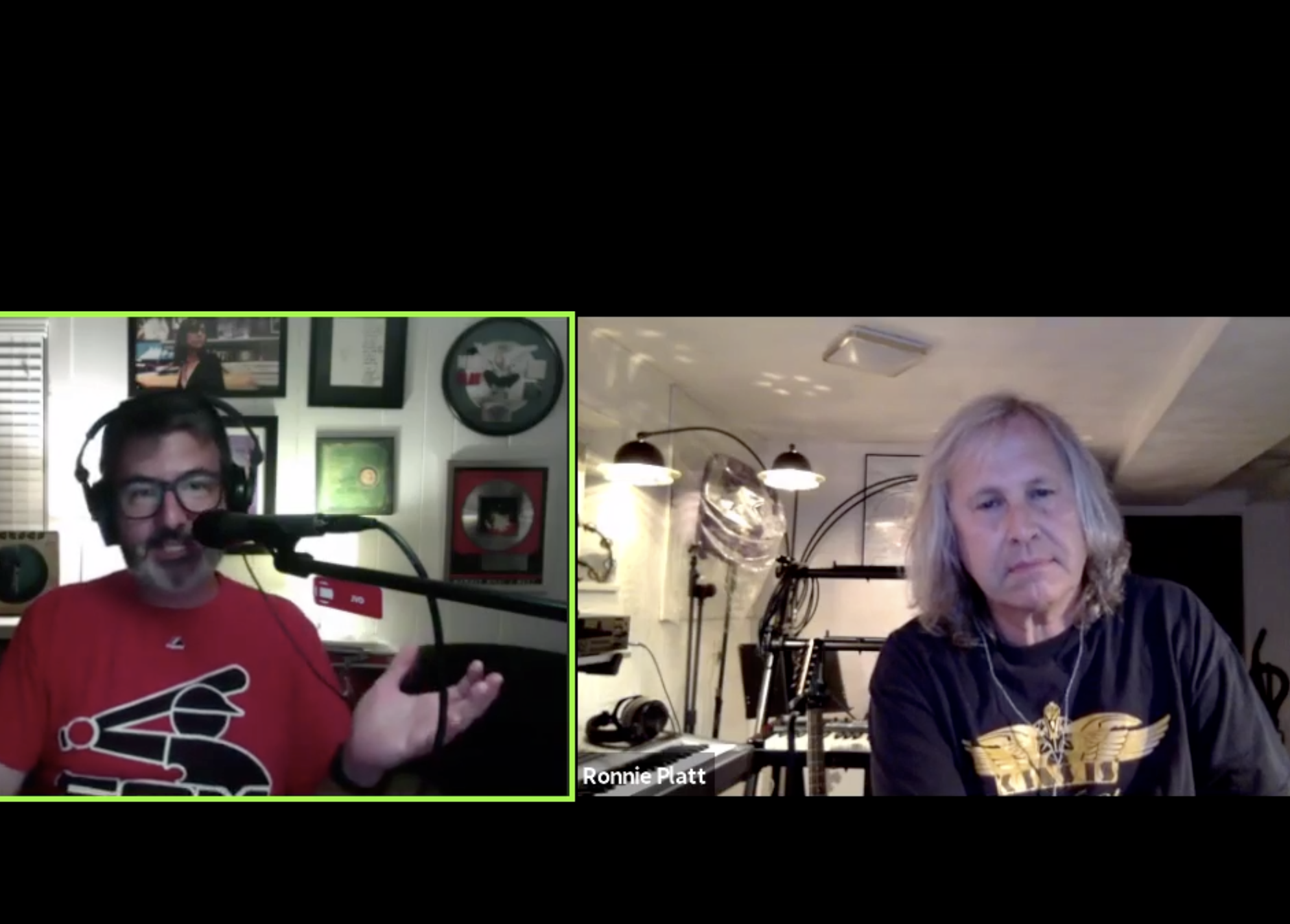
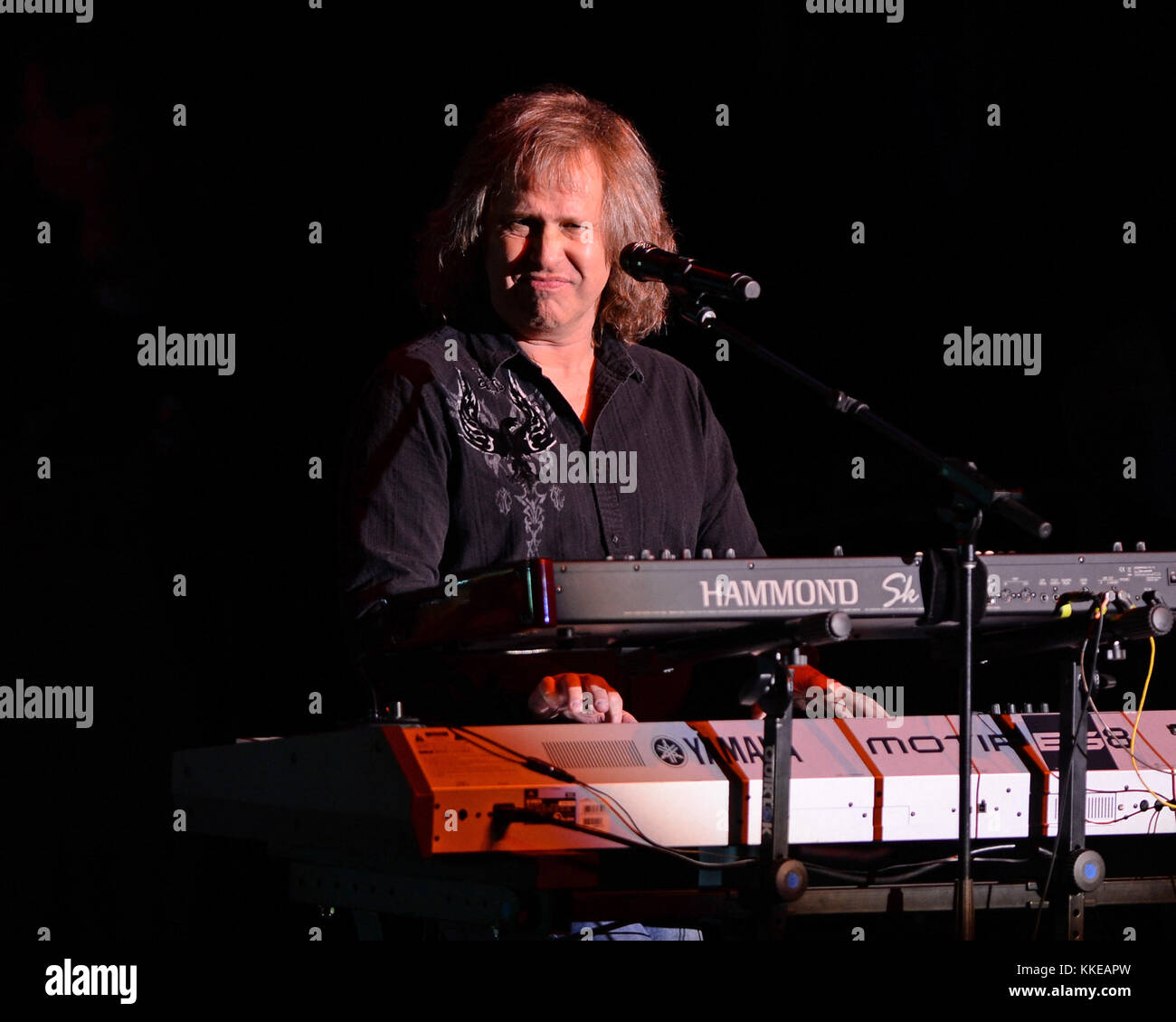
Ronnie Platt: The Career Evolution of the Kansas Frontman
Ronnie Platt is the celebrated lead vocalist for the legendary progressive rock band Kansas, a position he has held since 2014. Although often researched as a "young singer" due to the youthful energy he brought to the legacy act, Plat...
Ronnie Platt is the celebrated lead vocalist for the legendary progressive rock band Kansas, a position he has held since 2014. Although often researched as a "young singer" due to the youthful energy he brought to the legacy act, Platt joined the band in his 50s, successfully bridging the gap between classic rock traditions and modern performance standards.
Contents
The story of Ronnie Platt is one of the most remarkable "late-bloomer" narratives in the history of rock and roll. While many musicians find fame in their twenties, Platt spent decades honing his craft in the shadows of the Chicago music scene before ascending to the front of one of the world’s most iconic bands. In 2026, as Kansas continues to celebrate its enduring legacy, Platt stands as a testament to the idea that vocal longevity and professional breakthroughs are not reserved solely for the very young.
Early Years and the Chicago Music Scene
Born on February 24, 1960, in Chicago, Illinois, Ronnie Platt grew up immersed in the rich musical culture of the Midwest. Unlike many of his contemporaries who pursued music to the exclusion of all else, Platt maintained a grounded, blue-collar lifestyle for much of his early adulthood. For over 25 years, he balanced a career as a truck driver with a passion for high-energy vocal performance.
During his "younger singer" years in the 1980s and 90s, Platt became a staple of the Chicago club circuit. He was known for his incredible range and his ability to cover demanding material from bands like Journey, Foreigner, and Kansas. His time in local bands, most notably ARRA, established him as a premier vocalist capable of hitting the "stratospheric" notes required by 1970s and 80s arena rock. This period was critical for his development; while he was not yet a household name, he was building the technical stamina that would later allow him to perform 100+ shows a year with a major touring act.
The Discipline of the "Singing Trucker"
The narrative of the "singing truck driver" is not merely a colorful backstory; it defines Platt’s work ethic. Driving a truck by day and performing in clubs by night required immense physical and vocal discipline. Platt often credits this period with teaching him how to manage his voice—a tool he had to keep sharp despite the exhaust fumes and long hours of his day job. This era of his life represents the "younger" version of the artist: a man with a massive voice waiting for the right window of opportunity.
The Professional Breakthrough: Shooting Star and Beyond
Platt’s first major step toward the international stage came when he joined the melodic rock band Shooting Star. Based in Kansas City, Shooting Star had a dedicated following and a sound that shared DNA with the progressive and arena rock styles Platt mastered in Chicago. Joining Shooting Star allowed him to record original material and perform for larger audiences, effectively serving as a "proving ground" for the rigors of the national touring circuit.
In 2011, Platt’s reputation for reliability and vocal prowess led to a brief but high-profile stint with the hard rock band Y&T. He stepped in to handle lead vocals for several shows when founding member Dave Meniketti was sidelined by health issues. His ability to step into an established band with a distinct sound and deliver a flawless performance caught the attention of industry insiders. It proved that he wasn't just a cover artist; he was a professional who could respect a band's history while bringing his own power to the microphone.
Joining Kansas: The 2014 Transition
The most pivotal moment in Platt's career occurred in July 2014. Steve Walsh, the legendary original lead singer of Kansas, announced his retirement. For a band defined by Walsh’s iconic tenor and keyboard skills, the vacancy was daunting. Kansas was not just looking for a singer; they were looking for someone who could honor a 40-year legacy without sounding like a mere imitator.
Platt, a lifelong Kansas fan, reached out to the band via social media—a move that sounds modern but was backed by decades of preparation. Drummer Phil Ehart and guitarist Rich Williams reviewed his work and were immediately struck by his vocal similarity to Walsh in his prime, as well as his humble, hard-working demeanor.
Replacing a Legend
Replacing Steve Walsh is widely considered one of the most difficult tasks in rock. Walsh’s voice on hits like "Carry On Wayward Son" and "Dust in the Wind" is ingrained in the cultural consciousness. Platt’s transition into the role was remarkably smooth for several reasons:
- Vocal Range: Platt naturally sits in the high tenor range required for the Kansas catalog.
- Keyboard Proficiency: Like Walsh, Platt is a capable keyboardist, allowing the band to maintain its complex, dual-keyboard arrangements.
- Fan Respect: Platt’s genuine enthusiasm for the music resonated with the "Wheatheads" (the Kansas fanbase). He didn't try to reinvent the songs; he tried to sing them as they were meant to be heard.
Technical Vocal Analysis and Performance Style
Ronnie Platt is often categorized as a "power tenor." His technique involves a strong mix of chest and head voice, which allows him to maintain power in the upper register without resorting to a thin falsetto. This is particularly important for the Kansas repertoire, which often features soaring melodies over dense, orchestral instrumentals.
In the studio, Platt has brought a renewed clarity to the band's sound. His performance on modern Kansas albums shows a singer who understands dynamics. He can deliver the delicate, folk-inspired nuances of "Dust in the Wind" just as effectively as the aggressive, progressive shifts in "The Absence of Presence."
| Feature | Steve Walsh (Original) | Ronnie Platt (Current) |
|---|---|---|
| Active Years | 1973–1981, 1985–2014 | 2014–Present |
| Primary Vocal Style | Soulful, Progressive Tenor | Power Tenor, Precision Control |
| Notable Studio Albums | Leftoverture, Point of Know Return | The Prelude Implicit, The Absence of Presence |
| Stage Presence | High-energy, acrobatic (early years) | Focused, Vocally-centered, Interactive |
| Keyboard Role | Lead Keyboards | Secondary Keyboards / Synth |
Major Discography and Contributions
Since joining Kansas, Platt has been more than a touring replacement; he has been a creative catalyst. Under his tenure, the band entered a recording renaissance, releasing their first new studio albums in over 15 years.
The Prelude Implicit (2016)
This was Platt’s debut studio recording with the band. The album was a critical and commercial success, peaking at #14 on the Billboard Top Album Sales chart. Platt’s vocals on tracks like "With This Heart" and "The Voyage of Eight Eighteen" proved that Kansas could still create complex, relevant progressive rock in the 21st century.
The Absence of Presence (2020)
This album further solidified Platt’s role. It featured even more complex arrangements and emphasized the heavy, symphonic sound the band is known for. Platt’s performance on the title track is often cited by fans as one of his finest moments, showcasing both his range and his ability to convey emotional depth.
Live Recordings
Platt’s live output is extensive. Albums such as Leftoverture 40th Anniversary Motherlode and Point of Know Return Live & Beyond document his ability to handle the band’s most daunting historical material night after night.
The Legacy of a "Late Bloomer" in Rock
As of 2026, Ronnie Platt has been the voice of Kansas for over a decade. His journey from a Chicago truck driver to a world-touring rock star serves as a powerful narrative for the "young singer" searching for a break, as well as the seasoned professional looking for a second act. He represents a bridge between the classic rock era and the modern touring industry.
His presence has allowed Kansas to maintain a rigorous touring schedule, performing for fans who might never have seen the original lineup. By maintaining his vocal health and staying true to the band's sonic identity, Platt has ensured that the "Wayward Son" continues to carry on.
Expert Advice for Aspiring Vocalists
Based on Platt’s career path, several lessons emerge for musicians:
- Vocal Preservation: Avoid over-singing in your youth to ensure your range remains intact into your 60s.
- Versatility: Learning an instrument (like keyboards) makes a vocalist significantly more valuable to legacy bands.
- Professionalism: Platt’s "blue-collar" work ethic made him an attractive candidate for a band that values stability and reliability.
Frequently Asked Questions
How did Ronnie Platt get the job with Kansas? Ronnie Platt essentially "applied" for the job. After hearing of Steve Walsh's retirement, he contacted the band's management and founding members through social media and email. Because he had already established a reputation with the band Shooting Star and had a wealth of video evidence showing his ability to sing Kansas songs, he was quickly moved to the top of the list for auditions.
Was Ronnie Platt really a truck driver? Yes. For approximately 25 years, Platt drove a truck in the Chicago area. He worked for a food distribution company, often starting his shifts in the very early morning hours. He has frequently spoken in interviews about how this job kept him grounded and provided the financial stability that allowed him to pursue music as a serious passion without the "starving artist" pressure.
What is the best Ronnie Platt song to start with? For original material, "With This Heart" from The Prelude Implicit is an excellent introduction to his vocal style. For classic covers, his live performance of "Carry On Wayward Son" on the Point of Know Return Live & Beyond album demonstrates his ability to honor the original recording while bringing modern vocal power.
How old was Ronnie Platt when he joined Kansas? Platt was 54 years old when he officially joined the band in 2014. Despite joining at an age when many singers consider retiring, his voice was in peak condition because he had avoided the "wear and tear" of decades of heavy touring during his younger years.
Does Ronnie Platt play instruments during the show? Yes, Platt plays keyboards on several songs. While Tom Brislin is the primary keyboardist for the band, Platt provides secondary keyboard support, which is essential for the layered, symphonic sound of Kansas's progressive tracks.
Next Actions for Fans
To experience Ronnie Platt's contribution to rock history, fans should listen to the 2020 studio album The Absence of Presence to hear the band's modern creative peak. For those interested in his live performance, checking the official Kansas Band website for current 2026 tour dates is the best way to see his vocal prowess in person.
Image Gallery