Comprehensive DS-160 Nepal Application Overview: A Step-by-Step Guide for 2026
The DS-160 is the mandatory online nonimmigrant visa application for individuals in Nepal seeking to travel to the United States. It must be completed and submitted electronically via the Consular Electronic Application Center (CEAC) w...
The DS-160 is the mandatory online nonimmigrant visa application for individuals in Nepal seeking to travel to the United States. It must be completed and submitted electronically via the Consular Electronic Application Center (CEAC) website before scheduling an interview at the U.S. Embassy in Kathmandu for most nonimmigrant visa categories, including tourism, business, and study.
Contents
Understanding the DS-160 Framework for Nepalese Applicants
The Form DS-160, also known as the Online Nonimmigrant Visa Application, serves as the primary data collection tool for the U.S. Department of State. For applicants in Nepal, this electronic form replaces several older paper-based forms and is the first official step in the visa process. The information provided in the DS-160 is used by consular officers at the U.S. Embassy in Kathmandu to process the visa application and, combined with the personal interview, to determine an applicant’s eligibility for a nonimmigrant visa.
Completing the DS-160 requires a significant time investment and attention to detail. In 2026, the digital interface remains the standard, requiring applicants to have a stable internet connection and digital copies of necessary documents. It is important to recognize that the DS-160 is specific to the individual; every traveler, including children and dependents, must have their own unique DS-160 confirmation number. The form is hosted on the Consular Electronic Application Center (CEAC) website, which is the only official platform for submission.
Essential Prerequisites and Documentation
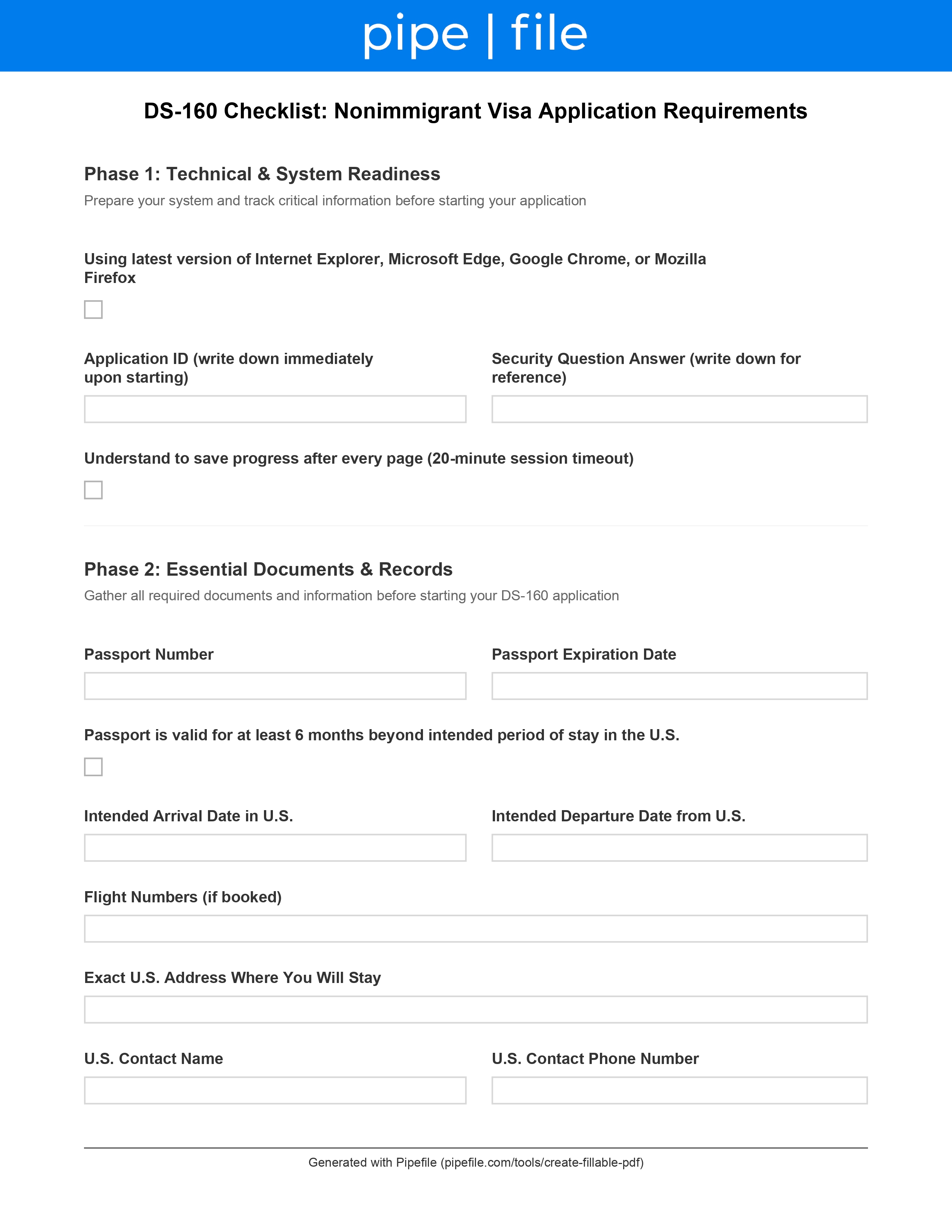
Before launching the online application, gathering the necessary documentation is critical to prevent session timeouts and ensure accuracy. Consistency between the DS-160 and your official identity documents is the most significant factor in avoiding administrative processing delays.
Required Personal Information
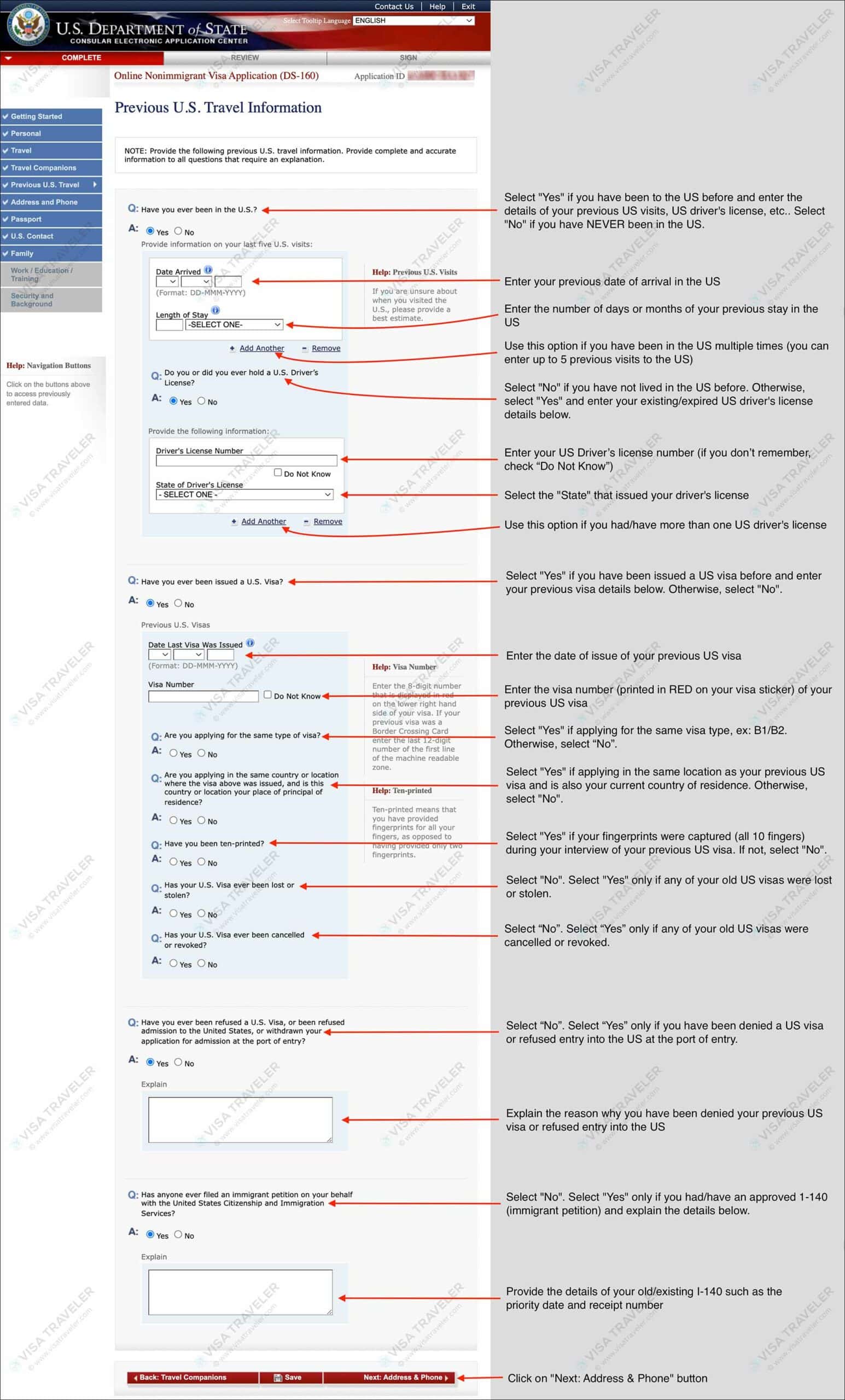
You will need your current, valid passport. Ensure that the passport has at least six months of validity beyond your intended period of stay in the United States. You will also need your National Identity Card (NID) or citizenship certificate details, as the form often asks for national identification numbers. If you have previously traveled to the U.S., you must provide the dates of your last five visits and details of any previous U.S. visas held.
Travel Itinerary and Logistics
While you do not need to have a purchased flight ticket, you should have a clear travel plan. This includes the intended date of arrival in the U.S., the duration of your stay, and the specific address where you will reside (such as a hotel or a relative's home). If you are traveling for a specific purpose, such as a conference or university program, have the relevant invitation letters or Form I-20 (for students) or Form DS-2019 (for exchange visitors) ready.
Work, Education, and Family History
The DS-160 requires a comprehensive history of your employment and education for the last five years. You will need the names, addresses, and contact numbers of previous employers and educational institutions. Furthermore, you must provide basic biographical information about your parents and, if applicable, your spouse and children.
Step-by-Step Guide to Filling the DS-160 in Nepal
Navigating the DS-160 can be daunting due to its length. Following a structured approach helps maintain data integrity throughout the multiple sections of the form.
Initial Access and Location Selection
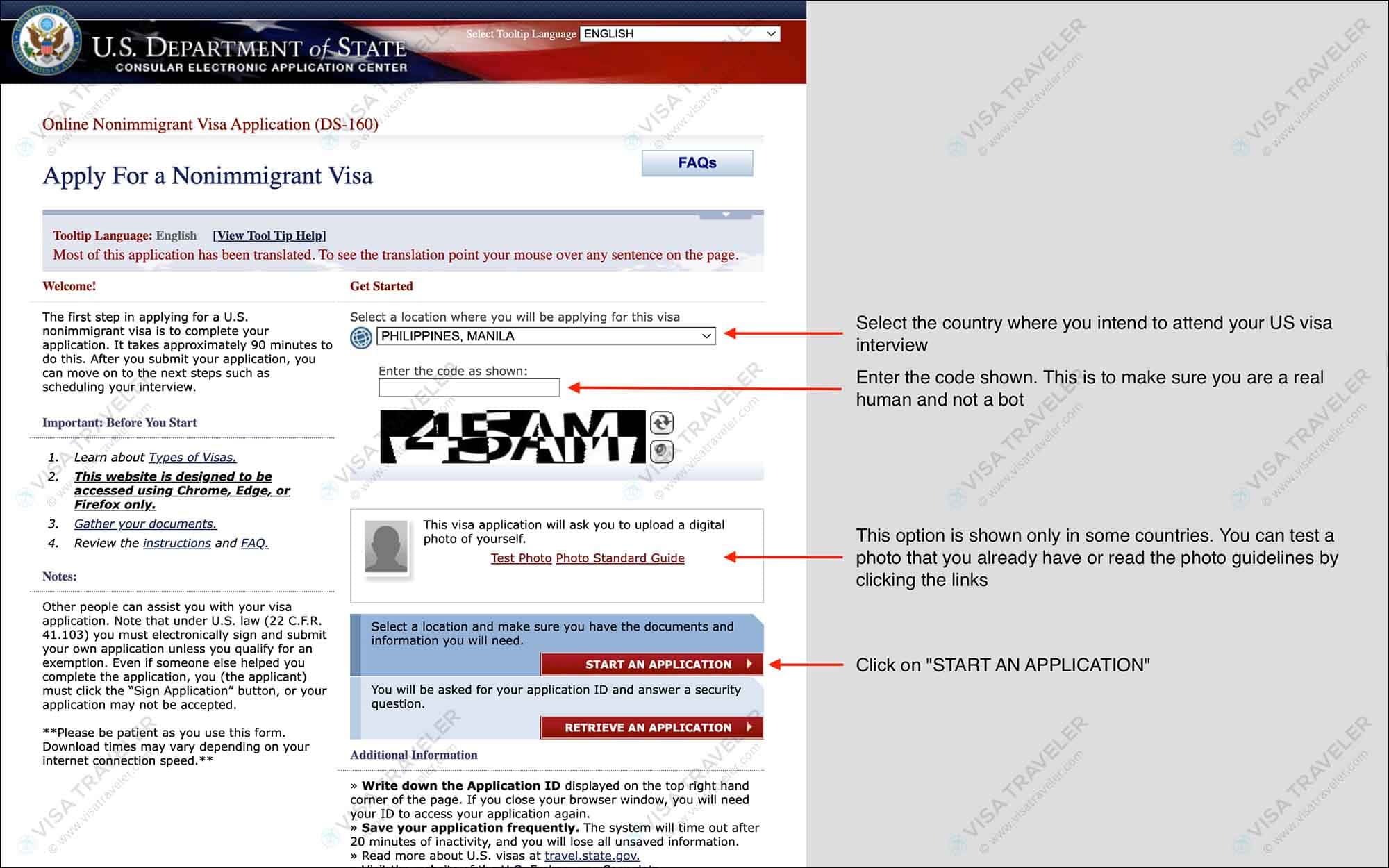
Start by visiting the CEAC website. The first step is selecting the location where you will be applying for the visa. From the dropdown menu, select "NEPAL, KATHMANDU." This ensures your application is routed to the correct consular post. After selecting the location, click "Start an Application." You will be assigned an Application ID, which is visible in the top right corner. Write this ID down immediately. You will need it, along with the answer to your security question, to retrieve your application if your session times out or if you need to finish it later.
Personal and Contact Information
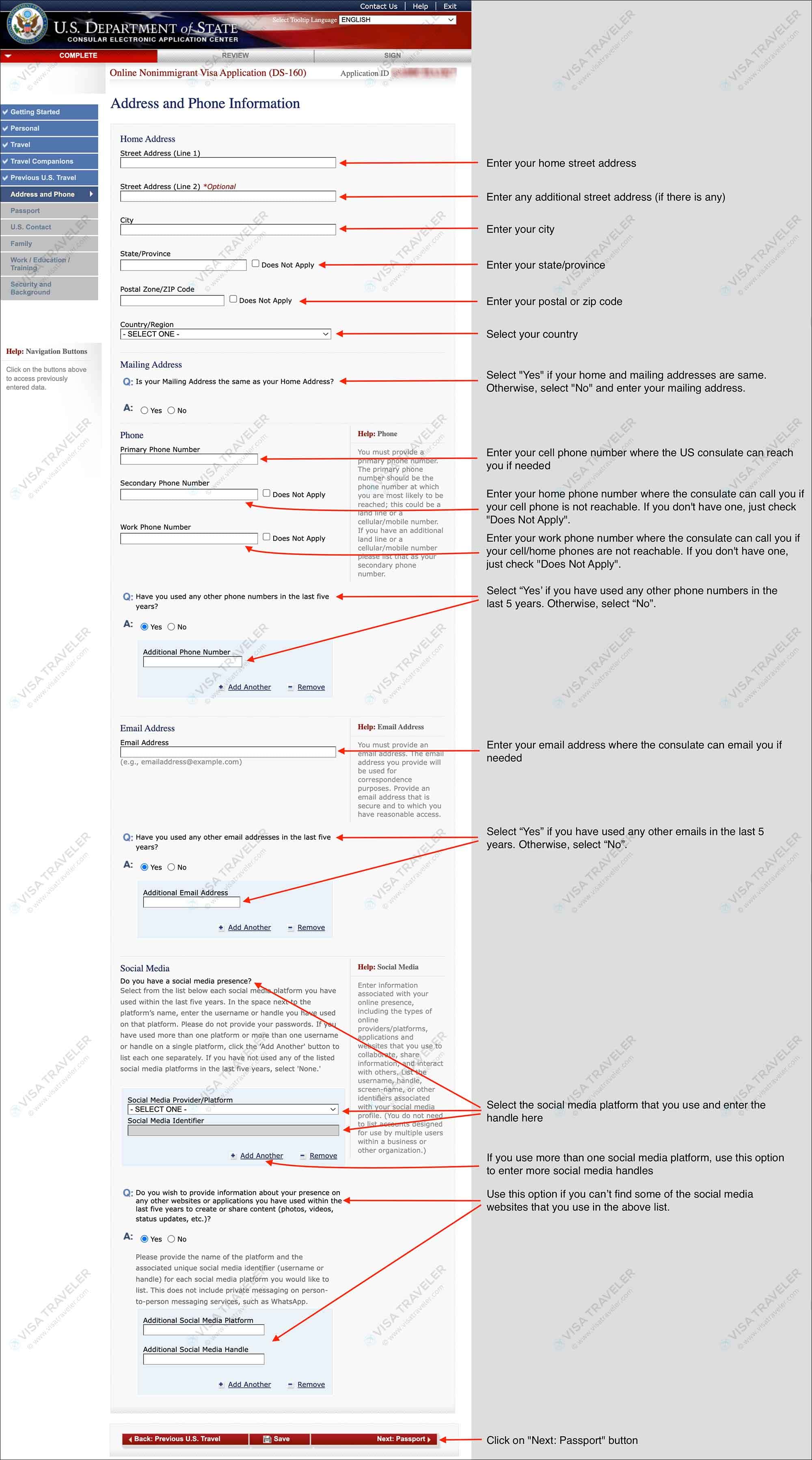
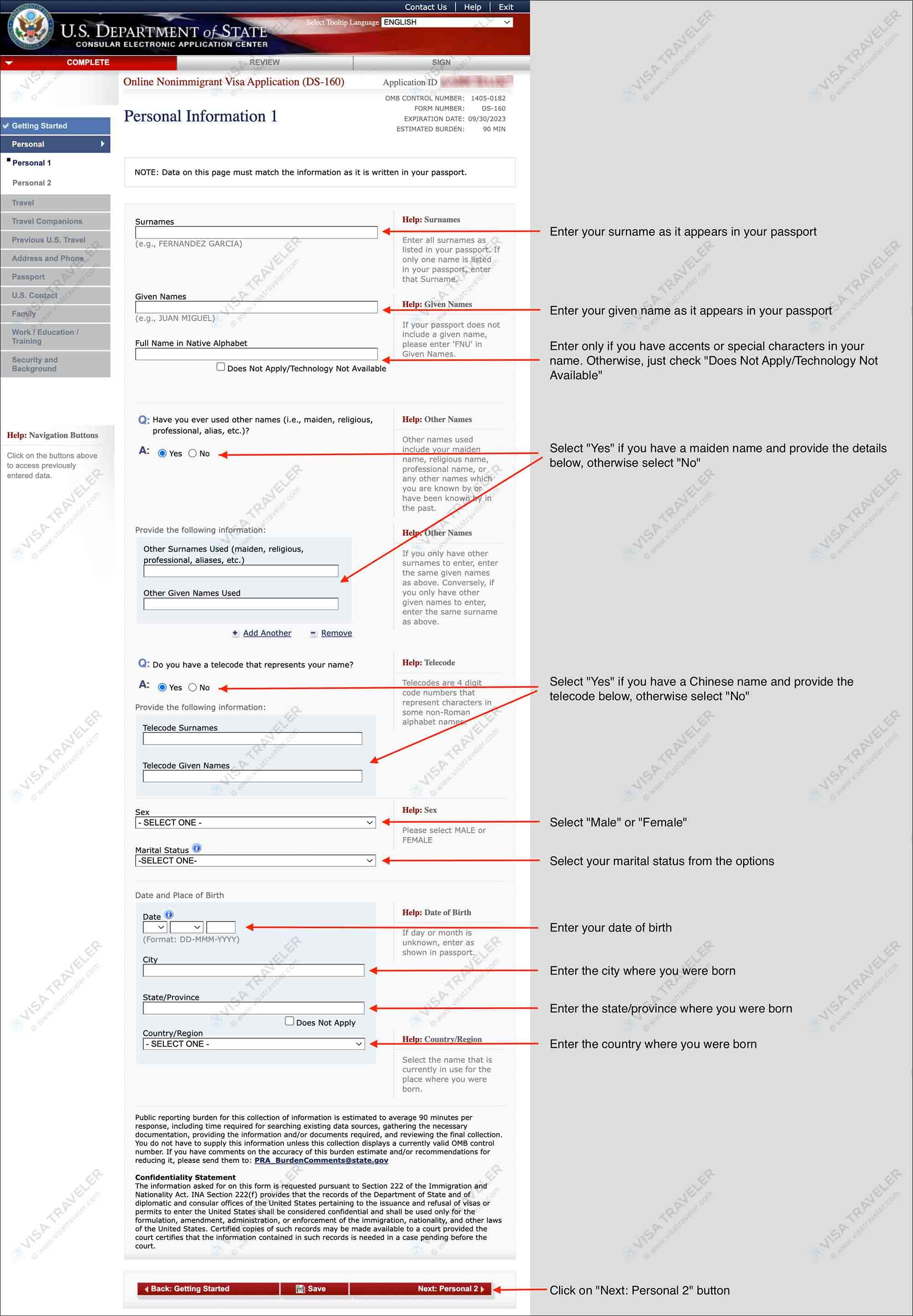
The first few sections involve basic personal data. Your name must be entered exactly as it appears in your passport's machine-readable zone. For Nepalese applicants, ensure that your "Given Name" and "Surname" are not transposed. You will also provide your residential address in Nepal, your phone number, and any social media handles used in the last five years. The U.S. government uses social media identifiers as part of their standard security screening process.
Passport and Travel Details
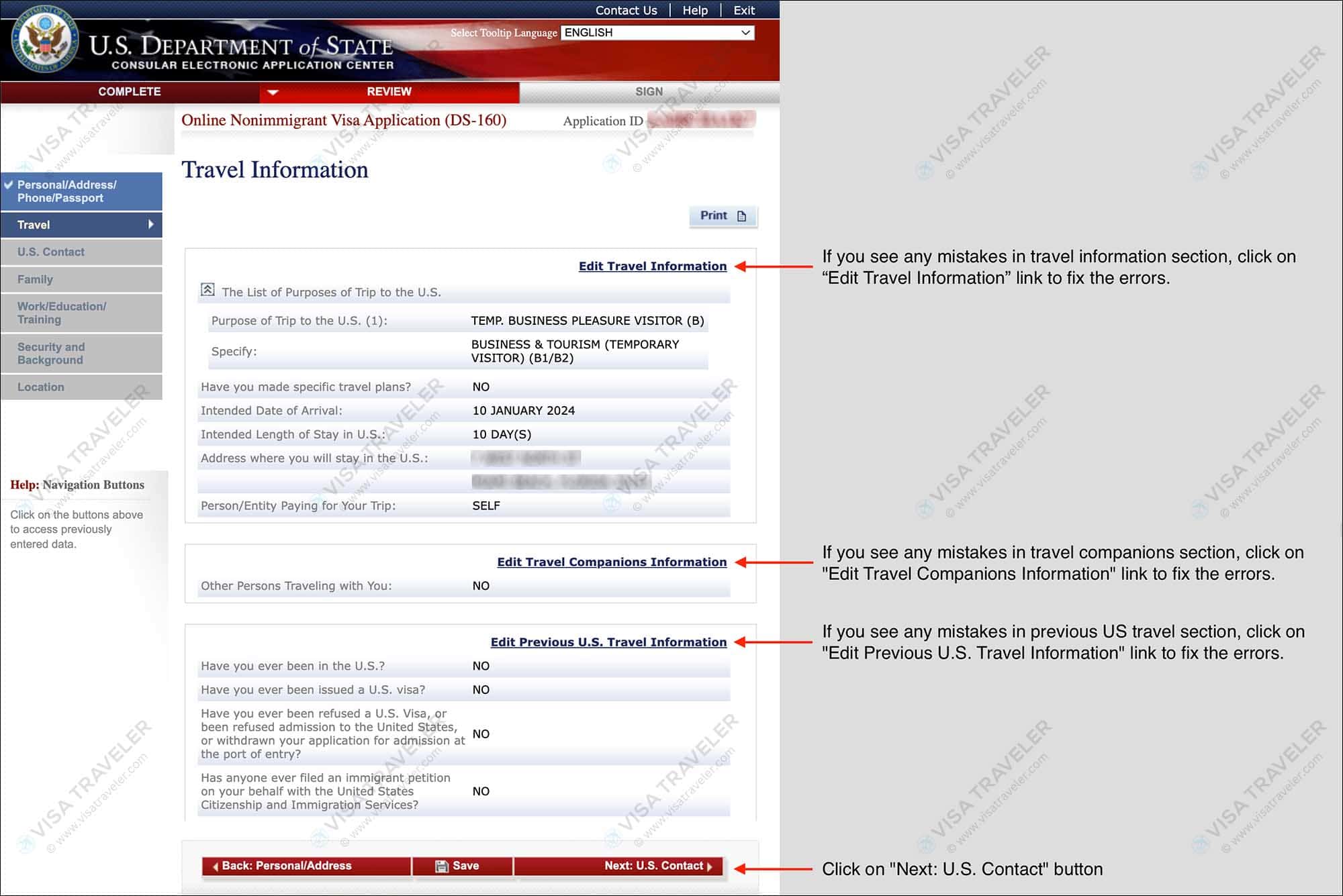
In the passport section, you will enter your passport number and the "Passport Book Number" if applicable. For most modern Nepalese passports, the book number is "Document Number" found on the data page, though many applicants can select "Does Not Apply" if a separate book number isn't clearly identified. In the travel section, be specific about your purpose of travel (e.g., B1/B2 for tourism/business, F1 for students). If someone else is paying for your trip, you must provide their contact information and relationship to you.
U.S. Point of Contact and Family
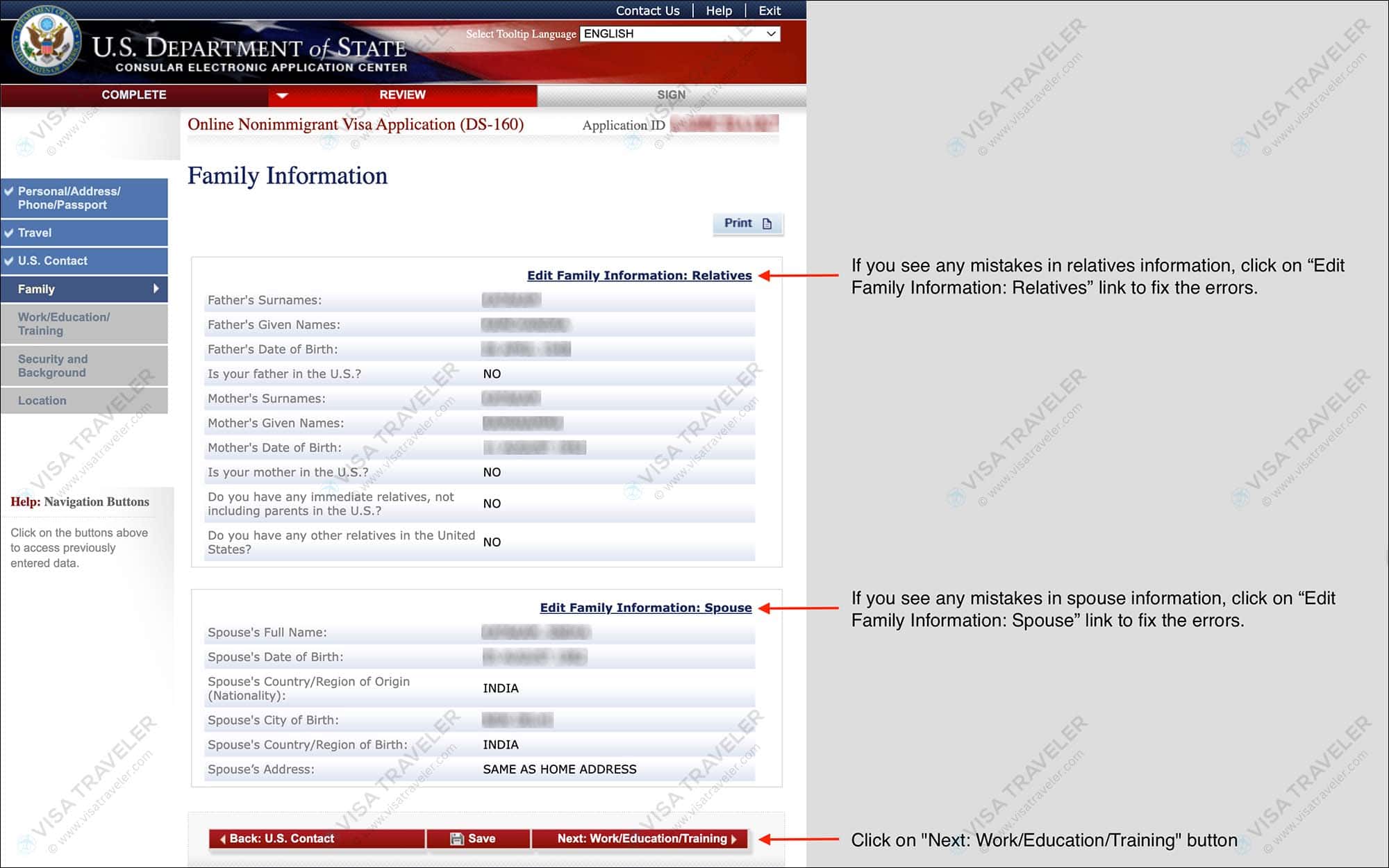
You must identify a person or organization in the U.S. who knows you and can verify your identity or the purpose of your trip. If you are a tourist with no US contacts, you can provide the name of the hotel where you plan to stay. Following this, the family information section asks for your parents' names and dates of birth. Even if your parents are deceased, this information is required.
Digital Photograph Requirements for 2026
One of the most common reasons for DS-160 technical errors is the failure to upload a compliant digital photograph. The U.S. Embassy in Kathmandu enforces strict standards for visa photos.
| Requirement | Specification |
|---|---|
| Dimensions | Minimum 600 x 600 pixels; Maximum 1200 x 1200 pixels |
| File Format | JPEG (.jpg) |
| File Size | Less than or equal to 240 kilobytes (KB) |
| Color | Must be in color (24 bits per pixel) in sRGB color space |
| Background | Plain white or off-white background |
| Recency | Taken within the last 6 months to reflect current appearance |
| Attire | No glasses; no uniforms (except religious clothing worn daily) |
If your photo upload fails, the system may allow you to proceed without it, but you will be required to bring a physical 2x2 inch photograph to your interview at the Maharajgunj embassy. It is highly recommended to use a professional studio in Kathmandu that is familiar with "U.S. Visa Photo Specs" to ensure the digital file is correctly formatted for the CEAC portal.
Navigating Security and Background Questions
The latter portion of the DS-160 consists of several pages of "Yes/No" security and background questions. These cover a wide range of topics including medical history (communicable diseases), criminal records, involvement in terrorism, and prior immigration violations.
It is imperative to answer these questions honestly. For the vast majority of applicants in Nepal, the answers to these questions will be "No." However, if any answer is "Yes," you must provide a detailed and clear explanation in English. Providing false information on the DS-160 is a serious offense that can lead to a permanent "inadmissibility" finding, meaning you may be banned from entering the United States for life.
Troubleshooting and Saving Your Progress
The CEAC website is known for frequent session timeouts, which occur after approximately 20 minutes of inactivity. To avoid losing your data, click the "Save" button at the bottom of each page frequently.
- Saving to Local Drive: You can save your application to your computer as a
.datfile. This is useful if you expect to take several days to complete the form. - Retrieving the Application: To return to your form, go to the CEAC homepage, select "Retrieve an Application," and enter your Application ID, the first five letters of your surname, your year of birth, and the answer to your security question.
- Language Support: While the form must be completed in English using English characters, you can select "Nepali" from the language tooltip at the top right of the page. Hovering your mouse over English text will then show a Nepali translation, which is helpful for clarifying complex questions.
Final Review and Submission
Before clicking the final "Sign and Submit" button, you will be given the opportunity to review all your answers. Take this time to double-check passport numbers, dates of birth, and email addresses. Once the application is submitted, you cannot make changes.
After submission, you will see a Confirmation Page featuring a barcode. You must print this page. You do not need to print the entire application for the interview, but the confirmation page is mandatory for entry into the U.S. Embassy in Kathmandu. If you do not have a printer immediately available, use the "Email Confirmation" option to send a PDF copy to your email address for later printing.
Post-Submission: Next Steps in Nepal
Submitting the DS-160 is only the first part of the journey. Once you have your confirmation number, you must proceed to the official visa appointment service for Nepal.
- Create a Profile: Visit the official U.S. visa appointment website for Nepal and create a user profile.
- Pay the MRV Fee: In 2026, the Machine Readable Visa (MRV) fee is typically paid through designated banks in Nepal, such as Global IME Bank or via authorized online payment gateways integrated into the scheduling portal. The fee is non-refundable and varies depending on the visa class.
- Schedule Interviews: Most applicants will need to schedule two appointments: one for biometrics at the Visa Application Center (VAC) and one for the consular interview at the U.S. Embassy.
- Document Preparation: Gather your DS-160 confirmation page, appointment confirmation, passport, and any supporting documents (financial records, invitation letters, etc.) to bring to the interview.
Frequently Asked Questions
Can I change information on my DS-160 after I have submitted it?
No, once the "Sign and Submit" button is clicked, the data is locked. If you discover a significant error (like a wrong passport number or misspelled name), you must complete a new DS-160, obtain a new confirmation number, and update that number in your appointment profile. Minor typos can sometimes be corrected by the consular officer during the interview, but major errors usually require a new form.
How long is my DS-160 confirmation number valid?
Technically, the DS-160 remains in the CEAC system for 30 days if not submitted, but once submitted, the confirmation page is generally valid for as long as the information within it remains accurate. However, if your circumstances change significantly (e.g., a new job or a new passport) before your interview, it is best practice to submit a fresh application.
My photo won't upload; can I still finish the application?
Yes. If the system repeatedly rejects your digital photo, you can proceed without an upload. The system will prompt you to bring a physical photo to the embassy. However, ensure the physical photo meets all U.S. visa requirements (2x2 inches, white background, no glasses) to avoid being turned away at the embassy gate.
Do I need to fill out a separate DS-160 for my child?
Yes. Every individual applying for a visa, regardless of age, must have their own DS-160 and a separate confirmation page. If you are applying as a family, you can select the "Create a Family Application" option on the "Thank You" page after submitting the first application. This will pre-populate some of the common information (like home address and travel details) for the subsequent family members.
What should I do if I forget my Application ID or security answer?
If you lose your Application ID and haven't saved the file locally, you will unfortunately have to start a new application from the beginning. There is no "Forgot ID" retrieval system for unsubmitted forms. If you remember the ID but forget the security answer, you will similarly be locked out and must start over.
Practical Recommendation for Applicants
For applicants in Nepal, the most successful DS-160 submissions are those that are prepared meticulously. It is highly recommended to complete the form yourself rather than relying entirely on a third-party consultancy. If you do use a consultant, ensure you review every single answer before they submit it on your behalf. Since you are legally responsible for the information on the form, any "misrepresentation" caused by a consultant's error will be held against you. Always keep a digital copy of your submitted application for your records, as this information will be useful for future visa renewals.
Image Gallery