The Lazy Town Actress Now Works in Therapy: Exploring Julianna Mauriello's Career Transition
Julianna Mauriello, best known internationally for playing Stephanie in the first two seasons of the children's television series LazyTown, transitioned away from acting in television and musical theater to build a professional career...
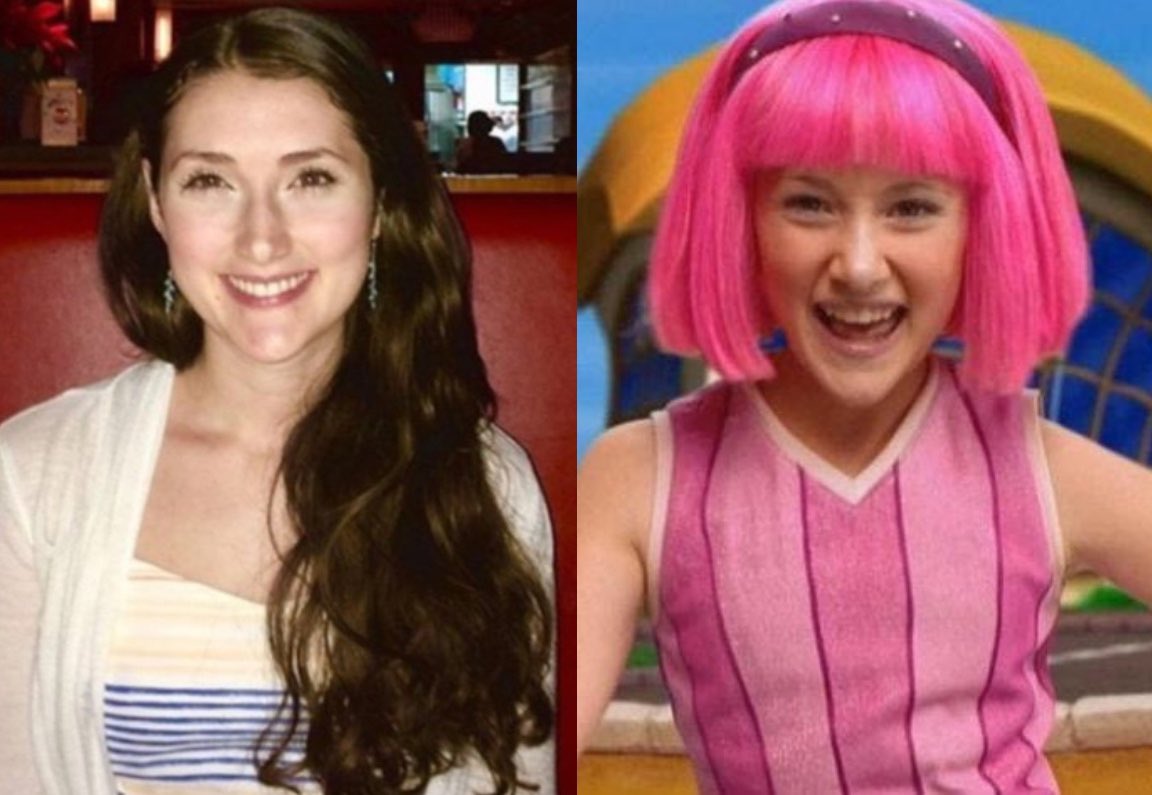
Julianna Mauriello, best known internationally for playing Stephanie in the first two seasons of the children's television series LazyTown, transitioned away from acting in television and musical theater to build a professional career as a licensed pediatric occupational therapist.
Contents
The query regarding "the lazy town actress now works in therapy" frequently surfaces among millennials and Gen Z viewers who grew up watching the Icelandic children's program in the mid-2000s and later wondered about the whereabouts of its primary child star. While childhood fame often leads performers down a continuous path of screen and stage work, Mauriello stepped away from the entertainment industry entirely, pursuing higher education and specialized clinical training to help children develop fine motor and sensory processing skills. This career shift reflects a deliberate choice to trade a high-profile television career for a vocation centered on healthcare and child development.
The Origins of LazyTown and Childhood Stardom
To understand Mauriello's current professional life, it is necessary to examine her early entry into the entertainment industry. Born in 1991, Mauriello began her performing arts training at a young age, studying dance and musical theater at various reputable institutions, including the Professional Performing Arts School in New York City. Before landing her breakout television role, she appeared in regional theater productions, commercial advertisements, and stage musicals, establishing herself as a versatile young talent capable of singing, dancing, and acting in complex choreography routines.
In 2004, Mauriello was cast as Stephanie Splitz in LazyTown (Latibær), a creation of Icelandic gymnast and actor Magnús Scheving. The show was conceived to promote physical activity, healthy eating habits, and overall wellness among young audiences. Filmed primarily in Reykjavík, Iceland, the series achieved international distribution, broadcasting in over 100 countries and translating into dozens of languages. As the central female protagonist with bright pink hair, Mauriello performed intricate dance numbers and athletic routines alongside Scheving (who played Sportacus) and Stefan Karl Stefansson (who played Robbie Rotten).
Despite the global reach and commercial success of LazyTown, the intense physical demands of filming, coupled with the inherent pressures of early childhood celebrity, presented unique challenges. Mauriello portrayed Stephanie for the first two seasons, earning a Daytime Emmy Award nomination in 2006 for Outstanding Performer in a Children's Series. Following the second season, she departed the role, with actress Chloe Lang succeeding her for seasons three and four. Mauriello made a few minor stage appearances and voice acting contributions in subsequent years, but she ultimately decided not to pursue a lifelong career in Hollywood or commercial theater.
Transitioning from Entertainment to Healthcare
The decision to leave acting behind in favor of a clinical healthcare profession represents a major life restructuring. Transitioning out of the entertainment industry requires individuals to acquire entirely new skill sets, credentials, and academic qualifications. For former child actors, the challenge involves stepping outside the public eye and building credibility within a rigorous academic and professional discipline.
Mauriello’s pivot toward pediatric occupational therapy began with a return to formal higher education. Occupational therapy (OT) is a healthcare profession focused on helping individuals of all ages develop, recover, improve, and maintain the skills needed for daily living and working. In the pediatric sector, occupational therapists work directly with children facing developmental delays, sensory processing disorders, autism spectrum disorder, physical disabilities, and fine motor challenges.
The educational prerequisites for entering the field of occupational therapy demand a strong foundation in the biological and behavioral sciences. Mauriello completed undergraduate studies focusing on relevant scientific and health disciplines before pursuing graduate-level training. Obtaining a master's or doctoral degree in occupational therapy is mandatory for clinical practice, requiring comprehensive coursework in anatomy, kinesiology, neurology, psychology, and pediatric development, followed by hundreds of hours of supervised clinical fieldwork.
Understanding Pediatric Occupational Therapy
Pediatric occupational therapy is a specialized branch of healthcare aimed at helping children achieve independence in all areas of their lives. Unlike physical therapy, which typically focuses on gross motor skills, strength, and mobility, occupational therapy addresses the "occupations" of childhood. For a child, these occupations include playing, learning, school performance, social interaction, and performing self-care tasks such as dressing, eating, and grooming.
Practitioners in this field evaluate a child's sensory, motor, and cognitive abilities to design individualized intervention plans. Common areas addressed in pediatric occupational therapy include:
- Fine Motor Skills: Developing the hand strength and dexterity required to hold a pencil, use scissors, tie shoes, and manipulate small objects.
- Sensory Processing: Helping children who are overly sensitive or under-responsive to sensory input (such as loud noises, bright lights, textures, or movement) process and react to their environment in functional ways.
- Visual-Motor Integration: Improving the coordination between visual input and hand movements, which is essential for handwriting, drawing, and catching a ball.
- Activities of Daily Living (ADLs): Assisting children with physical or cognitive challenges in mastering self-help tasks to foster greater independence at home and school.
By transitioning into this field, Mauriello joined a structured healthcare environment governed by state licensing boards and professional standards associations, ensuring that her day-to-day work centers on measurable clinical outcomes rather than public entertainment.
Comparison of Career Paths: Entertainment vs. Healthcare
A side-by-side comparison illustrates the fundamental differences between working as a child television star and practicing as a pediatric healthcare professional.
| Professional Attribute | LazyTown Actress (Childhood) | Pediatric Occupational Therapist |
|---|---|---|
| Primary Goal | Entertain global audiences via television and stage | Improve functional independence and quality of life for children |
| Required Training | Performing arts coaching, dance, vocal training, acting | Undergraduate degree, Master’s/Doctorate in OT, state licensure |
| Work Environment | Television sets, soundstages, promotional tours, theater backstages | Pediatric clinics, hospitals, schools, outpatient rehabilitation centers |
| Public Visibility | High public profile, international fanbase, media scrutiny | Private practice or clinical setting focused on patient confidentiality |
| Daily Activities | Rehearsing scripts, filming scenes, performing dance routines | Evaluating developmental milestones, administering sensory integration therapy, consulting with parents |
This structural contrast highlights why many individuals who experience early childhood celebrity ultimately choose private, stable professions where their daily impact is direct, measurable, and shielded from public scrutiny.
Frequently Asked Questions
Did the original Stephanie from LazyTown completely quit acting?
Yes, Julianna Mauriello stepped away from acting and musical theater following her departure from LazyTown after season two. She completed her education and transitioned into healthcare, establishing a professional career as an occupational therapist rather than returning to film or television.
What qualifications are required to work in pediatric occupational therapy?
Practicing as a pediatric occupational therapist requires completing an accredited undergraduate degree, earning a master's or doctoral degree in occupational therapy, passing the National Board for Certification in Occupational Therapy (NBCOT) exam, and obtaining a state license to practice clinical care.
Why did Julianna Mauriello leave LazyTown?
Mauriello departed from the series after the second season primarily due to aging out of the role, as she was transitioning into young adulthood, and a personal desire to pursue other educational and career interests outside of the entertainment industry.
How does pediatric occupational therapy differ from physical therapy?
While physical therapy focuses on gross motor functions, muscle strength, and mobility involving large muscle groups, occupational therapy focuses on helping children gain independence in daily activities, play, school performance, fine motor coordination, and sensory processing.
Next Actions and Further Verification
Readers interested in the professional standards of occupational therapy or seeking clinical services for a child can consult official regulatory bodies. To verify licensing credentials for healthcare providers in the United States, use the National Board for Certification in Occupational Therapy (NBCOT) credential verification tool. For broader educational resources regarding child development and early intervention programs, consult the American Occupational Therapy Association (AOTA).
Image Gallery