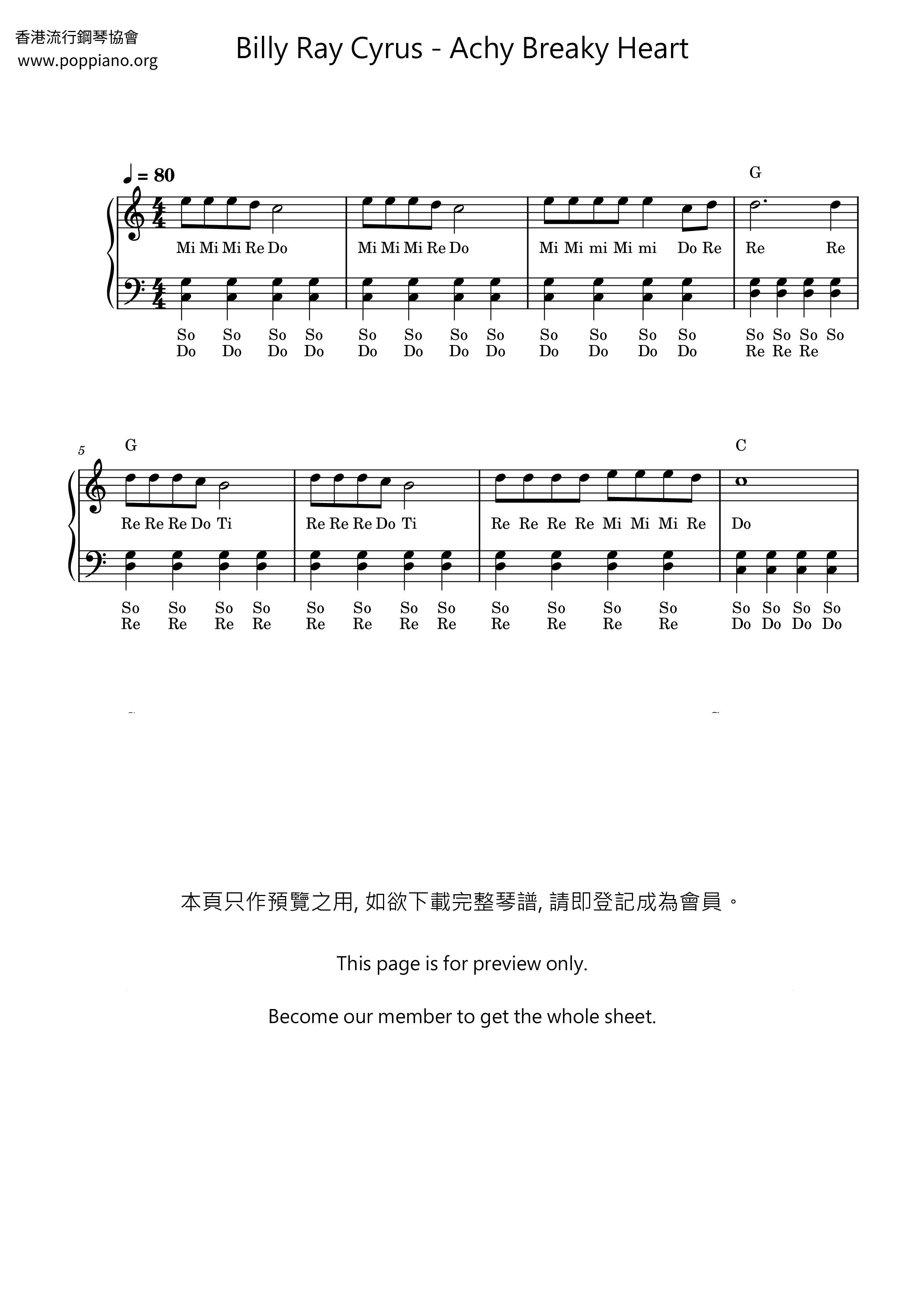
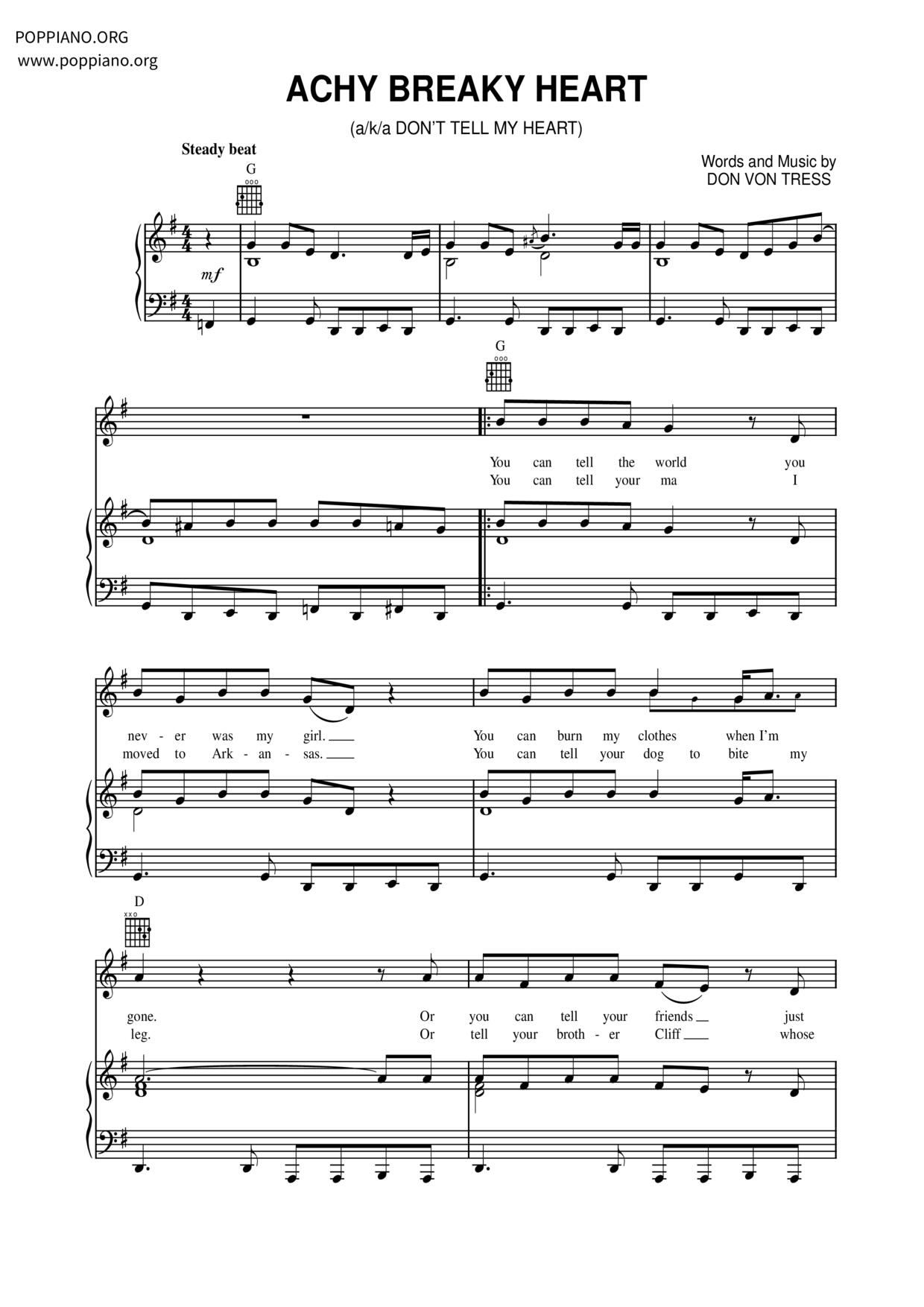
How to Read and Interpret the Achy Breaky Heart Lyrics
To read the lyrics of "Achy Breaky Heart" effectively, you should focus on the song’s use of personification, where the narrator addresses his own body parts to express the pain of a breakup. Beyond the literal text, reading these lyri...
To read the lyrics of "Achy Breaky Heart" effectively, you should focus on the song’s use of personification, where the narrator addresses his own body parts to express the pain of a breakup. Beyond the literal text, reading these lyrics involves understanding the rhythmic syncopation required for country-pop phrasing and the Southern colloquialisms that define the 1992 hit's narrative tone.
Contents
The Structural Framework of the Lyrics
"Achy Breaky Heart," written by Don Von Tress and made famous by Billy Ray Cyrus, follows a traditional verse-chorus-verse structure that is foundational to early 1990s country-pop. When reading the lyrics, it is essential to recognize the repetitive nature of the chorus, which serves as the emotional and rhythmic anchor of the piece.
The song is composed of several verses that utilize a consistent AABB or ABCB rhyme scheme, though the rhymes are often "slant" or near-rhymes common in Southern vernacular. For example, matching "brother" with "another" provides a simple, accessible phonetic connection that allows the listener—or reader—to predict the cadence. This predictability was a key factor in the song's massive commercial success, as it allowed for easy memorization and participation during live performances and line dancing sessions.
Verse Breakdown and Narrative Flow
In the first verse, the narrator sets a defiant yet heartbroken tone. He addresses an unnamed former lover, listing various people and things she can talk to about their split. By reading the list of subjects—the mother, the brother, the aunt—the reader perceives a man who is trying to maintain his dignity by outsourcing the news of the breakup.
However, the structural shift occurs when the narrator turns his attention inward. This internal dialogue is where the technical "reading" of the song becomes more complex. He isn't just speaking to his ex-partner; he is negotiating with his own physical form.
Personification as a Literary Device in Country Lyrics
The core of "Achy Breaky Heart" lies in its extensive use of personification. To read these lyrics with a critical eye, one must observe how the narrator treats his body parts—his arms, his legs, and most importantly, his heart—as independent entities with their own feelings and reactions.
- The Arms and Legs: When the narrator says, "You can tell my arms to go back to the farm," he uses metonymy. The arms represent his labor and his physical presence. Telling his legs to "go jump in the lake" suggests a desire for self-destruction or at least a physical relocation away from the source of pain.
- The "Achy Breaky" Heart: The titular phrase is a form of reduplicative rhyming. While "achy" and "breaky" are not standard medical terms, in the context of the song, they function as a whimsical yet poignant description of a heart that is literally falling apart. The heart is personified as a fragile organ that might "blow up and kill this man" if it is told the truth about the breakup.
Reading the lyrics through this lens reveals a man who is terrified of his own emotional response. He can handle his family knowing, and he can handle his limbs being relocated, but he cannot handle the central "processor" of his emotions—the heart—receiving the final blow of rejection.
Technical Phrasing and Rhythmic Reading
Because "Achy Breaky Heart" is inextricably linked to the world of line dancing, reading the lyrics requires an understanding of their rhythmic placement. The song is set to a standard 4/4 time signature at approximately 122 beats per minute (BPM).
When reading the text, you will notice that the lyrics are heavily staccato. The syllables are short and punched, matching the "kick-step" of the associated dance. For instance, the line "But don't tell my heart, my achy breaky heart" is delivered with a specific syncopation:
- But don't (Beat 1)
- tell my (Beat 2)
- heart (Beat 3 - Emphasis)
- my achy (Beat 4)
- breaky heart (Beat 1 of the next measure)
Understanding this "on-the-beat" reading is crucial for anyone trying to analyze why the song feels so driving and energetic despite its theme of romantic failure. The lyrics do not lounge or linger; they move forward with the same relentless pace as the dancers on the floor.
Historical and Cultural Context for 2026 Readers
As we look at these lyrics in 2026, it is important to remember the cultural landscape of the early 1990s. The song was a bridge between traditional "outlaw" country and the "New Country" movement that prioritized crossover appeal and high-production music videos.
The lyrics reflect a specific type of "working-class stoicism" mixed with humor. In 1992, the song was polarizing; some critics found the lyrics "saccharine" or overly simple, while the public embraced the "achy breaky" hook as a global anthem. For a modern reader, the lyrics serve as a time capsule of a period when country music began to dominate pop charts by simplifying its narrative structures and leaning into catchy, repeatable phrasing.
Comparison of Versions and Lyric Variations
While Billy Ray Cyrus is the definitive voice of the song, the track was originally recorded by The Marcy Brothers under the title "Don't Tell My Heart." Comparing these versions provides insight into how phrasing and lyrical emphasis can change the "read" of a song.
| Feature | The Marcy Brothers (1991) | Billy Ray Cyrus (1992) | Modern Covers/Parodies (2020s) |
|---|---|---|---|
| Title | "Don't Tell My Heart" | "Achy Breaky Heart" | Various |
| Tempo | Slightly slower, traditional | 122 BPM, high energy | Often slowed for "acoustic" depth |
| Lyrical Focus | Melancholy warning | Defiant, rhythmic hook | Satirical or nostalgic |
| Vocab Intensity | Standard country vernacular | High emphasis on "Achy Breaky" | Often highlights the "camp" factor |
| Production Style | Acoustic-heavy | Electric guitar and heavy drums | Minimalist or Electronic |
Common Misinterpretations of the Lyrics
Many listeners fall victim to "mondegreens"—misheard lyrics—when engaging with this song. Because of the Southern drawl used in the most famous recording, certain lines are frequently misread.
- "Go back to the farm" vs. "Go back to the bar": Many believe the narrator is sending his arms to a bar to drink away the pain. However, the official lyric is "farm," which reinforces the rural, salt-of-the-earth imagery of the character.
- "I just don't think he'd understand": Some readers assume "he" refers to a new boyfriend. In reality, the "he" refers back to the heart itself, continuing the personification theme where the narrator speaks about his heart in the third person.
Reading the lyrics correctly requires distinguishing between the people the narrator is talking to (the ex-lover) and the entities he is talking about (his family and his own body).
The Role of Repetition in Lyric Engagement
The word "heart" appears over 20 times in the song, depending on the number of chorus repetitions in a specific performance. From a technical writing standpoint, this is known as epistrophe when used at the end of successive clauses.
This repetition serves a dual purpose. First, it ensures the "hook" is unshakeable. Second, it mirrors the obsessive nature of heartbreak. When someone is going through a breakup, their thoughts often circle back to a single point of pain. The lyrics recreate this psychological state by circling back to the "achy breaky heart" every few lines, never allowing the reader or listener to stray too far from the central conflict.
How to Access Verified Lyrics in 2026
In the current digital landscape of 2026, finding verified lyrics is easier than ever, but accuracy still varies between platforms. For the most precise reading, viewers should consult:
- Official Artist Archives: The Billy Ray Cyrus official estate or legacy websites often host the most accurate transcriptions, including original liner notes.
- Music Metadata Databases: Platforms like Genius or MusicMatch provide "verified" lyrics that are often checked against the songwriter’s original manuscripts.
- Copyright Records: For the most technical "read," one can look at the Library of Congress or BMI/ASCAP registrations, which contain the definitive text as filed by Don Von Tress.
When using third-party lyric sites, be wary of "user-contributed" versions that may include performance-specific ad-libs (like "Whoo!" or "Yeah!") which are not part of the actual lyrical composition.
FAQ
Who originally wrote the lyrics to Achy Breaky Heart?
The lyrics were written by Don Von Tress in 1990. Although Billy Ray Cyrus made the song a worldwide hit in 1992, he was not the songwriter. Von Tress has noted in various interviews that the song was written quickly, capturing a simple, relatable sentiment that he didn't initially realize would become a cultural phenomenon.
Is "achy breaky" a real medical term used in the song?
No, "achy breaky" is an example of rhyming reduplication used for poetic and rhythmic effect. It is a colloquial way of describing the dull throb of emotional pain (achy) and the sensation of a fracturing spirit (breaky). It is meant to sound slightly juvenile or "folk-like," which adds to the song's approachable charm.
What is the "farm" mentioned in the lyrics?
The line "tell my arms to go back to the farm" is a metaphor for returning to manual labor or a simpler life. It suggests that the narrator's physical strength is no longer needed in the relationship, so those "arms" might as well return to the work they were originally meant for.
Why does the narrator tell his legs to jump in a lake?
This is a common American idiom for "going away" or "getting lost." By telling his legs to jump in a lake, the narrator is expressing a desire to be rid of his own restlessness. He is so distraught that he wants his own body to leave him alone.
Does the song have a bridge?
In the standard Billy Ray Cyrus version, the song relies more on instrumental breaks—specifically guitar and saxophone solos—than a traditional lyrical bridge. The "bridge" function is served by the instrumental sections that allow the energy of the line dance to peak before returning to the final choruses.
Final Recommendation for Reading Lyrics
When you sit down to read the lyrics of "Achy Breaky Heart," do not treat them merely as a pop song's text. Treat them as a study in rhythmic personification. To get the most out of the experience, read the verses aloud to find the natural Southern "swing" in the meter. Pay close attention to how the narrator separates his physical self from his emotional self; this distinction is what transforms a simple country tune into a masterclass in relatable, metaphorical storytelling. Whether you are analyzing it for a musicology project or simply learning the words for a karaoke night in 2026, understanding the balance between the "farm" and the "heart" is the key to mastering this classic.
Image Gallery