Theodore Roosevelt in Night at the Museum: Historical Depiction and Cultural Legacy
The character of Theodore Roosevelt, portrayed by Robin Williams in the Night at the Museum film trilogy, serves as the primary moral guide and mentor to Larry Daley. This depiction effectively blends the historical achievements of the...
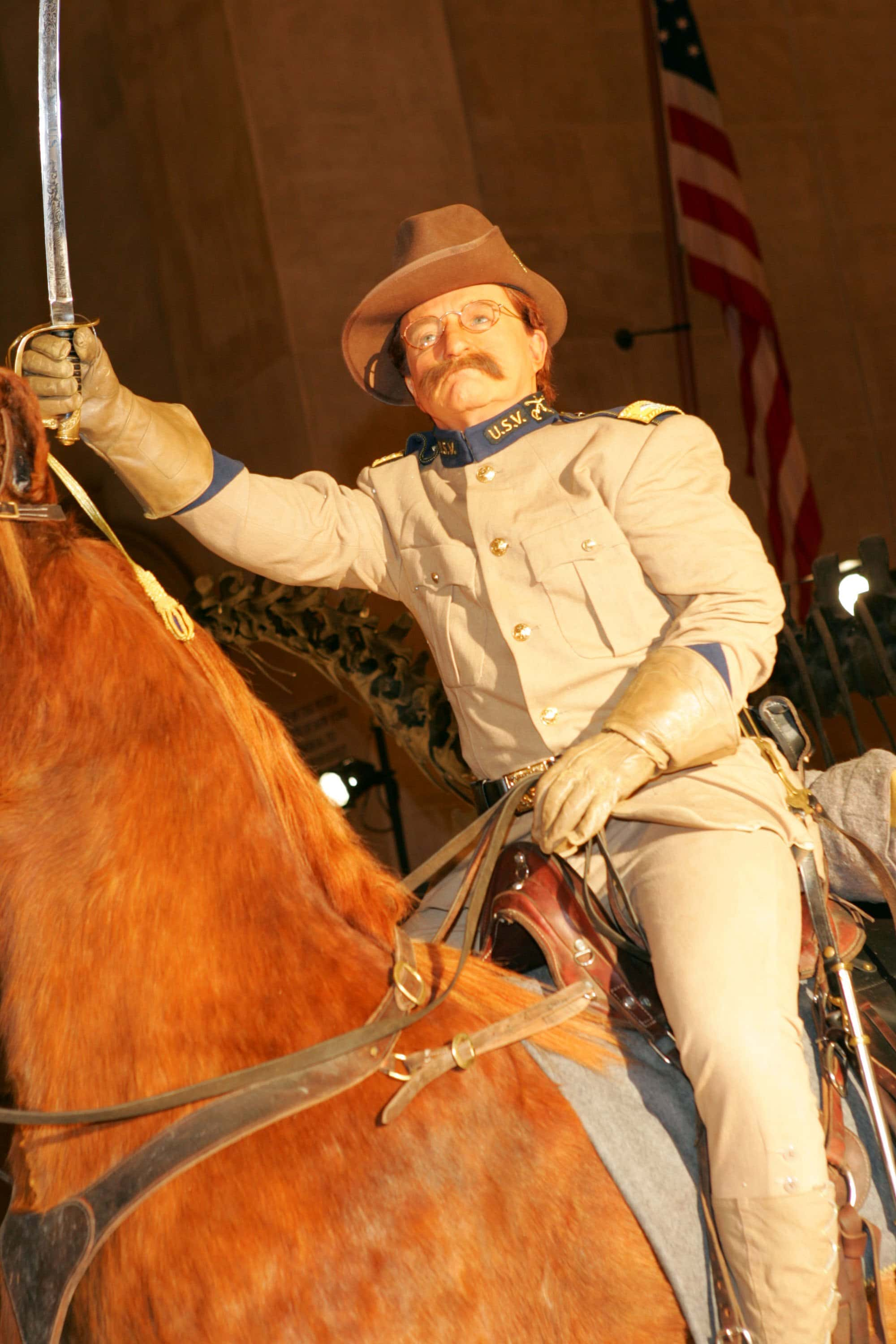
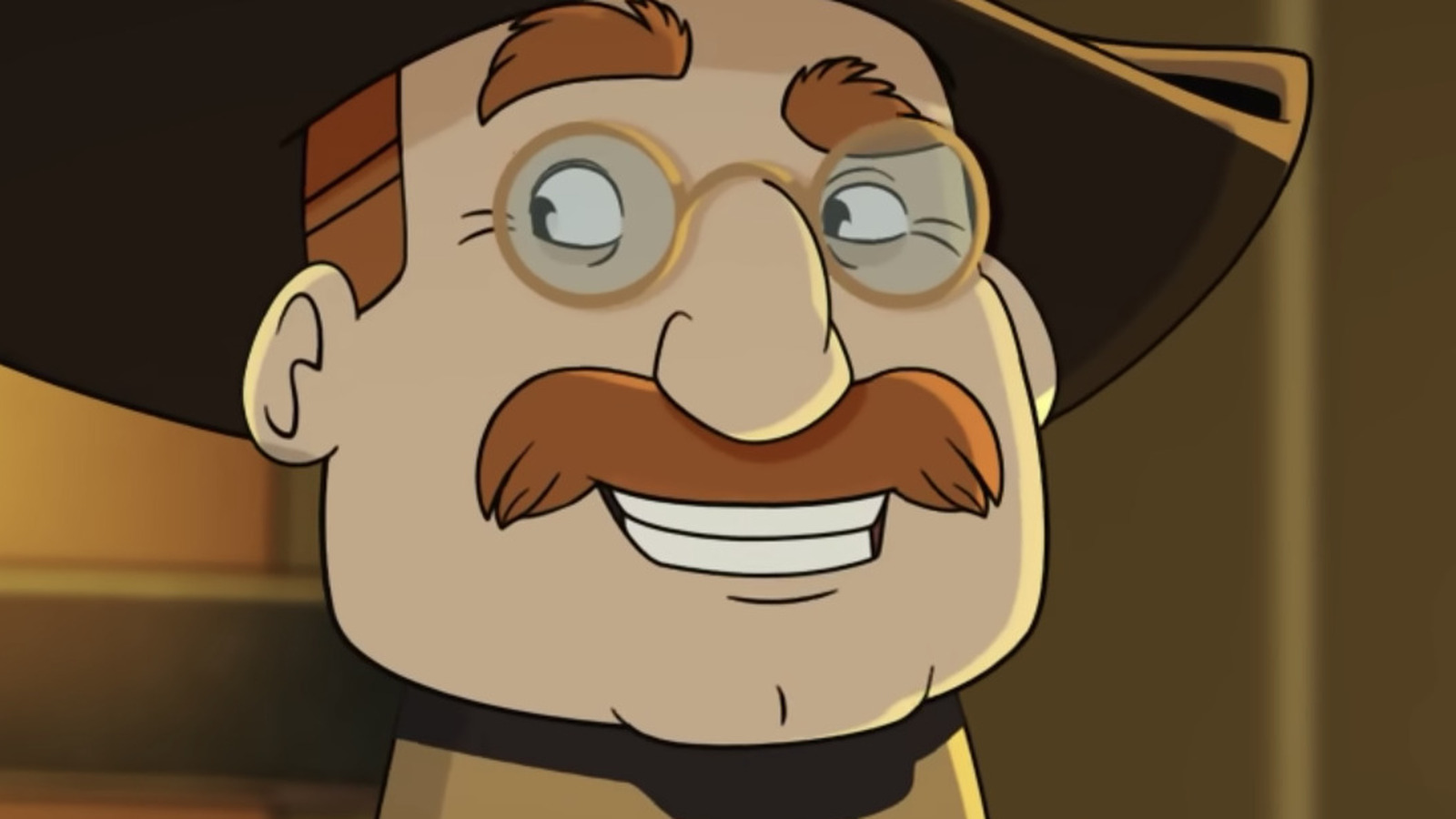
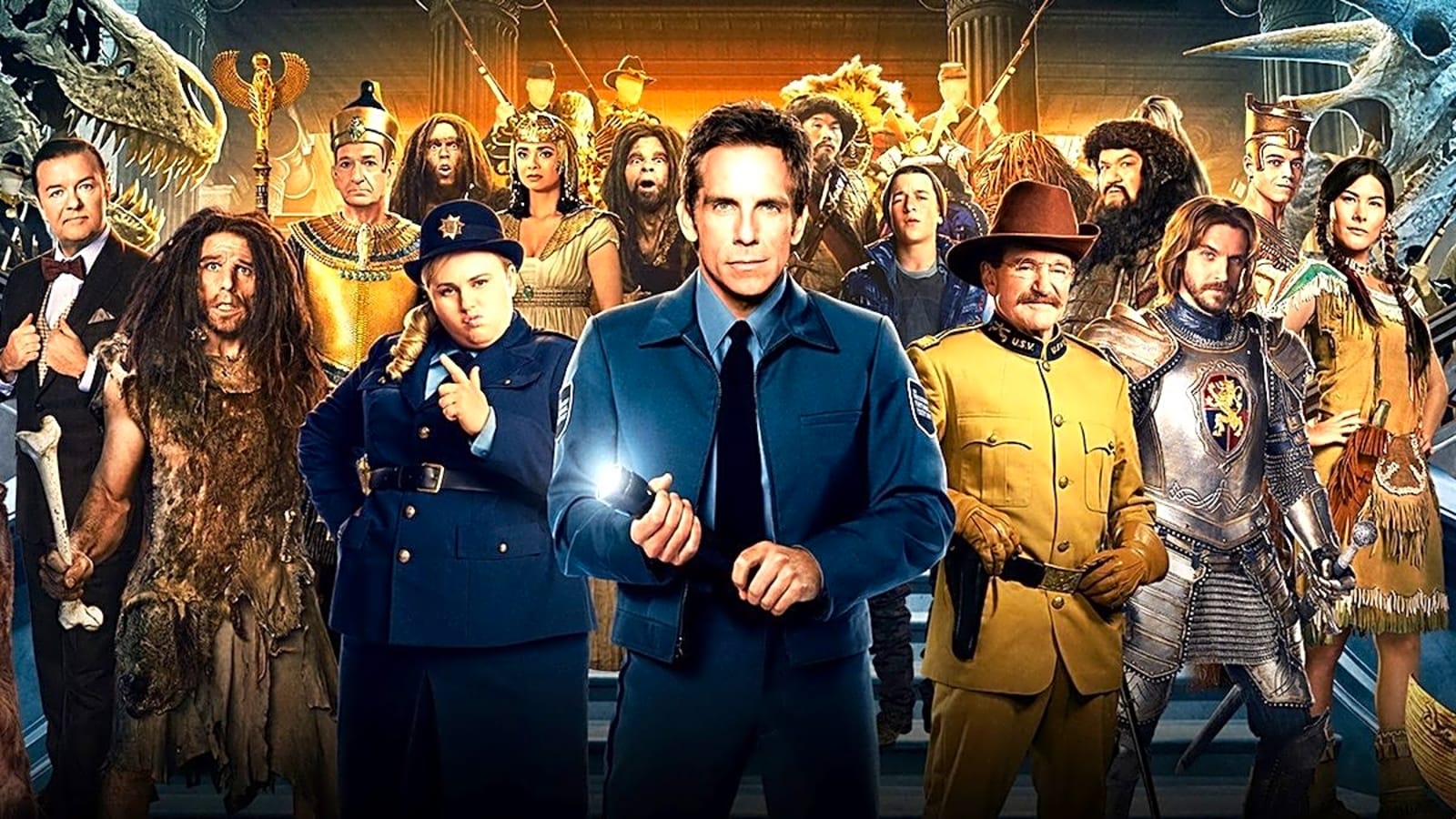
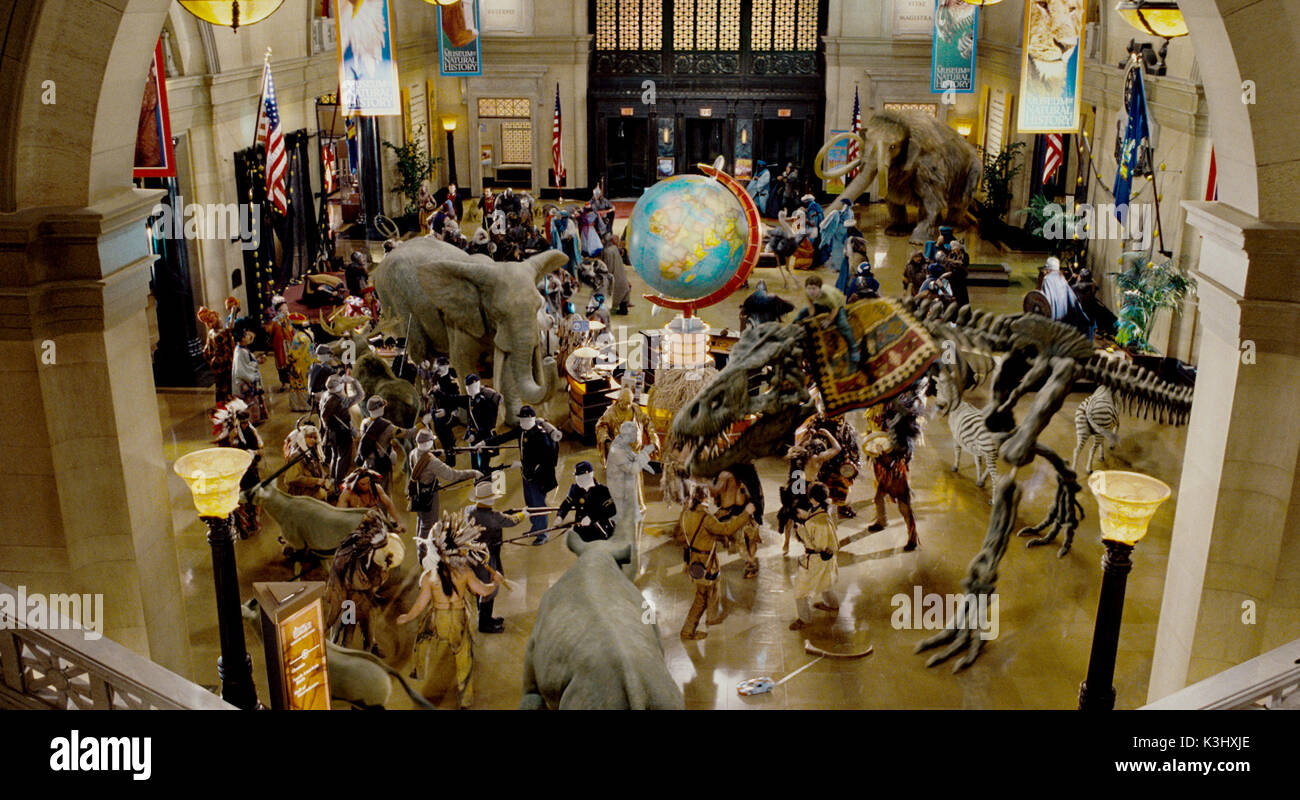
The character of Theodore Roosevelt, portrayed by Robin Williams in the Night at the Museum film trilogy, serves as the primary moral guide and mentor to Larry Daley. This depiction effectively blends the historical achievements of the 26th U.S. President with the fantastical premise of exhibits coming to life at the American Museum of Natural History.
Contents
Historical Foundations of the Theodore Roosevelt Persona
Theodore Roosevelt, serving as the 26th President of the United States from 1901 to 1909, remains one of the most recognizable figures in American history. In the film series, his character is defined by his "Big Stick" diplomacy, his love for the American wilderness, and his unwavering belief in personal integrity. These traits are not merely creative embellishments but are grounded in the actual persona of the man who spearheaded the conservation movement and expanded the influence of the presidency.
When analyzing the film's characterization, three key historical pillars are consistently emphasized:
- Conservationist Legacy: His role as the founder of the National Park Service and his efforts to preserve millions of acres of public land are reflected in the character's profound respect for the museum's natural world exhibits.
- Progressive Governance: The film portrays his leadership style as decisive and reform-minded, mirroring his real-world efforts to dismantle corporate monopolies and enforce fair labor practices.
- The Rough Rider Identity: The character’s physical stature and tactical prowess evoke his leadership of the First Volunteer Cavalry during the Spanish-American War, a defining chapter of his pre-presidential career.
The American Museum of Natural History Connection
While the Night at the Museum films are fictional, the American Museum of Natural History (AMNH) in New York City is a legitimate historical institution intimately linked to the Roosevelt family. Theodore Roosevelt’s father was one of the museum's founders, and the museum currently houses the Theodore Roosevelt Memorial, which serves as the official state memorial to the president.
In reality, visitors to the museum in 2026 can view the Theodore Roosevelt Rotunda, which features a prominent equestrian statue. The cultural impact of the Night at the Museum franchise has significantly increased public interest in the museum's history, leading to educational programs that distinguish between the film’s narrative tropes and the historical reality of the collections.
Comparative Analysis: Film Representation vs. Historical Record
Understanding the nuance between the cinematic character and the historical statesman requires looking at how the film utilizes historical artifacts as props for character development.
| Feature | Film Representation | Historical Reality |
|---|---|---|
| Leadership Style | Mentor and peacemaker within the museum | Aggressive interventionist, "Speak softly and carry a big stick" |
| Historical Context | Exists as an animate wax figure | Served two terms (1901-1909); died in 1919 |
| Primary Motivation | Maintaining order among exhibits | Trust-busting and environmental preservation |
| Symbolic Status | The "voice of reason" | Intellectual, naturalist, and prolific author |
The Cinematic Impact of Robin Williams
The portrayal of Theodore Roosevelt by the late Robin Williams remains a definitive aspect of the franchise's success. Williams brought a sense of warmth, intellectual curiosity, and gravitas to the role, effectively humanizing a historical figure who is often relegated to the dry pages of textbooks. By 2026, the performance is widely studied in film critique for its ability to balance comedy with historical reverence, proving that iconic figures can be made accessible to younger generations through thoughtful performance art.
Challenges in Historical Storytelling
Integrating a historical titan like Theodore Roosevelt into a fast-paced fantasy comedy presents inherent challenges. The narrative must avoid trivializing his actual legislative achievements while ensuring the character remains engaging for a modern audience. The films manage this by utilizing Roosevelt as a "bridge" between the antiquated world of the museum and the fast-paced life of the modern protagonist, Larry Daley.
Maintaining Historical Integrity
The challenge of historical fiction lies in balancing entertainment with educational value. In the context of the Night at the Museum series, the writers rely on the audience's baseline knowledge of Roosevelt as a rugged, authoritative, and kind leader to ground the more absurd supernatural events of the plot. By keeping the character's core values—duty, honor, and curiosity—consistent with historical accounts, the film successfully avoids revisionist history while still maintaining narrative flow.
Frequently Asked Questions
Did Theodore Roosevelt actually live in the American Museum of Natural History? No, Theodore Roosevelt never lived at the museum. The museum was founded in 1869, and while the Roosevelt family was instrumental in its development, the "living exhibit" concept is a purely fictional premise created for the book and film series.
Is the Theodore Roosevelt statue still at the museum in 2026? The equestrian statue of Theodore Roosevelt that was previously located at the entrance of the museum was removed in 2022. It is important to note that the museum continues to maintain the Theodore Roosevelt Memorial and educational initiatives surrounding his legacy, despite the removal of that specific physical monument.
Why is Theodore Roosevelt portrayed as a mentor to Larry Daley? The character is used as a mentor because he represents a bridge between the past and the present. His life embodied the spirit of exploration and learning, making him the ideal candidate to help a museum night guard navigate the chaos of coming to terms with history coming to life.
How accurate is the "Night at the Museum" version of Theodore Roosevelt? The character is an interpretation rather than an accurate historical recreation. While the film captures the essence of his personality—his energy, his patriotism, and his focus on education—the supernatural elements and his role as a peacekeeper among historical figures are entirely creative inventions.
Where can I learn more about the real Theodore Roosevelt? For those interested in historical accuracy, the official National Park Service website for the Theodore Roosevelt Birthplace National Historic Site and the Theodore Roosevelt Center at Dickinson State University offer comprehensive digital archives and primary source documents regarding his life and presidency.
Concluding Perspective for Historical Enthusiasts
To appreciate the role of Theodore Roosevelt in the Night at the Museum series is to recognize the power of storytelling in keeping history relevant. While the films are clearly a work of fiction, they serve as a gateway for viewers to explore the actual accomplishments of a man who profoundly shaped the United States. Whether through his environmental initiatives or his complex political legacy, Theodore Roosevelt remains a central figure of the American story, as vital in 2026 as he was in his own time.
Image Gallery