The Path to Becoming a Professional Snowboarder
Becoming a professional snowboarder requires a strategic blend of elite technical skill, consistent competitive success, and the ability to generate commercial value for sponsors. The transition involves progressing through regional am...
Becoming a professional snowboarder requires a strategic blend of elite technical skill, consistent competitive success, and the ability to generate commercial value for sponsors. The transition involves progressing through regional amateur circuits, securing "flow" sponsorships, and eventually competing in high-profile events like the X Games or the Natural Selection Tour while maintaining a significant digital presence.
Contents
The journey from a weekend enthusiast to a sponsored professional is often romanticized, but in 2026, the industry is more data-driven and competitive than ever. Professionalism in snowboarding is defined less by how well you ride and more by the return on investment (ROI) you provide to your partners. Whether through podium finishes in FIS-sanctioned events or through high-impact video parts that drive gear sales, the path is rigorous and requires a multi-year commitment to both the sport and the business of action sports.
Establishing a Technical Foundation and Discipline
Before any athlete can consider a professional career, they must achieve a level of technical mastery that separates them from the top 1% of recreational riders. This foundation is typically built during the "grom" (youth) years, where fundamental mechanics such as edge control, spatial awareness in the air, and "switch" riding (riding with the opposite foot forward) become second nature.
In the current landscape, specialization occurs early. Athletes generally choose between three primary paths:
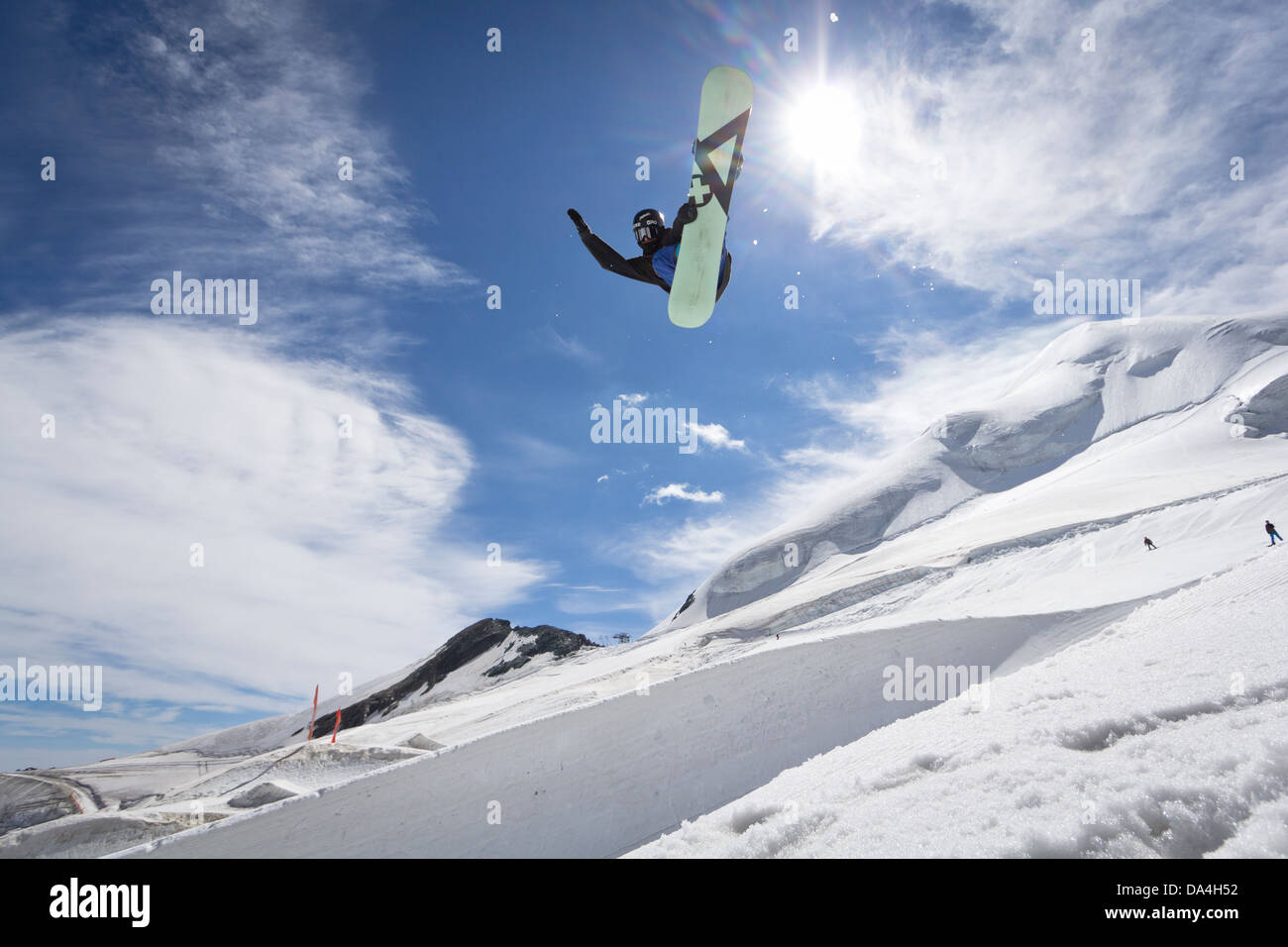
- Slopestyle and Big Air: Focuses on park features, rails, and massive jumps. This is the most common path to the Olympics.
- Halfpipe: Requires access to world-class 22-foot pipes and a specific focus on transition riding and amplitude.
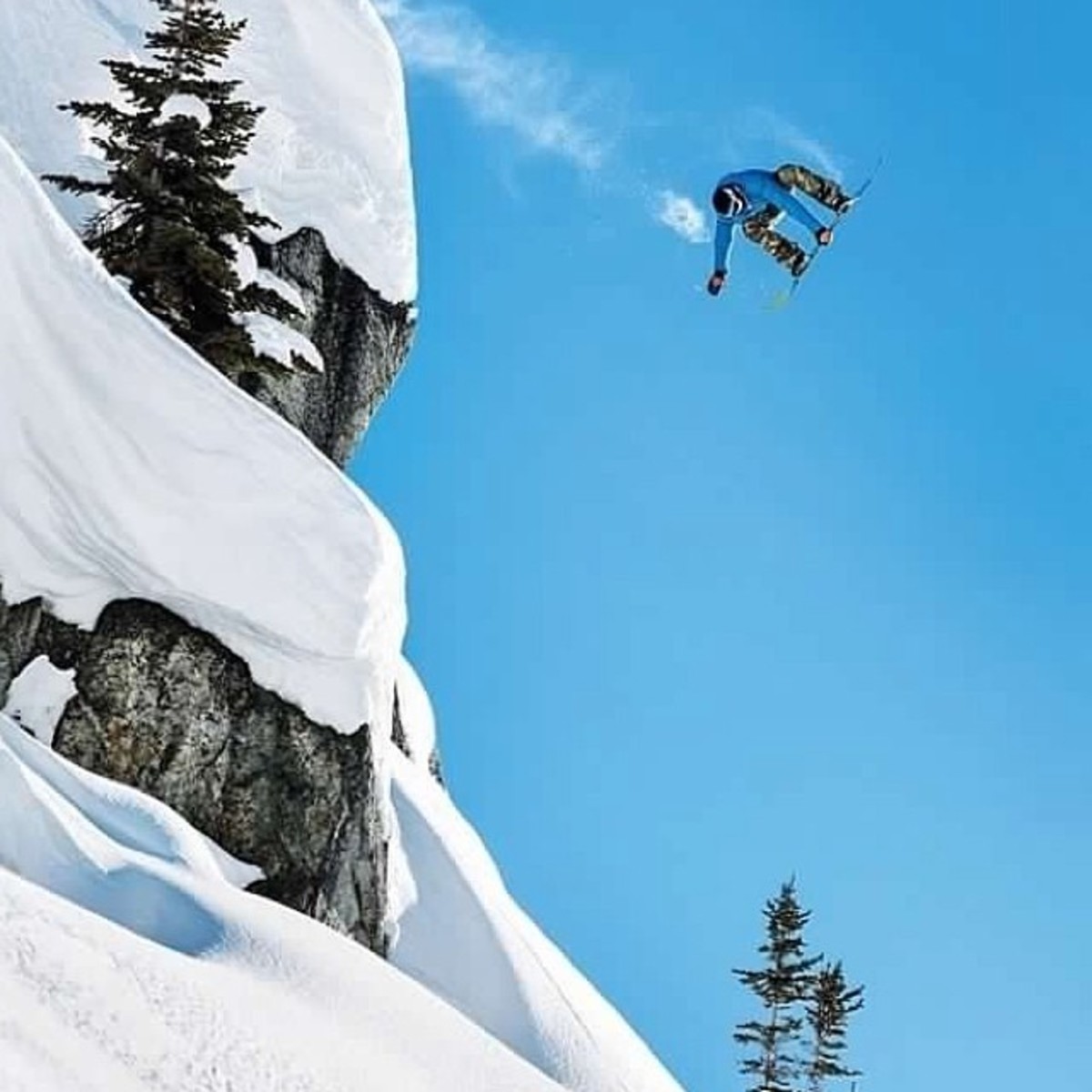
- Freeride and Backcountry: Focuses on natural terrain, cliff drops, and technical line selection. This path often prioritizes filming over traditional "bib-and-judges" competitions.
Technical proficiency is now measured by the ability to execute "quad" rotations or highly technical rail combinations with perfect style. Style—the aesthetic way a trick is performed—is the intangible currency of snowboarding. A pro who performs a simple trick with immense style is often more valuable to a brand than an athlete who performs a complex trick poorly.
The Amateur Competitive Pipeline: USASA to FIS
The most structured path to a professional career involves the competitive circuit. In the United States, this begins with the United States of America Snowboard and Freeski Association (USASA). USASA hosts regional events across the country, allowing riders to earn points and qualify for National Championships.
Once a rider dominates the amateur level, they transition to the International Ski Federation (FIS) circuit. This is where the stakes increase significantly. Athletes compete in Continental Cups (like the Nor-Am Cup) to earn FIS points. High point totals are the gatekeeper for entry into World Cup events.
The World Cup circuit is the primary proving ground for Olympic hopefuls and is governed by strict eligibility rules. In 2026, the points requirements for World Cup entry remain high, necessitating consistent top-10 finishes at the Continental level. Success here leads to the World Snowboard Tour (WST) rankings, which major sponsors use to scout the next generation of talent.
The Content-Driven Path: Video Parts and Social Media
Not every professional snowboarder wears a competition bib. A significant segment of the industry, often referred to as "film pros," builds their careers through media production. This path involves spending winters traveling to specific locations—often urban environments for "street" snowboarding or remote mountain ranges for backcountry filming—to produce a "video part."
A video part is a 3-to-5-minute distillation of an athlete's best work over a season. In 2026, the distribution of this content has shifted. While full-length films from production houses like Absinthe Films or Torment remain prestigious, short-form digital content on platforms like Instagram and YouTube is essential for maintaining daily brand visibility.
To succeed on this path, an athlete must be their own media manager. This includes:
- Networking with Filmer/Editors: Professional-grade cinematography is non-negotiable.
- Spot Selection: Finding unique urban rails or undiscovered backcountry zones.
- Narrative Building: Showing a personality that resonates with the snowboarding subculture, not just the mainstream.
Understanding the Sponsorship Tier System
Sponsorship is the engine that funds a professional career. It is rarely a single "big check" but rather a hierarchy of support that grows as the athlete's influence increases. Understanding these tiers is vital for career planning.
| Sponsorship Tier | Support Provided | Expectations of the Athlete |
|---|---|---|
| Shop Flow | Discounted or free gear from a local board shop. | Representing the shop at local mountains; helping with shop events. |
| Regional Flow | Free gear from a brand’s regional rep (e.g., Burton or Salomon). | Competing in regional events; tagging the brand in social media. |
| National Amateur | Travel budget, gear, and occasional performance bonuses. | High-level amateur results; consistent content creation. |
| Pro Global Team | Salary, full travel expenses, custom gear, and signature products. | Podium finishes at elite events (X Games) or headline video parts. |
| Non-Endemic | Large cash retainers from brands outside the industry (e.g., Red Bull, Monster, Toyota). | Extensive media appearances; acting as a high-level brand ambassador. |
The Financial Realities of Professional Snowboarding
The financial landscape for a pro snowboarder in 2026 is polarized. At the top end, elite athletes can earn seven-figure incomes through a combination of contest winnings and non-endemic sponsorships. However, the majority of professional riders live on "subsistence" salaries, often between $20,000 and $60,000 annually, supplemented by travel stipends.
Costs remain a significant barrier. A season of competitive travel can easily exceed $30,000 when factoring in lift passes, airfare, coaching fees, and specialized gear. Most pros in the early stages of their careers rely on part-time work during the "off-season" or family support until their sponsorship salary covers their overhead.
Industry Networking and Personal Branding
In a niche industry, "who you know" is as important as "how you ride." Professional snowboarding is a small community. Building relationships with Team Managers (TMs), photographers, and event organizers is essential. TMs are the gatekeepers; they decide who gets a spot on the team and how the budget is allocated.
Developing a personal brand involves more than just posting photos. It requires a clear "identity." Are you the technical wizard, the fearless backcountry explorer, or the stylish street rider? Brands look for athletes who fill a specific gap in their marketing roster. If a brand already has three slopestyle riders, they are more likely to sign a unique backcountry specialist than a fourth slopestyle athlete, regardless of skill level.
Risk Management and Longevity
The physical toll of professional snowboarding is immense. Impact injuries, concussions, and ligament tears are common. A professional path must include a robust approach to physical therapy and "pre-hab."
Longevity in the sport is also tied to versatility. As athletes age out of the high-impact world of Slopestyle, many transition into Freeride or coaching. In 2026, we see more pros pursuing "hybrid" careers—engaging in high-level competition while also learning film editing, photography, or brand management to ensure a career within the industry after their peak riding years have passed.
Frequently Asked Questions
How old is too old to start a professional snowboarding career?Most professional athletes start riding by age 5 and enter the competitive pipeline by 10 or 12. While it is possible to turn pro in your early 20s, especially in the freeride or street disciplines, the physical demands and the "progression gap" make it extremely difficult to enter the elite contest circuit later in life.
Do I need a coach to become a professional?At the elite level, a coach is almost mandatory. Modern slopestyle and pipe tricks are so complex that they require "air awareness" training on trampolines and into foam pits or airbags before being attempted on snow. Specialized academies, such as those in Colorado or Vermont, provide the structured environment necessary for this level of progression.
What is a "Sponsor Me" tape?A "Sponsor Me" tape is a short video highlight reel sent to team managers. In 2026, this has largely been replaced by a curated Instagram profile or a link to a high-quality Vimeo/YouTube edit. It should showcase versatility, style, and your highest-level tricks, usually within a 2-minute window to respect the manager's time.
How do I get noticed if I don't live near a major mountain?Living in a "hub" (like Summit County, CO; Salt Lake City, UT; or Whistler, BC) is a major advantage for networking. However, riders from smaller regions can get noticed by dominating local circuits and producing exceptional video content. Success at the USASA Nationals is the most common way for "out-of-region" riders to get onto the radar of national scouts.
What is the difference between a "Flow" rider and a "Pro" rider?A "Flow" rider receives free equipment but typically no salary. They are on a trial period where the brand evaluates their reliability and potential. A "Pro" rider has a signed contract that includes a salary, performance incentives (bonuses for podiums or magazine covers), and often a say in product development.
Practical Recommendation for Aspiring Pros
If you are serious about a professional career in 2026, your first step should be to document everything. Hire a filmer to capture your best park laps and street clips. While you work on your technical skills, build a "media kit" that includes your competitive results and a high-quality video reel. Simultaneously, join your local USASA series to begin building the point profile necessary for higher-level FIS entry. Professionalism starts before the first paycheck; treat your training, social media presence, and industry networking with the same discipline as a full-time job.
Image Gallery