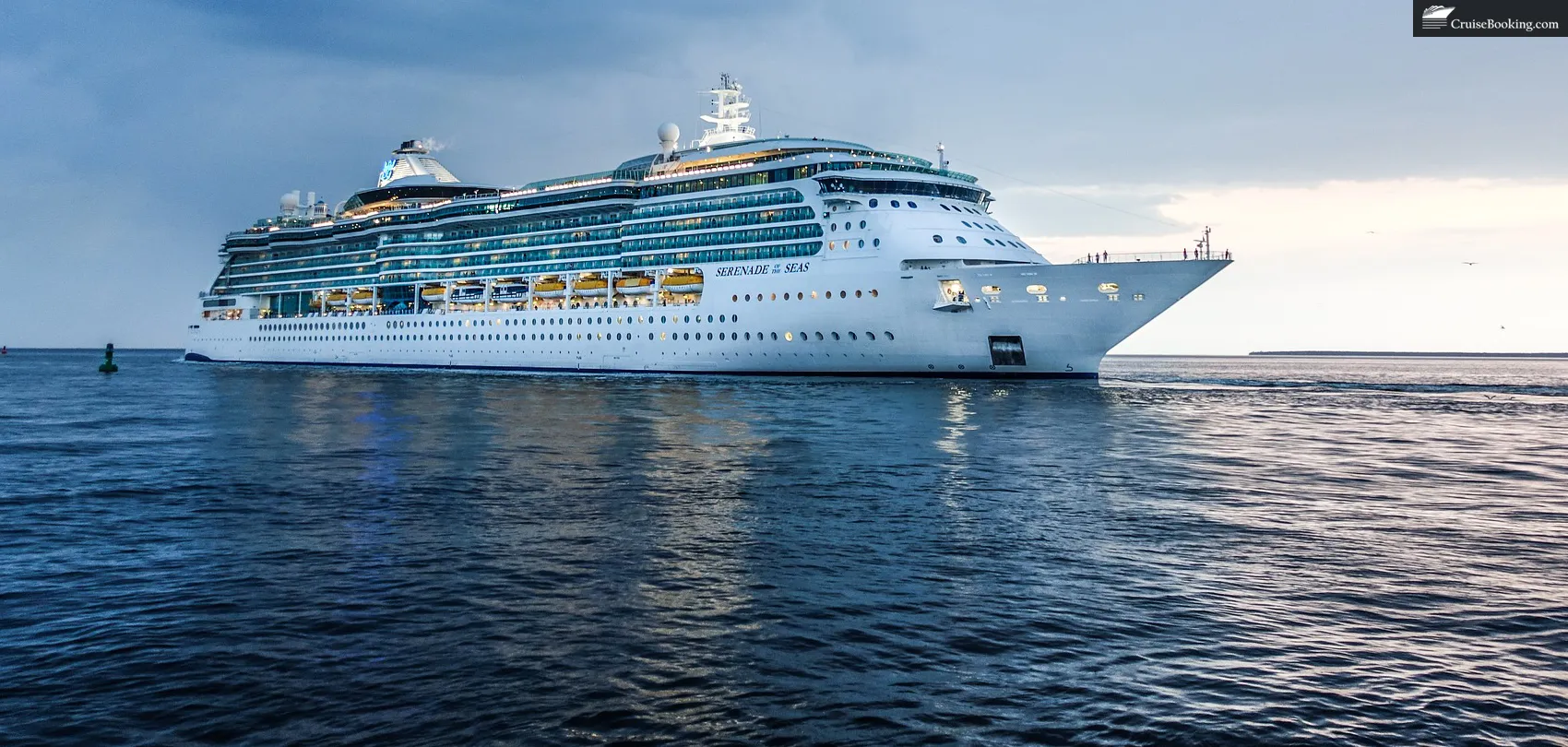
The Complete Guide to Repositioning Cruises from Europe to the USA in 2026
You can absolutely take repositioning cruises from Europe to the USA, primarily during the autumn months of September, October, and November. These unique one-way voyages occur as cruise lines move their fleets from Mediterranean and N...
You can absolutely take repositioning cruises from Europe to the USA, primarily during the autumn months of September, October, and November. These unique one-way voyages occur as cruise lines move their fleets from Mediterranean and Northern European summer circuits to winter deployments in the Caribbean, Bahamas, and South America.
Contents
Repositioning cruises represent one of the best values in the travel industry, offering significantly lower per-day rates than standard itineraries. However, because they involve crossing the Atlantic Ocean (transatlantic), they require a specific mindset, a longer time commitment, and an understanding of the logistical nuances involved in one-way international travel. As we look at the 2026 sailing season, these voyages continue to be a favorite for retirees, remote workers, and "slow travelers" who prefer the rhythm of the sea over a ten-hour flight.
Understanding the Seasonal Migration: Why These Cruises Exist
Cruise lines operate on a seasonal logic dictated by weather and demand. During the Northern Hemisphere summer, the majority of the global fleet is stationed in Europe to service the Mediterranean and Baltic markets. As temperatures drop in late September, these massive vessels must relocate to warmer waters.
While the cruise lines could move these ships empty, they instead sell tickets at a discount to offset fuel costs. A westbound repositioning cruise—traveling from Europe to the USA—is the specific leg of this migration that happens in the fall. The reverse (USA to Europe) occurs in the spring, typically between March and May.
The 2026 season sees an increase in the number of "hybrid" repositioning itineraries. Rather than a straight shot across the Atlantic, many lines now include ports of call in the Canary Islands, the Azores, or even Iceland and Greenland, depending on the ship's final destination in the United States.
Primary Departure Ports and Arrival Hubs
When planning a westbound crossing in 2026, your starting point will generally be one of Europe's major maritime hubs. The specific departure port often depends on where the ship spent its summer season.
Common European Departure Points
- Barcelona, Spain: The most frequent starting point for Mediterranean-based ships. Barcelona offers excellent airlift and a world-class cruise terminal.
- Southampton, England: The traditional home of transatlantic travel. Voyages from here often take a more northerly route or stop in the Azores.
- Civitavecchia (Rome), Italy: Ships finishing their Italian and Greek Isle circuits often begin their long journey west from here.
- Lisbon, Portugal: Increasingly popular as a "last stop" in Europe before the long stretch of sea days begins.
Major U.S. Arrival Hubs
- Miami and Fort Lauderdale (Port Everglades), Florida: The "Cruise Capitals of the World" receive the lion's share of repositioning ships, as these vessels prepare for Caribbean winter seasons.
- New York City, New York: Common for ships relocating to the Northeast or those performing traditional North Atlantic crossings.
- Port Canaveral, Florida: A major hub for Disney Cruise Line and many Royal Caribbean vessels.
- Galveston, Texas: A growing destination for ships servicing the Western Caribbean market.
The Onboard Experience: Sea Days and Enrichment
A standard repositioning cruise from Europe to the USA typically lasts between 12 and 16 nights. Of those, you can expect 6 to 8 consecutive "sea days" as the vessel crosses the Atlantic. This is the defining characteristic of a repositioning voyage.
In 2026, cruise lines have leaned heavily into enrichment programming to keep guests engaged during these long stretches at sea. Because there are no ports to visit for several days, the ship becomes the destination. You will find:
- Lecturer Series: Experts in oceanography, history, astronomy, and politics often provide daily seminars.
- Skill Building: Extended workshops in photography, culinary arts, or bridge.
- Wellness Focus: Many passengers use the sea days for intensive fitness or spa retreats, taking advantage of the ship's facilities without the distraction of shore excursions.
One significant benefit of the westbound crossing (Europe to USA) is the "25-hour day." Because the ship is traveling west across time zones, you will frequently gain an hour of sleep at night. This makes the westbound trip significantly more relaxing than the eastbound trip, where you lose an hour nearly every day.
Cost Analysis and Value Proposition
The primary draw of repositioning cruises is the price. On a per-night basis, these are often the cheapest cruises available. In 2026, it is not uncommon to find interior cabins for as low as $50–$70 per person, per night, including meals and basic entertainment.
| Feature | Standard Mediterranean Cruise | Westbound Repositioning Cruise |
|---|---|---|
| Duration | 7–10 Nights | 12–16 Nights |
| Ports of Call | 5–8 | 2–4 |
| Average Cost per Night | $150–$300 | $50–$110 |
| Atmosphere | Hectic, sight-seeing focused | Relaxed, social, and quiet |
| Flight Requirements | Round-trip | Two one-way tickets |
However, travelers must factor in the cost of one-way international airfare, which can be expensive. To maximize value, experienced cruisers often use frequent flyer miles for the one-way leg or book their airfare through the cruise line's own booking portal (such as Air2Sea or ChoiceAir), which sometimes offers specialized one-way rates for repositioning passengers.
Documentation, Visas, and Legal Requirements
Taking a ship from Europe to the USA involves stringent immigration checks. Even though you are arriving by sea, the entry requirements are essentially the same as arriving by air.
- ESTA or Visa: If you are not a U.S. citizen, you will likely need an Electronic System for Travel Authorization (ESTA) or a B1/B2 visitor visa. The cruise line will check these documents before you are allowed to board in Europe. You can check eligibility on the official U.S. Customs and Border Protection (CBP) website.
- Passport Validity: Ensure your passport is valid for at least six months beyond your arrival date in the USA.
- One-Way Ticket Scrutiny: Immigration officers may ask for proof of your onward travel or your residence in your home country, as a one-way arrival can sometimes trigger additional questioning regarding your intent to stay.
- Health Regulations: While most pandemic-era restrictions have been lifted by 2026, individual cruise lines and the Centers for Disease Control and Prevention (CDC) still maintain protocols for reporting illness at sea.
Practical Logistics: Packing and Connectivity
Packing for a repositioning cruise is more complex than a standard tropical vacation. You are traveling across a vast distance and multiple climate zones.
- Layering is Key: You may start in a chilly London or a mild Barcelona, experience a few days of temperate weather in the Atlantic, and arrive in the sweltering humidity of Florida.
- The Atlantic Environment: Even in the fall, the North Atlantic can be unpredictable. Modern cruise ships use sophisticated stabilizers, but guests should pack motion sickness remedies if they are sensitive to sea movement.
- Internet at Sea: In 2026, most major lines (Royal Caribbean, Celebrity, Norwegian) have fully integrated Starlink or similar LEO (Low Earth Orbit) satellite internet. While much faster than older systems, it remains expensive. If you plan to work remotely during the 6-day crossing, factor the "Premium Wi-Fi" package into your budget.
Booking Strategies for 2026
Booking a repositioning cruise requires different timing than a standard sailing. Because these are "one-off" itineraries that only happen once a year, they tend to sell out to a loyal following of repeat cruisers.
- Early Booking (12–18 months out): This is the best way to secure specific cabin categories, especially balconies or suites, which are highly coveted for long stretches at sea.
- Last-Minute (60–90 days out): Because these ships are massive and the "one-way" nature is a deterrent for some, cruise lines often drop prices significantly after the final payment date to fill remaining berths.
- Specialty Agencies: Use travel agents who specialize in "Transatlantic" or "Repositioning" cruises. They often have access to blocked-off cabins or "repro" specific perks like onboard credit.
Frequently Asked Questions
Are repositioning cruises boring because of all the sea days?
Whether these cruises are boring depends entirely on your personality. If you require a new city and a new activity every 12 hours, a repositioning cruise may feel long. However, for those who enjoy reading, socializing, spa treatments, and educational seminars, the sea days are the highlight. The atmosphere is generally more "adult" and communal than a standard week-long cruise.
Is the sea rough during a Europe to USA crossing?
The Atlantic can be unpredictable. Generally, the more southerly routes (Barcelona to Florida) are smoother than the northerly routes (Southampton to New York). By 2026, most modern vessels are equipped with high-tech stabilizers that significantly reduce rolling, but you should still expect more movement than you would feel in the Mediterranean or Caribbean.
Do I need a special visa to stop in places like the Azores or Canary Islands?
For most Western travelers (US, UK, EU, Canada), stops in the Azores (Portugal) or Canary Islands (Spain) fall under the Schengen Area rules or standard tourist visa-free entry. Your cruise line will typically handle the manifest and group clearance, but you should always verify based on your specific nationality before departure.
Can I work remotely on a repositioning cruise?
Yes, provided you purchase a high-speed internet package. In 2026, satellite internet is stable enough for video calls and cloud-based work. However, remember that you will be crossing multiple time zones. If your work requires "live" presence during specific hours, your schedule will shift by one hour nearly every other day during the crossing.
Is food and entertainment included just like a regular cruise?
Yes. Despite the lower ticket price, the service level remains the same. All your standard meals in the main dining room and buffet, as well as theater shows, live music, and use of the pools/gym, are included in the fare. Specialty dining and alcoholic beverages usually remain at an additional cost.
Final Recommendation
If you have the time and a desire for a slower pace of travel, booking a westbound repositioning cruise from Europe to the USA in 2026 is an excellent choice. To get the most out of the experience, choose a ship with a high "space-to-guest" ratio and a robust enrichment program. Start by monitoring the September and October itineraries for major lines like Celebrity Cruises, Royal Caribbean, and MSC Cruises, and ensure your travel documents are updated well in advance of the fall migration.
Image Gallery