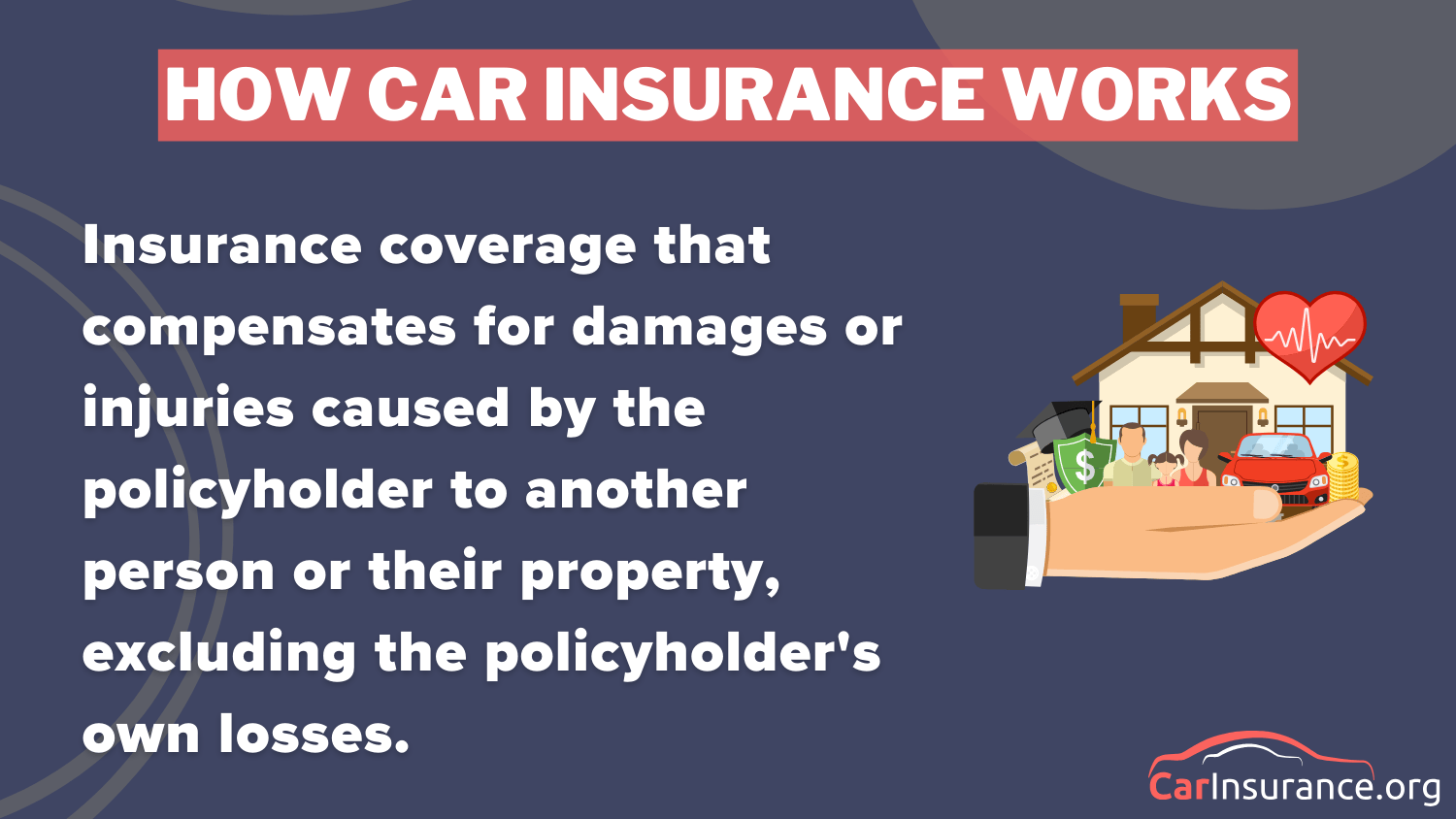
Understanding How Auto Insurance Works in Muhlenberg County, KY
Auto insurance in Muhlenberg County, Kentucky, functions through a combination of state-mandated minimum liability requirements and voluntary coverage options designed to protect drivers from financial liability following accidents. Be...
Auto insurance in Muhlenberg County, Kentucky, functions through a combination of state-mandated minimum liability requirements and voluntary coverage options designed to protect drivers from financial liability following accidents. Because Kentucky is a "choice no-fault" state, residents must navigate specific legal structures that dictate how medical expenses and property damage claims are handled after an automobile collision.
Contents
The Foundation of Kentucky Auto Insurance
To operate a vehicle legally on the roads of Muhlenberg County, every owner must carry a policy that meets the state's minimum financial responsibility laws. Unlike states with rigid "no-fault" systems, Kentucky allows residents to choose their insurance path, which significantly impacts how claims are processed if an accident occurs.
Choice No-Fault Explained
Kentucky operates under a "choice no-fault" system. When you purchase an auto policy, you are typically opted into the "no-fault" system unless you file a specific rejection form with the Kentucky Department of Insurance. Under the no-fault system, your own insurance provider pays for your medical bills and lost wages (up to your policy’s limits) regardless of who caused the accident. This is known as Personal Injury Protection (PIP) coverage.
If you opt out of the no-fault system, you retain the right to sue an at-fault driver for damages more easily, but you may also be held liable for damages you cause to others without the protections the no-fault system provides. It is essential for Muhlenberg County residents to understand their selection, as it dictates your rights during the claims process.
Mandated Coverage Requirements in Kentucky
Regardless of your choice regarding no-fault status, Kentucky law mandates specific minimum liability coverage to maintain registration for your vehicle. These minimums are designed to protect other motorists on the road from the financial impact of your potential negligence.
The mandatory minimum limits in Kentucky are as follows:
- Bodily Injury Liability: $25,000 per person and $50,000 per accident.
- Property Damage Liability: $25,000 per accident.
- Basic Reparation Benefits (PIP): $10,000 per person.
While these figures satisfy the legal requirement for driving in Muhlenberg County, they often fall short of covering the total costs associated with a serious accident. If you cause an accident resulting in damages exceeding these limits, you remain personally liable for the remaining balance. Therefore, many financial advisors and insurance agents in Western Kentucky recommend carrying higher liability limits—often referred to as "full coverage"—to safeguard personal assets.
Factors Influencing Auto Insurance Rates in Muhlenberg County
Insurance premiums are not standardized; they are actuarial calculations based on risk. While Kentucky as a whole has its own state-wide risk profile, Muhlenberg County residents encounter specific variables that influence their premiums.
- Vehicle Profile: The make, model, age, and safety rating of your vehicle are primary factors. Vehicles with expensive parts or high theft rates typically carry higher premiums for comprehensive and collision coverage.
- Driving History: Your record of accidents, speeding tickets, and moving violations over the previous three to five years is a significant indicator of future risk to an insurer.
- Credit-Based Insurance Scores: Many insurance carriers use credit history as a predictive tool to determine the likelihood of a policyholder filing a claim.
- Annual Mileage and Usage: How far you drive to work and how you use your vehicle (e.g., personal use versus business use) will alter your risk profile.
- Deductible Selections: Choosing a higher deductible—the amount you pay out-of-pocket before insurance kicks in—can significantly lower your monthly premium, though it increases your financial responsibility during a claim.
Understanding Coverage Types
To build a comprehensive safety net, you must understand the different components of an auto insurance policy beyond the state-mandated minimums.
| Coverage Type | Purpose | Requirement |
|---|---|---|
| Liability | Pays for injuries/damage you cause to others. | Mandatory |
| PIP | Pays your medical expenses/lost wages regardless of fault. | Mandatory |
| Collision | Pays for repairs to your vehicle after a crash. | Optional (unless financed) |
| Comprehensive | Covers theft, vandalism, fire, or animal collisions. | Optional (unless financed) |
| Uninsured Motorist | Covers your costs if hit by a driver without insurance. | Optional (highly recommended) |
The Role of Financial Institutions
If you financed your vehicle through a bank or credit union, you are likely required by your loan contract to carry both Collision and Comprehensive coverage. Lenders require these additions because the vehicle serves as collateral for the loan. If the car is totaled or stolen and you lack these coverages, the lender faces a total loss of their security. In Muhlenberg County, lenders will monitor your insurance status and may force-place insurance at a significantly higher cost if you allow your own policy to lapse.
What to Do After an Accident
If you are involved in an accident within Muhlenberg County, the steps you take immediately following the incident will affect your insurance claim.
- Safety and Medical Attention: Ensure everyone involved is safe. If injuries exist, contact emergency services immediately.
- Police Reporting: In Kentucky, accidents resulting in injury, death, or property damage exceeding a certain threshold must be reported to the police. Always call 911 to request a law enforcement officer to the scene to file a formal report. This document is crucial for the claims process.
- Documentation: Collect the insurance information, contact details, and driver’s license information of all parties involved. Take photographs of vehicle damage, the scene, and any relevant road signs or conditions.
- Claim Notification: Contact your insurance provider as soon as possible. Most policies have a clause requiring prompt notification of any loss. Do not admit fault at the scene, as this determination is the responsibility of the insurance adjusters and legal authorities.
Frequently Asked Questions
Is my insurance rate based on Muhlenberg County or the state of Kentucky? Your rates are based on a blend of both. Insurance companies look at state-wide data regarding accident frequency and medical costs, but they also utilize local data points such as traffic density in Muhlenberg County, local weather patterns, and regional repair costs.
Can I waive the "no-fault" (PIP) coverage? In Kentucky, you can reject the no-fault provision by filing a specific form with the Department of Insurance. However, doing so removes your eligibility for Basic Reparation Benefits, meaning your insurance will not cover your medical bills unless you prove the other driver was at fault.
Does my insurance cover me if I drive outside of Kentucky? Yes. Your auto insurance policy is portable. It will provide the necessary coverage limits required by the state you are currently driving in. If your Kentucky policy limits are higher than the minimums of the state you are visiting, your higher limits will apply.
What happens if I hit a deer in Muhlenberg County? Collisions with animals are typically covered under the "Comprehensive" portion of your policy. Unlike an accident with another driver, this is usually classified as a non-collision event, which often results in different premium impacts than a standard at-fault accident.
Do I need rental reimbursement coverage? If you rely on your vehicle for your daily commute in rural Muhlenberg County where public transit may be unavailable, rental reimbursement coverage is highly recommended. It pays for a rental car while yours is in the shop for repairs covered by a claim.
Practical Next Steps
If you are currently reviewing your insurance coverage, start by requesting a "Declarations Page" from your current provider. This document outlines your exact limits and coverages. Compare these figures against the Kentucky minimums listed in this article. If your assets include a home, savings, or future earnings, consider increasing your bodily injury liability limits well beyond the $25,000/$50,000 floor to protect yourself from litigation. Finally, review your policy annually to ensure that your driving record and vehicle usage information remain accurate, as providing updated information can sometimes lead to lower premiums.
Image Gallery