The Appearance and Career Legacy of Bunny Levine: A 2026 Retrospective
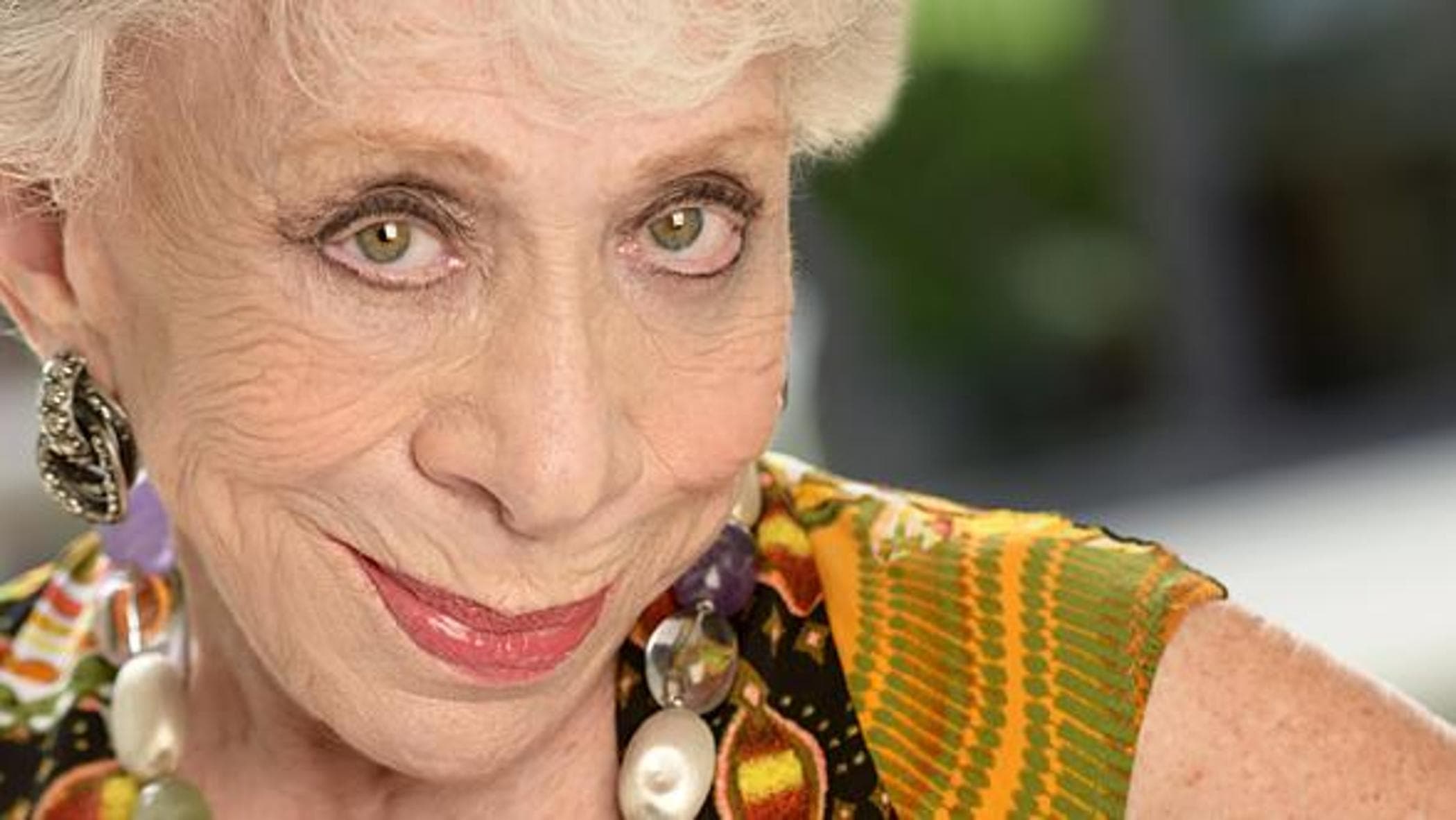
Bunny Levine’s facial appearance is a reflection of natural, chronological aging in a career that extended well into her late nineties. There is no evidence of trauma, failed cosmetic procedures, or specific medical "accidents." Her di...
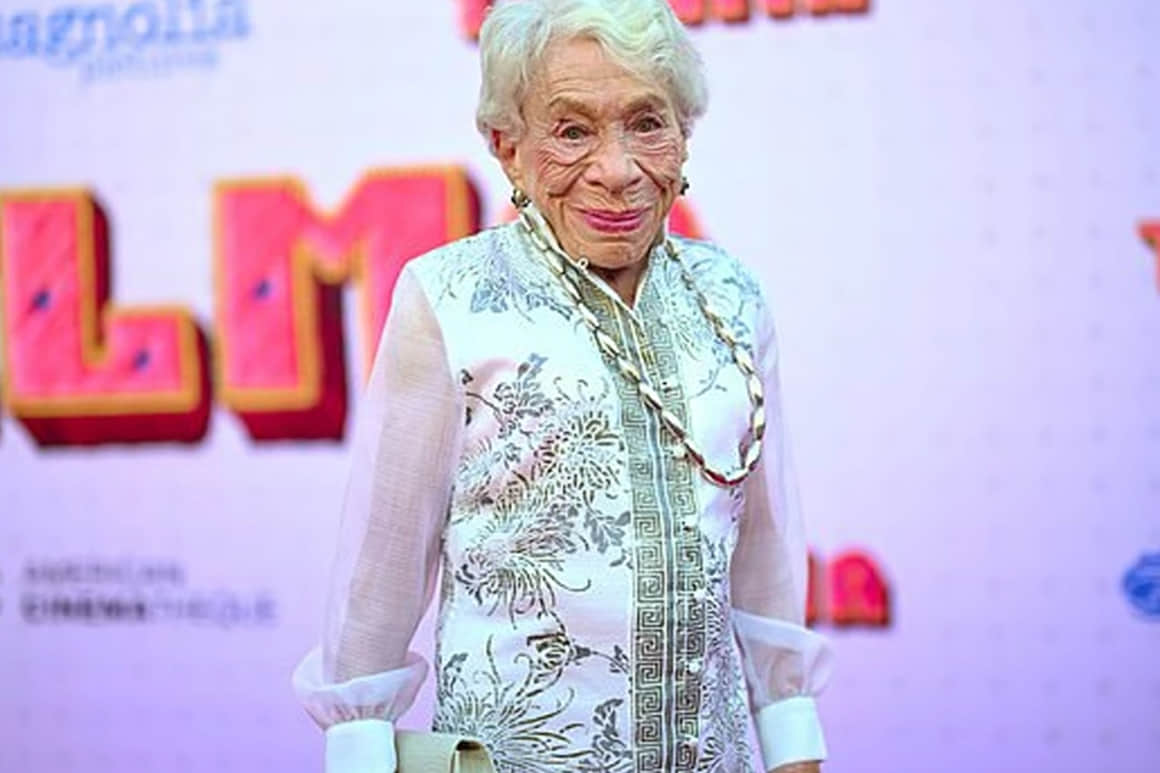
Bunny Levine’s facial appearance is a reflection of natural, chronological aging in a career that extended well into her late nineties. There is no evidence of trauma, failed cosmetic procedures, or specific medical "accidents." Her distinct look, particularly in The Marvelous Mrs. Maisel, was the result of authentic aging paired with the specific character styling of Zelda, the Weissman family’s loyal but formidable housekeeper.
Contents
Bunny Levine became a household name relatively late in her life, capturing the hearts of global audiences through her portrayal of Zelda. As viewers watched her on high-definition screens between 2017 and 2023, questions regarding "what happened to her face" frequently surfaced. These inquiries typically stem from a modern lack of exposure to natural centenarian aging in the entertainment industry, where cosmetic intervention is the standard. This analysis explores the intersection of her career, the biological realities of aging in the spotlight, and the cultural impact of her presence on screen.
The Zelda Effect: Character Styling in The Marvelous Mrs. Maisel
In the context of The Marvelous Mrs. Maisel, the production design was meticulous. Set in the late 1950s and early 1960s, the show utilized specific lighting and makeup palettes to evoke a mid-century aesthetic. Bunny Levine, who was born in 1923, was in her mid-to-late 90s during the height of the show’s production.
The "look" that many viewers questioned was simply the reality of a working actress in her tenth decade of life. The show’s makeup department, led by industry veterans, did not seek to hide Levine's age; rather, they embraced it to ground the Weissman household in a sense of history and stability.
Technical Insight: On-Screen Aging Factors
Subcutaneous Fat Loss As individuals enter their 90s, the malar fat pads and temporal fat deposits significantly diminish. This leads to the "hollowed" or skeletal look often noted by viewers unfamiliar with the physiology of the extremely elderly.
Dermal Thinning and Transparency The skin becomes "paper-thin" due to a loss of collagen and elastin. On high-definition (4K and 8K) cameras used in 2026, this transparency reveals underlying vascular structures and bone contours that are usually obscured in younger actors.
Gravitational Ptosis Significant sagging of the jowls and eyelids is a standard biological milestone of the late-stage geriatric window, often accentuated by the harsh, high-contrast lighting used in period dramas to mimic 1950s cinematography.
Analyzing the Rumors: Fact vs. Fiction
In the age of digital speculation, several theories emerged regarding Bunny Levine’s health. It is critical to separate verified biographical data from internet conjecture.
- The "Botched Surgery" Myth: There is zero record of Bunny Levine undergoing elective cosmetic surgery in her later years. The irregularities some viewers perceived were not surgical scars but rather "solar elastosis" (chronic sun exposure) and "seborrheic keratosis," which are benign skin growths common in the elderly.
- The "Prosthetics" Theory: While many shows use "old-age makeup" for younger actors, Levine did not require it. Her appearance was authentic. Any slight exaggeration of her features was likely due to the heavy "pancake" makeup styles popular in the 1950s, which the show accurately replicated.
- The Stroke/Health Speculation: Some fans pointed to facial asymmetry as evidence of a neurological event. However, minor facial asymmetry is a common result of dental changes (such as bone resorption in the jaw) and muscle atrophy in centenarians, not necessarily a medical emergency.
Comparative Aging: Natural Process vs. Hollywood Standards
To understand why Bunny Levine’s face became a topic of discussion, one must look at the "Hollywood Baseline" for aging. Most actors in their 70s and 80s utilize various interventions to maintain a "youthful" contour. Levine represented a rare instance of a woman aging entirely naturally in front of millions.
| Feature | Natural Aging (Levine) | Cosmetic Intervention Standard | Impact on Audience Perception |
|---|---|---|---|
| Jawline | Soft, with significant jowl descent | Defined via fillers or rhytidectomy | Levine’s look provided "grandmotherly" authenticity. |
| Skin Texture | Pronounced fine lines and deep furrows | Smooth, often via laser or Botox | The contrast made Levine stand out against "ageless" co-stars. |
| Eye Area | Heavy hooding and orbital hollowing | Blepharoplasty or brow lifts | Her expressive eyes remained the focal point of her comedy. |
| Facial Volume | Natural depletion of fat pads | Volumizing fillers (Hyaluronic Acid) | Her appearance was seen as "striking" or "unusual" to modern eyes. |
The Biological Reality of the Centenarian Face
As of 2026, the medical community continues to study the "Super-Ager" phenotype. Bunny Levine fell into this category—individuals who maintain high cognitive and physical function into their late 90s. The changes in her facial structure are part of a well-documented process in geriatric dermatology.
- Bone Resorption: The mandible (lower jaw) and maxilla (upper jaw) lose volume over time. This changes the way the skin sits on the face, often making the mouth area look "sunken."
- Cartilage Expansion: Throughout life, the cartilage in the nose and ears continues to grow slightly or sag due to gravity. This can make the nose appear larger or more prominent in the late 90s compared to middle age.
- Actinic Damage: For actors of Levine’s generation, who worked before the widespread use of high-SPF sunscreens, the skin often shows "weathering" that tells the story of a century of life.
Career Path: Why Her "Look" Was Her Strength
Bunny Levine was a classic New York character actress. Her career was built on her ability to portray specific, recognizable archetypes of the Jewish-American experience. Her face was her most valuable tool.
Starting in theater and moving into television and film (including appearances in 30 Rock and The Gap), she relied on her expressive features to convey dry, understated humor. In The Marvelous Mrs. Maisel, Zelda’s stern expressions and "deadpan" reactions were heightened by the natural folds and lines of her face. Had she undergone cosmetic procedures, she likely would have lost the very gravitas and "lived-in" quality that made the character of Zelda so beloved.
Guidelines for Understanding Aging in Media
When observing an actor of advanced age, it is important for the audience to apply a different set of metrics than they would for a younger performer.
- Assess the Role: Is the actor playing a character where "perfection" is required, or a character where "history" is required?
- Recognize the Lighting: Digital cinematography can be unforgiving to skin texture.
- Value Authenticity: In an era of AI and digital de-aging (common in 2026 cinema), a natural human face over 90 is a historical rarity and an artistic asset.
Frequently Asked Questions
Did Bunny Levine have a stroke that affected her face?
No credible medical reports or statements from her representatives have ever confirmed a stroke. The facial asymmetry or changes in speech patterns noted by some fans are typical of natural muscle atrophy and dental changes associated with being a centenarian.
Was she wearing prosthetics in The Marvelous Mrs. Maisel?
No, Bunny Levine did not wear facial prosthetics for the role of Zelda. The production focused on period-accurate hair and costuming, but her facial features were entirely her own, reflecting her actual age at the time of filming.
Is Bunny Levine still acting in 2026?
Bunny Levine was born in 1923, making her 103 years old in 2026. While she has largely retired from active television production following the conclusion of The Marvelous Mrs. Maisel, her legacy as one of the oldest working actresses in the "streaming era" remains a significant point of pride in the industry.
Why did her face look different in later seasons of Maisel?
The filming of The Marvelous Mrs. Maisel spanned several years (2017–2023). Between the ages of 94 and 100, biological aging can accelerate visibly. Viewers were seeing the natural, year-over-year changes of a woman in her late 90s, which is rarely documented so clearly in high-definition media.
What happened to the actress who played Zelda?
Bunny Levine, the actress who played Zelda, transitioned into a period of well-deserved retirement after her iconic run on the show. She remains a celebrated figure among the cast and a symbol of the "never too late" spirit in Hollywood, having achieved her greatest fame in her 90s.
Professional Recommendation for Viewers and Historians
When researching the appearance of veteran actors like Bunny Levine, it is essential to approach the topic with geriatric literacy. In 2026, as we see more "Super-Agers" in the media, we must normalize the appearance of natural, deep-stage aging. Bunny Levine’s face was not something that "happened" due to a negative event; it was a testament to a century of life, a long career in the New York arts scene, and the beauty of a face that remained expressive and functional into its second century. Her contribution to The Marvelous Mrs. Maisel stands as a masterclass in character acting, proving that authenticity is often more compelling than surgical perfection.
Image Gallery