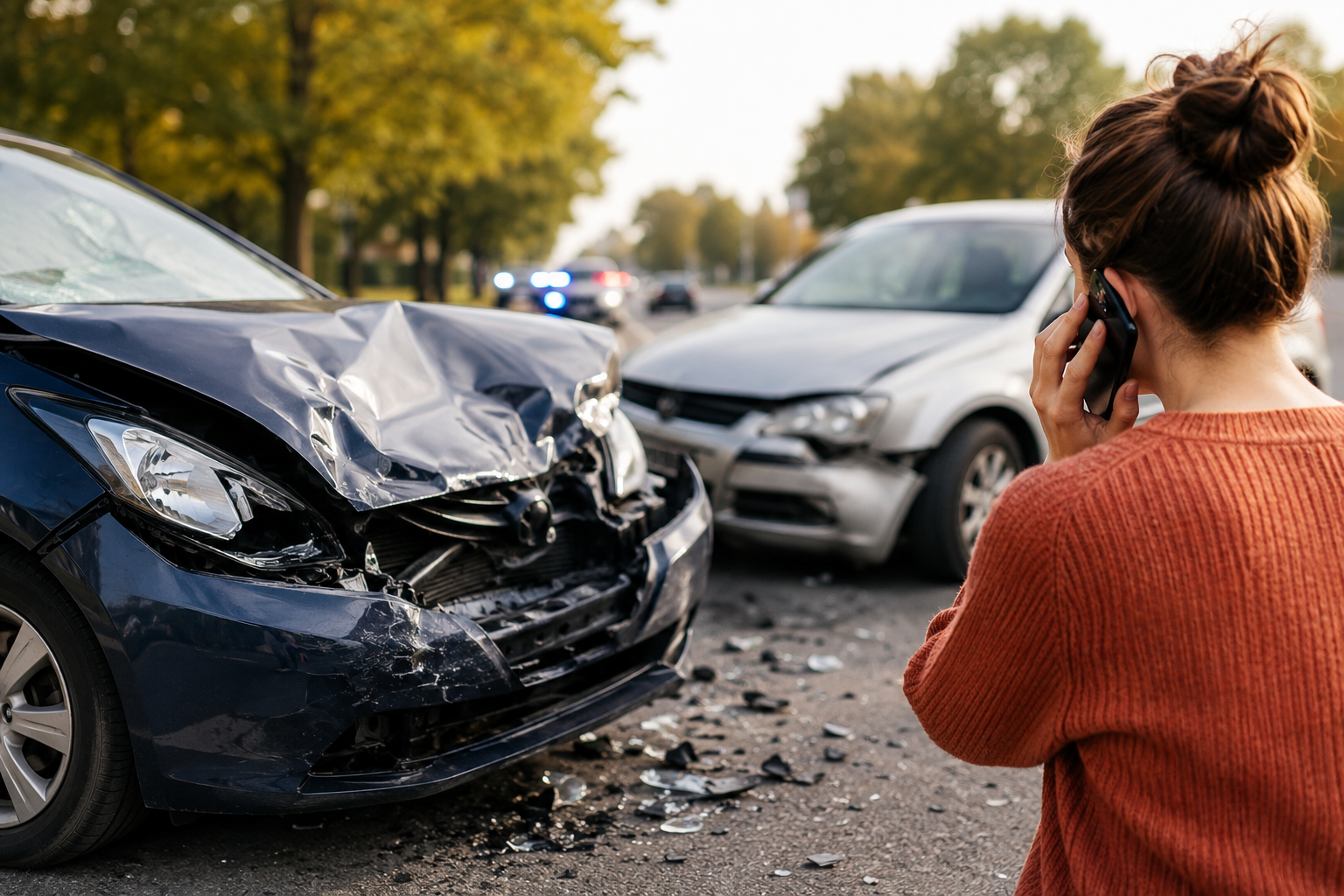
Why You Should Stay After a Crash in Michigan: Understanding Your Legal and Safety Obligations
If you are involved in a motor vehicle accident in Michigan, you are legally and ethically required to remain at the scene. Leaving the scene of an accident—commonly known as a hit-and-run—is a serious criminal offense that can lead to...
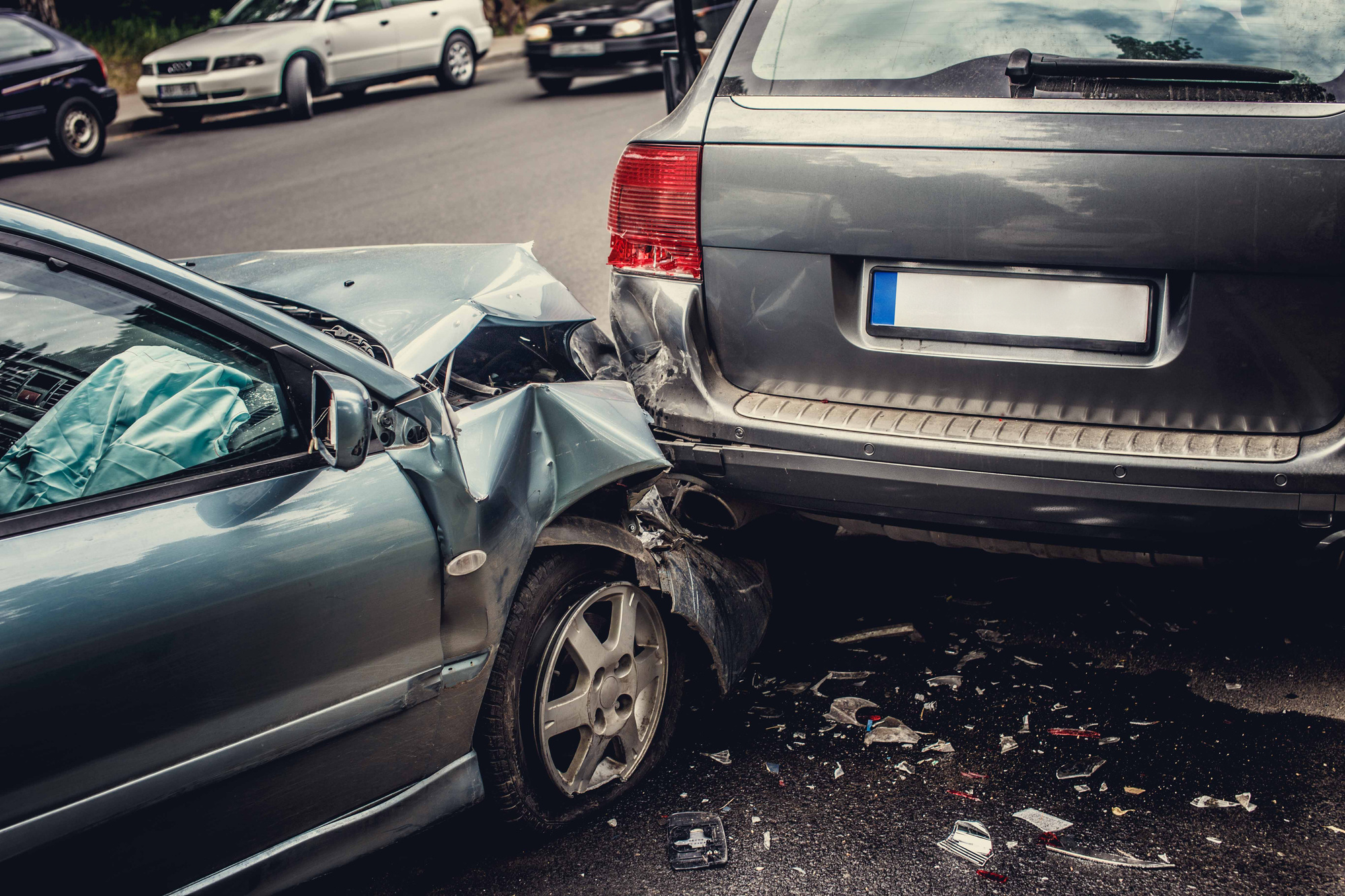
If you are involved in a motor vehicle accident in Michigan, you are legally and ethically required to remain at the scene. Leaving the scene of an accident—commonly known as a hit-and-run—is a serious criminal offense that can lead to felony charges, permanent loss of your driver’s license, and significant civil liability. Beyond the legal consequences, staying ensures that emergency responders can provide medical aid, law enforcement can document the incident, and insurance processes can proceed accurately.
Contents
The Legal Mandate: Michigan Vehicle Code Requirements
Michigan law is uncompromising when it comes to the duties of a driver involved in an accident. Under the Michigan Vehicle Code (MCL 257.617 and MCL 257.618), a driver involved in an accident resulting in injury or death—or even just property damage—must immediately stop their vehicle at the scene.
The statute dictates that you must remain until you have fulfilled specific requirements. These include providing your name, address, and the registration number of the vehicle you are operating. Additionally, if you are a licensed driver, you must exhibit your operator's license to the other driver or to any police officer investigating the scene. If you are involved in an accident with an unattended vehicle or other property, you are required to locate the owner and provide your information or securely attach a written notice to the property.
Failing to comply with these requirements does not just result in a traffic citation; it triggers criminal liability. If an accident involves serious injury or death, leaving the scene can be classified as a felony, punishable by imprisonment for up to five years and substantial fines.
Immediate Priorities: Safety and Documentation
Staying at the scene is not only a legal requirement but a functional necessity for your own protection. When you remain at the crash site, you establish control over your narrative and ensure that your physical condition is assessed by trained professionals.
Assessing Medical Needs
Once you have stopped, your first priority is to check for injuries. Michigan’s "No-Fault" insurance system requires that you have Personal Injury Protection (PIP) coverage. By staying, you ensure that you or any injured parties receive immediate medical attention. Delaying treatment can be used by insurance adjusters later to argue that your injuries were either not caused by the accident or were exacerbated by your own negligence.
Securing Evidence and Documentation
The "truth" of an accident often fades as time passes. By staying at the scene, you have the opportunity to:
- Photograph the Scene: Capture the positions of the vehicles, skid marks, road conditions, and traffic signage.
- Identify Witnesses: Gather contact information from bystanders before they depart.
- Cooperate with Police: A police report is often the most critical piece of evidence in an insurance claim. An officer’s objective record of the crash provides a neutral account that protects you against future claims that deviate from the reality of what occurred.
The Role of Michigan’s No-Fault Insurance System
Michigan operates under a unique "No-Fault" auto insurance framework. In most cases, your own insurance company pays for your medical expenses, regardless of who caused the accident. Because this system is designed to provide immediate coverage for medical needs, leaving the scene complicates your ability to access these benefits.
If you flee, you may be categorized as a "hit-and-run" driver, which can lead your insurance carrier to deny coverage or cancel your policy for violation of the cooperation clause. Most auto insurance policies contain language requiring the insured to cooperate fully with investigations. By leaving, you are effectively breaching your contract, which can leave you personally vulnerable to lawsuits that your insurance would have otherwise covered.
Comparative Consequences of Leaving vs. Staying
| Feature | Consequences of Staying | Consequences of Leaving |
|---|---|---|
| Legal Status | Compliance with state law | Criminal charge (Misdemeanor/Felony) |
| Driver's License | Retained | Possible suspension or revocation |
| Insurance Access | Eligibility for No-Fault benefits | Risk of claim denial/policy cancellation |
| Civil Liability | Protected by insurance defense | Personally vulnerable to litigation |
| Police Record | Accurate, verified reporting | Subjective reporting by others |
Why "Fleeing" Is Never the Solution
Many drivers flee out of panic, fear of insurance premiums rising, or concerns about their license status (such as not having insurance or an expired license). These are short-term reactions that invariably lead to long-term devastation.
In 2026, traffic monitoring technology, including widespread use of dashcams, intersection traffic cameras, and residential doorbell cameras, makes it increasingly difficult to evade identification. If you leave the scene, law enforcement will eventually identify the vehicle owner through registration databases. When the police arrive at your door later, you lose the opportunity to explain the situation in the immediate aftermath, and your flight will be interpreted by prosecutors as "consciousness of guilt," which can be used against you in court.
Managing the Aftermath
Once you have stopped and confirmed that you are safe, follow these steps to protect your interests:
- Move to a Safe Location: If your vehicle is operable and in a hazardous position, move it to the shoulder or a safe area nearby, as required by Michigan law to prevent further accidents.
- Contact Emergency Services: Dial 911 immediately if anyone is injured or if the vehicles are blocking traffic.
- Exchange Information: Provide your name, insurance company, and policy number to the other driver. Do not discuss "fault" or apologize at the scene; keep your interactions professional and focused on the exchange of mandatory information.
- Notify Your Insurer: Report the incident to your insurance provider as soon as possible. Providing a timely report fulfills your obligations under your policy and allows your company to begin the claims process.
Frequently Asked Questions
Does staying at the scene mean I am admitting fault?
No. Providing your information and cooperating with the police is a legal requirement, not an admission of liability. You should avoid making statements like "I'm sorry" or "I didn't see you," as these can be interpreted as admissions of fault. Simply provide the facts and let the authorities and insurance adjusters determine the sequence of events.
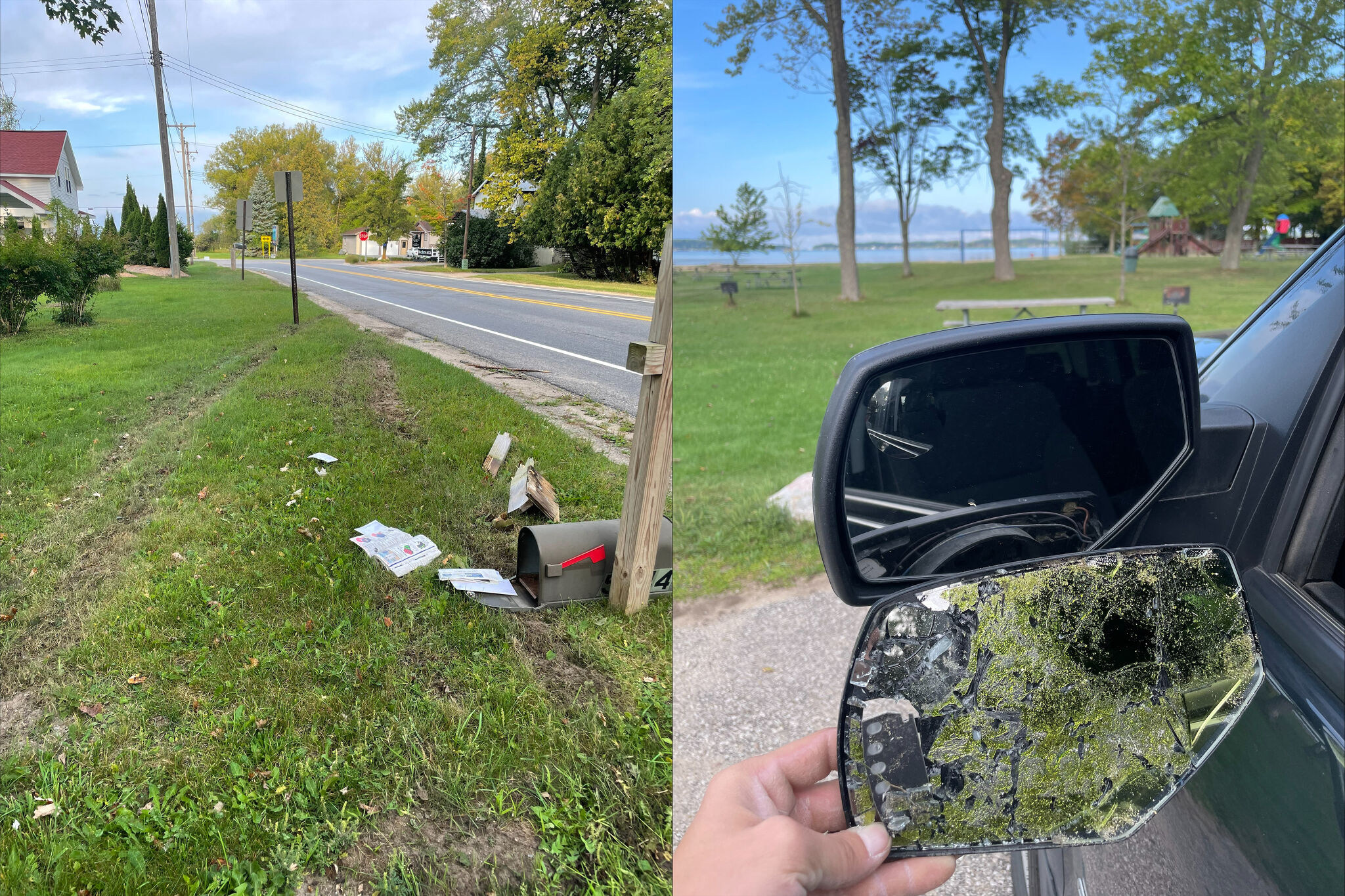
What if I hit an empty parked car?
You are still legally required to stop. You must make a reasonable effort to find the owner. If you cannot find them, you must leave a note in a conspicuous place on the vehicle containing your name, address, and the owner’s name/address, and report the accident to the nearest police authority.
Will my insurance premiums go up just because I was in an accident?
Not necessarily. While insurance rates are influenced by accident history, leaving the scene almost guarantees a massive increase in premiums or total non-renewal by your provider due to the high risk profile associated with hit-and-run behavior.
Can I leave if I feel threatened at the scene?
If you feel that staying at the scene poses a genuine danger to your safety, you should drive to the nearest police station or a well-lit, public location and contact 911 immediately. Explain to the dispatcher exactly why you moved your vehicle.
What should I do if the other driver left the scene?
Do not attempt to chase the other vehicle. This creates a high risk of further accidents. Instead, stay at the scene, document everything you saw (such as the license plate number, make, model, and direction of travel), and report the hit-and-run to the police immediately.
Final Recommendation
Always prioritize your safety and legal standing by remaining at the scene of an accident. If you find yourself in a collision, stop immediately, ensure the scene is as safe as possible, and wait for law enforcement to arrive. Taking these steps is the only way to satisfy your legal obligations under Michigan law, maintain your eligibility for insurance benefits, and protect yourself from the severe criminal and civil consequences associated with fleeing the scene.
Disclaimer: This article provides general information and does not constitute legal or professional advice. Laws regarding traffic accidents are subject to change and specific jurisdictional interpretation. If you have been involved in a serious accident or are facing legal charges, consult with a qualified attorney in Michigan.
Image Gallery