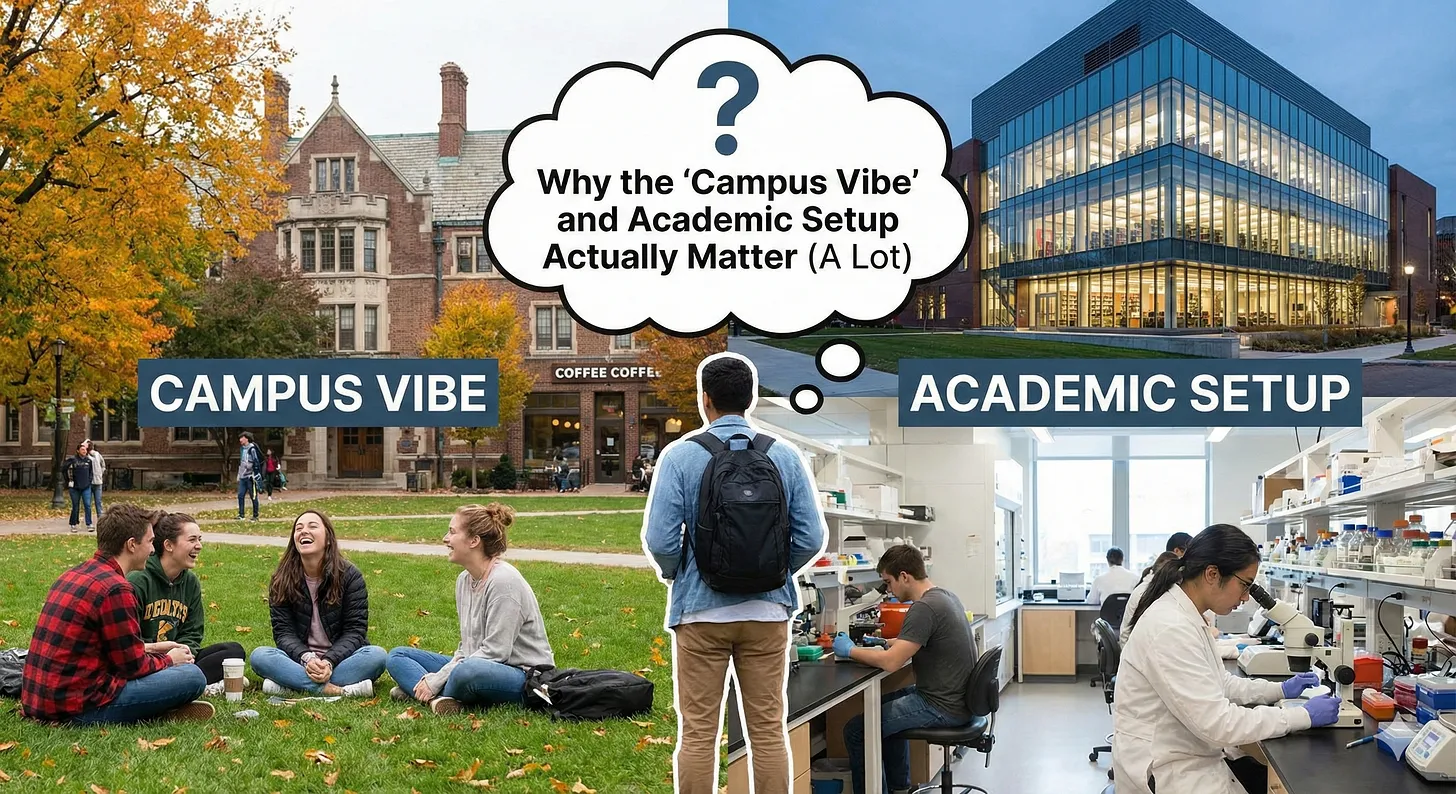
Why Andrew Skaskos Campus Projects Matter: Redefining the 21st-Century University Environment
Andrew Skaskos’ campus projects matter because they represent a fundamental shift from traditional institutional architecture to student-centric, sustainable ecosystems. By prioritizing living-learning environments and modernizing agin...
Andrew Skaskos’ campus projects matter because they represent a fundamental shift from traditional institutional architecture to student-centric, sustainable ecosystems. By prioritizing living-learning environments and modernizing aging infrastructure, these initiatives directly improve student retention, academic performance, and long-term institutional resilience, ensuring universities remain competitive and environmentally responsible in 2026 and beyond.
Contents
The Evolution of Higher Education Infrastructure
For decades, campus planning was largely reactive. Buildings were constructed to meet immediate capacity needs, often resulting in a fragmented landscape of "siloed" academic blocks and utilitarian dormitory structures. As we look at the landscape in 2026, the influence of leaders like Andrew Skaskos—particularly within the University of Maryland (UMD) system and surrounding regional developments—has signaled a departure from this obsolete model.
Campus projects led by Skaskos matter because they treat the physical environment as a pedagogical tool. The architecture is no longer just a shell for lectures; it is a catalyst for collaboration. When a university undertakes a multi-million dollar renovation or a new residential hall construction, it is not just addressing a bed shortage. It is addressing the psychological and social needs of a diverse student body that demands more from their physical surroundings than previous generations.
Strategic Integration of Living-Learning Communities
One of the most significant reasons these projects carry such weight is their focus on Living-Learning Communities (LLCs). In the current educational climate of 2026, the boundaries between a student’s residential life and their academic pursuits have largely dissolved. Skaskos-led initiatives often emphasize the integration of classroom spaces, faculty offices, and collaborative "maker spaces" directly within residential halls.
Impact on Student Retention and Success
Research consistently shows that students who feel a sense of belonging are significantly more likely to persist to graduation. By designing spaces that encourage spontaneous interaction—such as open-concept lounges and shared academic hubs—Skaskos’ projects mitigate the isolation often felt by first-year students. These projects matter because they provide the "third space" (neither the home nor the classroom) where the most profound peer-to-peer learning occurs.
Technical Sophistication in Design
These projects are not merely aesthetically pleasing; they are technically advanced. Modern campus planning involves Building Information Modeling (BIM) to simulate foot traffic, natural light optimization, and acoustic management. This level of technical depth ensures that a building remains functional for 50 to 75 years, rather than requiring a gut renovation after two decades.
Sustainability as a Core Institutional Value
In 2026, climate change mitigation is no longer an optional "extra" for university facilities; it is a mandate. Andrew Skaskos’ campus projects matter because they often set the benchmark for LEED (Leadership in Energy and Environmental Design) certification and Net-Zero energy goals.
Modernizing Aging Utility Infrastructure
A major, albeit less visible, component of these projects involves the modernization of central energy plants and underground utility tunnels. Many flagship universities are grappling with steam and electric systems that date back to the mid-20th century. Skaskos’ involvement in large-scale infrastructure overhauls helps institutions transition to more efficient chilled water systems, geothermal heating, and smart-grid integration.
By reducing the carbon footprint of the campus, these projects achieve two things:
- Operational Savings: Lower energy consumption translates to millions of dollars in saved utility costs, which can be redirected toward academic scholarships or faculty recruitment.
- Educational Alignment: They align the university’s physical reality with its stated values of environmental stewardship, serving as a live demonstration of sustainable engineering for students.
Managing the Complexity of Large-Scale Campus Growth
The complexity of modern campus projects cannot be overstated. Projects such as the North Campus Residential Community or the integration of regional transit lines (like the Purple Line in Maryland) require a delicate balance between construction progress and the continuity of campus life.
Navigating Multi-Phase Timelines
Andrew Skaskos’ projects are often characterized by their meticulous phasing. Building a new 900-bed residence hall while simultaneously demolishing an obsolete high-rise requires a masterclass in logistics. These projects matter because they prove that institutional growth can happen without paralyzing the daily operations of the university. This involves sophisticated site management, noise mitigation strategies, and transparent communication with the student body and local residents.
Safety and Compliance Standards
Modern projects must also adhere to rigorous safety standards, including the Americans with Disabilities Act (ADA) and Crime Prevention Through Environmental Design (CPTED). Skaskos’ projects are noteworthy for their "universal design" approach, ensuring that students with varying physical abilities have equal access to every part of the facility without needing "special" entrances or modified paths.
Comparative Analysis: Traditional vs. Modern Campus Projects
To understand why these specific projects are revolutionary, it is helpful to compare the traditional approach to facility management with the modern, integrated approach seen in recent years.
| Feature | Traditional Campus Planning | Skaskos-Influenced Modern Planning |
|---|---|---|
| Primary Goal | Occupancy and capacity | Holistic student experience and wellness |
| Sustainability | Ad-hoc upgrades (lighting, windows) | Integrated LEED Gold/Platinum targets |
| Space Utilization | Fixed-purpose rooms (lecture halls) | Flexible, multi-use collaborative zones |
| Technology | Retrofitted Wi-Fi and power | Integrated IoT, smart sensors, and high-speed fiber |
| Community Impact | Isolated from surrounding city | Porous borders and regional transit integration |
| Lifecycle Focus | Initial construction cost | Total Cost of Ownership (TCO) and longevity |
The Economic and Community Ripple Effect
The significance of these projects extends beyond the campus gates. Large-scale construction initiatives are major economic drivers for the surrounding region. They provide high-skilled jobs in architecture, engineering, and the trades.
Furthermore, as universities like the University of Maryland evolve, their projects often include public-private partnerships (P3s). These partnerships allow the university to leverage private investment to build high-quality facilities that might otherwise be delayed by state budget cycles. Skaskos’ role in navigating these complex financial and legal landscapes ensures that the projects are not only built but are financially sustainable over their entire lifecycle.
Addressing the Mental Health Crisis Through Design
By 2026, the link between physical environment and mental health is well-documented. Andrew Skaskos’ projects matter because they actively combat the "institutional" feel of traditional dormitories. Dark, narrow hallways and cramped rooms are replaced by layouts that maximize natural light and offer "recharge zones."
- Biophilic Design: Incorporating greenery and natural materials into the interior of buildings helps reduce student stress levels.
- Safety Through Visibility: Well-lit walkways and transparent common areas improve the perceived and actual safety of the campus, particularly after dark.
- Privacy vs. Community: Modern designs provide a better balance between private sleeping quarters and public social spaces, recognizing that students need both sanctuary and connection.
Common Challenges in Modern Campus Development
Despite the benefits, these projects face significant hurdles. High interest rates, fluctuating material costs (such as steel and mass timber), and labor shortages have made project management increasingly difficult. Skaskos’ projects are significant because they demonstrate how to maintain quality and scope in the face of these economic pressures.
A common mistake in campus planning is "value engineering" out the very features that make a building effective—such as sustainable materials or collaborative spaces—to save money in the short term. The success of Skaskos’ approach lies in protecting the core intent of the project, ensuring that the final result still serves the students' needs.
FAQs
What is the primary focus of Andrew Skaskos' campus projects?
The primary focus is on transforming the student residential and academic experience through integrated facility design. This includes building modern residential halls that serve as "living-learning" communities, modernizing utility infrastructure for sustainability, and ensuring all new construction meets high environmental and accessibility standards.
How do these projects impact university tuition and fees?
While large-scale construction requires significant capital, these projects are often funded through a mix of state appropriations, student housing fees, and private partnerships. In the long run, the efficiency gains from modern energy systems and the increased student retention rates often help stabilize the university's financial health, preventing more drastic tuition hikes that might result from unmanaged infrastructure decay.
Why is sustainability such a large part of these initiatives?
Sustainability matters because universities are often the largest energy consumers in their municipalities. By implementing LEED standards and net-zero energy goals, these projects reduce operational costs and fulfill the institution's commitment to climate action. Furthermore, a sustainable campus attracts students who are increasingly environmentally conscious.
How do these projects handle the disruption of ongoing campus life?
Strategic project management involves phasing construction so that essential services remain active. This includes creating temporary pedestrian routes, using low-noise construction techniques during exam periods, and providing real-time digital updates to the campus community to manage expectations and safety.
What is the role of technology in these new buildings?
Technology is baked into the "bones" of the buildings. This includes ubiquitous high-speed connectivity, smart HVAC systems that adjust based on occupancy, and digital room scheduling systems. These features make the campus more responsive to student needs and more efficient for facilities teams to manage.
Final Recommendation for Educational Stakeholders
For university administrators and planners looking to replicate the success of Andrew Skaskos’ campus projects, the focus must remain on long-term value over short-term savings. The physical environment is the most visible manifestation of an institution’s mission. Prioritize the integration of academic and residential life, invest in sustainable infrastructure that will lower the total cost of ownership, and ensure that every project is designed with the mental and physical well-being of the student at its center.
Image Gallery