Broward Court Clerk Guide: Records Search, Payments, and Courthouse Services (2026)
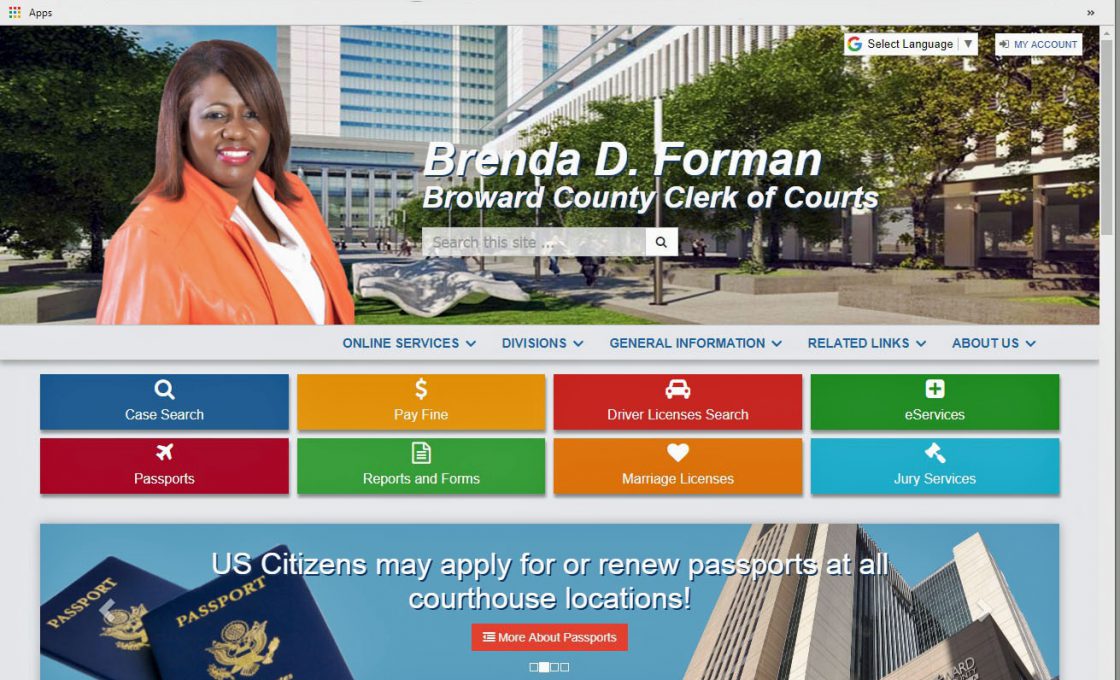
The Broward County Clerk of the Circuit Court and Comptroller serves as the official custodian of public records, court dockets, and county funds in Broward County, Florida. Operating under constitutional authority, the Clerk manages c...
The Broward County Clerk of the Circuit Court and Comptroller serves as the official custodian of public records, court dockets, and county funds in Broward County, Florida. Operating under constitutional authority, the Clerk manages criminal, civil, family, probate, and traffic court filings, while offering essential citizen services including passport applications, marriage licenses, and tax deed sales.
Contents
Understanding the Role of the Broward County Clerk of Courts
The Office of the Clerk of the Circuit Court and Comptroller in Broward County functions as a vital bridge between the judiciary, public law enforcement, and county citizens. Governed by Article V, Section 16 of the Florida Constitution and Chapter 28 of the Florida Statutes, the Clerk is an independently elected constitutional officer responsible for preserving the integrity of court records and managing public finances transparently.
The Clerk's office operates within the 17th Judicial Circuit of Florida, serving over 1.9 million residents across 31 municipalities. Beyond judicial record-keeping, the Comptroller division oversees county financial audits, processes county disbursements, and manages investments of public funds. Whether you are searching for court dockets, paying a traffic ticket, recording a real estate deed, or filing a civil lawsuit, your interaction with the judicial system goes directly through the Clerk's administrative framework.
(Ensure no backticks are used in final output—this thought check guarantees strict adherence to constraints)
Main Office Locations and Regional Branch Courthouses
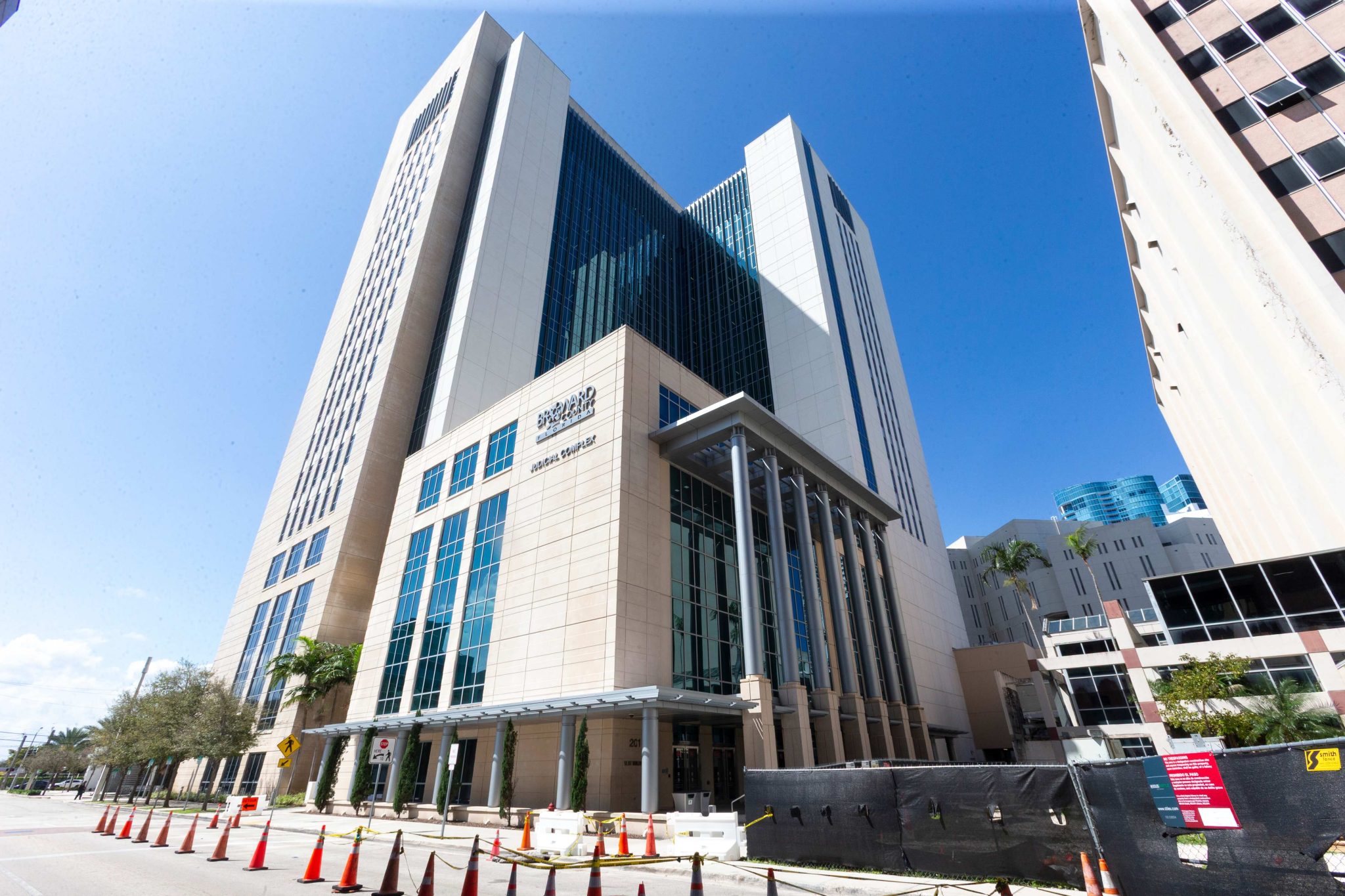
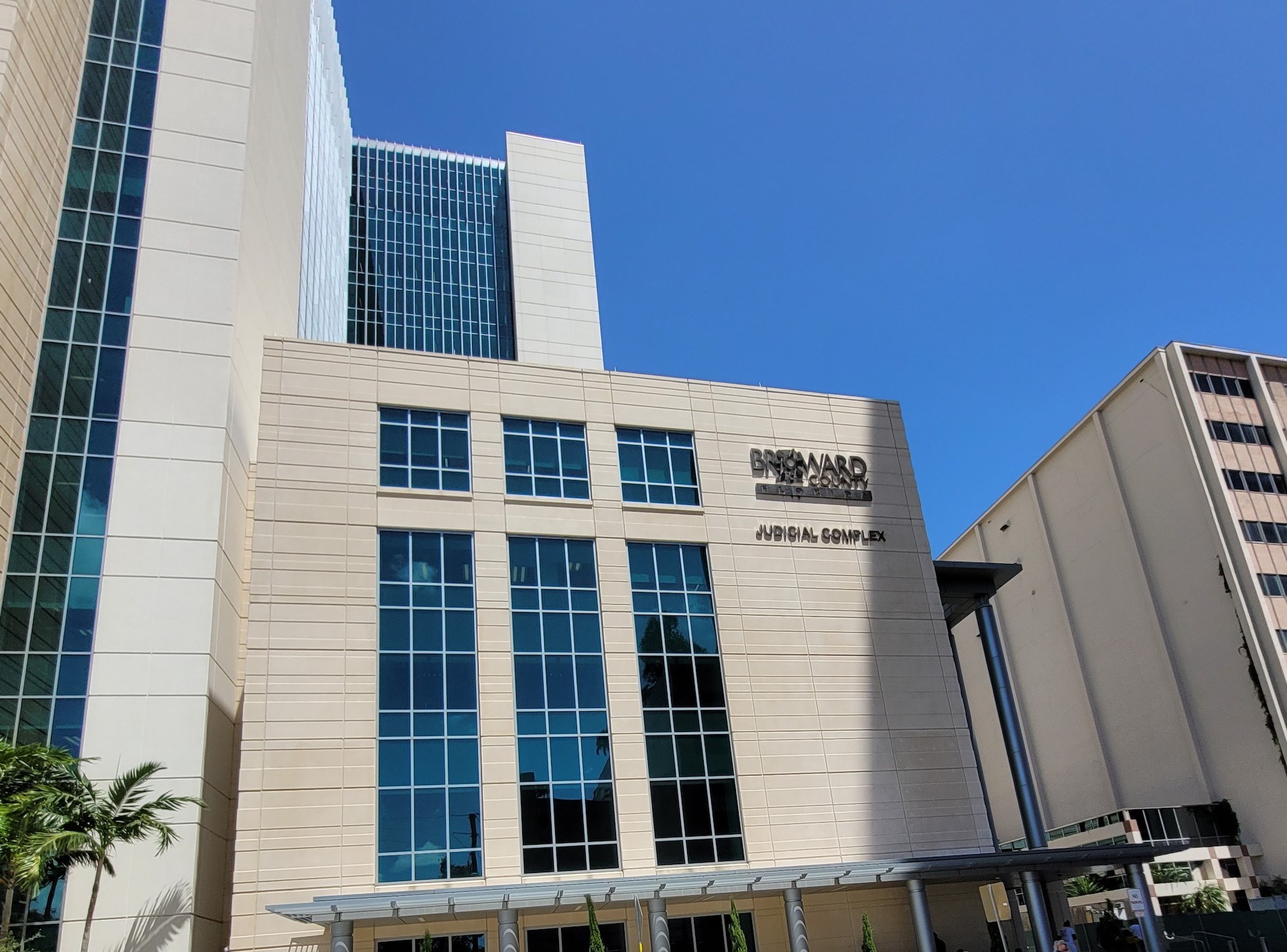
Broward County operates a central judicial complex in downtown Fort Lauderdale alongside three strategic regional branch courthouses. Services such as traffic fine payments, passport processing, and public record searches are accessible across these facilities, though specialized divisions like felony court and official recording operate primarily out of the downtown location.
| Courthouse Location | Physical Address | Primary Divisions & Services | Operating Hours |
|---|---|---|---|
| Central Judicial Complex | 201 SE 6th Street, Fort Lauderdale, FL 33301 | Main Court Records, Felony, Official Land Records, Marriage Licenses, Passports, Civil E-Filing | Mon–Fri: 8:00 AM – 3:30 PM |
| North Regional Courthouse | 1600 UF West Sample Road, Deerfield Beach, FL 33064 | Traffic Infractions, Misdemeanor, Small Claims, Marriage Licenses, Passport Applications | Mon–Fri: 8:00 AM – 3:30 PM |
| South Regional Courthouse | 3550 Hollywood Blvd, Hollywood, FL 33021 | Traffic Tickets, Evictions under $8,000, Small Claims, Official Record Payments | Mon–Fri: 8:00 AM – 3:30 PM |
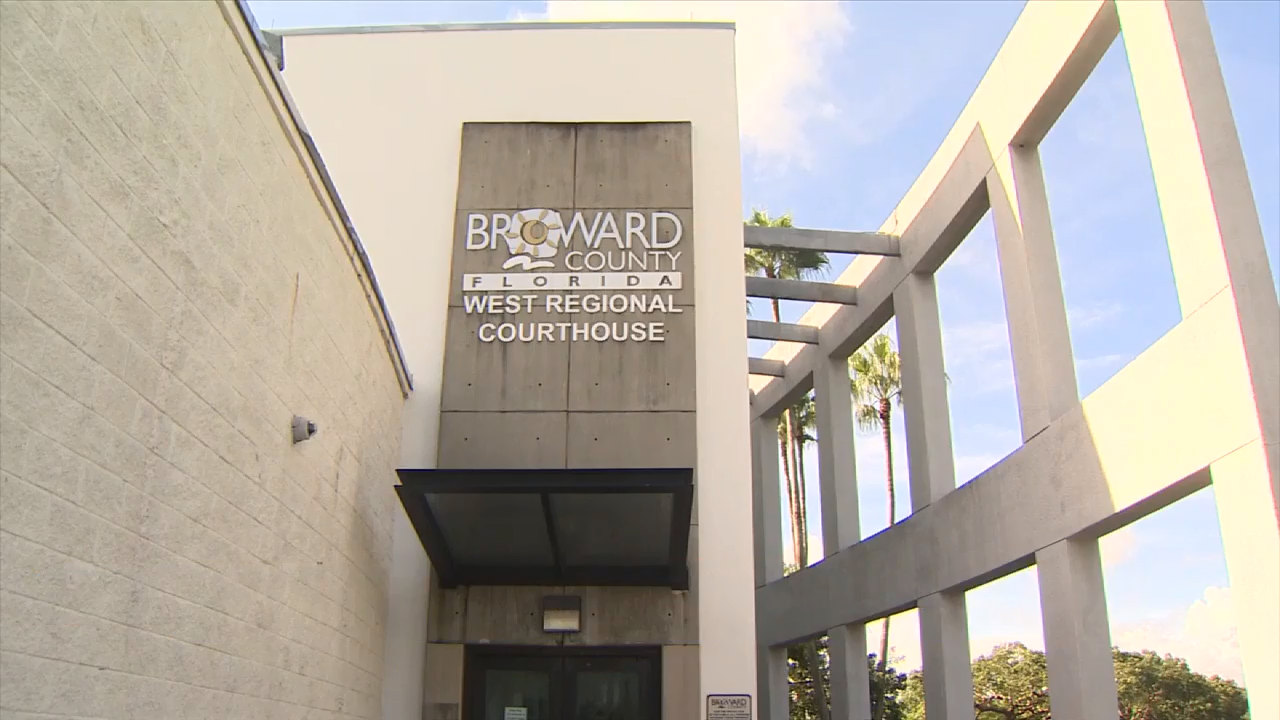
| West Regional Courthouse | 100 N Pine Island Road, Plantation, FL 33324 | Traffic Violations, Name Changes, Family Law Filings, Domestic Violence Injunctions | Mon–Fri: 8:00 AM – 3:30 PM |
Visitors attending any courthouse facility must pass through security screening managed by the Broward County Sheriff's Office. Weapons, sharp objects, electronic recording equipment, and hazardous materials are strictly prohibited. Parking is available at public garages adjacent to the Central Judicial Complex for a hourly rate, while regional branches feature designated surface lot parking.
How to Conduct a Broward County Court Case Search
Accessing public court records in Broward County is managed through the Clerk's online portal systems, which balance Florida's open records mandate under Chapter 119 with statutory privacy exemptions.
Online Case Search Portals
The primary gateway for searching court dockets, judicial calendars, and case histories is the Broward County Clerk Court Case Search system. Users can conduct searches using several parameters:
- Party Name: Search by individual or corporate business name. Entering exact spelling yields the best results, though wildcard searches are supported.
- Case Number: Search using the official court docket format (e.g., CACE-26-XXXXXX for Circuit Civil or CCTC-26-XXXXXX for County Traffic).
- Citation Number: Search directly for traffic tickets issued by local police departments or the Florida Highway Patrol.
- Uniform Case Identifier (UCN): Search using Florida’s statewide standardized numbering system.
Public Access Levels and Confidentiality Rules
Under Florida Rules of General Practice and Judicial Administration 2.420, public access to court files is categorized into public, restricted, and confidential tiers. Standard public users can view dockets, filings, and hearing schedules without an account. However, confidential details—such as Social Security numbers, financial account numbers, adoption files, juvenile records, and victim identities—are automatically redacted.
Attorneys of record, registered litigants, and authorized government agencies can request elevated access through the Florida Courts E-Filing Portal or by submitting a notarized Agreement for Access to Electronic Court Records to the Broward Clerk's Office.
Confidentiality Notice under Rule 2.420
Filers are legally required to file a Notice of Confidential Information Within Court Filing when submitting documents containing sensitive medical records, financial data, or protected identity identifiers. The Clerk's office automated redactors process filings, but primary responsibility remains with the submitting party.
Paying Traffic Tickets and Court Fines in Broward County
When issued a civil traffic citation in Broward County, Florida law provides 30 calendar days from the date of issuance to select a resolution option. Failure to respond within this timeframe results in late penalties and automatic notification to the Florida Department of Highway Safety and Motor Vehicles (FLHSMV) to suspend driving privileges.
Available Options for Resolving Traffic Tickets
- Pay the Citation in Full: Payment admits guilt and results in points assessed against your Florida driver's license, depending on the violation type.
- Elect Traffic School (Basic Driver Improvement): Paying the fine plus electing a state-approved 4-hour traffic school course prevents points from accumulating on your license record. Drivers can elect this option once every 12 months, up to a maximum of five times in a lifetime under Section 318.14(9), Florida Statutes.
- Request a Court Hearing: File a formal contestation of the ticket before a Traffic Hearing Officer or County Judge. If found guilty at trial, additional court costs up to statutory limits may apply.
Online and Remote Payment Methods
- Online Web Payment: Traffic citations, civil judgments, and misdemeanor payments can be completed online using major credit cards or debit cards. A non-refundable third-party processing fee is applied at checkout.
- Automated Phone Payment System: Pay citations 24/7 by calling the dedicated automated payment line and providing your ticket or case number.
- Mail Payment: Send a check or money order payable to "Clerk of Courts" along with the yellow copy of your citation to the Central Courthouse address. Cash should never be sent through the mail.
- In-Person Cash or Card: Visit any of the four courthouse facilities during business hours to pay at the cashier windows.
Official Records Search: Property Deeds, Liens, and Mortgages
The Broward County Clerk's Official Records division maintains the county's public register of real estate documents, mortgages, deeds, liens, powers of attorney, and tax deeds dating back decades.
Searching Land Records Online
Property owners, title investigators, and legal researchers can search Broward Official Records online by grantor/grantee name, document type, book and page number, or Instrument Control Number (ICN). Certified copies of land records required for real estate closings or probate distributions can be requested directly through the website for a statutory fee of $1.00 per page plus $2.00 per document certification.
Property Fraud Alert System
To combat illegal deed transfers and fraudulent property liens, the Broward County Clerk provides a free Property Fraud Alert Service. Property owners can register their name or business entity to receive instant automated email alerts whenever a document—such as a quitclaim deed, mortgage, or lien—is recorded in Broward County matching their registered identity.
(Ensure no ASCII art or block code tags appear)
E-Filing Guidelines for Attorneys and Pro Se Litigants
All legal filings submitted to the 17th Judicial Circuit court divisions are processed electronically through the statewide Florida Courts E-Filing Portal.
Mandatory E-Filing Rules
Under Supreme Court mandates, licensed Florida attorneys are required to submit all court documents electronically. Unrepresented individuals (pro se litigants) are encouraged, though not strictly required, to use the e-filing portal for faster processing and digital tracking. Alternatively, pro se filers can submit paper filings in person at any courthouse location.
Practical Steps to E-File Documents in Broward County
- Account Registration: Create a user account on the official Florida Courts E-Filing Portal (
myflcourtaccess.com) selecting "Self-Represented Litigant" or "Attorney." - Select Jurisdiction: Choose "17th Judicial Circuit - Broward County" from the circuit selection directory.
- Choose Case Type & Filings: Input an existing case number to add supplemental documents, or select "Initiate New Case" for new lawsuits.
- Upload Formatted PDF Documents: Files must be uploaded in searchable PDF format, formatted to 8.5x11 inch standard page sizes, with black lettering on white backgrounds.
- Pay Statutory Filing Fees: Submit required filing fees online using credit/debit card or electronic check (eCheck) processing. Indigent parties may file an Application for Determination of Civil Indigent Status to request fee waivers.
Applying for Marriage Licenses and Passport Services
The Broward Clerk's office processes marriage licenses and acts as an authorized U.S. Department of State Passport Acceptance Facility at select courthouse locations.
Marriage License Requirements
- Identification: Both applicants must appear together in person with valid, government-issued photo identification (such as a driver's license or passport) and disclose their Social Security numbers.
- 3-Day Waiting Period: For Florida residents, a mandatory 3-day waiting period applies between the license issuance date and the date the marriage ceremony can occur. This waiting period is waived if both parties complete a 4-hour state-approved premarital preparation course.
- Non-Florida Residents: The 3-day waiting period does not apply to non-Florida residents applying within the county.
- Validity: A marriage license issued by the Broward Clerk is valid for 60 days anywhere within the state of Florida.
Passport Application Workflow
Passport processing is conducted by appointment at designated branch courthouses. Applicants must present a completed Form DS-11 (unsigned until instructed by the clerk), proof of U.S. citizenship (original birth certificate or naturalization document), valid state photo identification, a standard 2x2 inch passport photograph, and two separate payments:
- U.S. Department of State Fee: Paid exclusively by personal check, cashier's check, or money order.
- Broward Clerk Execution Fee: Paid via cash, credit card, or money order.
Navigating Jury Duty in Broward County
Jury service is a critical civic obligation under Florida law. Jurors are randomly selected from the driver's license database provided by the Florida Department of Highway Safety and Motor Vehicles.
What to Do Upon Receiving a Jury Summons
- Confirm Service: Use the automated online Jury Management System or call the telephone system on the summons the evening before your reporting date to confirm if your presence is required.
- Submit Exemption or Deferral Requests: Florida law grants statutory jury exemptions for specific groups, including full-time law enforcement officers, pregnant women, stay-at-home parents with children under 6 years of age, individuals who served on a jury within the past year, and individuals age 70 or older requesting permanent exemption. Requests must be submitted online or in writing at least 10 days prior to the summons date.
- Compensation: Jurors who are not paid regular wages by their employer during service receive $15 per day for the first three days of service, and $30 per day for every day thereafter, funded by the State of Florida.
Common Court Clerk Administrative Pitfalls and Solutions
Navigating court processes without administrative experience often leads to delayed filings or administrative rejections. Understanding how to handle standard clerical challenges ensures smooth case progression.
Incorrect Case Captions or Missing Case Numbers
Documents submitted without an exact case number or with incorrect party names will be returned by the Clerk’s Intake Division as "Rejection Pending Correction." Always verify the docket header against original filings before uploading documents to the E-Filing Portal.
Failing to Serve Process Correctly
Filing a lawsuit or petition with the Clerk does not automatically inform the defendant. Summonses must be formally issued by the Clerk (upon payment of the statutory issuance fee) and served by a licensed process server or the Broward County Sheriff's Office Civil Division.
Neglecting Court Hearing Notice Requirements
Filing a motion with the Clerk does not automatically place your matter on a judge's calendar. After filing, litigants must schedule a hearing date directly through the 17th Judicial Circuit Judicial Assistant System (CMS) and serve a Notice of Hearing on all opposing counsel or unrepresented parties.
Frequently Asked Questions
How do I search for a court record in Broward County?
You can search public court records online using the Broward County Clerk Court Case Search portal by typing in a party name, citation number, or case number. Basic public dockets are accessible immediately without registration, while confidential records require certified authorization.
Can I pay my Broward County traffic ticket online?
Yes, traffic tickets can be paid online through the official payment portal using a major credit card or debit card within 30 days of issuance. You can choose to pay the fine directly, elect driver improvement school to prevent points, or request a court hearing.
Where is the main Broward County Courthouse located?
The Central Judicial Complex is located at 201 SE 6th Street, Fort Lauderdale, FL 33301. It houses central court records, felony court, marriage license services, official recording, and main administrative divisions.
How do I get a copy of a real estate deed or marriage license?
Public land records and official documents can be viewed, downloaded, or ordered as certified copies through the Clerk's Official Records online search tool or by visiting the Central Courthouse in Fort Lauderdale.
What happens if I miss the 30-day deadline to pay a traffic citation?
Failing to pay or elect a resolution within 30 days results in late penalties, potential driver's license suspension by the FLHSMV, and referral to a collection agency, which incurs additional administrative fees.
How do I apply for an emergency injunction for protection (restraining order)?
Domestic violence, repeat violence, dating violence, and stalking injunctions can be filed in person at the Domestic Violence Division located at the Central Courthouse or the West Regional Courthouse. The Clerk provides standardized petition forms, and there are no filing fees required to file for a protective injunction.
Resolving Judicial Filings and Records Matters Efficiently
The Office of the Broward Court Clerk and Comptroller offers robust digital tools to help citizens and attorneys manage case filings, research public property records, and pay court-ordered fees efficiently. By leveraging online portals such as the Broward Case Search, Florida Courts E-Filing Portal, and Property Fraud Alert system, individuals can fulfill their legal needs without unnecessary travel to courthouse locations. For specialized legal matters, contested cases, or complex probate filings, consulting a licensed Florida attorney ensures complete compliance with local circuit court rules and state statutes.
Image Gallery