The Voice Behind Hit in Dragon Ball Super: Exploring the Performance and Legacy of a Legendary Assassin
Hit, the legendary assassin from Universe 6, is voiced by Kazuhiro Yamaji in the original Japanese version of Dragon Ball Super, while Matthew Mercer provides the voice in the English dub. Known for his stoic demeanor, "Time-Skip" tech...
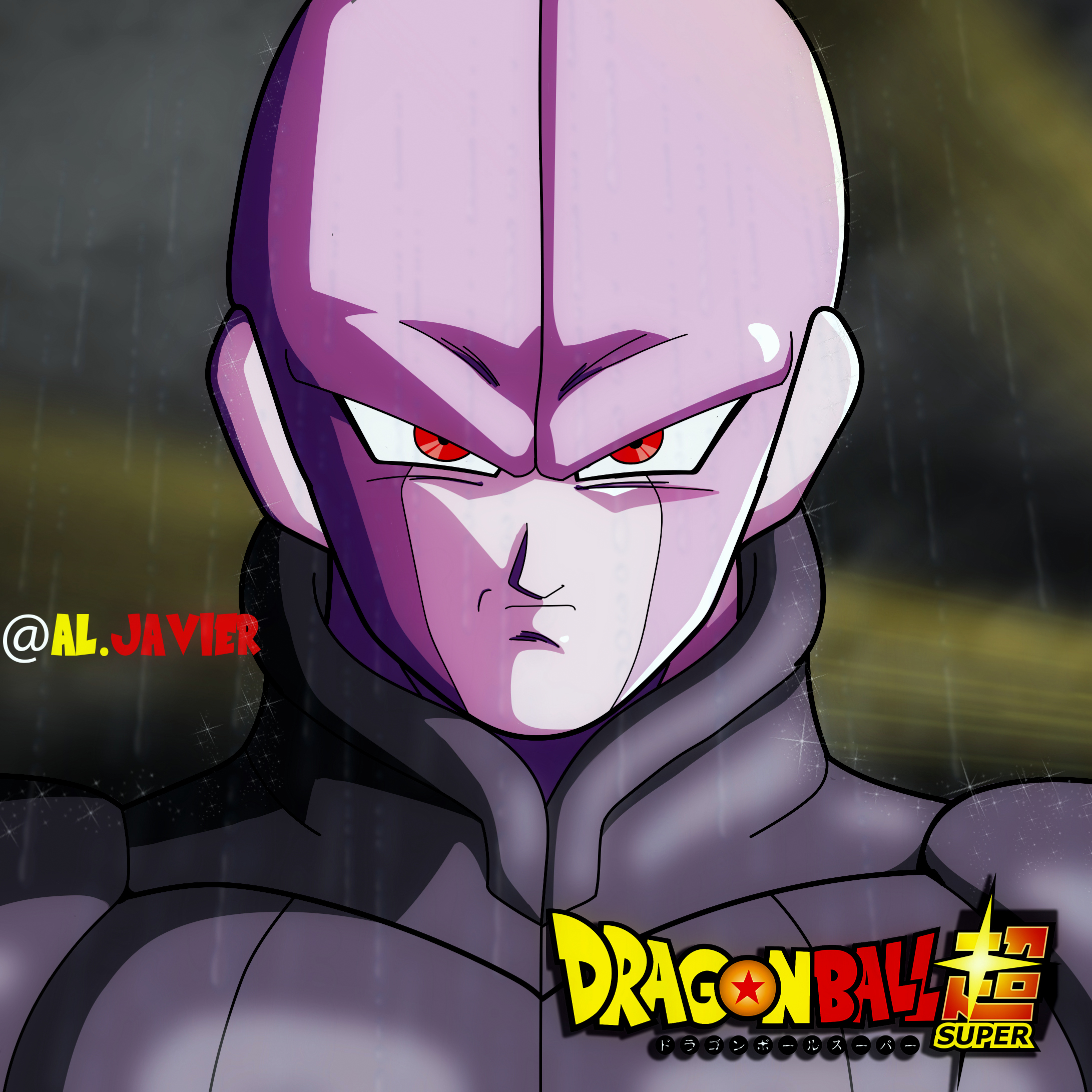
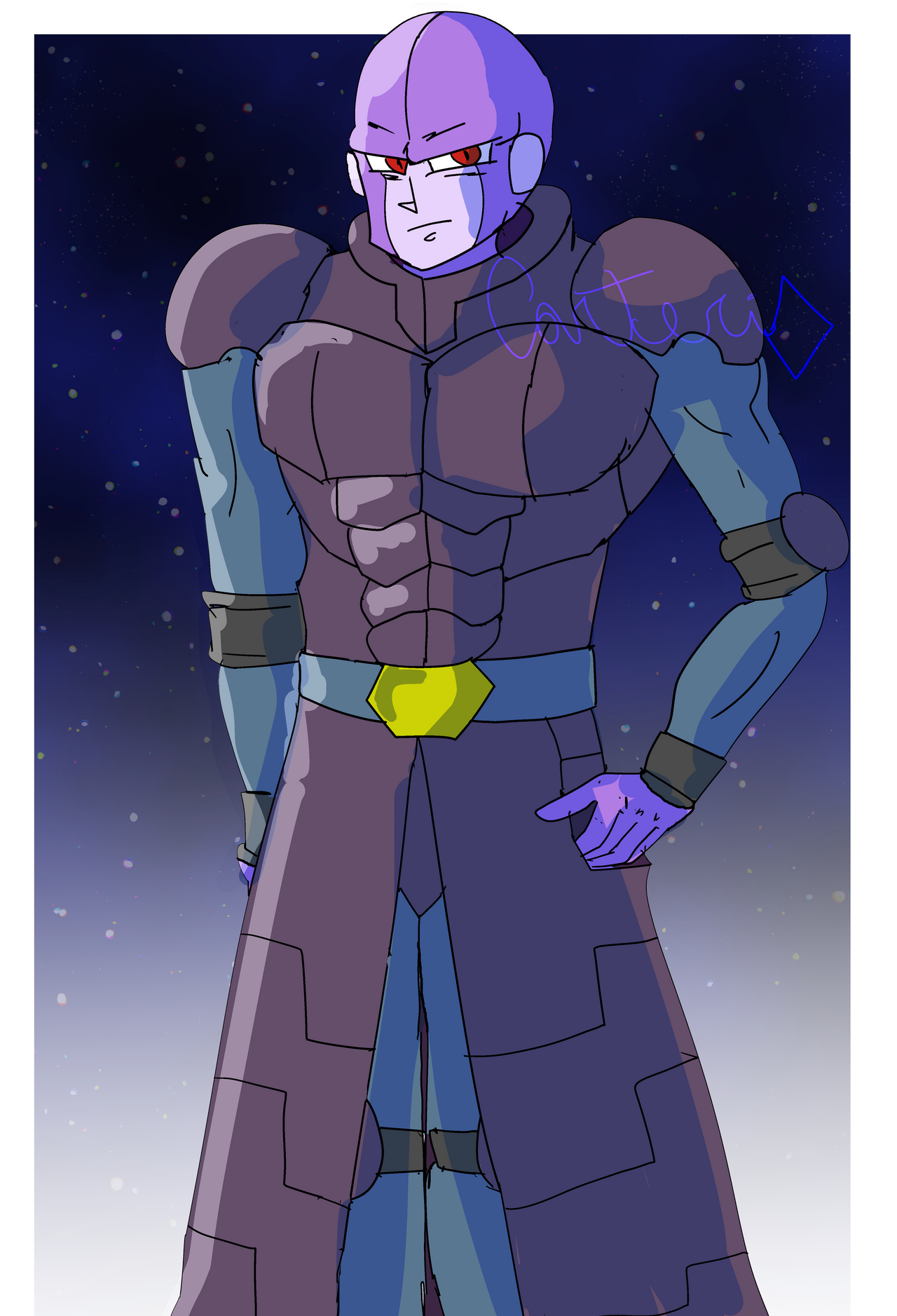
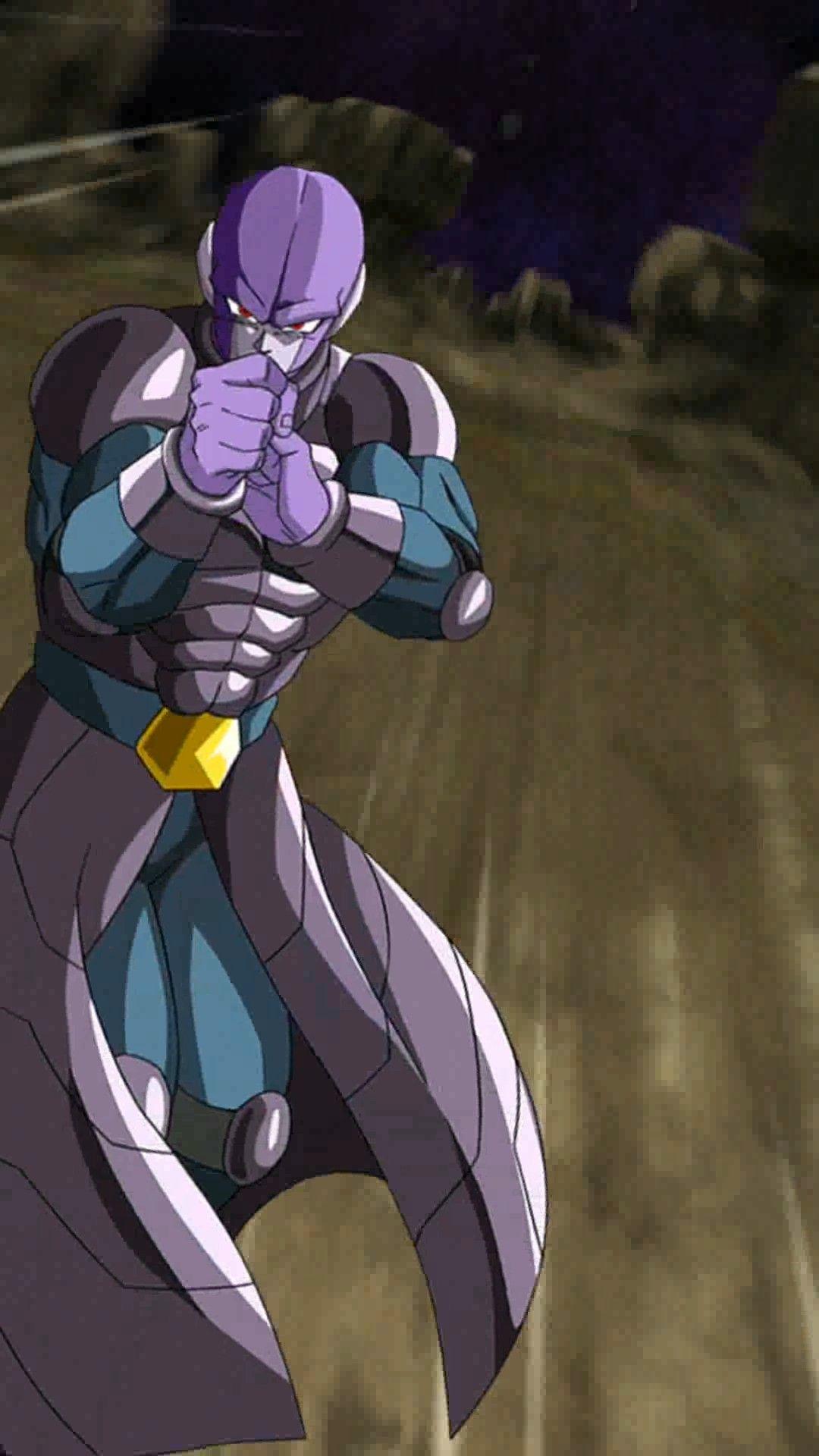
Hit, the legendary assassin from Universe 6, is voiced by Kazuhiro Yamaji in the original Japanese version of Dragon Ball Super, while Matthew Mercer provides the voice in the English dub. Known for his stoic demeanor, "Time-Skip" technique, and unwavering professional integrity, Hit has become one of the most iconic characters in the modern Dragon Ball canon. His complex vocal performances contribute significantly to the character's aura of mystery and lethal competence, bridging the gap between his role as an antagonist and his development as a reluctant ally to the Z Fighters.
Contents
The Japanese Performance: Kazuhiro Yamaji
In the original Japanese broadcast of Dragon Ball Super, Hit is voiced by Kazuhiro Yamaji. A seasoned veteran of the Japanese acting industry, Yamaji brings a distinct gravity to the character. His portrayal is defined by a low, gravelly register that perfectly captures the essence of a man who has lived for over a thousand years and seen countless targets fall by his hand.
Yamaji’s technique focuses on economy of movement—both in body and voice. By utilizing a restrained, almost whispered intensity, he ensures that when Hit finally speaks, every word carries weight. This vocal direction complements the character’s design, which emphasizes stillness and precision over the bombastic shouting often associated with Saiyan characters. For Yamaji, the challenge was to convey deep, philosophical conflict without breaking the character’s cold, professional exterior. His work provides the baseline for Hit’s identity: a man who views killing as a job, not a source of pride.
The English Performance: Matthew Mercer
In the English-language adaptation produced by Funimation (now Crunchyroll), the task of voicing the legendary assassin fell to Matthew Mercer. Mercer, widely recognized for his versatility in animation and interactive media, was tasked with localizing a character who had already established a strong visual and tonal identity in Japan.
Mercer’s interpretation leans into the "noir" qualities of the character. By utilizing a smooth, mid-range baritone, he highlights Hit’s sophistication. Unlike the raw, guttural energy of other characters in the series, Mercer’s Hit sounds measured, calculated, and tired. This performance choice makes the character feel like an outlier in the Dragon Ball universe, emphasizing that while others are driven by the search for strength and combat thrills, Hit is driven by the cold requirements of a contract. Mercer’s ability to inject subtle shifts in tone—moving from dismissive coldness to begrudging respect during his duels with Goku—is a hallmark of his contribution to the English dub.
Comparative Analysis of Vocal Interpretations
The dual-performance nature of anime allows fans to experience different interpretations of the same character. While both Yamaji and Mercer respect the fundamental traits of Hit—his silence, his brevity, and his lethal focus—the nuances of their deliveries offer distinct experiences for the audience.
| Feature | Kazuhiro Yamaji (Japanese) | Matthew Mercer (English) |
|---|---|---|
| Vocal Texture | Gravelly, deep, weathered | Smooth, measured, baritone |
| Primary Tone | Intimidating, ancient, stoic | Calculated, sophisticated, weary |
| Emphasis | Focus on "The Assassin" archetype | Focus on "The Professional" persona |
| Pacing | Staccato, precise, sharp | Fluid, deliberate, rhythmic |
Technical Aspects of Voice Acting in Dragon Ball Super
Bringing a character like Hit to life requires more than just a talented voice actor; it involves a complex collaboration between the actor, the sound engineer, and the director. In the production of Dragon Ball Super, the "Time-Skip" ability presented a unique technical challenge for the voice actors.
Because Hit’s signature ability involves manipulating time to bypass an opponent's defenses, his dialogue often occurs in spaces where normal communication would be impossible. Actors must modulate their delivery to sound as though they are not only physically present but existing in a staggered temporal reality. This involves specific sound-mixing techniques, where echo effects or slight time-delays are layered onto the dialogue to emphasize the supernatural nature of Hit’s combat style.
Furthermore, the actors must maintain consistency during high-intensity combat scenes. In Dragon Ball, combat is defined by high-decibel yelling and fast-paced exchanges. Because Hit remains composed even during these moments, the voice actors must demonstrate immense breath control. Maintaining a steady, calm vocal profile while the surrounding sound design is filled with explosive impacts and aggressive music requires high-level technical discipline.
The Impact of Casting on Character Reception
The casting of Hit has had a profound impact on how the character is perceived within the Dragon Ball fanbase. Because the series transitioned from the high-octane, emotional drama of Dragon Ball Z into the multiversal expansion of Super, the audience needed characters that could stand alongside established legends like Vegeta and Piccolo.
Hit’s voice actors provided the necessary "cool factor" to make him an immediate fan favorite. By avoiding the typical tropes of anime villains—who often rely on maniacal laughter or overly verbose monologues—Yamaji and Mercer allowed the character's silence to act as his most effective tool. This restraint creates a sense of suspense. When the voice actor speaks, the audience knows it is essential. This builds a psychological link between the viewer and the character; we are conditioned to listen closely to Hit, mirroring the way his opponents in the series are forced to focus intently on his movements to survive.
Evolving the Character Through Performance
Throughout the "Universe 6 Saga" and the "Tournament of Power," Hit’s character arc shifts from a ruthless mercenary to an honorable warrior. This evolution is reflected in the voice work. In early episodes, the pitch and tone are strictly utilitarian. As Hit encounters Goku and begins to appreciate the value of fair competition and personal growth, subtle inflections of curiosity and eventually camaraderie enter the performance.
This growth is subtle. A listener might not notice the change in a single episode, but comparing Hit’s tone when he first arrives on the nameless planet to his tone during the final stages of the Tournament of Power reveals a clear trajectory. The voice actors successfully humanize a character who, by his own admission, sees himself as an emotionless tool.
Frequently Asked Questions
Who is the primary Japanese voice actor for Hit? Kazuhiro Yamaji is the Japanese voice actor for Hit. He is a veteran of the industry known for his deep, resonant voice that perfectly suits the "legendary assassin" aesthetic.
Why does Hit sound different in the English dub? Voice acting is a localized art form. Matthew Mercer, the English voice actor, interprets the character through his own artistic lens, focusing on a more sophisticated, "noir-style" delivery that aims to capture the essence of a professional hitman in a way that resonates with English-speaking audiences.
Does the voice acting change as Hit develops as a character? Yes. While the core "cold" temperament remains, both actors employ subtle variations in intonation as Hit transitions from an antagonist to an ally. You can hear a shift from rigid professionalism to a more nuanced, respectful tone as the character experiences growth.
How is the "Time-Skip" technique represented vocally? The "Time-Skip" is a combination of acting and sound engineering. While the actor provides the vocal intensity, engineers often apply subtle audio processing to Hit’s voice during these sequences to simulate the temporal distortion of the ability.
What qualities are most important for the voice of Hit? The most important qualities are breath control, a measured cadence, and the ability to convey authority without needing to raise the volume. The character is defined by his confidence and lack of emotional outbursts, which requires the actor to remain grounded and steady throughout the performance.
Next Actions for Fans
If you are interested in exploring the work of these actors further, you can examine their broader filmographies. Kazuhiro Yamaji is well-known for his extensive work in both anime and live-action dubbing, often voicing mature, authoritative figures. Matthew Mercer’s work spans numerous roles in major video games and animation franchises, showcasing his range from heroic protagonists to complex, morally gray characters. Watching key episodes of the "Tournament of Power" arc again while focusing specifically on the vocal delivery—rather than just the combat animation—can offer a deeper appreciation for how these actors breathe life into the silent assassin of Universe 6.
Image Gallery