Understanding Foundation Repair Services Near Livonia MI: A Comprehensive Homeowner’s Guide
Addressing structural concerns early is the most effective way to protect your property investment in the Livonia area. Foundation repair services near Livonia MI involve diagnosing soil-related shifts, assessing masonry integrity, and...
Addressing structural concerns early is the most effective way to protect your property investment in the Livonia area. Foundation repair services near Livonia MI involve diagnosing soil-related shifts, assessing masonry integrity, and deploying engineered stabilization techniques such as piering, wall bracing, or hydraulic jacking to restore the structural stability of your home’s basement or crawl space.
Contents
Why Livonia Homes Require Foundation Attention
Livonia, Michigan, features diverse soil compositions that significantly influence residential foundation stability. Many homes in this region sit on clay-heavy soil, which is notorious for its expansion and contraction cycles. During the wet spring months, clay soil absorbs moisture and expands, exerting hydrostatic pressure against foundation walls. Conversely, during dry summers, the soil shrinks, potentially leaving voids beneath the footing.
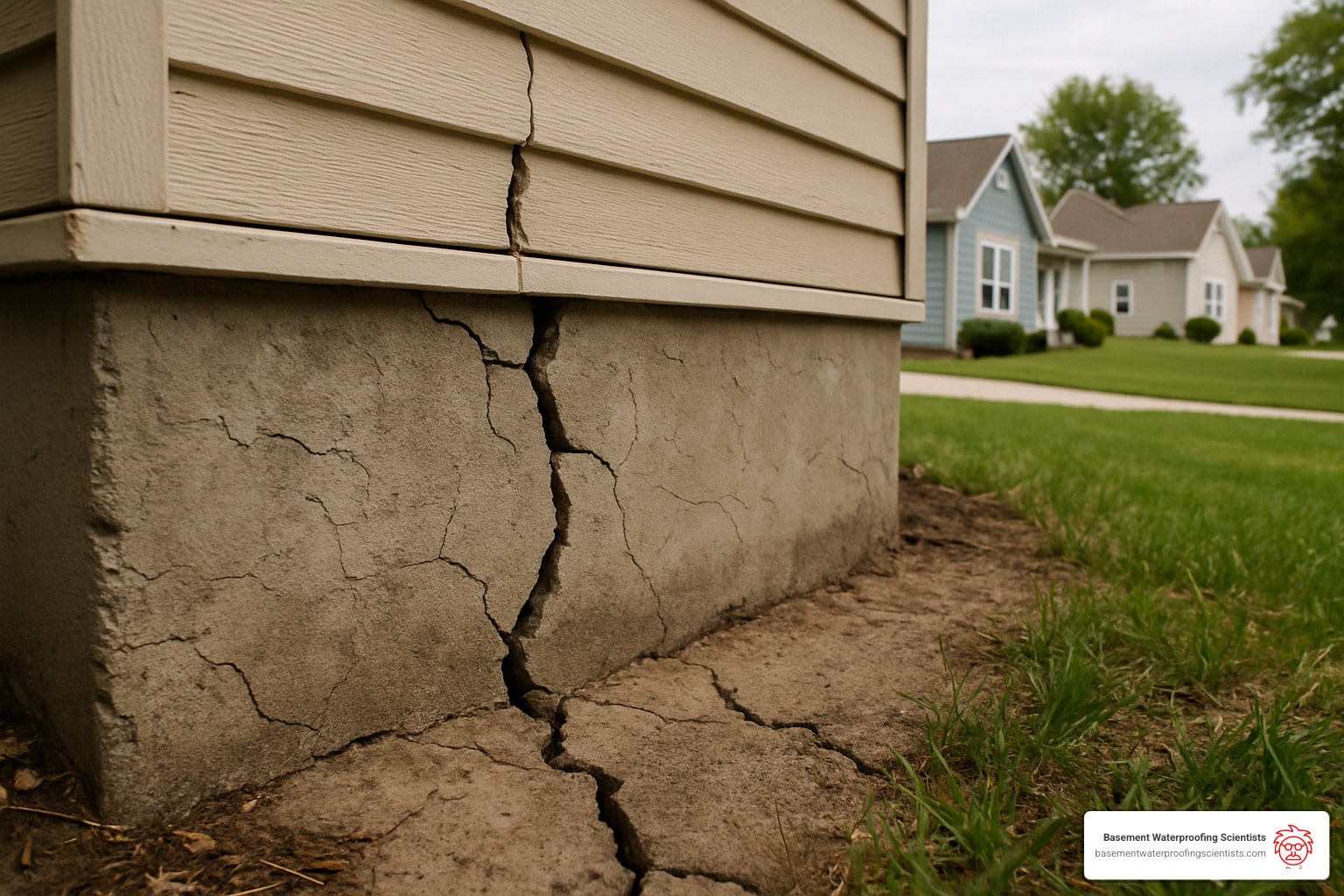
This constant movement can lead to differential settlement, where one part of the house sinks deeper into the earth than another. Homeowners often notice the first signs of this stress through cosmetic indicators that mask deeper structural issues. Understanding the difference between settling cracks and structural failure is the first step in determining if you require professional intervention.
Common Signs of Foundation Failure
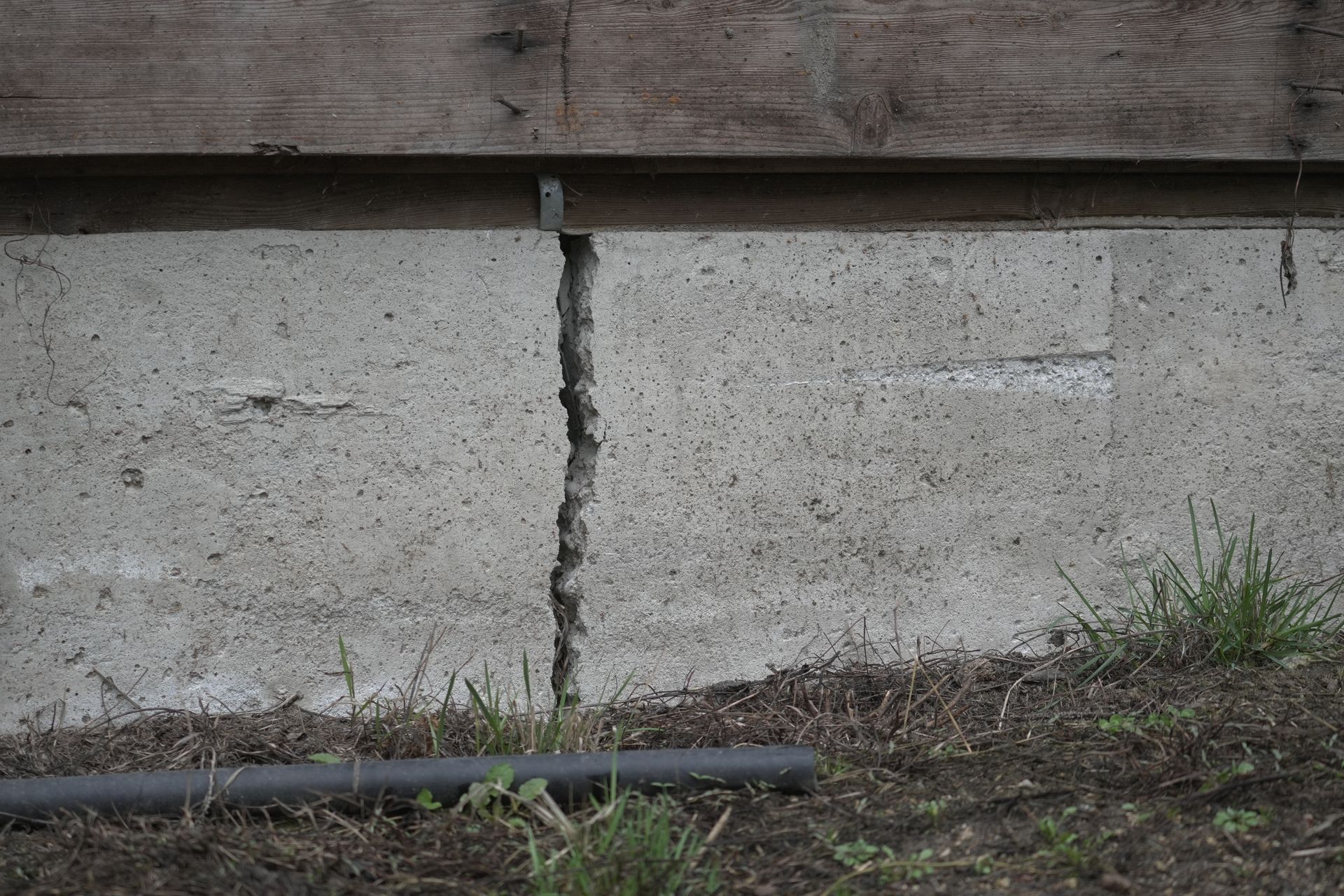
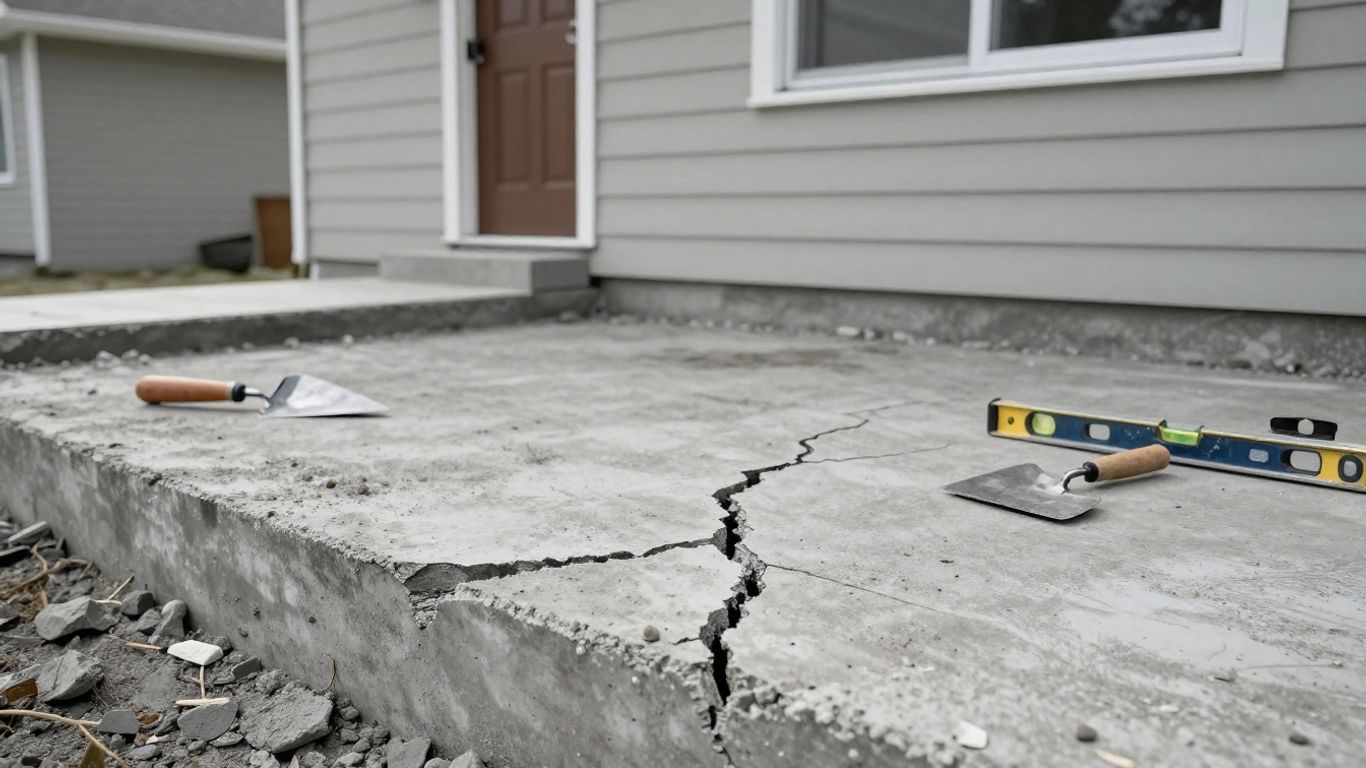
Before calling for professional services, you should conduct a walkthrough to identify key indicators of distress. While some small hairline cracks are common in poured concrete due to initial curing, others indicate systemic issues.
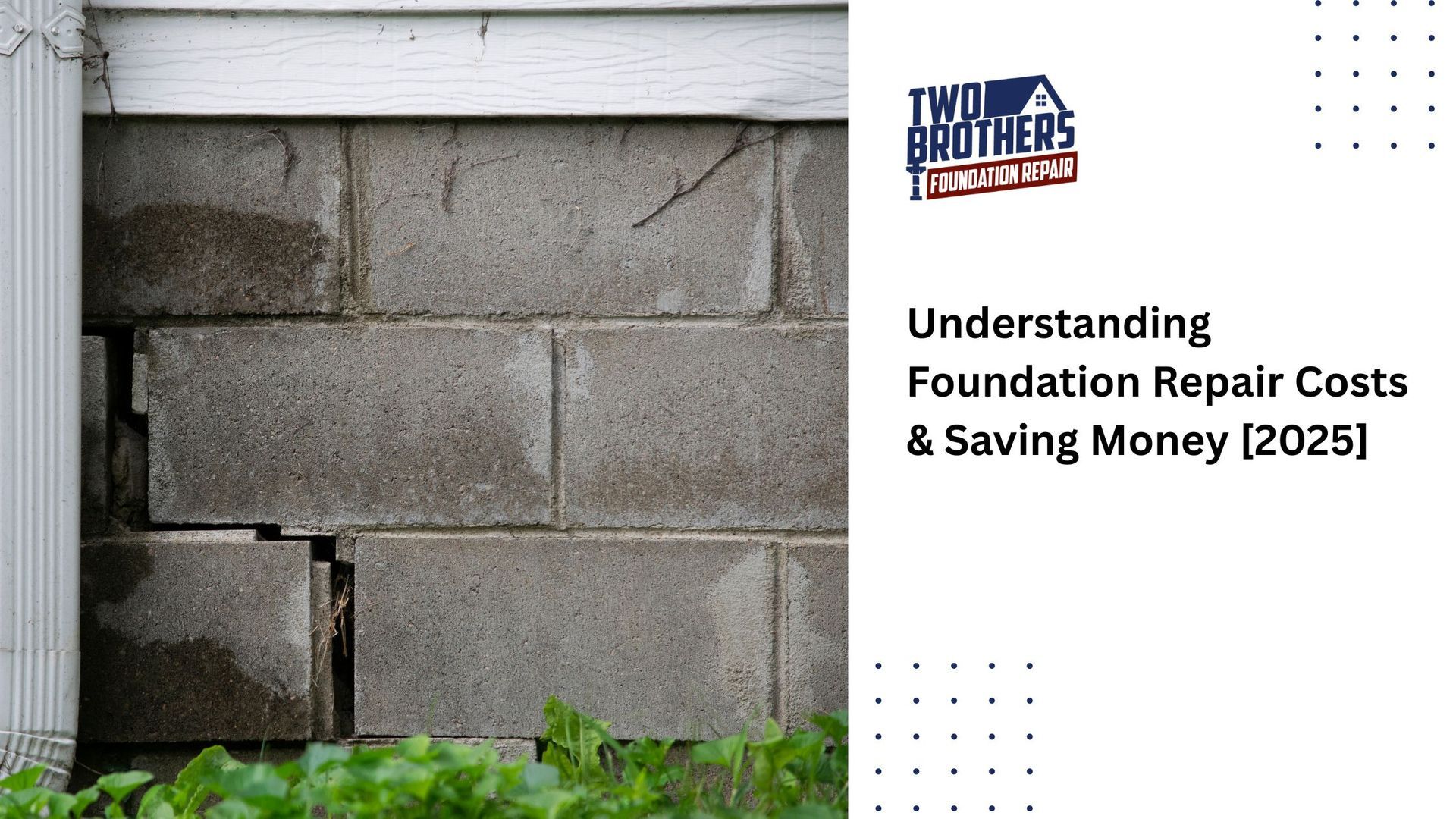
- Stair-Step Cracking: If you see cracks following the mortar joints in a block foundation in a stair-step pattern, it often signals that the foundation wall is bowing or shifting under soil pressure.
- Door and Window Alignment: When doors or windows become difficult to open or stick, it is frequently a sign that the home’s frame has distorted due to a settling foundation.
- Horizontal Cracking: This is a serious indicator. A horizontal crack across a poured concrete wall usually suggests that hydrostatic pressure has exceeded the wall's structural capacity.
- Floor Slope or Unevenness: If you notice a visible slope or "bouncing" floors in specific areas of the home, the sub-floor support system may have lost its bearing capacity.
Professional Assessment and Diagnostic Methods
When you engage foundation repair services near Livonia, a technician will typically start with a site inspection. Professional contractors look for more than just cracks; they evaluate the "big picture" of your home's performance.
Technicians will use leveling equipment, such as water levels or laser transits, to measure the exact degree of variance across your floors. They also assess the grade of the landscaping around your home. Poor drainage is a leading contributor to foundation failure in Southeast Michigan. If your gutters discharge water directly against the foundation, or if the soil slopes toward your house, you are creating a recipe for future structural damage. A reputable service provider will prioritize fixing the site drainage before suggesting expensive structural repairs.
Common Repair Techniques and Technologies
Modern foundation repair is highly engineered. Contractors in the Livonia area generally categorize repairs into two main goals: stabilizing the current structure and lifting the structure back to its original elevation.
Wall Stabilization
If your walls are bowing inward, professionals may install steel I-beams or carbon-fiber straps. Carbon-fiber reinforcement is popular for its low profile, while steel I-beams provide superior strength for walls experiencing high lateral pressure.
Piering Systems
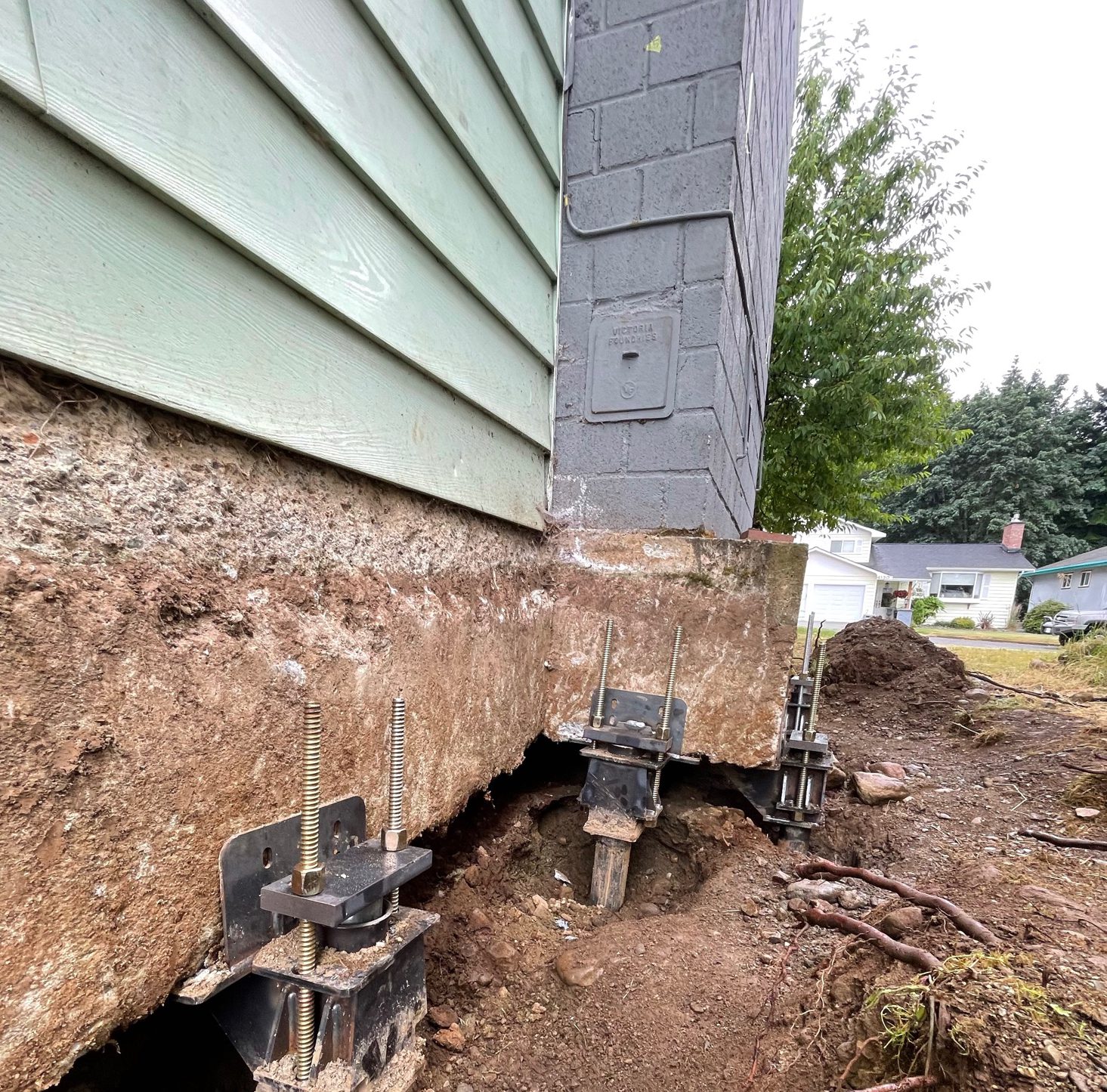
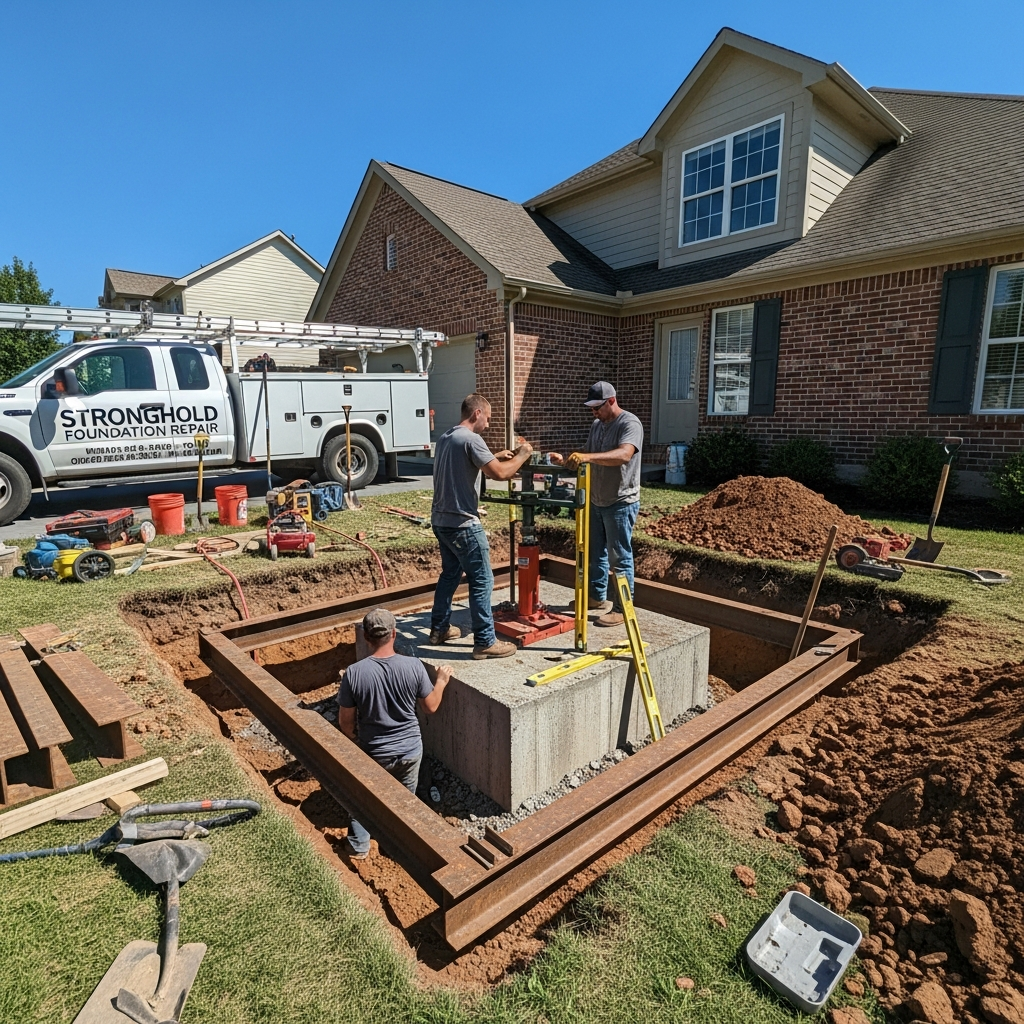
When a foundation is sinking (settlement), push piers or helical piers are often used. These are steel supports driven deep into the ground until they reach load-bearing strata (stable soil or bedrock). The weight of the home is then transferred from the weak soil to the piers, effectively "anchoring" your home in place.
Crack Injection
For non-structural cracks that allow water intrusion, contractors use high-pressure epoxy or polyurethane resin injections. These materials expand to fill the void, creating a flexible, watertight seal that prevents basement leaks.
Comparison of Foundation Repair Solutions
| Repair Method | Primary Purpose | Installation Speed | Best For |
|---|---|---|---|
| Helical Piers | Settlement correction | Moderate | Sinking corners or sections |
| Carbon Fiber Straps | Lateral wall reinforcement | Fast | Bowing or cracked walls |
| Polyurethane Injection | Water leakage control | Very Fast | Non-structural hairline cracks |
| Steel I-Beams | Structural wall support | Moderate | Severely bowed basement walls |
Choosing a Reputable Contractor in Livonia
The foundation repair industry is highly specialized. When vetting companies serving the Livonia area, prioritize those that provide clear, written engineering reports rather than "pressure sales" quotes.
- Verify Licensing: Ensure the company maintains current Michigan contractor licenses and carries appropriate liability and workers' compensation insurance.
- Ask About Soil Testing: While not always required for small jobs, complex foundation projects should be supported by soil testing or an evaluation by a structural engineer to ensure the proposed solution is adequate for local geography.
- Review Warranty Terms: Foundation work is a long-term investment. Ask if the warranty is transferable to future owners of your home, as this can affect resale value.
- Check Local Permits: In Livonia, foundation work often requires municipal permits. A professional contractor will handle the permit and inspection process to ensure the work meets local building codes.
Preventing Future Damage
Once you have invested in professional repairs, you must protect your home from recurring issues. Maintaining proper site drainage is the single most important factor. Keep your gutters clean and ensure downspouts extend at least 6–10 feet away from the foundation perimeter. Regularly inspect your basement for new signs of water or movement. By keeping the soil moisture levels consistent around your home, you mitigate the risk of the clay soil shrinking and swelling, which is the primary cause of damage for properties in Livonia.
Frequently Asked Questions
Is every crack in my basement wall a structural emergency? No. Most poured concrete foundations develop hairline cracks as the concrete cures. If the crack is thin, does not leak, and has not changed size in years, it may be a minor cosmetic issue. However, any crack that is widening, leaking, or showing a "step" pattern should be evaluated by a professional.
How long does a typical foundation repair project take? The duration varies based on the severity of the damage. Simple crack injections can be completed in a few hours. More complex projects, such as installing a piering system around the perimeter of a home, typically take three to five days, depending on weather conditions and soil accessibility.
Will foundation repairs improve the resale value of my home? Yes, but primarily because they remove a "red flag" from the home inspection process. Buyers are often deterred by signs of foundation failure; having professional, warrantied repairs with documented engineering support provides peace of mind and keeps the sale moving forward.
Should I hire a structural engineer before calling a contractor? If you have concerns about the safety or severity of the foundation movement, hiring an independent structural engineer is the safest route. They provide an unbiased assessment of whether you need significant structural intervention or if the issue can be addressed with landscaping and drainage adjustments.
Can I perform foundation repairs as a DIY project? Generally, no. Foundation repair requires specialized heavy machinery, structural expertise, and an understanding of soil mechanics. Incorrectly attempting to "lift" a house or brace a wall can lead to catastrophic damage to the home’s framing and plumbing. Always use licensed and insured professionals for foundation work.
Recommendation
If you suspect foundation issues, do not wait for the next heavy rainfall to take action. Begin by documenting the location and width of any cracks in your basement. Schedule a consultation with at least two or three local foundation contractors to compare their recommended solutions and professional estimates. Prioritize firms that offer an in-depth explanation of the "why" behind their chosen repair method rather than just focusing on the cost.
Image Gallery