How Ending Whole Life Insurance Works: A Comprehensive Guide
Ending a whole life insurance policy, often referred to as surrendering the policy, involves terminating your coverage in exchange for the policy's accumulated cash value. This process requires a formal request to your insurance provid...
Ending a whole life insurance policy, often referred to as surrendering the policy, involves terminating your coverage in exchange for the policy's accumulated cash value. This process requires a formal request to your insurance provider, which triggers the cancellation of death benefits and the payout of the surrender value, minus any applicable fees or outstanding policy loans.
Contents
Understanding the Mechanics of Whole Life Insurance
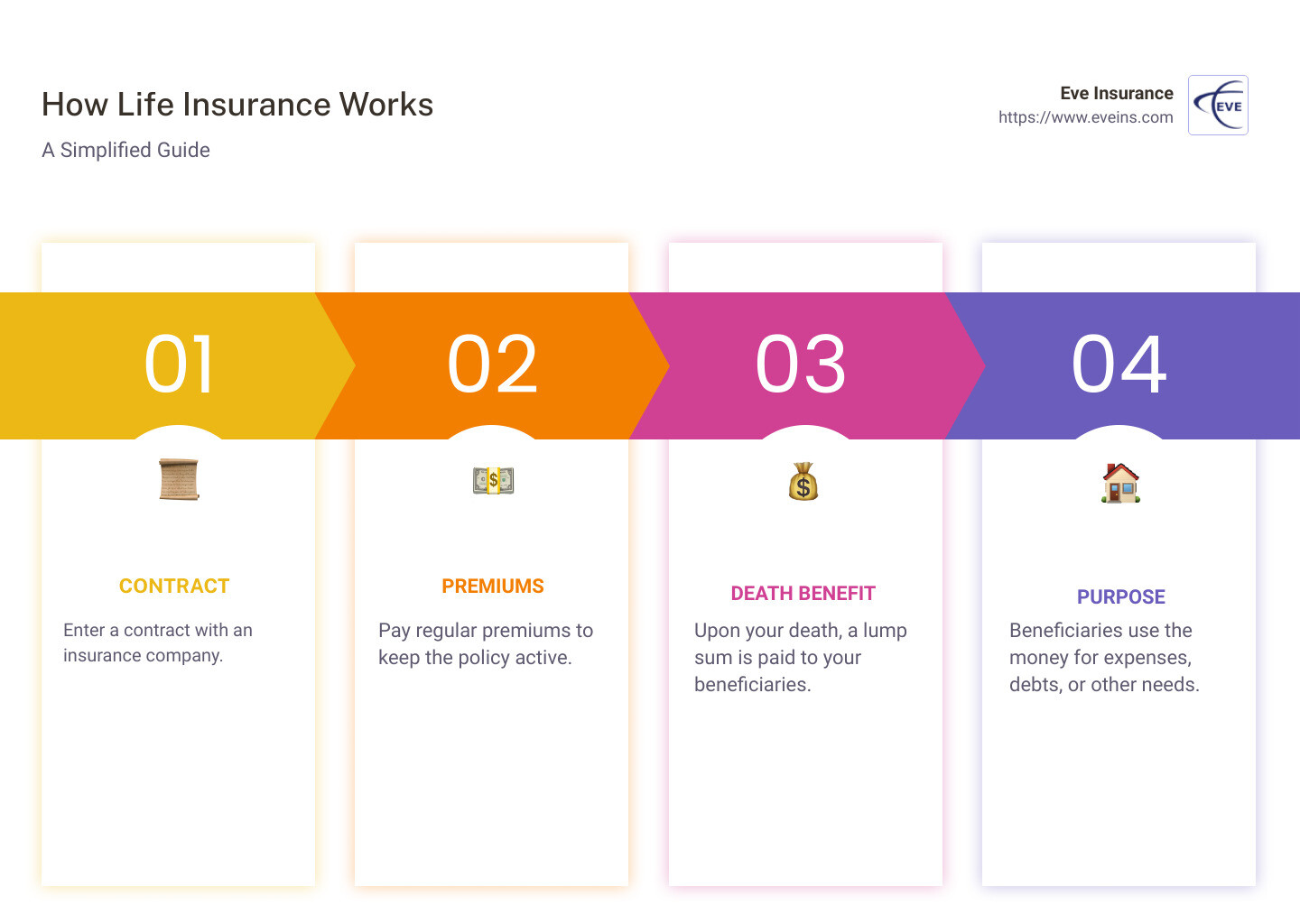
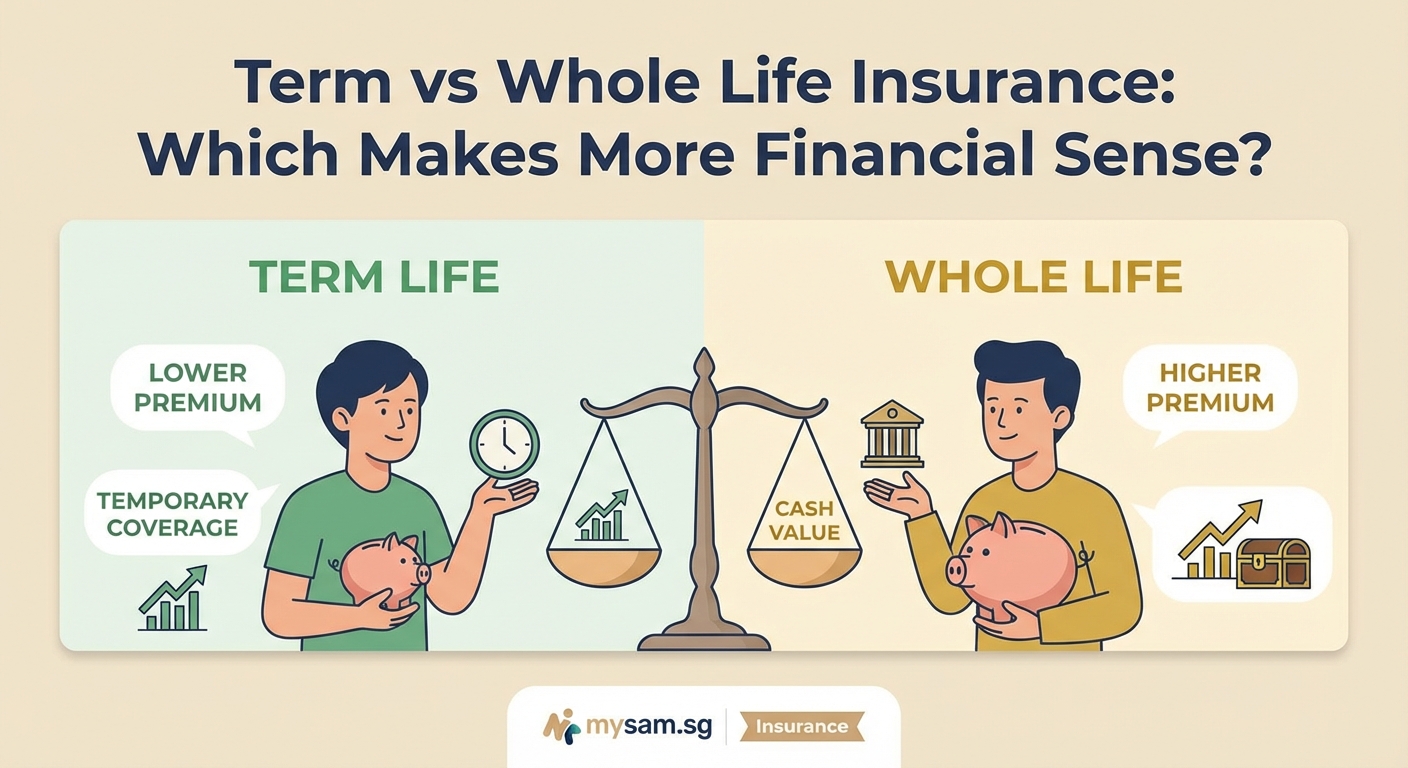
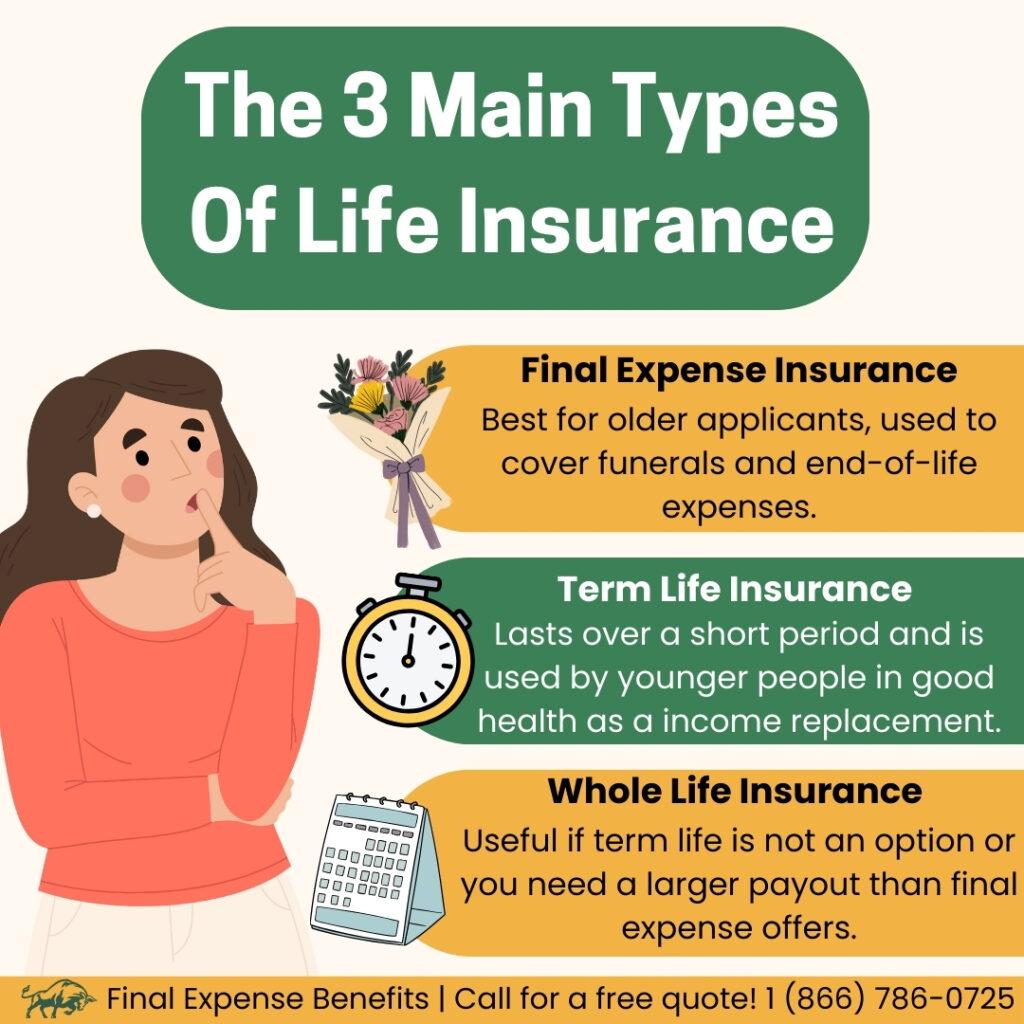
Whole life insurance is a permanent policy that provides coverage for the entirety of an individual’s life, provided the premiums are paid. Unlike term life insurance, which only covers a specified period, whole life insurance includes a "cash value" component. A portion of your premium payments is directed into this tax-advantaged savings element, which grows over time based on the insurer's dividend schedule or interest rates.
When you decide to end a whole life insurance policy, you are effectively opting to stop paying premiums and forfeit the future death benefit in return for the liquid assets currently held within the policy. It is vital to understand that this is a permanent decision; once surrendered, you cannot typically reinstate the policy under the original terms.
The Cash Value Accumulation Process
Before contemplating ending your policy, you must understand how the surrender value is calculated. The cash value in a whole life policy typically starts at zero or near-zero in the initial years, as premium payments are heavily weighted toward administrative costs, mortality charges, and agent commissions. Over several decades, the cash value grows as the policy earns interest or dividends.
When you submit a request to end your policy, the insurer calculates the net cash surrender value. This is derived by taking the accumulated cash value and subtracting any "surrender charges"—which are fees applied if you cancel the policy within a certain window (often the first 10–15 years)—and any outstanding policy loans or unpaid interest.
Steps to Effectively Terminate Your Policy
Terminating a whole life insurance contract is a formal process that requires adherence to the insurer's specific protocols.
- Review the Policy Documents: Locate your original policy contract. Look for sections labeled "Surrender Value," "Termination," or "Non-Forfeiture Options." This section will detail the penalties and the specific methodology for calculating your payout.
- Request a Surrender Quote: Contact your insurance carrier’s customer service department or your assigned agent. Ask for a "surrender quote." This document provides a precise, time-sensitive estimate of the amount you will receive. Do not proceed until you have this figure in writing.
- Evaluate Tax Implications: The cash value you receive is taxed on the portion that exceeds the "cost basis" of the policy (the total premiums you paid, minus any dividends received). If you have a large gain, you may owe income tax.
- Submit the Surrender Form: Carriers require a formal "Surrender Request Form." This form will require your signature, and often a notary or a medallion signature guarantee, to prevent fraud.
- Confirm Disbursement: Once the form is processed, the insurer will issue a check or electronic transfer for the surrender value. Keep documentation of this transaction for your 2026 tax filings.
Comparison of Alternatives to Surrender
Ending your policy is not the only way to access the cash value. Before you finalize the cancellation, consider these alternatives that might better align with your financial goals.
| Alternative | Description | Potential Benefit |
|---|---|---|
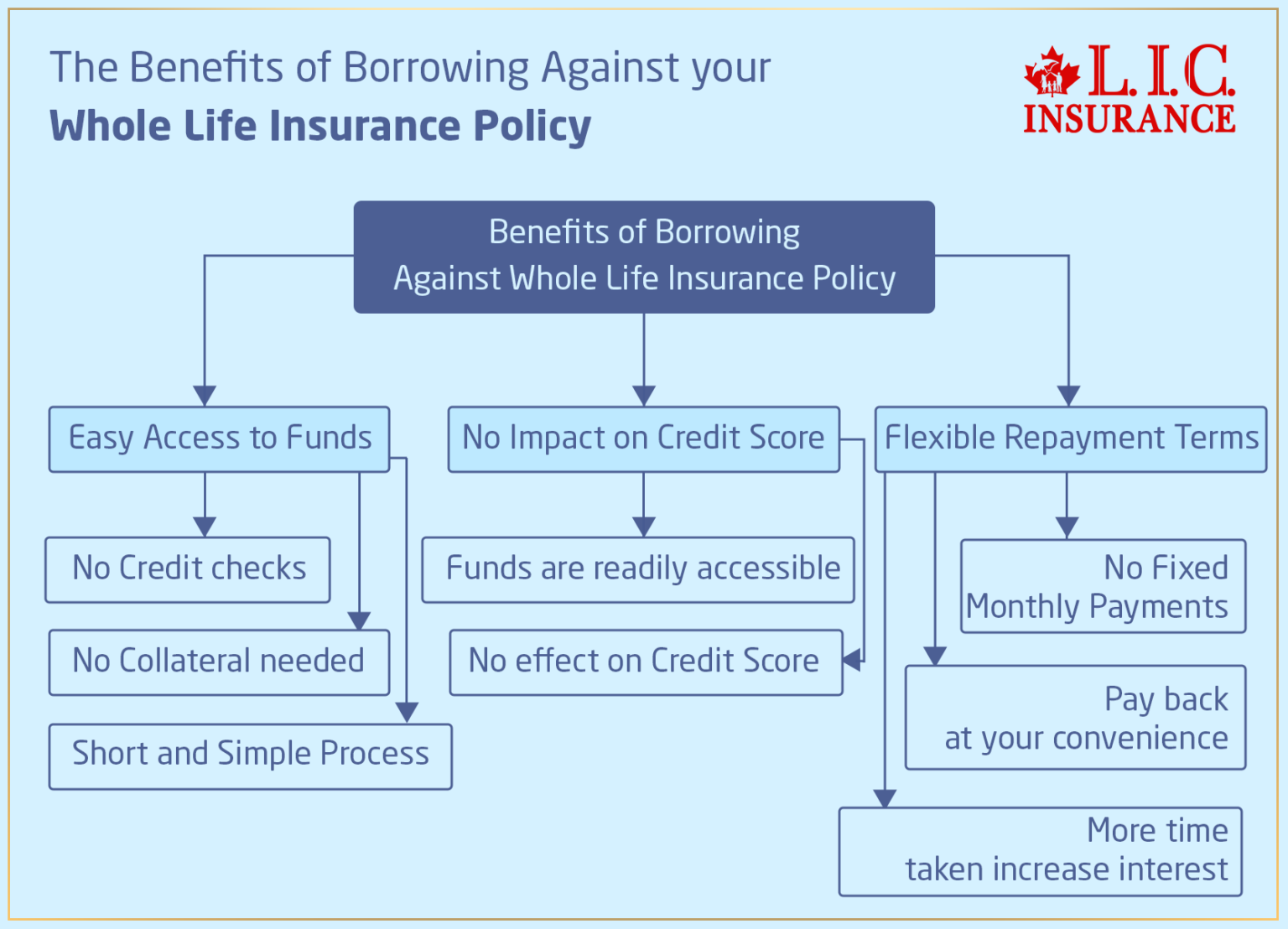
| Policy Loan | Borrowing against the cash value while keeping the policy active. | Immediate cash access without terminating coverage. |
| Partial Surrender | Withdrawing a portion of the cash value rather than the total. | Keeps some death benefit in place while providing liquidity. |
| Reduced Paid-Up | Stopping premiums and reducing the death benefit to a lower, fully paid amount. | Eliminates premiums while maintaining some legacy protection. |
| Policy Sale (Life Settlement) | Selling the policy to a third-party investor for more than the cash value. | Often yields a higher payout than surrendering to the insurer. |
Financial and Tax Considerations
The primary financial consequence of ending a whole life policy is the loss of the death benefit. If you still require life insurance coverage, ending a whole life policy without having a replacement plan in place can expose your beneficiaries to financial hardship.
Furthermore, if your policy has experienced significant growth, the tax consequences can be substantial. Since the IRS views the growth of cash value as taxable income once realized through surrender, you should consult with a tax professional before initiating the request. In 2026, tax brackets and capital gains rules remain complex, and a premature surrender could push you into a higher marginal tax bracket for the current fiscal year.
Common Mistakes to Avoid
- Failing to account for surrender charges: Many policyholders assume they will receive the full "cash value" listed on their annual statement, forgetting that early termination often incurs heavy penalties.
- Assuming you can re-apply later: If your health has declined since you purchased the original policy, obtaining new coverage may be prohibitively expensive or impossible due to underwriting requirements.
- Ignoring outstanding loans: If you have borrowed against the policy, those loans must be repaid from the surrender value, which significantly reduces the cash you actually receive.
- Missing the "Free Look" period: If you recently purchased a policy and have changed your mind, you may be within the "free look" period (typically 10–30 days), which allows you to cancel for a full refund without surrender charges.
Frequently Asked Questions
Does the insurance company notify me of surrender charges? Yes, the company is required to provide a statement showing the gross cash value and any applicable surrender charges when you request a quote. Always review this breakdown carefully before signing the final request.
How long does the surrender process take? Typically, the process takes between 10 to 30 business days from the date the insurer receives your completed paperwork. Delays often occur due to incomplete forms or the requirement of a medallion signature guarantee.
Is the surrender value guaranteed? The cash value that has accumulated is generally guaranteed by the insurer, provided you have paid all premiums. However, the final payout amount will fluctuate based on the timing of your request and any outstanding policy loans.
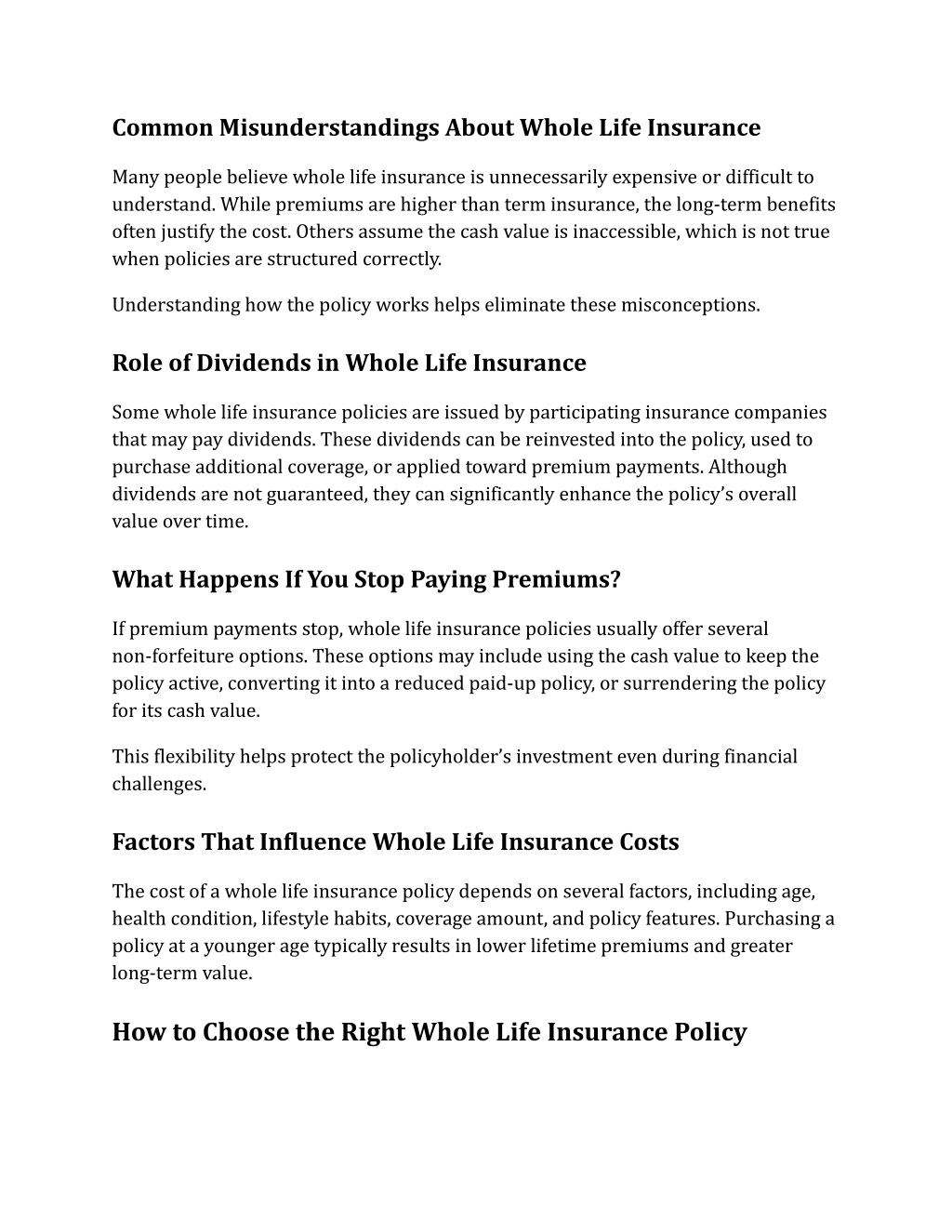
Can I stop paying premiums instead of surrendering? Yes, depending on your policy’s "non-forfeiture options." You may be able to convert the policy to a "reduced paid-up" status, where the death benefit is lowered, but you no longer need to pay premiums.
What is a life settlement, and should I consider it? A life settlement is the sale of your policy to a third party. It is typically only an option for those aged 65 or older or those with chronic health conditions. It may provide more cash than a standard surrender, but it involves third-party buyers and a more complex transfer process.
Final Recommendation
Before ending your whole life insurance policy, conduct a thorough audit of your current financial needs. If the policy was purchased as a tool for wealth preservation or estate planning, consult with a fee-only financial advisor to determine if your original objectives have changed or if the policy is no longer serving its intended purpose. If you conclude that the cash is more valuable than the death benefit, secure a written surrender quote from your provider and confirm the exact tax implications with a professional before finalizing the surrender paperwork.
Image Gallery