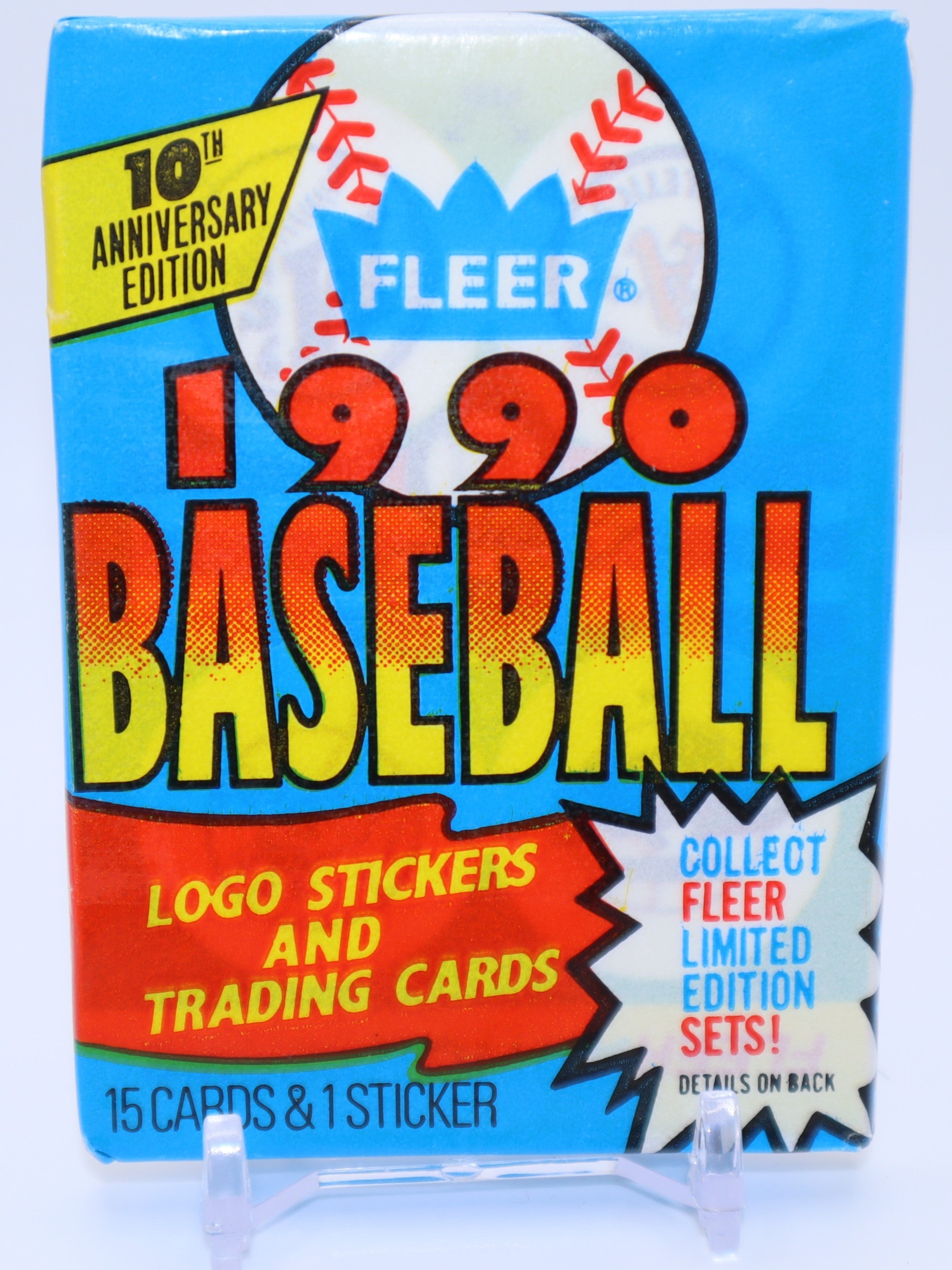
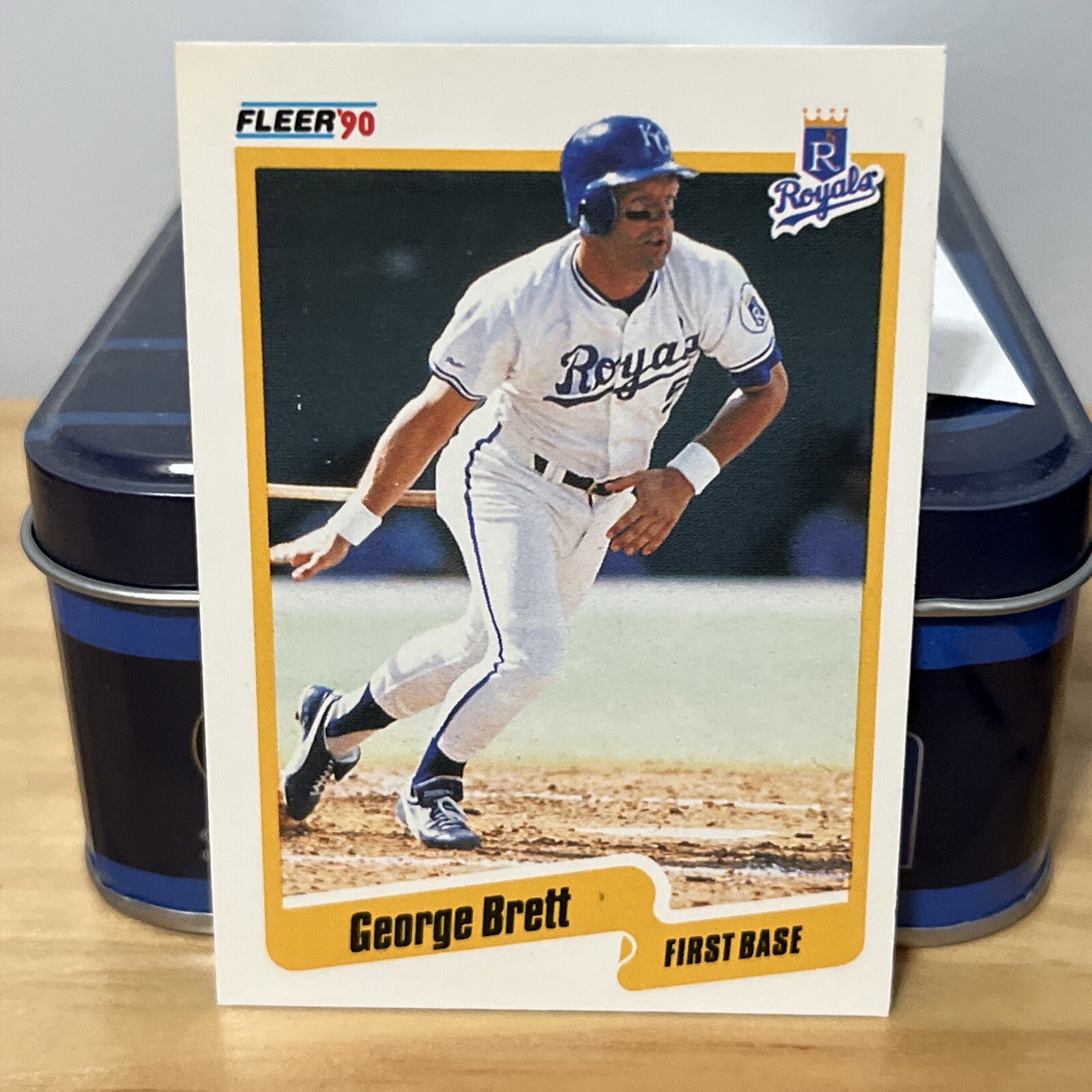
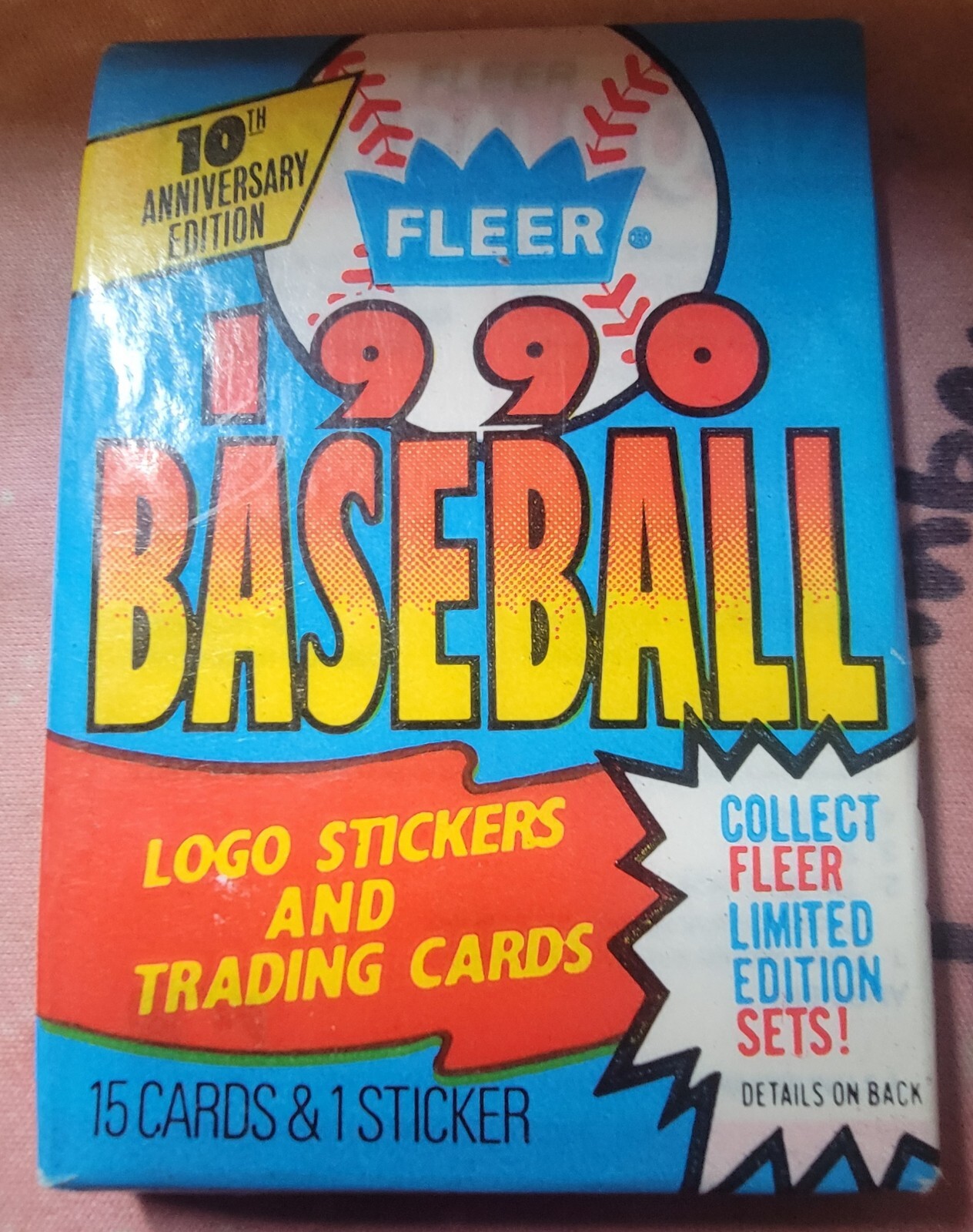
The Most Valuable 1990 Fleer Baseball Cards to Target in 2026
The 1990 Fleer baseball card set is characterized by its high-volume production, making most of the base cards relatively affordable. However, the most valuable cards in the set are defined by the intersection of high-grade condition (...
The 1990 Fleer baseball card set is characterized by its high-volume production, making most of the base cards relatively affordable. However, the most valuable cards in the set are defined by the intersection of high-grade condition (PSA 10) and the Hall of Fame status of the featured players, such as Ken Griffey Jr., Cal Ripken Jr., and Nolan Ryan.
Contents
Understanding the 1990 Fleer Market Landscape
The 1990 Fleer set is often considered the peak of the "junk wax era," a period between 1987 and 1994 when mass-production practices saturated the market. Because millions of these cards were printed, rarity is not found in the card itself, but rather in the scarcity of "Gem Mint" specimens. As of 2026, collectors are no longer looking for raw, ungraded cards to build value; they are looking for cards that have survived three decades without surface wear, centering issues, or soft corners.
To understand the valuation of these cards, one must look at the technical grading standards established by industry leaders like PSA (Professional Sports Authenticator) and SGC (Sportscard Guaranty Corporation). A card that might sell for a few dollars in a local hobby shop can fetch significantly more if it carries a PSA 10 population-constrained grade.
Key Drivers of Value for 1990 Fleer Cards
When evaluating the worth of your collection, consider these three pillars of market valuation:
- Centering: The 1990 Fleer design, characterized by the light-colored border, makes centering issues immediately obvious. A card must be near-perfectly centered (typically 50/50 to 60/40) to achieve a high grade.
- Edge and Corner Integrity: The card stock used by Fleer in 1990 was prone to chipping along the edges. Cards that maintain a crisp, untouched factory edge are the primary drivers of premium pricing.
- Surface Condition: The glossy finish on the front of the cards is susceptible to "fisheyes" (printing defects) and light scratching. Collectors in 2026 place a high premium on cards free of these factory-induced blemishes.
Top Valuable Cards in the 1990 Fleer Set
While the set is largely common-heavy, specific cards maintain consistent interest due to player legacy. The following table highlights cards that hold the most consistent market interest for high-grade collectors.
| Card Number | Player Name | Significance | Market Status (2026) |
|---|---|---|---|
| 548 | Ken Griffey Jr. | Iconic superstar | High demand in PSA 10 |
| 350 | Cal Ripken Jr. | Hall of Famer | Stable value |
| 475 | Nolan Ryan | All-time strikeout leader | Strong interest |
| 573 | Randy Johnson | Future HOFer | Growth potential |
| 623 | Bo Jackson | Cultural icon | High demand |
Technical Analysis of Grading Impact
In 2026, the cost of professional grading often exceeds the value of the raw card. For a 1990 Fleer card to be "valuable," the potential market price of a graded slab must justify the investment of grading fees and shipping. Collectors typically follow the "threshold rule": only submit cards that show zero signs of wear under a 10x jeweler’s loupe.
Professional Grading Guidelines
Evaluation Criteria: Before sending a card to a professional service, perform a thorough inspection under bright, indirect light. Look for microscopic surface scratches, corner fraying, and color bleed at the borders.
Economic Feasibility: With current grading turnaround times and insurance costs, ensure the projected market value of the card at a Grade 10 exceeds the total cost of submission by at least 30 percent to ensure a viable return on investment.
Frequently Asked Questions About 1990 Fleer Cards
Are 1990 Fleer cards a good long-term investment? Most 1990 Fleer cards are not considered traditional financial investments due to their high population counts. They are best viewed as entry-level collecting pieces or nostalgic assets, with value appreciation generally limited to the very highest-graded examples (PSA 10).
Why is my card worth less than the price guides suggest? Price guides often list the value of "Gem Mint" cards. If your card is ungraded or shows light wear, it is likely worth significantly less, often only a fraction of the listed price for a perfect specimen.
How do I identify a 1990 Fleer error card? While there are minor printing variations in the 1990 set, few are considered "major" errors that command significant premiums. Always verify error claims against reputable 2026 database registries before assuming a card has scarcity value.
Should I sell my collection now? If you are holding a large volume of raw, ungraded 1990 Fleer cards, the current market is saturated. The best time to sell is when you can aggregate cards into sets or seek out specific buyers looking to complete their own collections rather than trying to sell individual base cards.
Practical Steps for Aspiring Collectors and Sellers
If you are looking to curate your collection for maximum value, follow this systematic approach:
- Inventory: Organize your cards by player and condition. Separate cards with visible flaws from those that appear sharp.
- Verify Population Reports: Before grading, visit the PSA or SGC website to check the "Population Report." If there are already thousands of PSA 10s of a specific player, the potential for price growth is mathematically limited.
- Storage Standards: Use acid-free, archival-quality sleeves and top-loaders. In 2026, the industry standard is to protect cards from UV light and humidity to prevent further degradation of the card stock.
- Market Comparison: Use real-time sold listings from major auction platforms to determine current market clearing prices rather than relying on outdated book values.
Strategic Recommendations
Focus your collection efforts on "Star" players who have continued to see increased historical appreciation. Players like Ken Griffey Jr. remain the gold standard for the 1990 era. If you are selling, consider grouping your cards into complete sets, as these are easier to move than thousands of individual, low-value cards. For those interested in the preservation of the hobby, prioritize the acquisition of high-grade, slabbed cards, as these provide the most transparent valuation for any future transactions.
Image Gallery