D Square Foundation Repair: Comprehensive Guide to Structural Stabilization and Residential Solutions
D Square Foundation Repair is a specialized structural contractor based in the Dallas-Fort Worth Metroplex, primarily focused on restoring the integrity of residential concrete slabs and pier-and-beam foundations. Utilizing hydraulic p...
D Square Foundation Repair is a specialized structural contractor based in the Dallas-Fort Worth Metroplex, primarily focused on restoring the integrity of residential concrete slabs and pier-and-beam foundations. Utilizing hydraulic pressed pier technology and comprehensive drainage correction, they address the significant soil instability issues inherent to the North Texas region.
Contents
Foundation integrity is the most critical component of a building's longevity, especially in geographic regions characterized by expansive clay soils. For homeowners in North Texas, the name D Square Foundation Repair is synonymous with addressing the unique geological challenges of the Eagle Ford Shale and other volatile soil formations. As of 2026, the demand for sophisticated foundation stabilization has increased as climate-driven moisture cycles become more extreme, leading to unprecedented levels of soil contraction and expansion.
The Geological Context of Foundation Failure in North Texas
To understand the necessity of specialized services like those provided by D Square Foundation Repair, one must first understand the "Plasticity Index" (PI) of the local soil. In the Dallas-Fort Worth area, the soil is predominantly composed of heavy clays. These clays are "expansive," meaning they act like a sponge. When it rains, the soil volume increases significantly; during the hot, dry Texas summers, the moisture evaporates, causing the soil to shrink and pull away from the foundation.
This constant "cycling" puts immense stress on concrete slabs. When the soil shrinks unevenly, the foundation loses its uniform support, leading to "differential settlement." This is where one part of the house sinks while another remains stable, resulting in the structural cracks, sticking doors, and uneven floors that homeowners frequently encounter. D Square Foundation Repair designs its intervention strategies specifically to counteract these subterranean shifts by transferring the load of the home from the unstable surface clay to more competent load-bearing strata deeper underground.
Primary Repair Methodologies for 2026
D Square Foundation Repair employs several distinct methodologies depending on the construction type of the home and the specific nature of the soil failure. The choice of piering system is the most significant technical decision in any repair project.
Concrete Pressed Piers
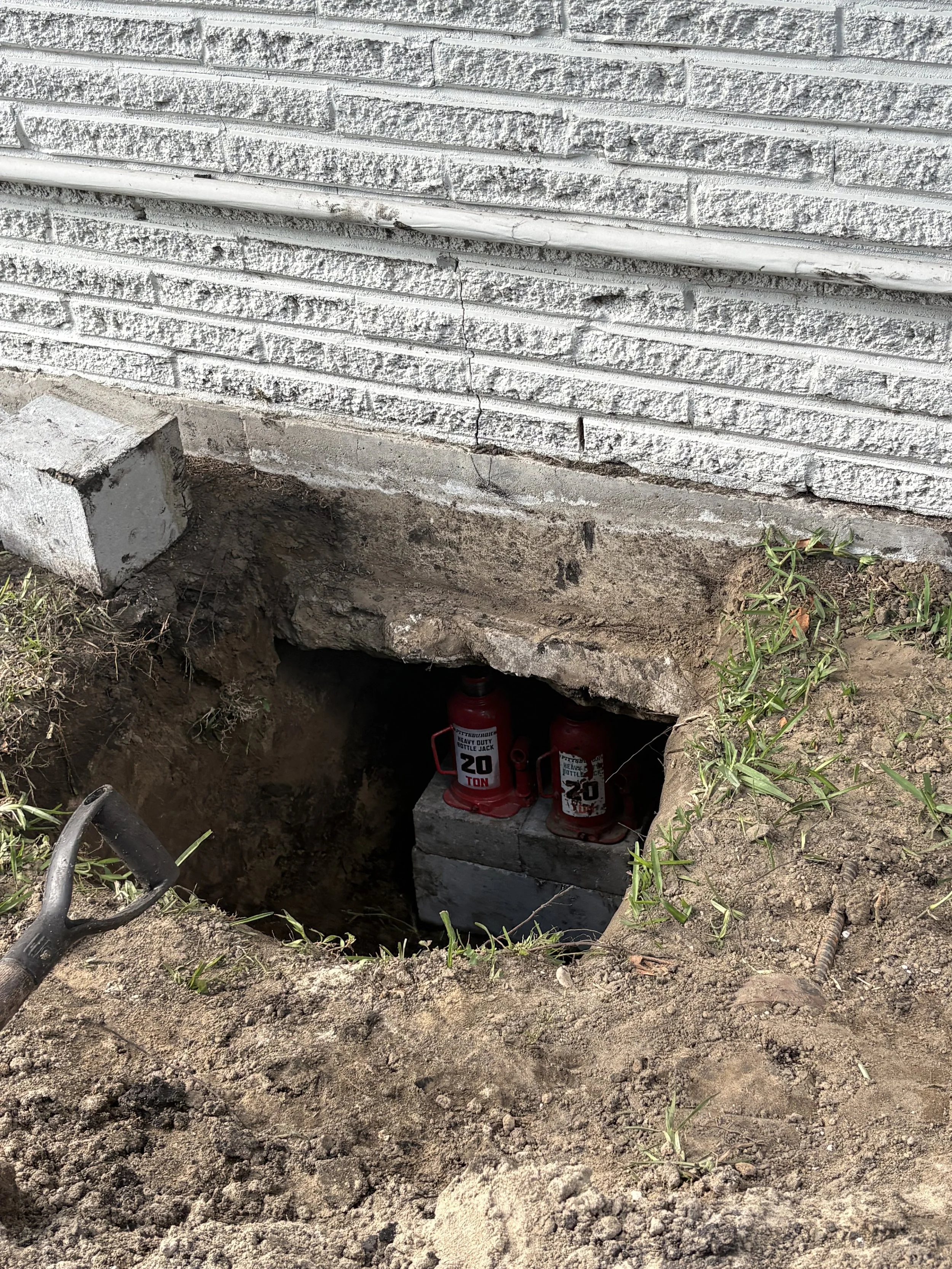
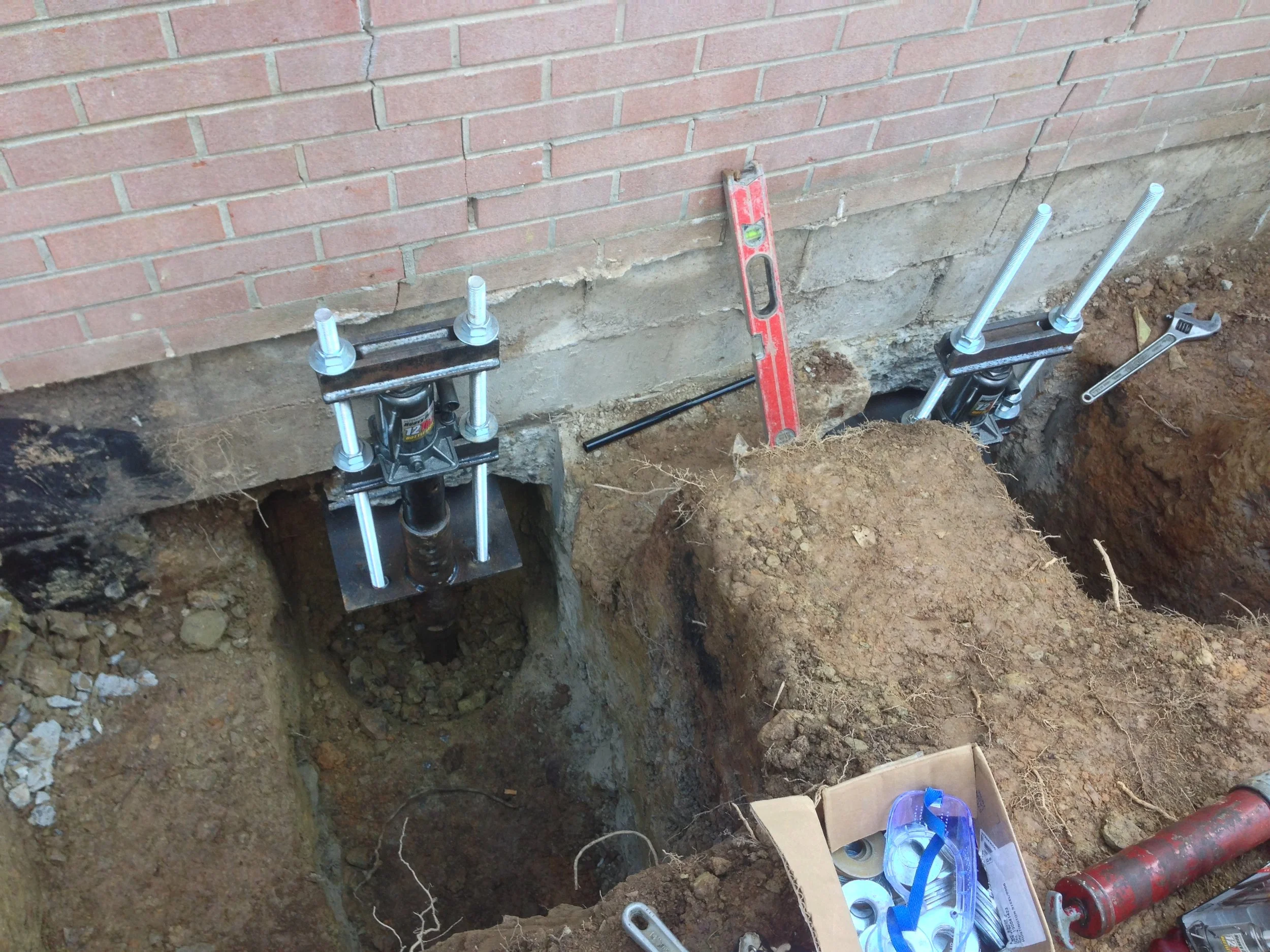
Concrete pressed piers remain the most common and cost-effective solution for residential slab foundations in 2026. This method involves using the weight of the house itself as resistance. Hydraulic jacks are used to drive pre-cast concrete cylinders (typically 6 inches in diameter and 12 inches long) into the ground until they reach "refusal."
Refusal occurs when the friction and end-bearing resistance of the soil exceed the force required to lift the house. This ensures that the pier is seated in stable soil or rock. One of the primary advantages of this method is that it is relatively quick to install and provides immediate stabilization. However, its success depends heavily on the experience of the crew in ensuring the piers are driven vertically and to a sufficient depth to bypass the "active zone" of moisture fluctuation.
Steel Pressed Piers
For homes built on particularly deep clay or where the load-bearing strata are exceptionally far below the surface, steel piers are often recommended. Steel piers consist of high-strength steel tubing that can penetrate much deeper than concrete piers. They have a smaller surface area, which allows them to cut through dense clay layers more effectively to reach true load-bearing rock or lithified shale.
While more expensive than concrete, steel piers are often considered a "permanent" solution for high-value properties or areas with known deep-seated soil issues. They offer a higher factor of safety and are less likely to be affected by future shifts in the upper soil layers.
Pier and Beam/Crawl Space Repair
Many older homes in the DFW area are built on pier and beam foundations. These structures face different challenges than slabs, such as wood rot, shim failure, or the settling of interior support posts. D Square Foundation Repair addresses these by:
- Replacing collapsed or decayed wooden "sill" beams.
- Installing new concrete "sonotubes" or pads to support interior loads.
- Re-shimming the contact points between the piers and the beams to level the floor.
- Improving crawl space ventilation to prevent future moisture-related decay.
The Role of Drainage Correction in Foundation Longevity
A common mistake homeowners make is assuming that piers alone will solve foundation problems. D Square Foundation Repair emphasizes that piers are a reactive solution, while drainage correction is a proactive one. If water is allowed to pond against a foundation, it can cause "heave," where the soil swells so much it pushes the foundation upward—a condition that piers cannot easily fix.
French Drains and Surface Drains
In 2026, integrated water management is a standard part of foundation maintenance. French drains are used to intercept subsurface water migrating toward the foundation. These involve a perforated pipe buried in a gravel-filled trench that redirects water away from the structure. Surface drains, or "catch basins," are used to collect standing water from low spots in the yard and pipe it to the street or a natural drainage area.
Gutter and Downspout Management
Often, the simplest solution is the most overlooked. D Square Foundation Repair frequently evaluates the home's gutter system. If downspouts discharge water directly at the base of the foundation, it saturates the soil at the corners, leading to localized settlement. Extending downspouts at least five to ten feet away from the house is a fundamental requirement for maintaining soil moisture equilibrium.
Technical Comparison of Foundation Stabilization Methods
| Feature | Concrete Pressed Piers | Steel Pressed Piers | Helical Piers |
|---|---|---|---|
| Primary Use | Standard residential slabs | Deep clay / Heavy loads | Light structures / Tension |
| Installation Depth | 12–20 feet typically | 20–70+ feet | Varies by torque |
| Cost Profile | Moderate / Economical | High | High |
| Required Resistance | Weight of the structure | Weight of the structure | Mechanical torque |
| Longevity | High (if at refusal) | Exceptional | Exceptional |
| Disturbance | Moderate excavation | Minimal excavation | Moderate |
The Inspection and Repair Process: Step-by-Step
Engaging with a specialist like D Square Foundation Repair typically follows a standardized technical workflow to ensure structural accuracy.
- Initial Elevation Survey: A technician uses a digital water level (such as a Ziplevel) to map the current elevations of the home. This creates a "contour map" of the floor, identifying exactly which areas have dropped and by how much.
- Visual Inspection: The team looks for "indicator" signs, such as stair-step cracks in exterior brickwork, separations in window frames, and interior drywall cracks.
- Permitting and Engineering: In most North Texas municipalities, a building permit and a plan sealed by a Third-Party Professional Engineer (PE) are required before work begins. This ensures the repair plan is structurally sound.
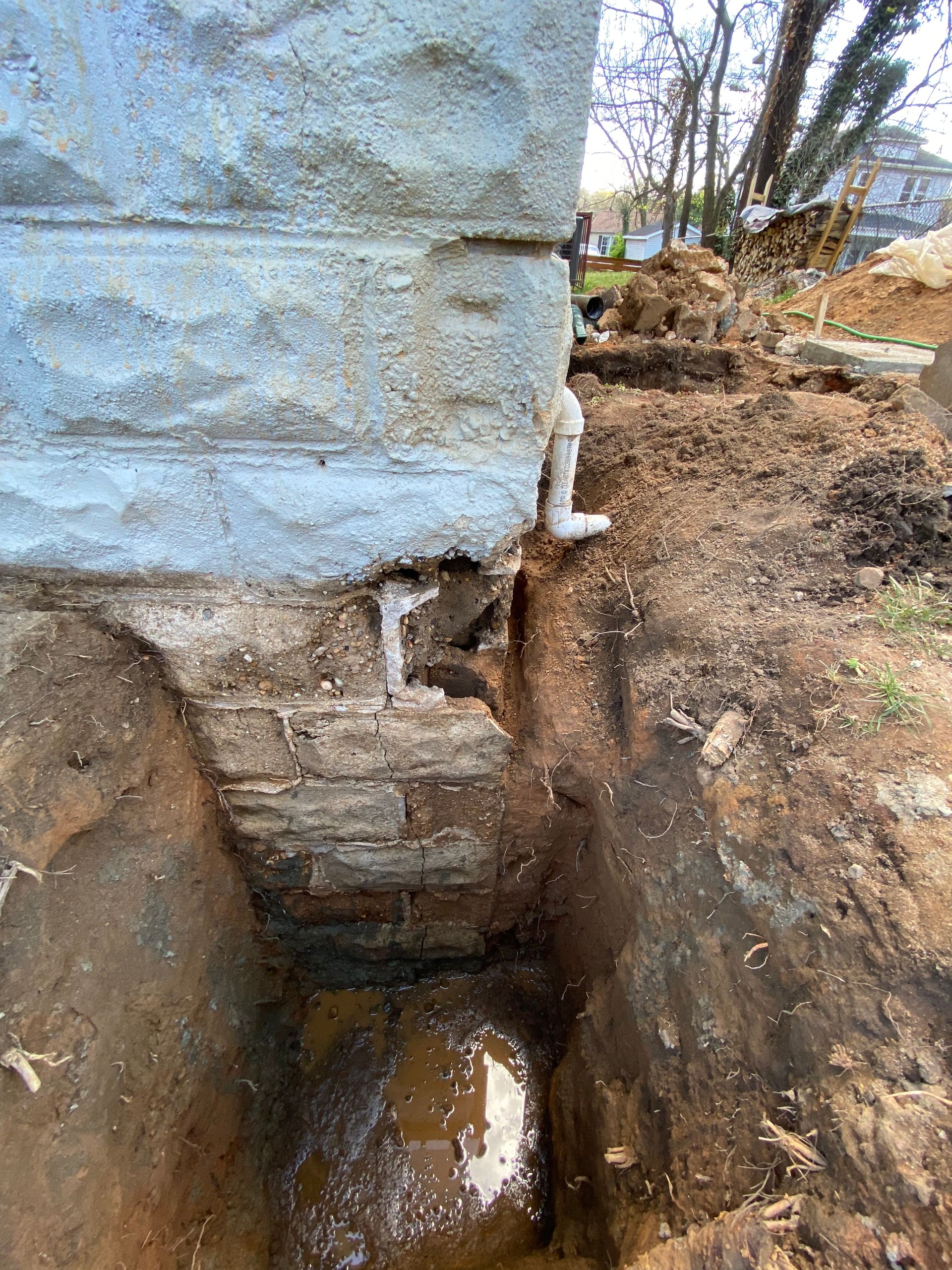
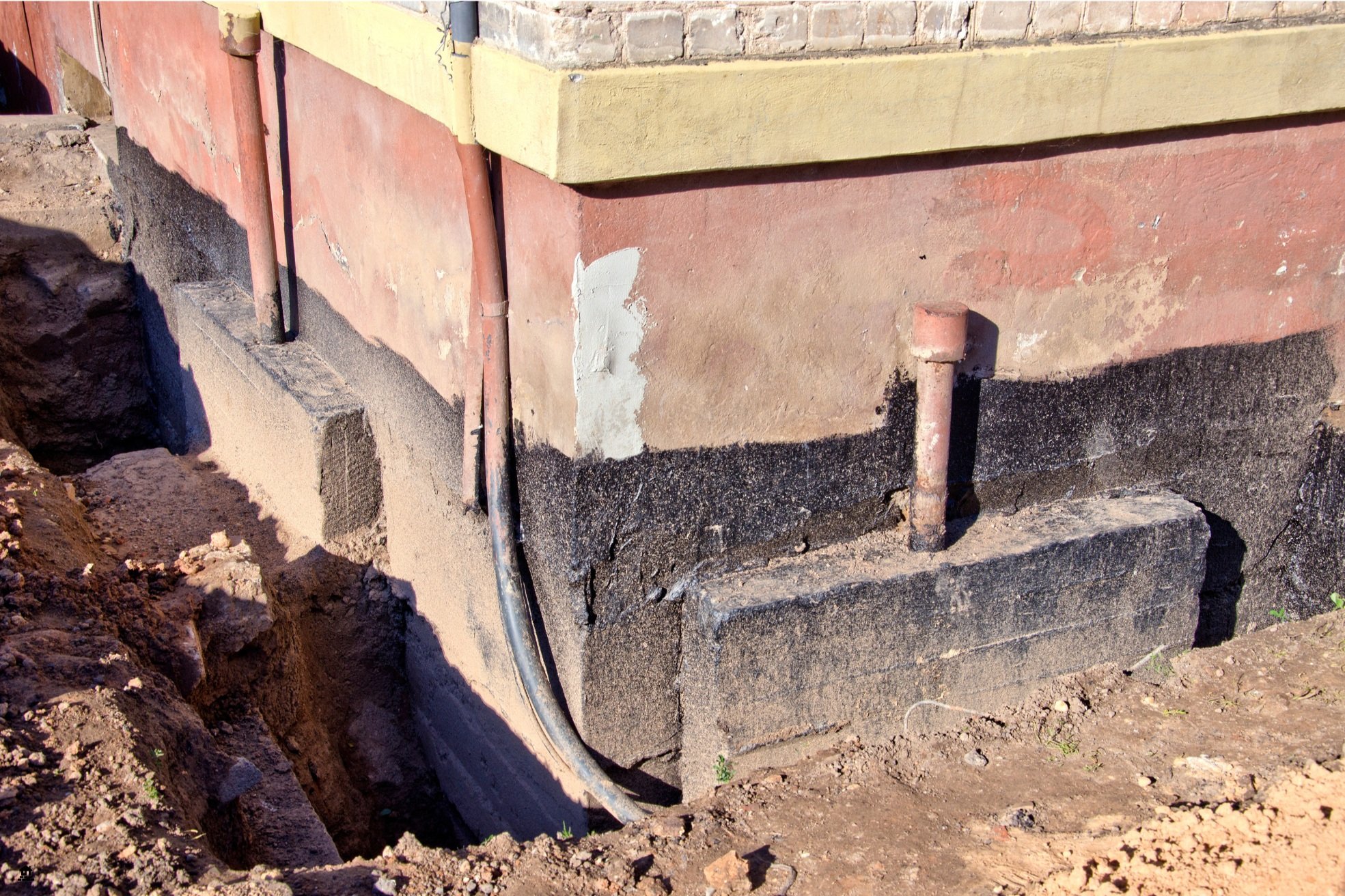
- Excavation: Holes (usually 2x2 feet) are dug at each pier location around the perimeter of the foundation. If interior piers are needed, small sections of the floor must be removed.
- Driving the Piers: Using hydraulic rams, the pier segments are driven into the ground until the structure begins to lift or refusal is reached.
- The "Lift": This is the most delicate stage. Technicians carefully synchronize the hydraulic jacks to raise the low areas of the house back toward their original horizontal plane. The goal is to close cracks and level doors without causing new structural stress.
- Securing and Backfilling: Once leveled, the piers are topped with a concrete cap and steel shims. The excavated holes are then backfilled and compacted.
Cost Considerations for 2026
Foundation repair costs are influenced by the number of piers required, the depth to stable soil, and the complexity of the home's footprint. As of 2026, homeowners should expect the following general price ranges in the Texas market:
- Minimum Repair: Small-scale stabilization (8–10 piers) may cost between $4,500 and $6,500.
- Average Whole-House Stabilization: For a standard 2,000-square-foot home requiring 20–30 piers, costs typically range from $10,000 to $18,000.
- Complex Projects: If interior piers, extensive drainage work, and plumbing repairs (hydrostatic testing) are required, costs can exceed $25,000.
It is important to note that many foundation repair companies offer lifetime transferable warranties. These warranties are vital for property resale value, as they provide the next buyer with the assurance that the structural work is backed by the contractor.
Identifying When to Call a Specialist
Not every crack is a sign of foundation failure. "Shrinkage cracks" in new concrete are common and often superficial. However, certain signs necessitate a professional evaluation from D Square Foundation Repair:
- Horizontal or Diagonal Cracks: Especially those wider than 1/8th of an inch or those that show signs of displacement (one side of the crack is higher than the other).
- Doors and Windows Out of Square: If a door suddenly begins to rub at the top or refuses to latch, it indicates the frame has shifted.
- Nail Pops: In drywall, if the heads of nails or screws begin to push through the tape and paint, it suggests the underlying studs are twisting due to foundation movement.
- Frieze Board Separation: The wooden board at the top of an exterior brick wall (the frieze board) will often show gaps at the corners if the foundation is sinking.
Frequently Asked Questions
How long does a typical foundation repair take?
Most residential projects managed by D Square Foundation Repair are completed within 2 to 5 days. The duration depends on the number of piers and whether interior work is required. Drainage correction may add another 1 to 2 days to the timeline.
Does homeowners insurance cover foundation repair?
Generally, standard homeowners insurance policies do not cover foundation repair caused by soil compaction, expansion, or settlement. Coverage is usually only available if the damage was caused by a specific "covered peril," such as a major plumbing leak (hydrostatic failure) that washed out the soil.
Will foundation repair fix all the cracks in my walls?
The goal of foundation repair is to stabilize and level the structure. While many cracks will close or narrow during the "lift" process, the repair does not include cosmetic fixes. Homeowners should wait 6 to 8 weeks after the foundation is stabilized before repairing drywall and repainting to allow the house to "settle" into its new position.
What is a hydrostatic pressure test, and why is it needed?
After a foundation is lifted, there is a risk that under-slab plumbing pipes (sewer and water lines) may have been stressed or broken. A hydrostatic test involves plugging the sewer lines and filling them with water to see if the level holds. D Square Foundation Repair often recommends this test to ensure no leaks were created that could cause future soil issues.
Can I stay in my home during the repair?
Yes, in almost all cases, the home remains habitable during the process. The work is primarily performed on the exterior. If interior piers are required, there will be localized noise and dust, but it rarely necessitates moving out.
Final Recommendation for Homeowners
If you suspect foundation issues, the first step should always be a professional elevation survey. Early intervention is significantly less expensive than waiting for structural damage to compromise the roofline or plumbing systems. For residents in the Dallas-Fort Worth area, ensuring your contractor understands the specific behavior of North Texas clay is paramount. Always verify that your chosen specialist is insured, provides a transferable warranty, and utilizes third-party engineering reports to validate the repairs.
Image Gallery