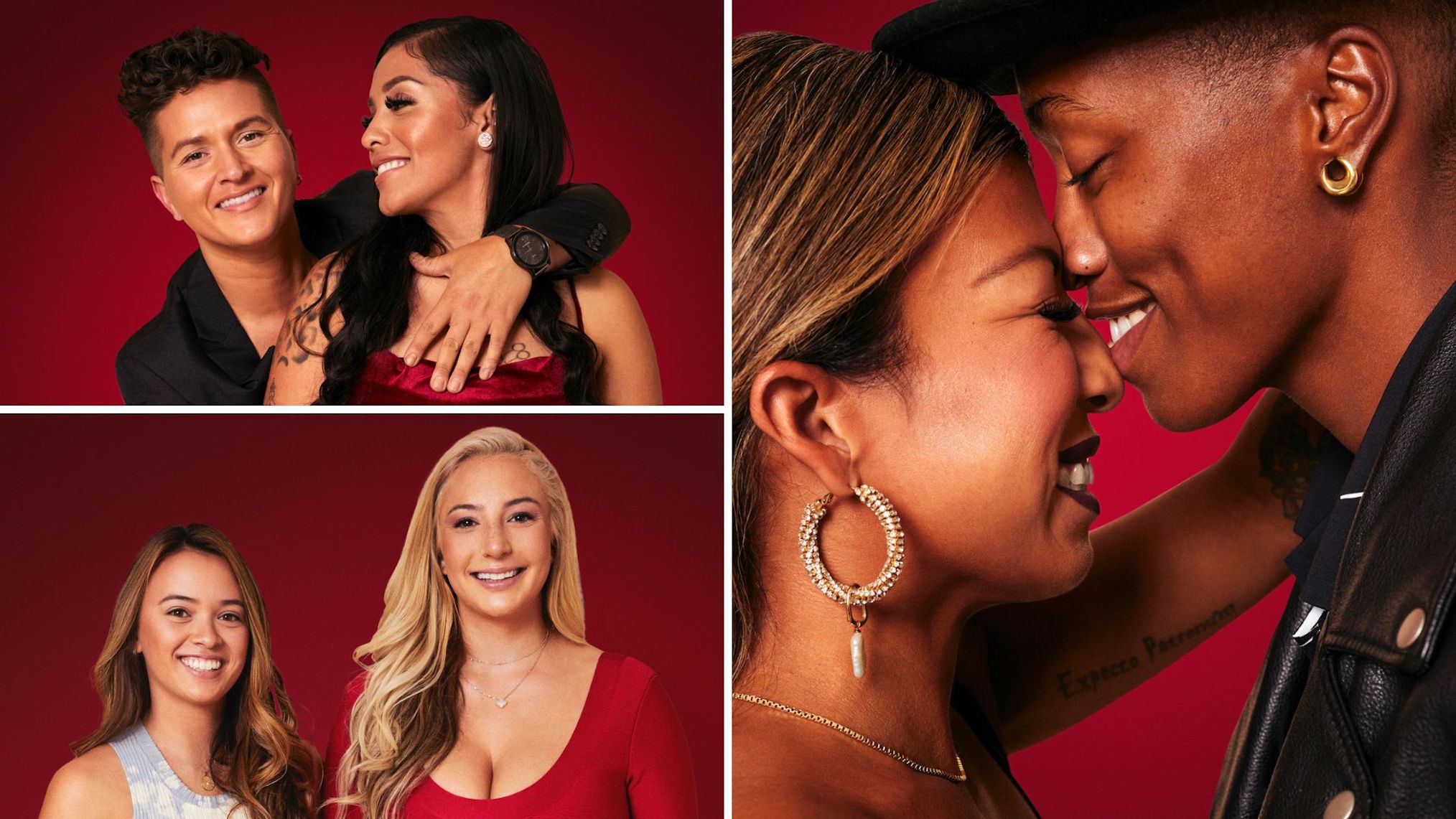
The Ultimatum Casting Rules Explained: A Guide to the Process
To be considered for The Ultimatum: Maritial or Move On, applicants must be in a committed, long-term relationship where one partner is ready for marriage and the other is hesitant. The casting process involves rigorous background chec...
To be considered for The Ultimatum: Maritial or Move On, applicants must be in a committed, long-term relationship where one partner is ready for marriage and the other is hesitant. The casting process involves rigorous background checks, psychological evaluations, and extensive video interviews to ensure candidates are emotionally prepared for the high-pressure environment of the social experiment.
Contents
The production of The Ultimatum is a highly controlled process designed to test the viability of a relationship under extreme circumstances. Unlike traditional dating reality shows that focus on courtship, this series focuses on existing power dynamics, long-term commitment, and the potential for dissolution. Because the stakes involve the future of a legal partnership, the casting team prioritizes individuals who are genuinely at an impasse regarding marriage.
Prerequisites for Casting Eligibility
The casting team for the series looks for specific markers of long-term commitment. To even begin the application process, interested couples must demonstrate that their relationship is stable enough to withstand the scrutiny of a televised experiment, yet fragile enough that the "ultimatum" is a realistic catalyst for change.
- Age Requirements: Applicants must be at least 21 years of age.
- Relationship Status: Applicants must be in a committed relationship. Casual dating, non-exclusive situations, or extremely short-term pairings are typically disqualified early in the process.
- The Impasse: The core requirement is the existence of a legitimate disagreement regarding marriage. Producers look for a clear "proposer" and a clear "hesitator." If both parties are equally ready to marry or both are equally uninterested, the show’s primary conflict mechanism fails.
- Willingness to Relocate: Participants must be available for a multi-week filming schedule in a controlled, isolated location. This requires taking significant time away from professional and personal obligations.
- Legal Standing: Applicants must be free of major legal entanglements that would prevent filming or pose a liability to the production company.
The Application and Vetting Stages
The casting journey is not a simple form submission; it is a multi-layered screening process that can take several weeks to months to complete.
- Initial Application: Interested couples complete an online portal submission. This requires detailed biographies of both partners, photos, and a summary of the current relationship conflict.
- Preliminary Video Interviews: Candidates who pass the initial screening are contacted for video conferences. These interviews are designed to test the couple’s ability to communicate, their level of comfort in front of a camera, and their willingness to be vulnerable on television.
- Background and Psychological Evaluation: Due to the intense psychological nature of the show, candidates undergo background checks and informal or formal psychological screenings. This ensures the safety of the participants and the integrity of the production.
- Chemistry Testing and Focus Groups: Finalists often participate in more intensive video sessions where producers observe how the partners interact under stress. This determines whether the couple has the "on-camera" presence necessary for a reality television format.
Key Casting Criteria Comparison
The following table outlines the distinctions between standard dating show requirements and the specific needs for The Ultimatum.
| Feature | Standard Dating Shows | The Ultimatum |
|---|---|---|
| Primary Goal | Finding a new partner | Resolving existing relationship impasse |
| Relationship Stage | Early/Initial attraction | Established/Long-term |
| Psychological Focus | Compatibility/Fun | Commitment/Readiness |
| Conflict Type | Competition/Jealousy | Communication/Life goals |
| Vetting Depth | Personality matching | Psychological evaluation of commitment |
The Role of Psychological Readiness
One of the most misunderstood aspects of the casting process is the degree of emotional assessment involved. The production company employs experts to determine if a couple is "too broken" to participate. If a relationship has suffered from severe trauma, abuse, or fundamental incompatibility that is deemed unsafe to film, the couple will be rejected. The goal is to provide a platform for a life-altering decision, not to facilitate a breakdown.
Producers often look for "articulate conflict." Because the show relies on the participants explaining their reasoning to their partners and others, applicants who can clearly articulate their fears regarding marriage or their reasons for wanting it are prioritized. If you cannot explain why you are hesitating, or why you are waiting, you are less likely to be selected.
Technical and Legal Considerations
By the time a couple is chosen, they must sign comprehensive releases. These legal documents cover the use of their likeness, the representation of their relationship, and their conduct during filming. Participants should be aware that their privacy regarding their relationship history will be significantly limited.
From a technical standpoint, the production requires a high degree of transparency. If a participant attempts to hide information—such as a pending legal issue or a significant secret regarding their history—it is usually uncovered during the extended vetting phase. Transparency is the best approach for those navigating the application, as the production team prioritizes individuals who are prepared to be "an open book."
Common Mistakes During the Application
Many potential participants fail because they treat the application like a generic audition. Here are the pitfalls to avoid:
- Faking the Impasse: Producers are experts at spotting "manufactured drama." If a couple attempts to fake a marriage disagreement for the sake of getting on television, they are usually filtered out during the interview phase when they cannot provide depth or context to their supposed struggle.
- Lack of Commitment: Some applicants treat the show as a vacation or a way to gain social media following. The casting team specifically targets couples who demonstrate that they have reached a genuine breaking point.
- Incompatibility with the Format: The show requires the ability to interact with others and test a "trial marriage." Applicants who are overly rigid, possessive, or unwilling to follow the social rules of the experiment are generally not the right fit for the show's structure.
Troubleshooting Your Application
If you have applied but have not heard back, it is rarely due to a technical glitch in the application portal. The casting team is extremely selective. However, if you believe your relationship offers a compelling, unique narrative that has not been explored in previous seasons, focus your follow-up—if permitted—on the specific "why" of your situation.
Ensure that your photos and video submissions are high quality, clearly audible, and reflect the true energy of your relationship. Production values matter in the casting reel; they want to see that you are comfortable communicating your thoughts and feelings under the pressure of a camera lens.
Frequently Asked Questions
Does it cost money to apply for The Ultimatum? No, there is no fee to apply for the show. If you are contacted by anyone claiming to be a casting agent who asks for an "application fee" or "processing payment," this is a fraudulent attempt to solicit money. Legitimate production casting is always free.
What if my partner is not sure they want to apply? The ultimatum must be a mutual agreement to enter the process. If one partner is forcing the other to apply against their will, the production team will quickly identify this, and the couple will be disqualified. Both parties must be willing to participate in the experiment.
Do we have to get married at the end? No. The goal of the show is to provide clarity. The conclusion of the experiment is designed to help participants decide whether to marry, break up, or continue dating, but there is no legal or contractual requirement to commit to marriage if you realize it is not the right choice for you.
Can we apply if we are already engaged? Typically, the show focuses on couples who are at the stage where one person is ready for an engagement and the other is not. If you are already engaged, you generally fall outside the scope of the show's specific premise.
How long does the filming process take? While the exact duration depends on the specific season, participants should be prepared to set aside several weeks for production. This includes the trial marriage phase and the final decision-making process.
Moving Forward
If you and your partner are at a genuine crossroads and believe that a high-pressure, third-party observation environment is the only way to reach a final decision, ensure you have gathered all necessary documentation and are mentally prepared for the level of vulnerability required. Review your relationship goals clearly before applying, as the process is designed to be as much an exercise in introspection as it is a public media appearance.
Image Gallery